



A sofa rarely shows its problems on day one—it usually happens a year later.
The seat cushions start to sink, leaving a dent that never bounces back. The leather begins to crack, and the damage only gets worse over time. Sometimes, you sit down and hear a sudden creak—taking both comfort and confidence with it.
By then, you may want to replace it, only to realize the sunk cost is already significant. The money is spent, and the sofa was difficult enough to move in—getting it out is even more trouble. So in many cases, people end up putting up with it, even if they’re no longer satisfied.
That’s why choosing a sofa shouldn’t be based on looks alone—or just how it feels at first sit. Whether a sofa can last for years often comes down to the details that are easiest to overlook: upholstery, filling, frame, structure, and the base. When these are done right, a sofa lasting 15 years or more is entirely achievable.
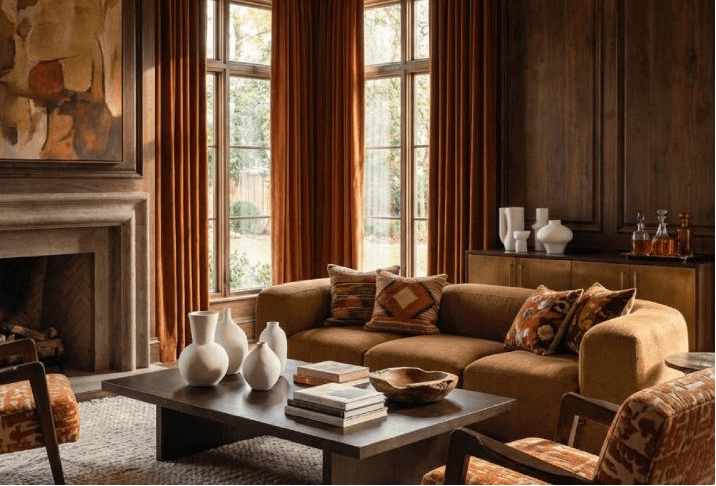
Common Pitfalls to Avoid When Choosing a High-Quality Sofa
1. Upholstery: Does It Age Well—or Wear Out Quickly?
If comfort creates the first impression, upholstery largely determines how long that impression lasts.
Some sofas feel soft and pleasant when you first bring them home, making it easy to think you made the right choice. But over time, issues begin to surface—gradually wearing down that initial satisfaction.
- Low-grade synthetic fibers: They may seem fine at first, but due to short fibers and low strength, daily use and friction lead to pilling, wear, and tearing. Typically, they last less than 3 years.
- Faux leather: Made with a fabric base and a coated surface, it can look similar to real leather. However, once the coating ages, it tends to crack and peel, usually lasting only 2–5 years.
- Velvet: Soft to the touch with a dense pile surface, but more prone to pressure marks and pilling. It also attracts dust and stains easily, with a typical lifespan of 3–7 years.
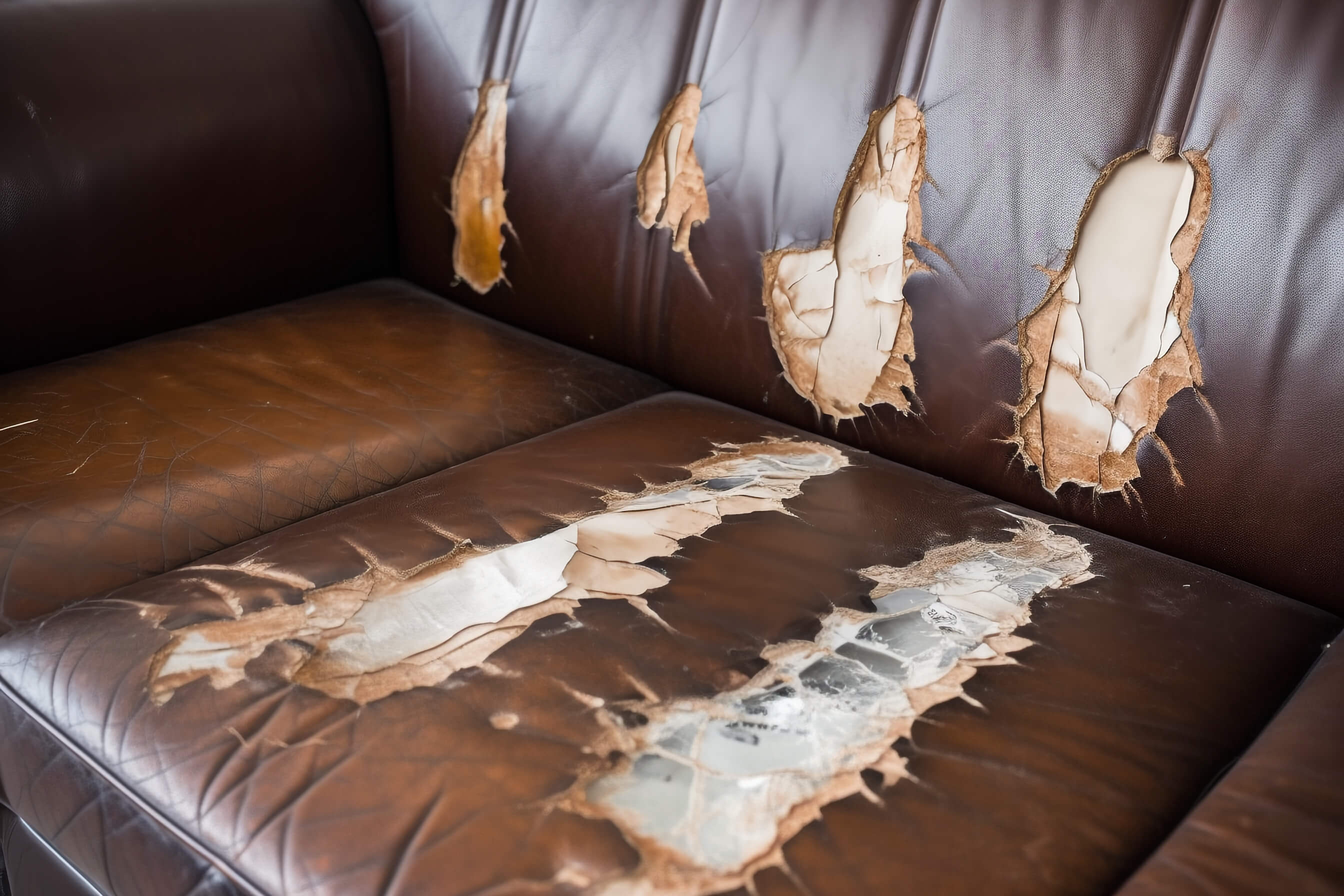
These issues are not caused by poor workmanship, but by the material itself lacking durability. If you want a sofa that truly lasts, it’s important to choose materials with a tighter and more stable structure.
The first is full-grain leather. It comes from the outermost layer of the hide, with a texture that feels smooth and natural. It is not sanded or heavily processed, so the original grain remains visible—even pores can be seen when pressed. Because of this, the surface is not perfectly uniform and may show natural variations or small marks.
Its fiber structure remains intact, making it stronger and more durable. Over time, it develops a natural patina, gaining depth and character with use.

Top-grain leather is made by refining natural leather and adding a protective coating. This creates a cleaner and more even surface, but with slightly less breathability and natural feel compared to full-grain leather. Still, it remains a highly cost-efficient genuine leather option.
Cotton-linen is also a natural material with excellent breathability, making it comfortable to sit on without feeling stuffy. Its fiber structure is relatively stable, offering good wear resistance and a low tendency to pill, which makes it easy to live with in daily use. Compared to leather, it is much more budget-friendly, making it a practical choice for smaller homes, rentals, or tighter budgets. However, it is less resistant to stains and water, so it requires more careful maintenance over time.
Many sellers take advantage of how difficult it is for consumers to distinguish materials—using corrected leather to imitate full-grain, or polyester blends to mimic cotton-linen. Homebridge understands this concern. After material selection is confirmed, we provide physical samples along with material test reports, so clients can see, touch, and verify before production—ensuring the final product matches what was chosen.
2. Filling: Does It Get More Comfortable Over Time—or Sink Faster?
If upholstery defines how soft a sofa feels to the touch, the filling determines whether it stays comfortable over time. The support, cushioning, and rebound you feel every time you sit down all come from the filling.
Poor-quality filling often reveals its problems after a few years of use. The seat cushions start to sag, forming dips that don’t recover, while the armrests and backrests lose their shape and support. That’s why it’s important to be cautious with the following types of filling:
- Polyester fiberfill: Light, soft, and fluffy to the touch, but with weak support. Over time, it tends to flatten and clump, eventually feeling like compressed cotton.
- Latex: It may seem premium, but it’s not ideal as the main filling for sofas. Under long-term pressure, it can age and break down, making its durability less stable.
- Recycled foam: Its density and consistency are often uneven. It may seem fine at first, but over time it compresses and hardens, leading to a firmer, less comfortable feel—and sometimes even odor issues.
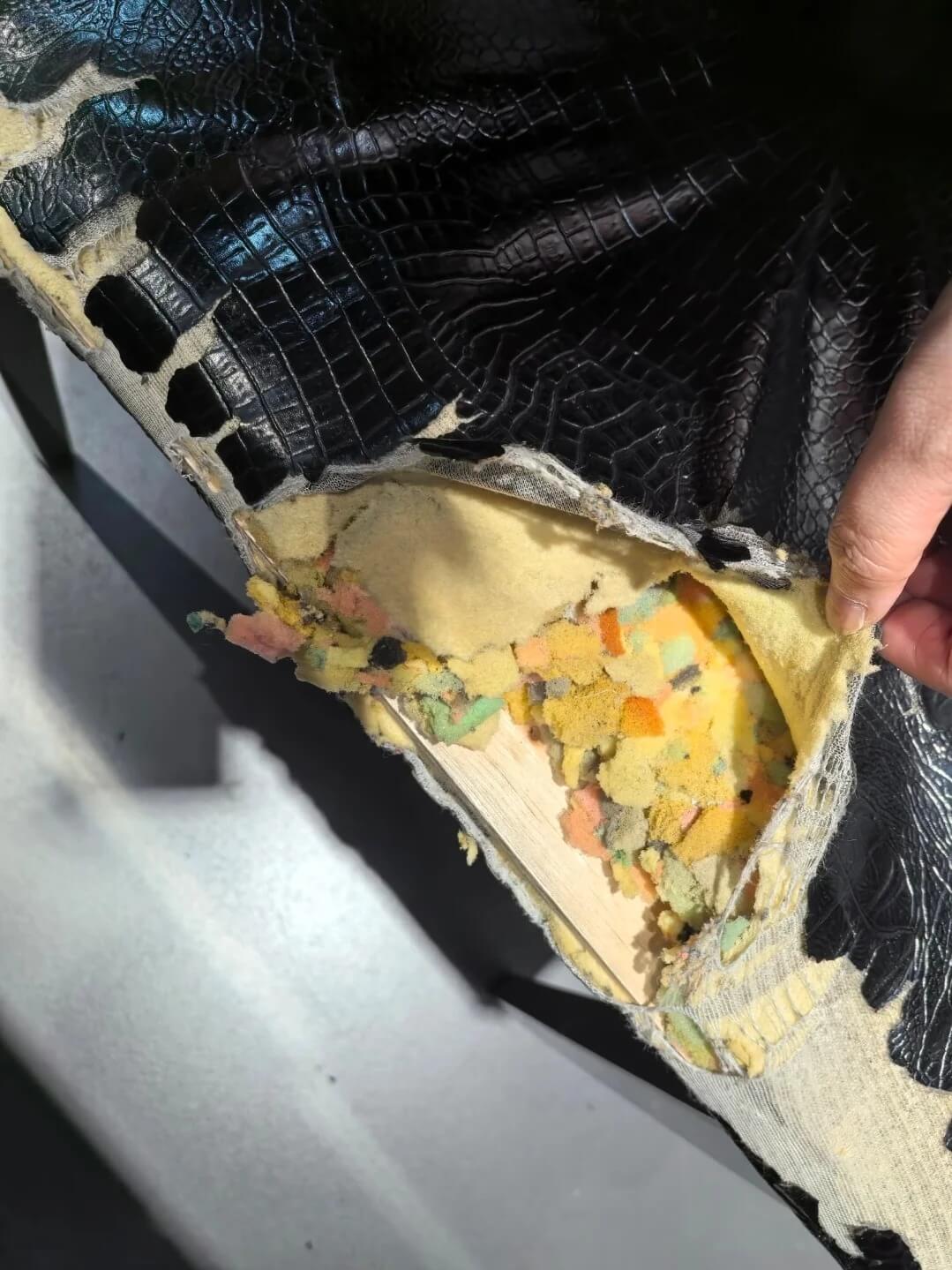
A sofa that is both comfortable and durable usually relies on a thoughtful combination of different filling materials. In mid- to high-end sofas, a layered structure is common—foam for support at the base, and feather for softness on the surface.
When choosing foam, support is key. A density of ≥45D is recommended to ensure good resilience, while anything below 40D is more likely to sag over time. It’s also better to choose single-block foam rather than layered or bonded foam, as multi-layer structures are more prone to shifting, loosening, and deformation.
For feather filling, goose down is preferred over duck down, as it is less likely to have odor. A blended ratio such as 70% feather with 30% fiber, or 60% feather with 40% fiber, is recommended—pure feather filling alone tends to collapse and lose shape when sat on.
.jpg)
3.Frame: What Determines How Long a Sofa Lasts
The frame is like the skeleton of a sofa—it carries the load. Its quality not only affects how long the sofa will last, but also how stable it feels when you sit. If the frame weakens, even the best filling and softest upholstery can’t compensate.
Here are some common frame issues to watch out for:
- MDF (medium-density fiberboard): Prone to swelling and cracking when exposed to moisture. Over time, its strength becomes unstable under constant load—similar to a softened biscuit that gradually collapses.

- Eucalyptus wood: Relatively soft with a loose fiber structure and weak bending resistance. Over time, it can gradually warp and deform—similar to a chair that lacks proper support.
- Veneered composite boards: They may look smooth and solid on the surface, but the internal structure can be compromised, making their strength less reliable.
High-quality sofas typically use solid wood frames, such as imported pine or birch. These materials have higher density and better toughness, making them less prone to bending or breaking. Combined with proper craftsmanship, this type of frame can last 20–30 years.
.jpg)
4. Structure: What Determines Whether a Sofa Holds Up Over Time
When you sit on a sofa, you’re applying pressure to it. If the load-bearing structure is poorly designed, the weight gets concentrated in certain areas, leading to early sagging. That’s why the following support systems should be approached with caution:
- Traditional mesh spring systems: Like a metal net, where each joint bears force independently. Friction can cause noise, and over time, it often leads to localized sagging.
- Foam + wooden board: The board provides basic support, while the foam takes most of the pressure. The fibers compress over time, causing the seat to lose shape and sink.

That’s why it’s important to choose a structure that distributes pressure evenly. A more reliable option is a combination of sinuous springs and webbing. Working together, they help spread the load across the seat, improving both comfort and durability.
When selecting this type of structure, look for at least 6 sinuous springs, with spacing no greater than 15 cm. It’s also better when paired with cross-tension springs or paper-wrapped wire, creating a multi-point support system that distributes weight more evenly.
.jpg)
5.Base (Bottom): What Determines Whether a Sofa Is Well-Finished and Hassle-Free
The base of a sofa is usually out of sight, but it works like a car’s chassis—protecting the internal structure and providing additional support. While it may not be the core factor of quality, a poorly made base can lead to a lot of trouble over time.
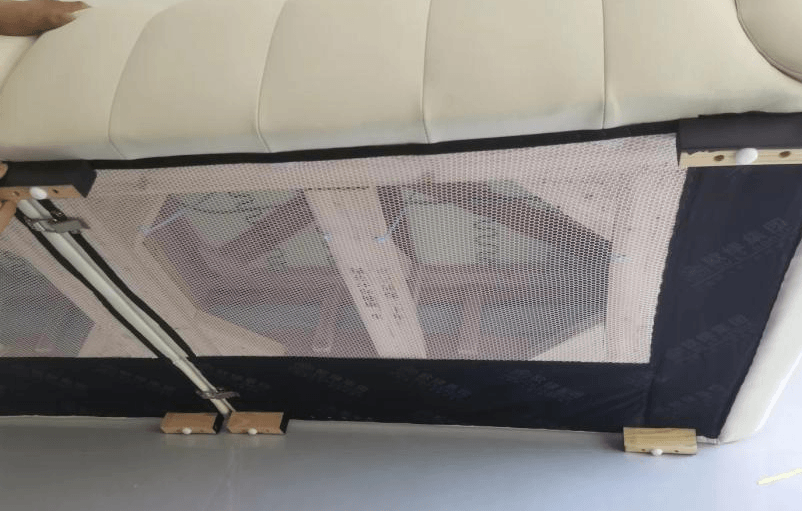
Many low-cost sofas use non-woven fabric for the base—the same type of material commonly used in disposable masks. Unlike regular fabric, which is made by spinning fibers into yarn and then weaving it, non-woven fabric is created by bonding fibers directly together, skipping the spinning process. In simple terms, it’s like compressing loose cotton into a sheet, resulting in a looser structure and lower cost.
When used as a sofa base, this material can start to deteriorate in less than two years. Large sections may peel off, exposing the internal structure, while smaller fragments can break down into fine black particles that are difficult to clean.

A more reliable choice is a high-density woven fabric—similar to umbrella fabric—which offers better tear resistance and holds up well over time.
It’s also recommended to choose a zippered, visible base. This allows you to clearly inspect the internal structure and makes maintenance or replacement much easier.
The Challenge of Choosing the Right Sofa
After going through the points above, you likely have a clearer idea of what makes a durable sofa. However, in real-world shopping, it’s still difficult to find one that truly meets expectations. The main challenges usually come down to two key factors:
Lack of transparency in product information:
Many sellers don’t clearly explain details like upholstery, internal structure, or craftsmanship. Even when you ask, the answers are often vague. For example, if you try to confirm whether the leather is full-grain, you might only hear “it’s real leather” or “top-grain leather”—without any meaningful details.
Mismatch between claims and actual materials:
Don’t take every sales claim at face value—some sellers will say whatever it takes to close the deal.Some sellers promote high-grade materials and craftsmanship, but the final product may use substituted materials or cut corners. Since consumers often can’t easily identify materials or see the internal structure, it’s easy to be misled. For instance, a seller might claim an imported pine frame, while the inside could actually be made of patched wood—relying on the fact that it’s not visible.

How Homebridge Gets the “Invisible” Details Right
Quality is the foundation of Homebridge.
To ensure every piece of furniture you receive is dependable and built to last, Homebridge carefully manages each step of the process:
1. Clear design drawings
Before production, our design team prepares detailed drawings and structural specifications, clearly outlining the frame and craftsmanship. You can preview how the final piece will look, reducing the gap between expectation and reality.
2. Material samples for hands-on confirmation
After selecting materials, we send physical samples—such as wood finishes, fabric swatches, and leather pieces—so you can see and feel them before production.
3. Clear contract terms
All key details are clearly defined in the contract, including product lists, specifications, production timelines, and quality standards—ensuring full alignment on configuration, delivery scope, and expectations.
4. Production tracking and updates
Throughout production, we document each key stage with photos or videos—from raw materials arriving at the factory, cutting, frame construction, semi-assembly, surface finishing, to the final product. You can follow each step from start to finish.
5. Pre-shipment quality inspection
Before shipping, our quality control team conducts a thorough inspection, including order verification, completeness and functionality checks, material and stitching consistency, surface and coating quality, and overall performance testing.
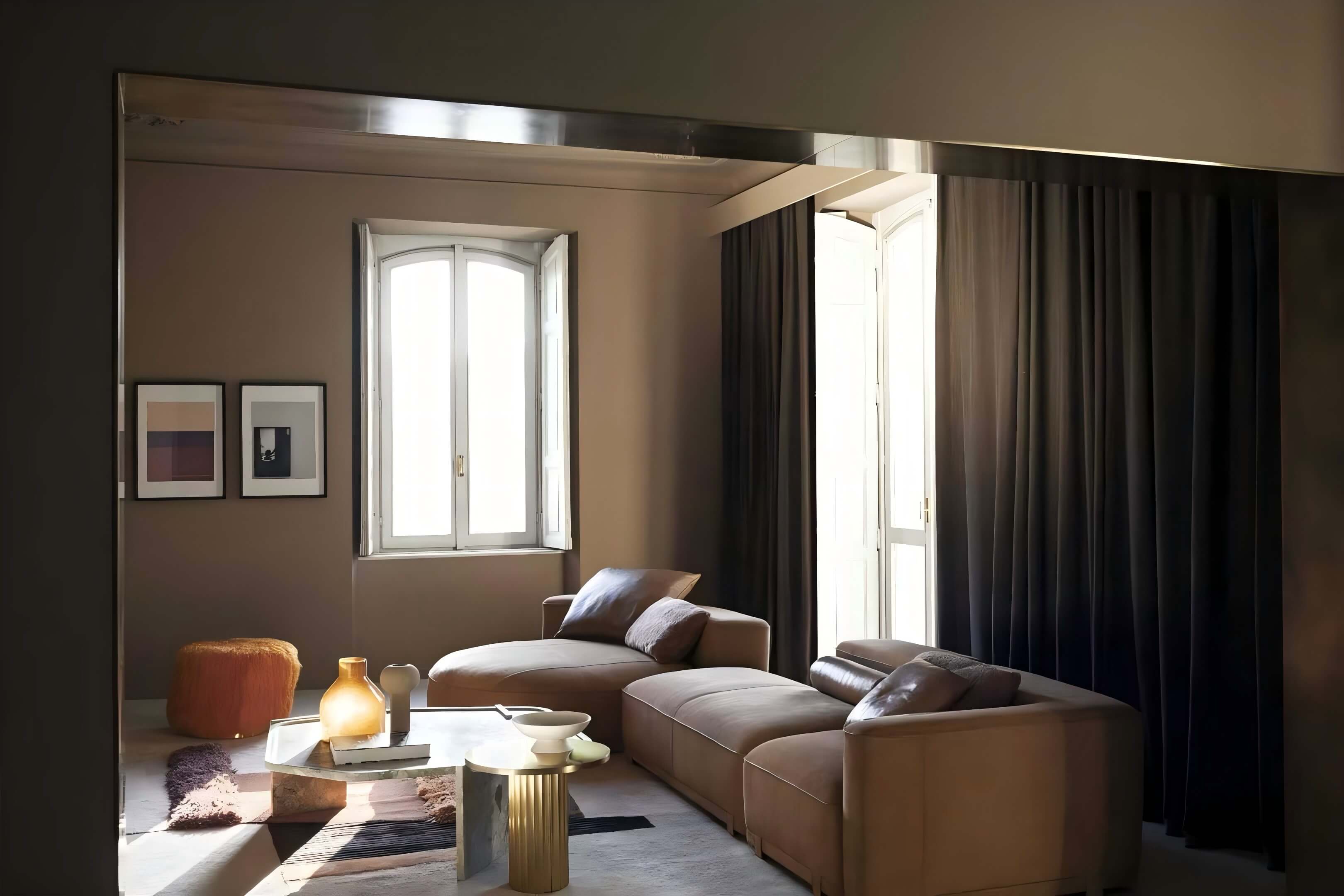
For many buyers, the biggest concern when purchasing a sofa isn’t the price—it’s the uncertainty.
Because what truly determines comfort and durability is often hidden inside, where it’s hard to see or evaluate.
What Homebridge aims to do is make those “invisible” details visible, tangible, and verifiable.
In fact, even for the same product, multiple factories within our supply chain may be involved. We evaluate their strengths and differences to select the one that best meets the client’s needs.
We want our clients to receive more than just a sofa that looks good today, but one that remains comfortable and dependable for years to come.
Because a sofa is not just a piece of furniture—it’s part of the everyday moments you share with your family over time.
A sofa rarely shows its problems on day one—it usually happens a year later.
The seat cushions start to sink, leaving a dent that never bounces back. The leather begins to crack, and the damage only gets worse over time. Sometimes, you sit down and hear a sudden creak—taking both comfort and confidence with it.
By then, you may want to replace it, only to realize the sunk cost is already significant. The money is spent, and the sofa was difficult enough to move in—getting it out is even more trouble. So in many cases, people end up putting up with it, even if they’re no longer satisfied.
That’s why choosing a sofa shouldn’t be based on looks alone—or just how it feels at first sit. Whether a sofa can last for years often comes down to the details that are easiest to overlook: upholstery, filling, frame, structure, and the base. When these are done right, a sofa lasting 15 years or more is entirely achievable.
Common Pitfalls to Avoid When Choosing a High-Quality Sofa
1. Upholstery: Does It Age Well—or Wear Out Quickly?
If comfort creates the first impression, upholstery largely determines how long that impression lasts.
Some sofas feel soft and pleasant when you first bring them home, making it easy to think you made the right choice. But over time, issues begin to surface—gradually wearing down that initial satisfaction.
- Low-grade synthetic fibers: They may seem fine at first, but due to short fibers and low strength, daily use and friction lead to pilling, wear, and tearing. Typically, they last less than 3 years.
- Faux leather: Made with a fabric base and a coated surface, it can look similar to real leather. However, once the coating ages, it tends to crack and peel, usually lasting only 2–5 years.
- Velvet: Soft to the touch with a dense pile surface, but more prone to pressure marks and pilling. It also attracts dust and stains easily, with a typical lifespan of 3–7 years.
These issues are not caused by poor workmanship, but by the material itself lacking durability. If you want a sofa that truly lasts, it’s important to choose materials with a tighter and more stable structure.
The first is full-grain leather. It comes from the outermost layer of the hide, with a texture that feels smooth and natural. It is not sanded or heavily processed, so the original grain remains visible—even pores can be seen when pressed. Because of this, the surface is not perfectly uniform and may show natural variations or small marks.
Its fiber structure remains intact, making it stronger and more durable. Over time, it develops a natural patina, gaining depth and character with use.
Top-grain leather is made by refining natural leather and adding a protective coating. This creates a cleaner and more even surface, but with slightly less breathability and natural feel compared to full-grain leather. Still, it remains a highly cost-efficient genuine leather option.
Cotton-linen is also a natural material with excellent breathability, making it comfortable to sit on without feeling stuffy. Its fiber structure is relatively stable, offering good wear resistance and a low tendency to pill, which makes it easy to live with in daily use. Compared to leather, it is much more budget-friendly, making it a practical choice for smaller homes, rentals, or tighter budgets. However, it is less resistant to stains and water, so it requires more careful maintenance over time.
Many sellers take advantage of how difficult it is for consumers to distinguish materials—using corrected leather to imitate full-grain, or polyester blends to mimic cotton-linen. Homebridge understands this concern. After material selection is confirmed, we provide physical samples along with material test reports, so clients can see, touch, and verify before production—ensuring the final product matches what was chosen.
2. Filling: Does It Get More Comfortable Over Time—or Sink Faster?
If upholstery defines how soft a sofa feels to the touch, the filling determines whether it stays comfortable over time. The support, cushioning, and rebound you feel every time you sit down all come from the filling.
Poor-quality filling often reveals its problems after a few years of use. The seat cushions start to sag, forming dips that don’t recover, while the armrests and backrests lose their shape and support. That’s why it’s important to be cautious with the following types of filling:
- Polyester fiberfill: Light, soft, and fluffy to the touch, but with weak support. Over time, it tends to flatten and clump, eventually feeling like compressed cotton.
- Latex: It may seem premium, but it’s not ideal as the main filling for sofas. Under long-term pressure, it can age and break down, making its durability less stable.
- Recycled foam: Its density and consistency are often uneven. It may seem fine at first, but over time it compresses and hardens, leading to a firmer, less comfortable feel—and sometimes even odor issues.
A sofa that is both comfortable and durable usually relies on a thoughtful combination of different filling materials. In mid- to high-end sofas, a layered structure is common—foam for support at the base, and feather for softness on the surface.
When choosing foam, support is key. A density of ≥45D is recommended to ensure good resilience, while anything below 40D is more likely to sag over time. It’s also better to choose single-block foam rather than layered or bonded foam, as multi-layer structures are more prone to shifting, loosening, and deformation.
For feather filling, goose down is preferred over duck down, as it is less likely to have odor. A blended ratio such as 70% feather with 30% fiber, or 60% feather with 40% fiber, is recommended—pure feather filling alone tends to collapse and lose shape when sat on.
3.Frame: What Determines How Long a Sofa Lasts
The frame is like the skeleton of a sofa—it carries the load. Its quality not only affects how long the sofa will last, but also how stable it feels when you sit. If the frame weakens, even the best filling and softest upholstery can’t compensate.
Here are some common frame issues to watch out for:
- MDF (medium-density fiberboard): Prone to swelling and cracking when exposed to moisture. Over time, its strength becomes unstable under constant load—similar to a softened biscuit that gradually collapses.
- Eucalyptus wood: Relatively soft with a loose fiber structure and weak bending resistance. Over time, it can gradually warp and deform—similar to a chair that lacks proper support.
- Veneered composite boards: They may look smooth and solid on the surface, but the internal structure can be compromised, making their strength less reliable.
High-quality sofas typically use solid wood frames, such as imported pine or birch. These materials have higher density and better toughness, making them less prone to bending or breaking. Combined with proper craftsmanship, this type of frame can last 20–30 years.
4. Structure: What Determines Whether a Sofa Holds Up Over Time
When you sit on a sofa, you’re applying pressure to it. If the load-bearing structure is poorly designed, the weight gets concentrated in certain areas, leading to early sagging. That’s why the following support systems should be approached with caution:
- Traditional mesh spring systems: Like a metal net, where each joint bears force independently. Friction can cause noise, and over time, it often leads to localized sagging.
- Foam + wooden board: The board provides basic support, while the foam takes most of the pressure. The fibers compress over time, causing the seat to lose shape and sink.
That’s why it’s important to choose a structure that distributes pressure evenly. A more reliable option is a combination of sinuous springs and webbing. Working together, they help spread the load across the seat, improving both comfort and durability.
When selecting this type of structure, look for at least 6 sinuous springs, with spacing no greater than 15 cm. It’s also better when paired with cross-tension springs or paper-wrapped wire, creating a multi-point support system that distributes weight more evenly.
5.Base (Bottom): What Determines Whether a Sofa Is Well-Finished and Hassle-Free
The base of a sofa is usually out of sight, but it works like a car’s chassis—protecting the internal structure and providing additional support. While it may not be the core factor of quality, a poorly made base can lead to a lot of trouble over time.
Many low-cost sofas use non-woven fabric for the base—the same type of material commonly used in disposable masks. Unlike regular fabric, which is made by spinning fibers into yarn and then weaving it, non-woven fabric is created by bonding fibers directly together, skipping the spinning process. In simple terms, it’s like compressing loose cotton into a sheet, resulting in a looser structure and lower cost.
When used as a sofa base, this material can start to deteriorate in less than two years. Large sections may peel off, exposing the internal structure, while smaller fragments can break down into fine black particles that are difficult to clean.
A more reliable choice is a high-density woven fabric—similar to umbrella fabric—which offers better tear resistance and holds up well over time.
It’s also recommended to choose a zippered, visible base. This allows you to clearly inspect the internal structure and makes maintenance or replacement much easier.
The Challenge of Choosing the Right Sofa
After going through the points above, you likely have a clearer idea of what makes a durable sofa. However, in real-world shopping, it’s still difficult to find one that truly meets expectations. The main challenges usually come down to two key factors:
Lack of transparency in product information:
Many sellers don’t clearly explain details like upholstery, internal structure, or craftsmanship. Even when you ask, the answers are often vague. For example, if you try to confirm whether the leather is full-grain, you might only hear “it’s real leather” or “top-grain leather”—without any meaningful details.
Mismatch between claims and actual materials:
Don’t take every sales claim at face value—some sellers will say whatever it takes to close the deal.Some sellers promote high-grade materials and craftsmanship, but the final product may use substituted materials or cut corners. Since consumers often can’t easily identify materials or see the internal structure, it’s easy to be misled. For instance, a seller might claim an imported pine frame, while the inside could actually be made of patched wood—relying on the fact that it’s not visible.
How Homebridge Gets the “Invisible” Details Right
Quality is the foundation of Homebridge.
To ensure every piece of furniture you receive is dependable and built to last, Homebridge carefully manages each step of the process:
1. Clear design drawings
Before production, our design team prepares detailed drawings and structural specifications, clearly outlining the frame and craftsmanship. You can preview how the final piece will look, reducing the gap between expectation and reality.
2. Material samples for hands-on confirmation
After selecting materials, we send physical samples—such as wood finishes, fabric swatches, and leather pieces—so you can see and feel them before production.
3. Clear contract terms
All key details are clearly defined in the contract, including product lists, specifications, production timelines, and quality standards—ensuring full alignment on configuration, delivery scope, and expectations.
4. Production tracking and updates
Throughout production, we document each key stage with photos or videos—from raw materials arriving at the factory, cutting, frame construction, semi-assembly, surface finishing, to the final product. You can follow each step from start to finish.
5. Pre-shipment quality inspection
Before shipping, our quality control team conducts a thorough inspection, including order verification, completeness and functionality checks, material and stitching consistency, surface and coating quality, and overall performance testing.
For many buyers, the biggest concern when purchasing a sofa isn’t the price—it’s the uncertainty.
Because what truly determines comfort and durability is often hidden inside, where it’s hard to see or evaluate.
What Homebridge aims to do is make those “invisible” details visible, tangible, and verifiable.
In fact, even for the same product, multiple factories within our supply chain may be involved. We evaluate their strengths and differences to select the one that best meets the client’s needs.
We want our clients to receive more than just a sofa that looks good today, but one that remains comfortable and dependable for years to come.
Because a sofa is not just a piece of furniture—it’s part of the everyday moments you share with your family over time.
.svg)







.svg)
.svg)


