


Cost Structure: What Will You Actually Pay?

Cost Structure: What Will You Actually Pay?
Author-Image
Last Update:  
May 25, 2026

For many buyers considering furniture sourcing from China, the biggest question is often: “How much will I actually spend in the end?”

If you only look at the factory quotation, it is very easy to underestimate the real budget.

This article will help you understand what costs are normally involved, which expenses are expected, what should be confirmed in advance, and how Homebridge’s DDP service helps integrate these complex steps into a smoother sourcing process.

1. What Makes Up the Total Cost?

When buying furniture from China, the final total cost is usually made up of:

Product price + domestic transportation in China + sea freight + import duties and taxes + destination port charges + local delivery fees

This is commonly referred to as the landed cost—the complete cost required to get the furniture delivered to its final destination.

For first-time buyers, these costs can initially make the importing process feel complicated. But in reality, these are not “hidden traps.” They are normal expenses involved in cross-border furniture sourcing.

The key to a successful purchase is whether these costs are planned clearly in advance, coordinated properly, and managed by someone experienced.

That is where Homebridge creates value.

1) Product Cost

If you only look at the factory EXW price, it is often just 10%–40% of the retail price in local markets.

The difference can be dramatic. For example, a genuine leather sofa selling locally for $16,600 may have a factory price in China of around $1,629—representing a potential saving of 90.19%.

The factory export price of the product

2) Domestic Transportation Within China

After furniture leaves the factory, it still needs to go through domestic transportation and export preparation within China. This usually includes trucking from the factory to a warehouse or port, warehousing fees, and loading or handling charges.

In most cases, working with a reliable sourcing or buying agent makes this process much easier—especially when your products come from multiple factories. It is usually better to consolidate everything into one warehouse before container loading and shipment.

The good news is that this part of the cost is generally not very high, often around $50–100 in total.
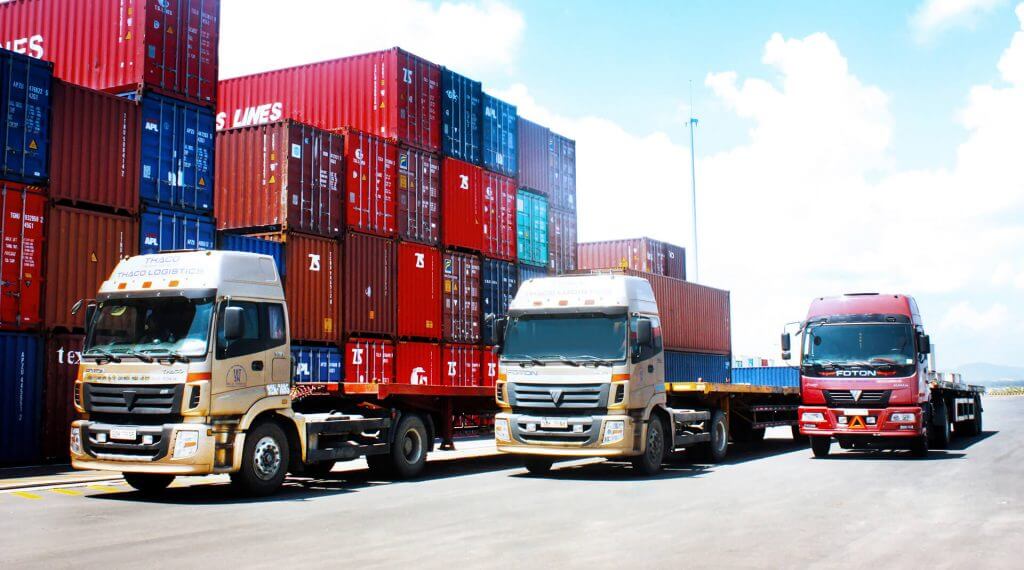
Domestic transportation costs within China

3) Ocean Freight

Sea freight is the most common shipping method for furniture. Depending on the shipment volume, buyers usually choose between FCL (Full Container Load) and LCL (Less than Container Load).

Container sizes mainly include 20GP, 40GP, and 40HQ, with the 40HQ being the most commonly used because it offers the best overall value.

Taking a 20GP container as an example, approximate shipping costs from China are:

  • U.S. West Coast: around $1,800
  • U.S. East Coast: around $2,800
  • Europe: around $2,500
  • Australia: around $1,500
  • Canada: around $2,000

A 20GP container can usually hold around 20–35 furniture pieces, meaning the average sea freight cost per item may be roughly $85. Larger containers reduce the average shipping cost per product, which is why full-home furniture projects commonly choose 40HQ containers.

LCL shipping has a lower entry barrier, but the average cost per item is usually higher than FCL. Depending on furniture size, the average sea freight cost per item is often around $100–300.

Sea freight pricing itself fluctuates based on seasonality, fuel costs, and shipping demand.

In addition to basic freight charges, insurance should also be included in the budget. Compared with the overall shipment value, insurance costs are relatively low, but considering the risks of damage or loss during transportation, cargo insurance is usually the safer choice.

Sea freight costs

4) Tariffs and Other Taxes

In general, furniture import duties are not very high in most countries, but the way taxes are calculated can vary significantly, and additional charges are often added on top.

For example:

  • Australia may offer 0% import duty on qualifying furniture, but buyers still need to pay 10% GST after arrival.
  • In the European Union, furniture tariffs are relatively low, but import VAT often approaches 20%.
  • In Canada, base furniture duties usually range from 0%–9.5%, but additional sales taxes of 5%–15% may also apply.
  • In the United States, some furniture categories may technically show “Free” as the base duty rate, but additional tariffs of 35%–50% can still significantly increase the final tax burden.

That’s why buyers should always confirm both the HS code and destination country before placing an order, in order to calculate the true landed cost more accurately.

For a more detailed explanation of tariffs and compliance, you can also refer to the article: Understanding Taxes, Tariffs, and Compliance in One Guide.

Tariffs

5) Destination Port Charges

Even after furniture arrives at the destination port, the import process is not yet complete. Buyers still need to pay a range of local port-related charges, such as documentation fees, merchandise processing fees, and port maintenance fees.

This part of the cost is often overlooked by first-time importers. Many people assume the process ends once sea freight is paid, but in reality, customs clearance and cargo pickup still need to be completed after arrival. Fortunately, these charges are usually not extremely high, often around $200–500 in total.

For example, in the United States:

  • The MPF (Merchandise Processing Fee) is charged at 0.3464% of the cargo value, with a minimum fee of $33.58.
  • The HMF (Harbor Maintenance Fee) is charged at 0.125% of the cargo value.

The amounts themselves are not huge, but they still need to be paid on time to avoid delays.
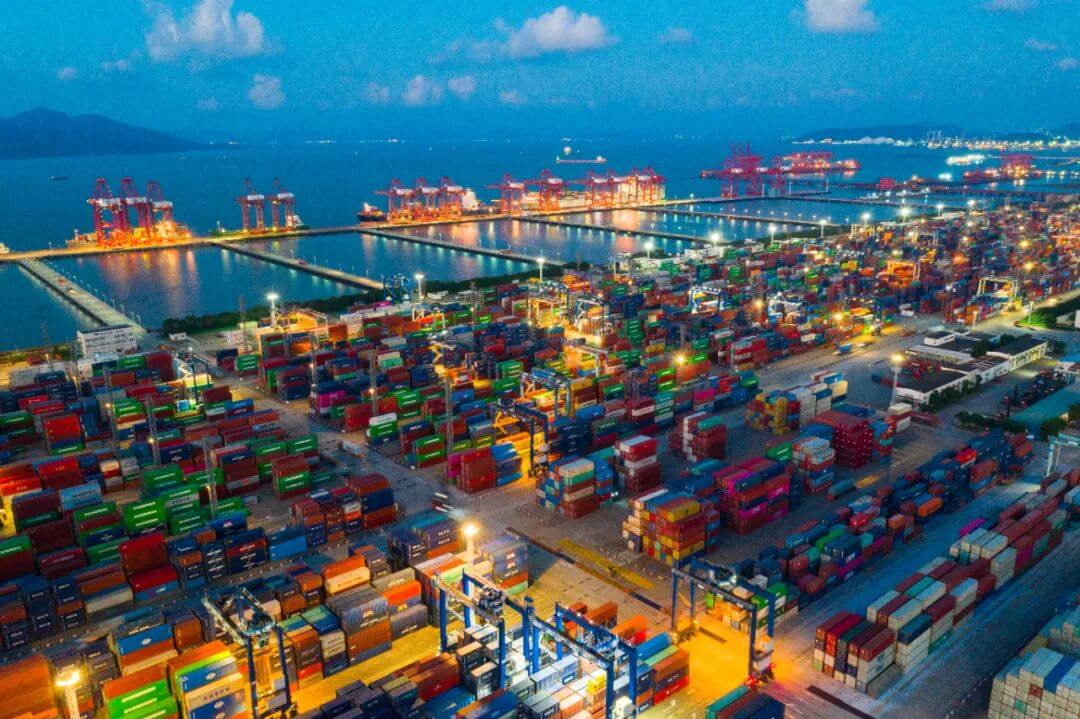
Destination Port Charges

6) Local Delivery Fees

After customs clearance is completed, the furniture still needs to be delivered from the port to your final address. This stage is called last-mile delivery.

Local delivery is not a fixed cost. It depends on practical factors such as distance from the port, cargo volume, unloading conditions, whether stairs or elevators are involved, and whether installation is included. In most cases, the final cost ranges from around $200–800.

This is why professional service providers like Homebridge confirm the delivery address and unloading conditions before quoting, instead of only offering a low-looking sea freight price. Anyone can quote a cheap number—the real question is who will actually get the furniture to your door.

Local Delivery Fees

2. What Is Homebridge DDP?

Homebridge DDP is a door-to-door service designed for individual furniture buyers.

Simply put, it does not only help you buy furniture or book sea freight. It helps connect the multiple steps between Chinese factories and your overseas address, making the cross-border sourcing process clearer and easier to manage.

With Homebridge DDP, we coordinate the furniture shipment and transportation process based on each client’s order. The exact service scope may vary depending on the destination country, cargo details, and logistics plan, but the goal remains the same: clients do not need to separately deal with factories, warehouses, freight forwarders, customs brokers, ports, and local delivery companies.

For individual buyers, Homebridge DDP offers three key benefits.

First, costs are clearer. Instead of seeing only a low product price or low sea freight quote, clients can understand product, shipping, tax, and delivery-related costs earlier, making the budget easier to control.

Second, communication is simpler. Clients do not need to contact multiple service providers or repeatedly follow up on different stages. Homebridge acts as the coordinator, connecting the purchasing and shipping process.

Third, delivery becomes less stressful. Furniture is bulky, and the hardest part is often not buying it, but getting it delivered safely and smoothly. DDP helps reduce uncertainty around customs clearance, port procedures, and last-mile delivery.
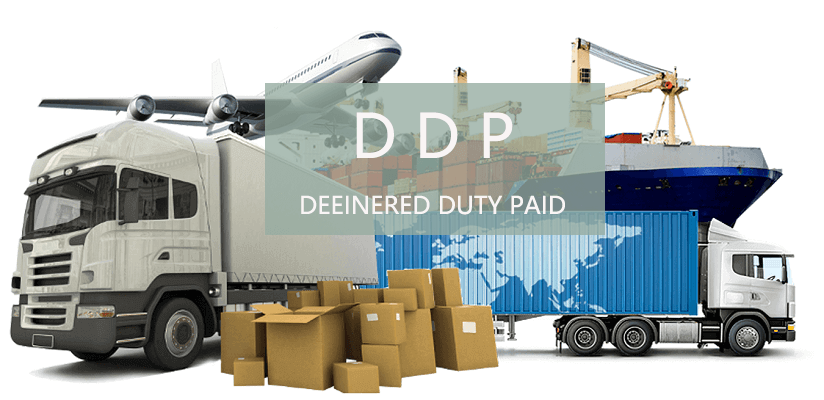
Homebridge provides Delivered Duty Paid services

3. Why the Total Cost Can Still Be Competitive?

Imagine a European buyer finds a mid-to-high-end upholstered bed in a local furniture store priced at $4,800. If the buyer sources a product with a similar level of craftsmanship and materials directly from China, the factory price may be around $900.

After adding domestic transportation within China, LCL sea freight, import duties and taxes, destination port charges, and local delivery, the total landed cost may reach approximately $2,030. Compared with the local retail price of $4,800, the buyer could still save around $2,770—roughly 58%.

The key point of this example is not simply that Chinese furniture is cheaper.

More importantly, when product costs, shipping, taxes, port fees, and local delivery are planned and integrated in advance, buyers gain a much clearer understanding of the true total cost instead of facing unexpected charges step by step after purchasing.

This is the value of Homebridge DDP: transforming fragmented, complicated, and often confusing import procedures into a clearer and more manageable door-to-door sourcing solution.

4. Buying Furniture from China Should Not Feel Like a Risk

China’s furniture cost advantage is not simply about lower prices—it comes from a highly developed supply chain system.

China’s furniture industry has become extremely mature, with large-scale industrial clusters covering manufacturing, export coordination, customs procedures, and ocean freight. The entire process is already highly structured, scalable, and relatively transparent in terms of cost.

That’s why even after adding sea freight, import duties, port charges, and local delivery fees, the final landed cost is still often significantly lower than local retail prices.

These costs may look complicated, but complexity does not necessarily mean difficulty. What usually makes buyers feel stressed is the lack of clear explanations and the absence of someone coordinating all the different stages together.

This is where Homebridge creates value. We help individual buyers understand budgets before purchasing, connect with suitable factories during sourcing, consolidate products before shipment, coordinate logistics throughout transportation, and use DDP services to deliver furniture from China more smoothly to the final destination.

For individual buyers, sourcing furniture from China should not feel like a complicated importing challenge—it should feel like a clearer, better-planned, and more manageable home furnishing experience.

Homebridge hopes to help you create your ideal home
Explore Furniture Solutions with HomeBridge
Contact us for One-stop Professional Furniture Purchaisng Solution!
By clicking the button, you consent to the processing of personal data

Thank you!

Your message has been received.
Oops! Something went wrong while submitting the form.

For many buyers considering furniture sourcing from China, the biggest question is often: “How much will I actually spend in the end?”

If you only look at the factory quotation, it is very easy to underestimate the real budget.

This article will help you understand what costs are normally involved, which expenses are expected, what should be confirmed in advance, and how Homebridge’s DDP service helps integrate these complex steps into a smoother sourcing process.

1. What Makes Up the Total Cost?

When buying furniture from China, the final total cost is usually made up of:

Product price + domestic transportation in China + sea freight + import duties and taxes + destination port charges + local delivery fees

This is commonly referred to as the landed cost—the complete cost required to get the furniture delivered to its final destination.

For first-time buyers, these costs can initially make the importing process feel complicated. But in reality, these are not “hidden traps.” They are normal expenses involved in cross-border furniture sourcing.

The key to a successful purchase is whether these costs are planned clearly in advance, coordinated properly, and managed by someone experienced.

That is where Homebridge creates value.

1) Product Cost

If you only look at the factory EXW price, it is often just 10%–40% of the retail price in local markets.

The difference can be dramatic. For example, a genuine leather sofa selling locally for $16,600 may have a factory price in China of around $1,629—representing a potential saving of 90.19%.

The factory export price of the product

2) Domestic Transportation Within China

After furniture leaves the factory, it still needs to go through domestic transportation and export preparation within China. This usually includes trucking from the factory to a warehouse or port, warehousing fees, and loading or handling charges.

In most cases, working with a reliable sourcing or buying agent makes this process much easier—especially when your products come from multiple factories. It is usually better to consolidate everything into one warehouse before container loading and shipment.

The good news is that this part of the cost is generally not very high, often around $50–100 in total.

Domestic transportation costs within China

3) Ocean Freight

Sea freight is the most common shipping method for furniture. Depending on the shipment volume, buyers usually choose between FCL (Full Container Load) and LCL (Less than Container Load).

Container sizes mainly include 20GP, 40GP, and 40HQ, with the 40HQ being the most commonly used because it offers the best overall value.

Taking a 20GP container as an example, approximate shipping costs from China are:

  • U.S. West Coast: around $1,800
  • U.S. East Coast: around $2,800
  • Europe: around $2,500
  • Australia: around $1,500
  • Canada: around $2,000

A 20GP container can usually hold around 20–35 furniture pieces, meaning the average sea freight cost per item may be roughly $85. Larger containers reduce the average shipping cost per product, which is why full-home furniture projects commonly choose 40HQ containers.

LCL shipping has a lower entry barrier, but the average cost per item is usually higher than FCL. Depending on furniture size, the average sea freight cost per item is often around $100–300.

Sea freight pricing itself fluctuates based on seasonality, fuel costs, and shipping demand.

In addition to basic freight charges, insurance should also be included in the budget. Compared with the overall shipment value, insurance costs are relatively low, but considering the risks of damage or loss during transportation, cargo insurance is usually the safer choice.

Sea freight costs

4) Tariffs and Other Taxes

In general, furniture import duties are not very high in most countries, but the way taxes are calculated can vary significantly, and additional charges are often added on top.

For example:

  • Australia may offer 0% import duty on qualifying furniture, but buyers still need to pay 10% GST after arrival.
  • In the European Union, furniture tariffs are relatively low, but import VAT often approaches 20%.
  • In Canada, base furniture duties usually range from 0%–9.5%, but additional sales taxes of 5%–15% may also apply.
  • In the United States, some furniture categories may technically show “Free” as the base duty rate, but additional tariffs of 35%–50% can still significantly increase the final tax burden.

That’s why buyers should always confirm both the HS code and destination country before placing an order, in order to calculate the true landed cost more accurately.

For a more detailed explanation of tariffs and compliance, you can also refer to the article: Understanding Taxes, Tariffs, and Compliance in One Guide.

Tariffs

5) Destination Port Charges

Even after furniture arrives at the destination port, the import process is not yet complete. Buyers still need to pay a range of local port-related charges, such as documentation fees, merchandise processing fees, and port maintenance fees.

This part of the cost is often overlooked by first-time importers. Many people assume the process ends once sea freight is paid, but in reality, customs clearance and cargo pickup still need to be completed after arrival. Fortunately, these charges are usually not extremely high, often around $200–500 in total.

For example, in the United States:

  • The MPF (Merchandise Processing Fee) is charged at 0.3464% of the cargo value, with a minimum fee of $33.58.
  • The HMF (Harbor Maintenance Fee) is charged at 0.125% of the cargo value.

The amounts themselves are not huge, but they still need to be paid on time to avoid delays.

Destination Port Charges

6) Local Delivery Fees

After customs clearance is completed, the furniture still needs to be delivered from the port to your final address. This stage is called last-mile delivery.

Local delivery is not a fixed cost. It depends on practical factors such as distance from the port, cargo volume, unloading conditions, whether stairs or elevators are involved, and whether installation is included. In most cases, the final cost ranges from around $200–800.

This is why professional service providers like Homebridge confirm the delivery address and unloading conditions before quoting, instead of only offering a low-looking sea freight price. Anyone can quote a cheap number—the real question is who will actually get the furniture to your door.

Local Delivery Fees

2. What Is Homebridge DDP?

Homebridge DDP is a door-to-door service designed for individual furniture buyers.

Simply put, it does not only help you buy furniture or book sea freight. It helps connect the multiple steps between Chinese factories and your overseas address, making the cross-border sourcing process clearer and easier to manage.

With Homebridge DDP, we coordinate the furniture shipment and transportation process based on each client’s order. The exact service scope may vary depending on the destination country, cargo details, and logistics plan, but the goal remains the same: clients do not need to separately deal with factories, warehouses, freight forwarders, customs brokers, ports, and local delivery companies.

For individual buyers, Homebridge DDP offers three key benefits.

First, costs are clearer. Instead of seeing only a low product price or low sea freight quote, clients can understand product, shipping, tax, and delivery-related costs earlier, making the budget easier to control.

Second, communication is simpler. Clients do not need to contact multiple service providers or repeatedly follow up on different stages. Homebridge acts as the coordinator, connecting the purchasing and shipping process.

Third, delivery becomes less stressful. Furniture is bulky, and the hardest part is often not buying it, but getting it delivered safely and smoothly. DDP helps reduce uncertainty around customs clearance, port procedures, and last-mile delivery.

Homebridge provides Delivered Duty Paid services

3. Why the Total Cost Can Still Be Competitive?

Imagine a European buyer finds a mid-to-high-end upholstered bed in a local furniture store priced at $4,800. If the buyer sources a product with a similar level of craftsmanship and materials directly from China, the factory price may be around $900.

After adding domestic transportation within China, LCL sea freight, import duties and taxes, destination port charges, and local delivery, the total landed cost may reach approximately $2,030. Compared with the local retail price of $4,800, the buyer could still save around $2,770—roughly 58%.

The key point of this example is not simply that Chinese furniture is cheaper.

More importantly, when product costs, shipping, taxes, port fees, and local delivery are planned and integrated in advance, buyers gain a much clearer understanding of the true total cost instead of facing unexpected charges step by step after purchasing.

This is the value of Homebridge DDP: transforming fragmented, complicated, and often confusing import procedures into a clearer and more manageable door-to-door sourcing solution.

4. Buying Furniture from China Should Not Feel Like a Risk

China’s furniture cost advantage is not simply about lower prices—it comes from a highly developed supply chain system.

China’s furniture industry has become extremely mature, with large-scale industrial clusters covering manufacturing, export coordination, customs procedures, and ocean freight. The entire process is already highly structured, scalable, and relatively transparent in terms of cost.

That’s why even after adding sea freight, import duties, port charges, and local delivery fees, the final landed cost is still often significantly lower than local retail prices.

These costs may look complicated, but complexity does not necessarily mean difficulty. What usually makes buyers feel stressed is the lack of clear explanations and the absence of someone coordinating all the different stages together.

This is where Homebridge creates value. We help individual buyers understand budgets before purchasing, connect with suitable factories during sourcing, consolidate products before shipment, coordinate logistics throughout transportation, and use DDP services to deliver furniture from China more smoothly to the final destination.

For individual buyers, sourcing furniture from China should not feel like a complicated importing challenge—it should feel like a clearer, better-planned, and more manageable home furnishing experience.

Homebridge hopes to help you create your ideal home