


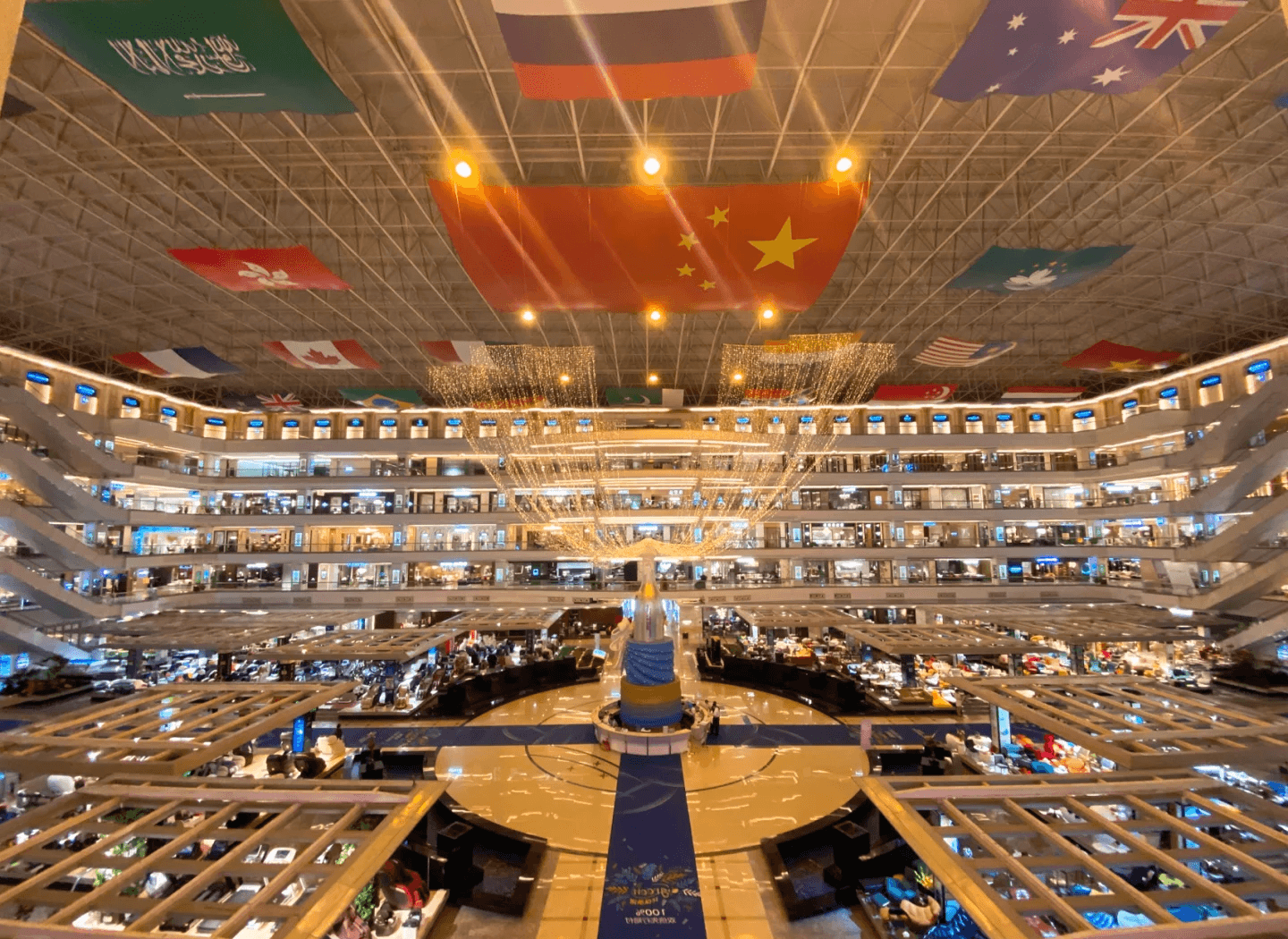

You have heard the numbers. A sofa that costs $6,000 at a local store might cost $800 from the factory in Foshan. The savings are real — but only if you plan the trip right. Flying to China without a plan is a quick way to waste money instead of saving it.
A well-planned china furniture sourcing trip saves time and money. You see quality first-hand. You negotiate in person. You build relationships with the people who actually make your furniture. This guide covers 6 steps to plan your china furniture sourcing trip and what to know before you go so you come back with orders, not regrets.
1. China Furniture Sourcing Trip: Why Plan Ahead
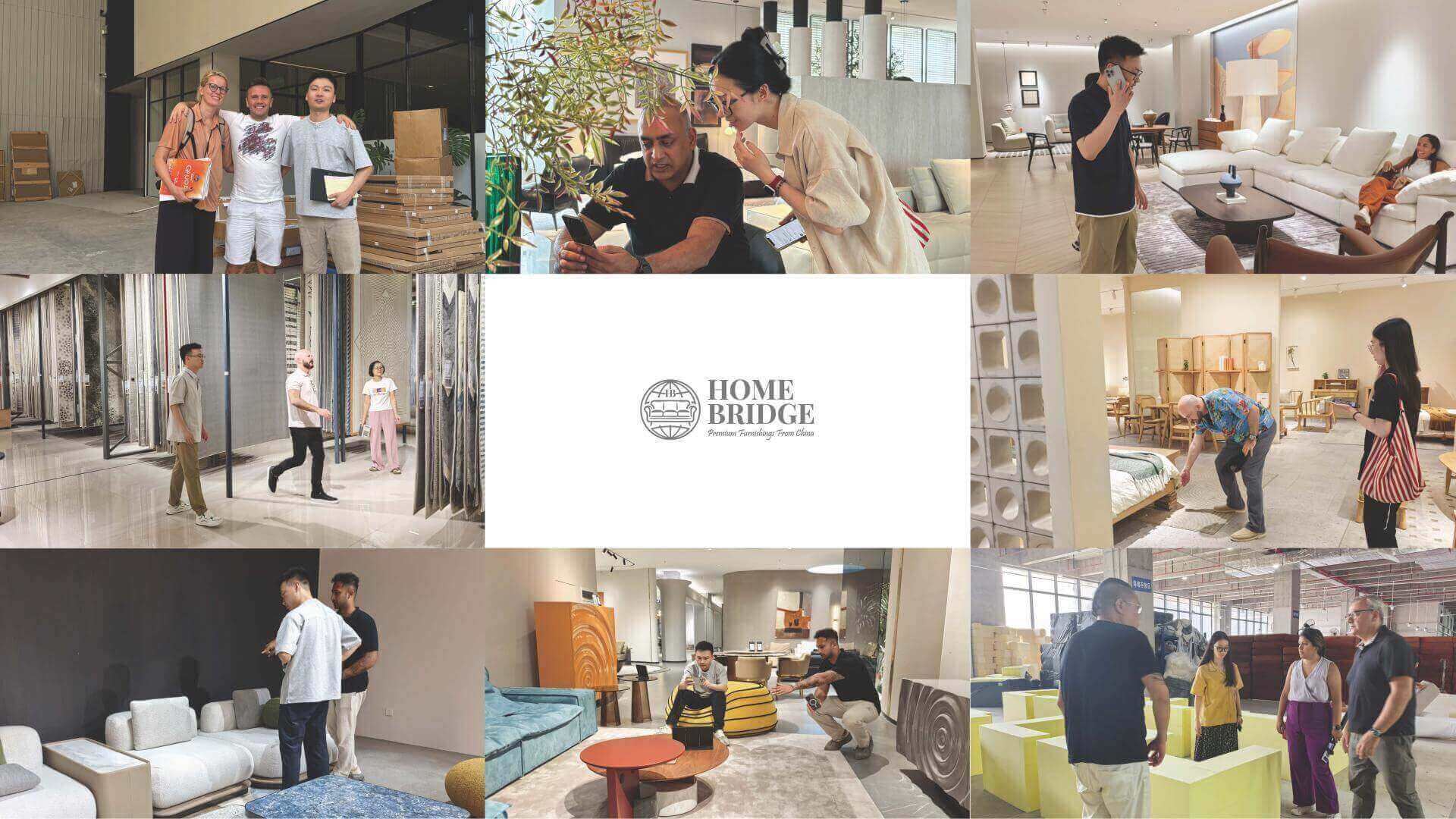
A planned trip beats random visits. Every time. Factories take you seriously when you show up prepared. You see the actual production line, not photos. You meet the people making your furniture, which matters when something goes wrong later.
Skip the plan and you waste days sitting in traffic between Foshan and Shunde. You visit factories that do not even make what you need. You leave without firm quotes because the sales manager was out. Buyers who plan ahead visit 10 to 15 factories in 5 days. Buyers who wing it are lucky to see 3.
2. 6 Steps to Plan Your China Furniture Sourcing Trip
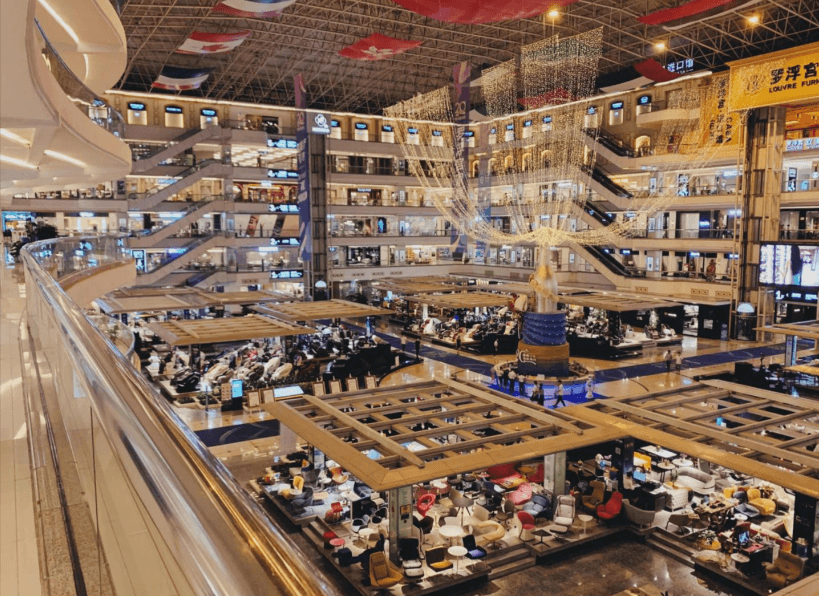
These six steps cover everything from the moment you decide to go until the container leaves the factory.
Step 1: Define Your Sourcing Goals Before You Book
Know what you want before you buy a ticket. Write a list. Products, quantities, target prices, quality standards. Residential projects need different factories than commercial ones. A hotel chain ordering 500 beds is not looking for the same supplier as a homeowner furnishing a villa.
This list decides where you go, where you stay, and how many days you need. A buyer with a clear list can cover 4 factories per day. A buyer who says "I will know it when I see it" wastes half the trip browsing showrooms.
Step 2: Choose the Right Time to Visit
March to May and September to November are your best windows. Weather is comfortable. Factories are running full.
Avoid Chinese New Year (January or February). Most factories shut down for two to four weeks. Avoid Golden Week (October 1 to 7) — the whole country travels. April and October are also Canton Fair months in Guangzhou. This is when factories bring their best staff and showcase new products.
Step 3: Book Factory Appointments in Advance
Do not show up unannounced. Contact suppliers two to three weeks before your trip. Send your product list and spec sheet so they can prepare samples and pricing.
Ask who will meet you. Ask if they speak English. Ask if they offer a factory tour or just a showroom visit. A real factory tour shows you production quality. A showroom visit shows you marketing.
Here is what happens when you plan ahead. A buyer from Australia booked 12 factory visits in 5 days before his trip. Each factory had samples ready, pricing done, and the production manager available. He placed orders with 4 factories and was back home in a week. Meanwhile, another buyer he met in Foshan showed up cold. He spent the first two days calling factories from his hotel lobby. He visited 3 factories in 5 days and left without a single order.
Step 4: Prepare Your Tools and Documents
Bring the right gear and you make better decisions on the spot.
- Sample swatches of materials and finishes you need to match
- A spec sheet per product with dimensions, materials, and quantities
- A tape measure and digital caliper to check sizes on site
- A notebook for prices, lead times, and impressions
- Business cards. Chinese factory owners exchange cards at every meeting
- A power bank. Your phone dies fast from taking photos all day
Step 5: Plan Your Foshan/Shunde Itinerary
Foshan is the furniture capital of the world. The Lecong Furniture Market alone has over 10,000 showrooms. Shunde is the center for upholstered furniture — sofas, dining chairs, anything with fabric.
Plan by category. One day on sofas in Shunde. One day on dining and bedroom in Lecong. One day on lighting in Zhongshan, 30 minutes away. Use a local driver or sourcing agent to get around. Traffic is bad and parking is worse.
A good rhythm: visit showrooms in the morning to shortlist suppliers, then tour the factory floor in the afternoon to check quality. You cover more ground without burning out.
Step 6: Arrange Payment, Inspection, and Shipping on Site
Use your time in China to negotiate face to face. Standard payment is 30% deposit, 70% before shipping. But you can often do better in person. Some factories accept 30-30-40 across production milestones if you ask.
Schedule the pre-shipment inspection before you leave. It happens about 3 to 4 weeks after you place the order. Confirm the FOB price includes loading at the port. Ask the factory for freight forwarder recommendations or use your own.
Here is a real example. A buyer from the UK was quoted $12,000 for a container of dining chairs over email. When he visited the factory and sat down with the owner, he negotiated it down to $9,600. Just by talking about a long-term partnership. That 20% saving covered his entire trip.
3. What to Know Before You Go

A successful trip depends on more than just knowing what you want.
- Visa: Apply for an L (tourist) visa at least 3 weeks ahead. A multiple-entry visa runs about $140 and is valid for 10 years for US passport holders
- Interpreters: Most export factories have English-speaking sales staff. For detailed technical talks, hire one. Rates run $200 to $400 per day
- Business etiquette: Accept business cards with both hands. Address factory owners by their title. Discuss concerns privately, not in front of their team
- Payment: Set up Alipay or WeChat Pay before you arrive. Cash is rare in Chinese cities
- Hotels: Stay near Lecong Furniture Market or in Foshan city center. The InterContinental and Hilton are popular with sourcing buyers
4. How Does HomeBridge Help You Import Furniture and Building Materials from China?
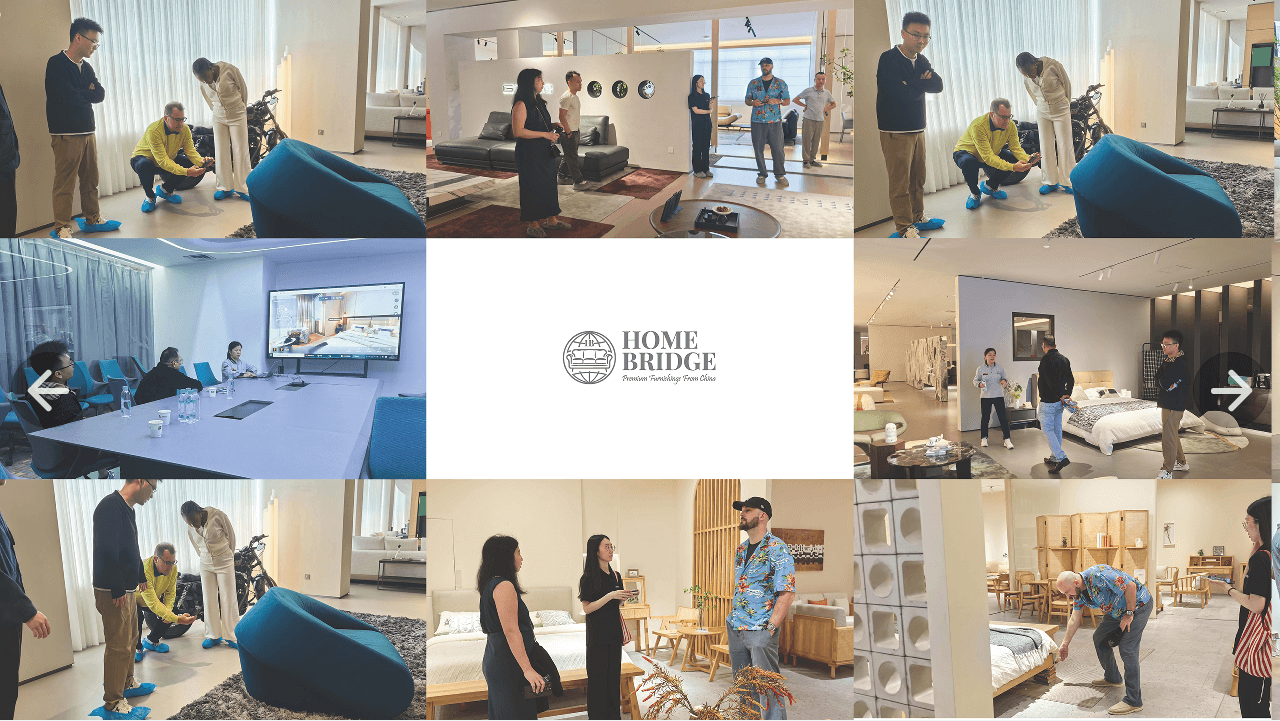
If planning a full sourcing trip feels overwhelming, HomeBridge can help. We connect you with vetted Chinese furniture manufacturers and manage everything so you do not have to go it alone.
- Direct factory pricing on sofas, bedroom sets, dining furniture, and commercial furniture
- Pre-shipment quality control inspections on every order
- Customs documentation and tariff management
- Freight and logistics from factory to your door
- Factory vetting so you skip the unreliable suppliers
Contact us to discuss your next project.
5. Frequently Asked Questions
1) Why should I visit China for furniture sourcing?
Visiting lets you see quality first-hand. Photos hide defects. A factory tour shows you the real production process. You also build relationships with factory owners, which leads to better pricing and priority treatment.
In one trip you can visit dozens of showrooms in a single area. That would take weeks of driving in most countries. Pricing you negotiate in person is almost always better than what you get over email.
2) How long should a furniture sourcing trip be?
Most buyers spend 5 to 7 days in Foshan. That is enough for 10 to 15 factories, comparing pricing, and placing orders. Add 2 to 3 days if you plan to attend the Canton Fair in Guangzhou.
3) Which city in China is best for furniture sourcing?
Foshan. Specifically Lecong for all furniture categories and Shunde for upholstered furniture. Zhongshan is nearby for lighting and decor. Together they cover everything you need for a complete project.
4) Can I source furniture from China without visiting?
Yes. Many buyers work remotely with sourcing agents for factory matching, negotiation, QC, and shipping. This works well for smaller orders or repeat purchases.
But visiting gives you an edge. You see quality firsthand. You build relationships. You negotiate better prices. For orders over $10,000, the trip usually pays for itself.
5) How much does a furniture sourcing trip cost?
A 7-day trip runs about $2,500 to $4,000 including flights from the US, hotel, meals, and an interpreter. Flights are $800 to $1,500 round trip. Hotels run $80 to $150 per night. Interpreters cost $200 to $400 per day.
Most buyers find that in-person savings cover the entire trip. One container of furniture can save $5,000 to $10,000 compared to buying locally.
6) Do I need an interpreter for factory visits?
Most export factories have English-speaking sales staff. You can handle basic conversations without one. For detailed technical discussions about materials or customization, a professional interpreter helps avoid costly mistakes.
7) What is the best time of year to visit Foshan?
March to May and September to November. Weather is pleasant and factories are fully running. Avoid Chinese New Year (January or February) when factories close for 2 to 4 weeks. Also avoid Golden Week (October 1 to 7).
6. Conclusion
Most guides tell you buying furniture from China is cheaper. They skip the actual planning. When to go. How to book factories. What to bring. How to negotiate in person. Those details make the difference between a trip that saves you money and one that wastes it.
Plan your goals before you book. Pick the right season. Book factory visits early. Bring the right tools. Plan your days by zone. Negotiate payment and inspection on site. Do these things and your china furniture sourcing trip will save you real money and get you furniture you actually want.
If you want help planning your first trip, HomeBridge connects you with vetted Chinese manufacturers and handles the logistics. Reach out to start your next project.
.svg)







.svg)
.svg)


