

Which Factor Affects Furniture Supply the Most? A 2026 Guide

Which Factor Affects Furniture Supply the Most? A 2026 Guide
Author-Image
Last Update:  
June 24, 2026

A furniture store near you just got word that their dining tables are delayed again. Three months of waiting, and the manufacturer says they are ready. The problem is getting them here. This exact scene is playing out at furniture businesses across the country right now.

Which factor most directly affects a furniture company's supply is raw material availability, no question. No wood, no foam, no fabric means nothing gets made. But in 2026, supply chains are getting squeezed from every direction. Labor shortages, shipping bottlenecks, tariffs, and seasonal demand all at once. This guide covers the 6 key factors that affect a furniture company's supply and how raw material availability impacts every furniture business so you know exactly what to watch for.

1. Which Factor Affects Furniture Supply the Most?
which factor most directly affects a furniture company's supply​
Furniture Factory

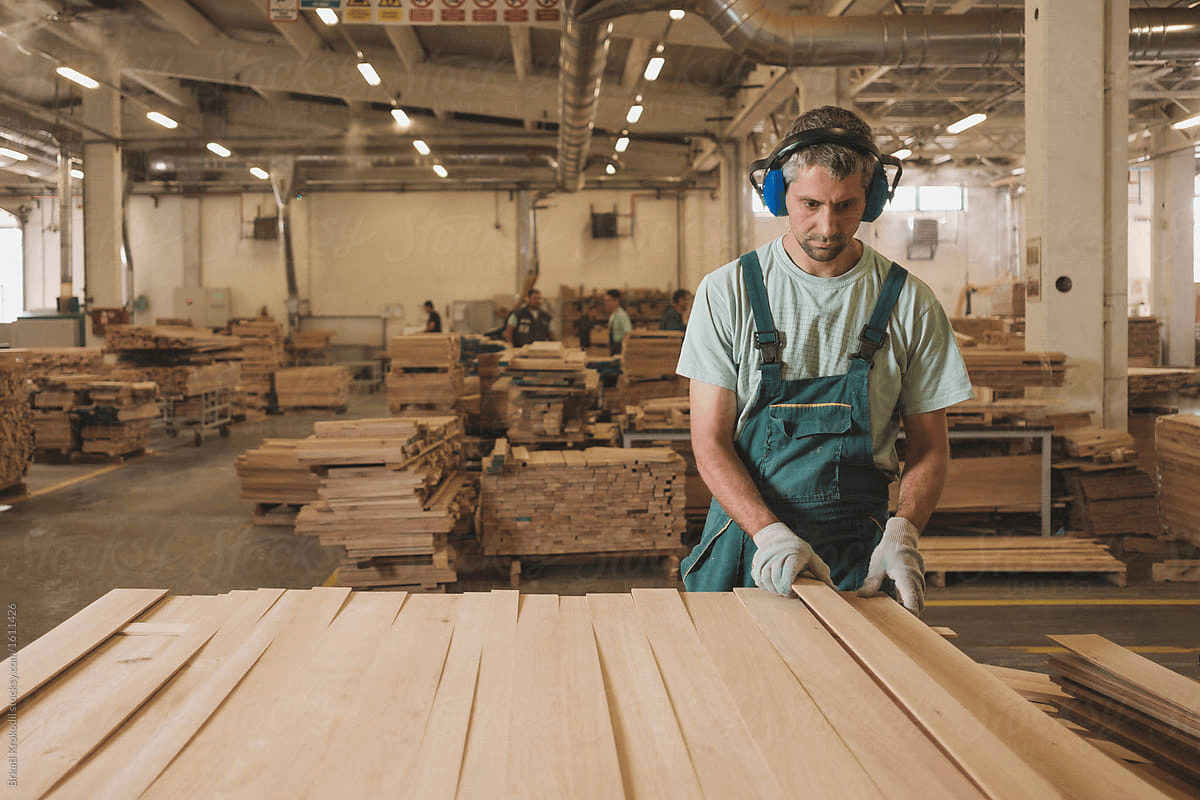
The single most direct factor is raw material availability. Furniture needs wood, metal, foam, fabric, and hardware. If any of these get scarce or expensive, production slows down or stops. Timber prices in 2026 are still shaky after the post-pandemic supply crunch. Foam prices move with oil prices. Fabric depends on global textile production. When raw materials get tight, furniture companies cannot make their products no matter how much demand exists. That is why raw material availability is the foundation everything else builds on.

2. 6 Key Factors That Affect a Furniture Company's Supply
which factor most directly affects a furniture company's supply​
Furniture Factory

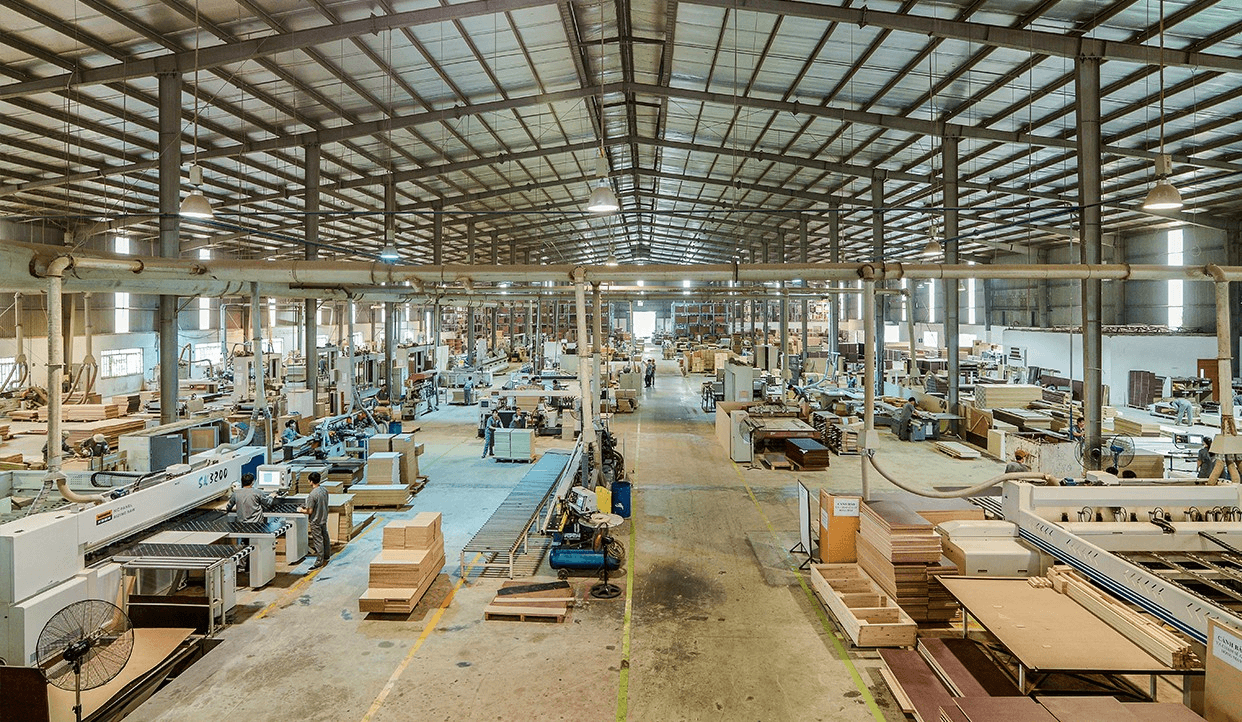
Supply chains are complicated. These six factors cover the biggest influences on furniture supply in 2026.

Factor 1: Raw Material Availability

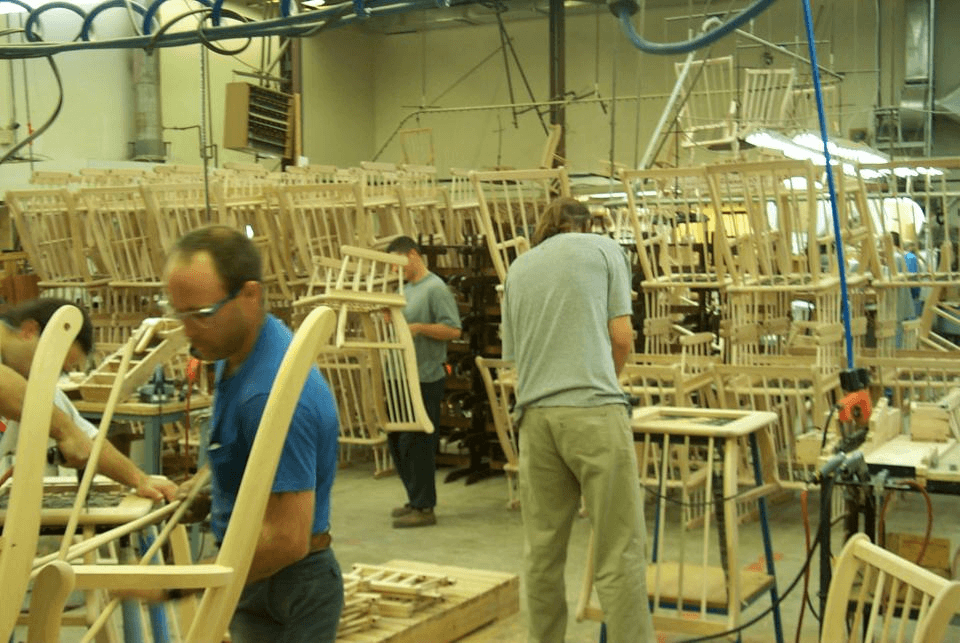
Raw materials are the biggest bottleneck. Hardwood prices in the US have swung wildly since 2020. Oak and maple went up 30% to 50% during the pandemic and have not fully settled. Pine lumber is more stable but still tied to housing market demand. Foam comes from polyurethane, which comes from crude oil. Oil goes up, foam goes up. Fabric supply depends on global cotton production and synthetic textile manufacturing in China and India. A shortage in any of these can delay production by weeks or months. Companies that work with multiple material suppliers handle disruptions better than those who rely on one source.

Factor 2: Labor and Manufacturing Capacity

Furniture manufacturing needs skilled workers. Carpenters, upholsterers, finishers, quality inspectors. These are not easy to find. The US furniture industry has been short on labor since 2021. Skilled woodworkers are retiring faster than new ones come in. Overseas factories have their own issues. Chinese furniture manufacturers have seen wages go up 10% to 15% per year in major manufacturing regions. Higher labor costs mean higher prices. Factory capacity matters too. During peak seasons, factories run full and lead times stretch from 30 days to 90 days or more.

Factor 3: Shipping and Logistics Costs

Shipping costs hit furniture supply hard because furniture is bulky and expensive to move. A standard container from China to the US West Coast cost about $1,500 before the pandemic. In 2021, that same container hit over $20,000. In 2026, rates have settled to around $2,500 to $4,000 depending on the route. Port congestion adds another layer. The ports of Los Angeles and Long Beach handle about 40% of all US container imports. When they back up, furniture sits on ships waiting to unload. One importer had bedroom sets sitting at anchor off California for 18 days. That pushed delivery from mid-November to mid-December. Missed the holiday sales window entirely.

Factor 4: Government Regulations and Tariffs

Regulations affect what you can import and how much it costs. The Lacey Act requires importers to declare the wood species and country of origin for any wood in their products. This hits furniture made from tropical hardwoods like mahogany, teak, and rosewood. Companies without proper documentation face fines and seized shipments. Tariffs on Chinese furniture have been in place since the Trump administration. Most wooden furniture from China faces a 25% tariff. Some categories get additional Section 301 tariffs on top of that. A dining set that costs $1,000 at the factory might have $250 in tariffs before it reaches US soil. That cost gets passed to the buyer.

Factor 5: Seasonal Demand Fluctuations

Furniture demand runs on a seasonal calendar. Spring and early summer are the busiest. Consumers buy outdoor furniture, redecorate, and prepare for summer moving season. Fall picks up again with holiday shopping. Manufacturers plan around these cycles, but unexpected demand spikes cause shortages. A retailer who ordered patio sets in March for May delivery might find the factory already booked for the season. Lead times for popular categories during peak seasons can stretch to 12 to 16 weeks.

Factor 6: Geopolitical and Economic Conditions

Global events disrupt supply chains in ways nobody sees coming. Trade tensions between the US and China create uncertainty around tariffs. Currency shifts affect the real cost of imported furniture. A weaker dollar makes Chinese furniture more expensive for US buyers. The pandemic showed how fast supply chains can break. One factory shutdown in Vietnam caused a global shortage of upholstered furniture that lasted 18 months. In 2026, the biggest risks are further trade restrictions and potential disruptions in South China Sea shipping routes.

3. How Raw Material Availability Impacts Every Furniture Business
which factor most directly affects a furniture company's supply​
Furniture Factory

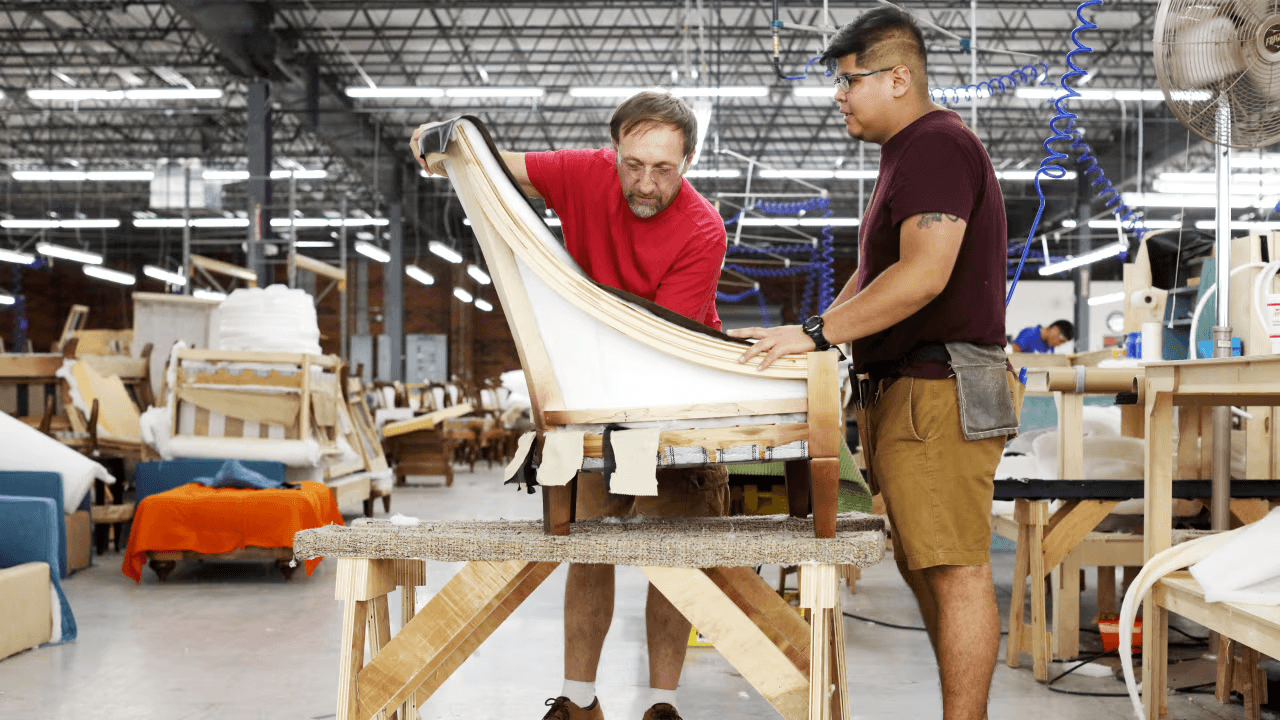
Raw material availability is the factor everything else depends on. If a factory cannot get wood, it does not matter how much labor or shipping capacity exists. The line stops. That is why furniture companies track timber futures, watch oil prices for foam costs, and keep multiple fabric suppliers. A manufacturer that relies on a single lumber supplier risks shutting down if that supplier has a bad season. The most resilient furniture businesses in 2026 are the ones that have invested in supplier relationships, material forecasting, and flexible production.

4. How Does HomeBridge Help You Navigate Furniture Supply Challenges?

which factor most directly affects a furniture company's supply​
HomeBridge Furniture Company

If supply chain complexity is slowing your business down, HomeBridge can help. We connect you with vetted Chinese manufacturers who have reliable material access and stable production capacity.

  • Direct factory relationships with manufacturers who maintain strong supply chains
  • Quality control inspections before your order ships
  • Customs documentation and tariff management support
  • Freight and logistics from factory to your door
  • Flexible order quantities for commercial and bulk buyers

We handle the supply chain so you get consistent quality and reliable delivery. Contact us to discuss your next project.

5. Frequently Asked Questions

1) What is the most important factor in furniture supply?

Raw material availability. Without wood, foam, fabric, and hardware, nothing gets made. Labor, shipping, and tariffs only matter if the raw materials are available first.

2) How do tariffs affect furniture supply?

Tariffs raise the cost of imported furniture. Chinese furniture faces a 25% tariff, which adds hundreds of dollars per piece. Higher costs mean importers order less and manufacturers produce less for the US market.

3) Why is furniture so expensive in 2026?

Raw material costs, labor shortages, shipping costs, and tariffs all add up. Timber prices are still volatile. Labor costs in China have risen 10% to 15% per year. Container shipping costs more than before the pandemic. Combined, these factors have pushed retail prices up 30% to 50% since 2020.

4) How does the Lacey Act affect furniture imports?

Importers must declare the wood species and country of origin for any wood in their products. Shipments without legal harvest proof get seized. The importer faces fines. This mainly affects furniture made from tropical hardwoods.

5) What raw materials are used in furniture manufacturing?

Wood (hardwood and softwood), metal (steel, aluminum), foam (polyurethane), fabric (cotton, polyester, linen), and hardware (screws, brackets, drawer slides). Each has its own supply risks.

6) How long does it take to ship furniture from China?

Sea freight takes 25 to 40 days depending on the port. Production adds 30 to 60 days. Total lead time from order to delivery is typically 8 to 16 weeks depending on factory capacity.

7) Can furniture companies control supply chain costs?

Partially. Diversifying suppliers, ordering in bulk, and planning around seasonal demand help. Companies cannot control global timber prices, oil prices, or tariffs, but they can build supply chains that absorb shocks better.

6. Conclusion

Furniture supply comes down to raw materials first. Then everything else. Without wood, foam, and fabric, nothing gets made. Labor, shipping, tariffs, and seasonal demand all matter, but they are secondary to whether the materials are available. In 2026, the companies that do best are the ones that diversify material sources, build strong supplier relationships, and plan for disruptions before they happen.

If you want a furniture supply chain that is reliable and cost-effective, HomeBridge connects you with Chinese manufacturers who have stable material access and proven production capacity. Contact us to learn more.

Explore Furniture Solutions with HomeBridge
Contact us for One-stop Professional Furniture Purchaisng Solution!
By clicking the button, you consent to the processing of personal data

Thank you!

Your message has been received.
Oops! Something went wrong while submitting the form.

A furniture store near you just got word that their dining tables are delayed again. Three months of waiting, and the manufacturer says they are ready. The problem is getting them here. This exact scene is playing out at furniture businesses across the country right now.

Which factor most directly affects a furniture company's supply is raw material availability, no question. No wood, no foam, no fabric means nothing gets made. But in 2026, supply chains are getting squeezed from every direction. Labor shortages, shipping bottlenecks, tariffs, and seasonal demand all at once. This guide covers the 6 key factors that affect a furniture company's supply and how raw material availability impacts every furniture business so you know exactly what to watch for.

1. Which Factor Affects Furniture Supply the Most?

which factor most directly affects a furniture company's supply​
Furniture Factory

The single most direct factor is raw material availability. Furniture needs wood, metal, foam, fabric, and hardware. If any of these get scarce or expensive, production slows down or stops. Timber prices in 2026 are still shaky after the post-pandemic supply crunch. Foam prices move with oil prices. Fabric depends on global textile production. When raw materials get tight, furniture companies cannot make their products no matter how much demand exists. That is why raw material availability is the foundation everything else builds on.

2. 6 Key Factors That Affect a Furniture Company's Supply

which factor most directly affects a furniture company's supply​
Furniture Factory

Supply chains are complicated. These six factors cover the biggest influences on furniture supply in 2026.

Factor 1: Raw Material Availability

Raw materials are the biggest bottleneck. Hardwood prices in the US have swung wildly since 2020. Oak and maple went up 30% to 50% during the pandemic and have not fully settled. Pine lumber is more stable but still tied to housing market demand. Foam comes from polyurethane, which comes from crude oil. Oil goes up, foam goes up. Fabric supply depends on global cotton production and synthetic textile manufacturing in China and India. A shortage in any of these can delay production by weeks or months. Companies that work with multiple material suppliers handle disruptions better than those who rely on one source.

Factor 2: Labor and Manufacturing Capacity

Furniture manufacturing needs skilled workers. Carpenters, upholsterers, finishers, quality inspectors. These are not easy to find. The US furniture industry has been short on labor since 2021. Skilled woodworkers are retiring faster than new ones come in. Overseas factories have their own issues. Chinese furniture manufacturers have seen wages go up 10% to 15% per year in major manufacturing regions. Higher labor costs mean higher prices. Factory capacity matters too. During peak seasons, factories run full and lead times stretch from 30 days to 90 days or more.

Factor 3: Shipping and Logistics Costs

Shipping costs hit furniture supply hard because furniture is bulky and expensive to move. A standard container from China to the US West Coast cost about $1,500 before the pandemic. In 2021, that same container hit over $20,000. In 2026, rates have settled to around $2,500 to $4,000 depending on the route. Port congestion adds another layer. The ports of Los Angeles and Long Beach handle about 40% of all US container imports. When they back up, furniture sits on ships waiting to unload. One importer had bedroom sets sitting at anchor off California for 18 days. That pushed delivery from mid-November to mid-December. Missed the holiday sales window entirely.

Factor 4: Government Regulations and Tariffs

Regulations affect what you can import and how much it costs. The Lacey Act requires importers to declare the wood species and country of origin for any wood in their products. This hits furniture made from tropical hardwoods like mahogany, teak, and rosewood. Companies without proper documentation face fines and seized shipments. Tariffs on Chinese furniture have been in place since the Trump administration. Most wooden furniture from China faces a 25% tariff. Some categories get additional Section 301 tariffs on top of that. A dining set that costs $1,000 at the factory might have $250 in tariffs before it reaches US soil. That cost gets passed to the buyer.

Factor 5: Seasonal Demand Fluctuations

Furniture demand runs on a seasonal calendar. Spring and early summer are the busiest. Consumers buy outdoor furniture, redecorate, and prepare for summer moving season. Fall picks up again with holiday shopping. Manufacturers plan around these cycles, but unexpected demand spikes cause shortages. A retailer who ordered patio sets in March for May delivery might find the factory already booked for the season. Lead times for popular categories during peak seasons can stretch to 12 to 16 weeks.

Factor 6: Geopolitical and Economic Conditions

Global events disrupt supply chains in ways nobody sees coming. Trade tensions between the US and China create uncertainty around tariffs. Currency shifts affect the real cost of imported furniture. A weaker dollar makes Chinese furniture more expensive for US buyers. The pandemic showed how fast supply chains can break. One factory shutdown in Vietnam caused a global shortage of upholstered furniture that lasted 18 months. In 2026, the biggest risks are further trade restrictions and potential disruptions in South China Sea shipping routes.

3. How Raw Material Availability Impacts Every Furniture Business

which factor most directly affects a furniture company's supply​
Furniture Factory

Raw material availability is the factor everything else depends on. If a factory cannot get wood, it does not matter how much labor or shipping capacity exists. The line stops. That is why furniture companies track timber futures, watch oil prices for foam costs, and keep multiple fabric suppliers. A manufacturer that relies on a single lumber supplier risks shutting down if that supplier has a bad season. The most resilient furniture businesses in 2026 are the ones that have invested in supplier relationships, material forecasting, and flexible production.

4. How Does HomeBridge Help You Navigate Furniture Supply Challenges?

which factor most directly affects a furniture company's supply​
HomeBridge Furniture Company

If supply chain complexity is slowing your business down, HomeBridge can help. We connect you with vetted Chinese manufacturers who have reliable material access and stable production capacity.

  • Direct factory relationships with manufacturers who maintain strong supply chains
  • Quality control inspections before your order ships
  • Customs documentation and tariff management support
  • Freight and logistics from factory to your door
  • Flexible order quantities for commercial and bulk buyers

We handle the supply chain so you get consistent quality and reliable delivery. Contact us to discuss your next project.

5. Frequently Asked Questions

1) What is the most important factor in furniture supply?

Raw material availability. Without wood, foam, fabric, and hardware, nothing gets made. Labor, shipping, and tariffs only matter if the raw materials are available first.

2) How do tariffs affect furniture supply?

Tariffs raise the cost of imported furniture. Chinese furniture faces a 25% tariff, which adds hundreds of dollars per piece. Higher costs mean importers order less and manufacturers produce less for the US market.

3) Why is furniture so expensive in 2026?

Raw material costs, labor shortages, shipping costs, and tariffs all add up. Timber prices are still volatile. Labor costs in China have risen 10% to 15% per year. Container shipping costs more than before the pandemic. Combined, these factors have pushed retail prices up 30% to 50% since 2020.

4) How does the Lacey Act affect furniture imports?

Importers must declare the wood species and country of origin for any wood in their products. Shipments without legal harvest proof get seized. The importer faces fines. This mainly affects furniture made from tropical hardwoods.

5) What raw materials are used in furniture manufacturing?

Wood (hardwood and softwood), metal (steel, aluminum), foam (polyurethane), fabric (cotton, polyester, linen), and hardware (screws, brackets, drawer slides). Each has its own supply risks.

6) How long does it take to ship furniture from China?

Sea freight takes 25 to 40 days depending on the port. Production adds 30 to 60 days. Total lead time from order to delivery is typically 8 to 16 weeks depending on factory capacity.

7) Can furniture companies control supply chain costs?

Partially. Diversifying suppliers, ordering in bulk, and planning around seasonal demand help. Companies cannot control global timber prices, oil prices, or tariffs, but they can build supply chains that absorb shocks better.

6. Conclusion

Furniture supply comes down to raw materials first. Then everything else. Without wood, foam, and fabric, nothing gets made. Labor, shipping, tariffs, and seasonal demand all matter, but they are secondary to whether the materials are available. In 2026, the companies that do best are the ones that diversify material sources, build strong supplier relationships, and plan for disruptions before they happen.

If you want a furniture supply chain that is reliable and cost-effective, HomeBridge connects you with Chinese manufacturers who have stable material access and proven production capacity. Contact us to learn more.