


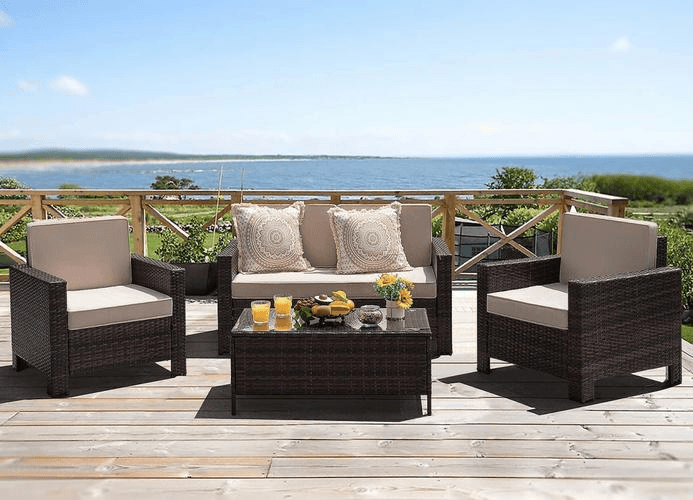
Outdoor furniture is a different game. It sits in the sun, rain, and salt air for years. A cheap aluminum frame that looks fine in a showroom can rust through in 18 months by the coast. A fabric that looks great indoors can fade to gray in one summer. These are the kind of mistakes a good sourcing agent helps you avoid.
A sourcing agent china outdoor furniture specialist does more than find factories. They know materials. They understand testing standards. They catch problems before they ship. This guide covers 6 steps to buy outdoor furniture through a sourcing agent so your first order is not your last.
1. Outdoor Furniture Sourcing Agent: What They Do

A sourcing agent is your local rep in China. They find factories that match your product. They negotiate pricing and payment terms. They arrange samples, inspect quality, and coordinate shipping. For outdoor furniture, a good agent also knows which materials last and which do not.
Outdoor furniture needs specialized knowledge. Aluminum wall thickness matters. PE rattan grade matters. UV ratings and salt spray results matter. An agent who has handled outdoor furniture before knows these specs by instinct. A generalist checks if the product looks right, which is not enough.
2. 6 Steps to Buy Outdoor Furniture Through a Sourcing Agent

These six steps take you from defining your needs to receiving your container.
Step 1: Define Your Outdoor Furniture Requirements
Know what you want before you contact any agent. Write a spec sheet covering materials, dimensions, and quality. For outdoor furniture, the spec sheet matters more because the stakes are higher.
Include frame material and minimum wall thickness. Aluminum should specify 1.2 mm for residential or 1.6 to 2.0 mm for commercial. Include fabric type (solution-dyed acrylic for commercial, olefin for residential) and the UV hours rating. Include finish type (powder coated, wood grain, textured) and corrosion resistance requirements. A detailed spec sheet is the difference between getting what you want and getting whatever the factory decides to make.
Step 2: Shortlist and Vet Sourcing Agents
Not all sourcing agents know outdoor furniture. A generalist who sources electronics may not know PE rattan grades. Look for agents who list outdoor furniture as a specialty.
Ask for client references from outdoor furniture projects. Request case studies. Ask how many outdoor orders they handled last year. A good agent can name specific factories for aluminum frames, teak, and PE rattan. They know which factories in Foshan and Ningbo specialize in outdoor production.
Here is a real example. A US buyer vetted five agents for an outdoor order. Three were generalists who said they could handle it. Two specialized in outdoor and garden products. He went with a specialist, who caught a framing error on the first quote that the generalists missed entirely. That single catch saved the buyer roughly 30% in returns and replacements.
Step 3: Share Specs and Get Quotes
Once you have 2 to 3 shortlisted agents, share your spec sheet and ask for quotes. Compare not just the price but the factory recommendations. An agent who recommends a factory that has made your product before is more valuable than one who recommends a factory that will figure it out.
Ask each agent to include factory names, MOQ, lead time, and sample policy. If an agent is vague about factory details, that is a red flag.
Step 4: Review Samples and Factory Quality
The agent arranges samples from shortlisted factories. This is where real evaluation happens. Check the frame construction — are welds smooth or rough? Check the powder coating — even or thin spots? Check the fabric — does it match the UV rating? Check the assembly — do parts fit?
Your agent should visit the factory floor. They check equipment, workforce size, past orders, and export experience. A proper audit catches problems before any deposit is paid.
Here is a real example. A buyer from Australia requested 1.6 mm aluminum wall thickness for outdoor dining chairs. The sample looked correct. But when the agent measured the frame with a caliper at the factory, it was 1.0 mm. The factory used thinner grade to save cost. Caught before production. The buyer would have received chairs that bent under normal use within a year.
Step 5: Confirm Inspection and Testing
Outdoor furniture needs testing that indoor furniture does not. Your agent should arrange these before approving production.
Key tests include UV exposure testing for fabric (ISO 105-B02, target 2,000+ hours for commercial), salt spray testing for metal frames (ASTM B117, 500+ hours for coastal), weight load testing for chairs and loungers, and finish adhesion testing for powder-coated surfaces. An agent who knows these tests and includes them in QC is worth the fee.
Step 6: Arrange Shipping and Documentation
The agent coordinates shipping once goods pass inspection.
- Confirm FOB or CIF pricing and who handles each leg
- Book container space (FCL for large orders, LCL for smaller)
- Arrange fumigation certificate for wooden components
- Ensure proper packing for moisture protection during sea transit
- Prepare commercial invoice, packing list, bill of lading, certificate of origin
- Confirm customs clearance at destination port
3. How Much Does a Sourcing Agent Cost?

Agents charge three ways. Commission: 3% to 10% of order value, common for one-time orders. Fixed fee: $1,000 to $5,000 per project, better for large orders. Retainer: monthly fee for ongoing sourcing. Most outdoor furniture buyers start with commission and switch to retainer once the relationship is steady.
4. How Does HomeBridge Help You Import Furniture and Building Materials from China?
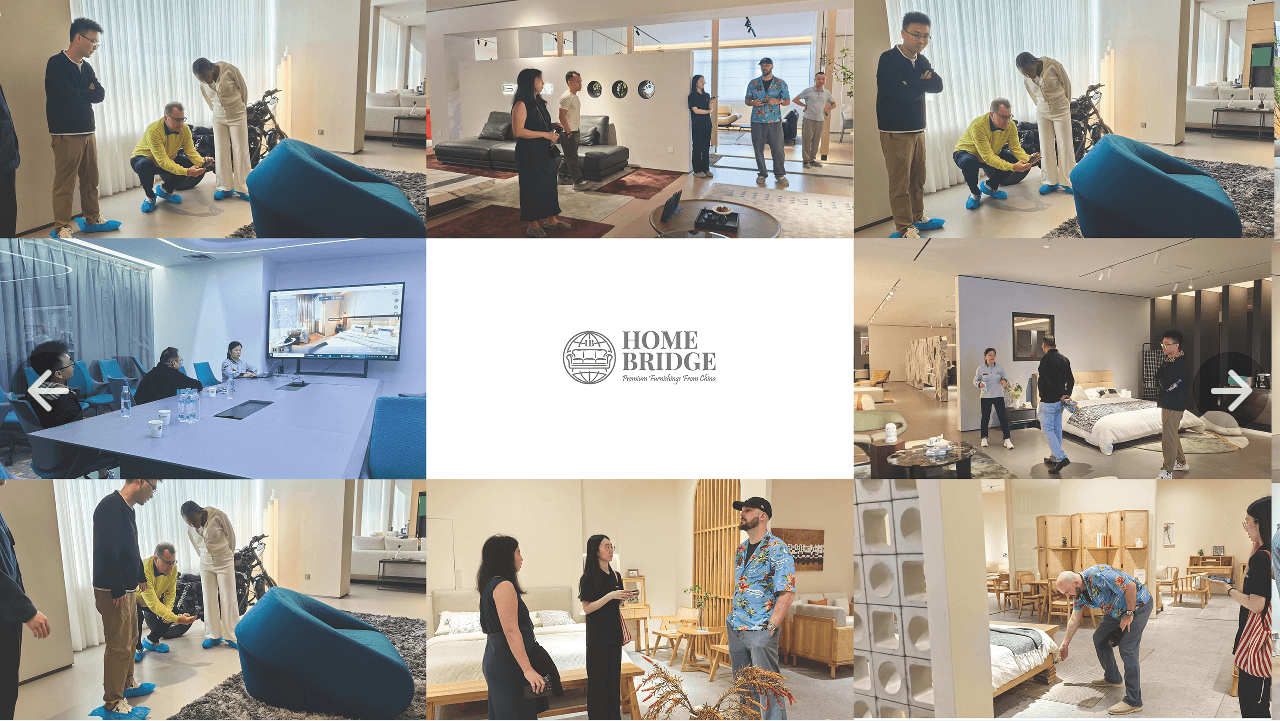
If a sourcing agent sounds like the right approach, HomeBridge can help. We connect you with vetted Chinese manufacturers and manage everything from factory selection to delivery.
- Direct factory pricing on sofas, bedroom sets, dining furniture, and commercial furniture
- Pre-shipment quality control inspections on every order
- Customs documentation and tariff management
- Freight and logistics from factory to your door
- Factory vetting so you skip the unreliable suppliers
Contact us to discuss your next project.
5. Frequently Asked Questions
1) What is a China sourcing agent for outdoor furniture?
A sourcing agent is your local rep in China who finds factories, negotiates pricing, arranges samples, conducts inspections, and coordinates shipping for outdoor furniture. They specialize in knowing which factories produce quality outdoor products and what testing standards matter.
An agent with outdoor experience understands the difference between commercial and residential grades. They know which questions to ask factories and which red flags to look for during inspections.
2) Should I use a sourcing agent or contact factories directly?
Contacting factories directly works if you have experience with Chinese suppliers and time to manage the process. A sourcing agent is better for first orders, or if you want someone on the ground to handle problems.
3) How much do China sourcing agents charge?
Most charge 3% to 10% of the order value. Some charge a flat fee of $1,000 to $5,000. Others work on monthly retainer. The percentage model is most common for first-time buyers. The fee is almost always worth it when you factor in the cost of receiving a bad container.
4) Can a sourcing agent help with outdoor furniture quality testing?
Yes. A good agent arranges UV testing for fabric, salt spray testing for metal frames, weight load testing, and finish adhesion testing. They visit the factory during production to catch issues early.
These tests matter more for outdoor than indoor furniture. Indoor mistakes are cosmetic. Outdoor mistakes lead to rust, rot, and fading that appear after the warranty period.
5) What should I look for in an outdoor furniture sourcing agent?
Look for an agent who can name specific outdoor factories, discuss material specs knowledgeably, and provide client references from outdoor projects. Avoid generalists who claim they can handle anything but cannot demonstrate outdoor-specific experience.
6) Do I need to visit China if I use a sourcing agent?
Not necessarily. Many buyers complete entire projects through their agent without visiting. The agent handles factory visits and inspections on your behalf.
That said, visiting once for a large order is still valuable. You build relationships and see the production line. Most buyers find the trip pays for itself in better pricing.
7) How long does it take to source outdoor furniture through an agent?
A typical timeline is 10 to 16 weeks. Factory matching and quoting takes 2 to 3 weeks. Sample production and approval takes 3 to 4 weeks. Bulk production takes 4 to 6 weeks. Shipping takes 3 to 6 weeks depending on the destination.
6. Conclusion
Most guides about buying furniture from China focus on indoor furniture. They skip the specific challenges of outdoor — UV exposure, salt spray, material grades, and the specialized knowledge required.
The difference between a successful outdoor order and a costly mistake comes down to working with someone who knows what they are doing. Define your requirements. Vet agents for outdoor experience. Review samples. Confirm testing. Ship with proper docs. Follow these steps and your sourcing agent china outdoor furniture order will arrive at the right quality for a fraction of local retail price.
If you want a sourcing partner who knows outdoor furniture, HomeBridge connects you with vetted Chinese manufacturers. Contact us to start your next project.
.svg)






.svg)
.svg)


