



Buying furniture from China can be a very smooth experience—but it can also come with challenges.
After all, shipping large furniture internationally involves multiple stages, including production, packaging, transportation, customs clearance, and delivery. Problems at any point can affect the overall experience.
The key is that once you understand the potential risks in advance, the entire sourcing process becomes much easier to control and manage.
1. Too Many Choices, Not Knowing How to Choose
China’s furniture market is enormous, especially in sourcing hubs like Foshan Lecong, which contains more than 180 furniture malls and tens of thousands of suppliers. For overseas buyers visiting for the first time, the scale alone can feel overwhelming.
In furniture sourcing, more choices do not always mean better choices. Different factories specialize in different products, styles, price levels, and delivery capabilities. Some suppliers are better for mass production, while others focus on high-end customization. Some showrooms look impressive in photos, but their craftsmanship may not be stable in reality. Some prices seem extremely low, but problems later appear in materials, packaging, or delivery schedules.
Within the industry, it is common for quotations on similar products to vary by 30%–60%. But the difference is not only profit margin—it often reflects the overall reliability of the supply chain behind the product.
Without local experience, buyers can easily spend days visiting showrooms while still struggling to determine which suppliers truly match their budget, style, and project requirements.
This is where Homebridge helps simplify the process. Before clients even arrive, the team can help pre-screen suppliers based on budget, floor plans, and style references, while also planning more targeted showroom and supplier routes. Instead of wandering through the market blindly, buyers can make decisions within a much clearer and more efficient sourcing framework.

2. Supplier Quality Varies Significantly
China has a huge number of furniture suppliers, but not every factory is suitable for international orders. Some manufacturers are more experienced with the domestic market and may not fully understand export packaging, English communication, international shipping requirements, or overseas quality expectations. Others may be strong in sales presentation but weaker in production follow-up and after-sales support.
For overseas buyers, the hardest part is usually not finding suppliers—it is identifying which suppliers are truly reliable. Two sofas that look nearly identical on the surface may use completely different wood structures, foam densities, or leather grades depending on the factory. Behind the price differences are often major differences in materials and craftsmanship.
If buyers focus only on low pricing, they may later encounter unstable quality, delayed lead times, or poor after-sales cooperation.
Homebridge understands the local furniture supply chain and can help match clients with 3–5 suitable source factories from its network of more than 95 partner manufacturers, based on the needs of each project. Our focus is not only on price, but also on whether the supplier has stable production capability and strong quality-control awareness—helping buyers avoid being influenced only by surface-level quotations.
3.The Photos Look Great, but the Real Product Feels Different
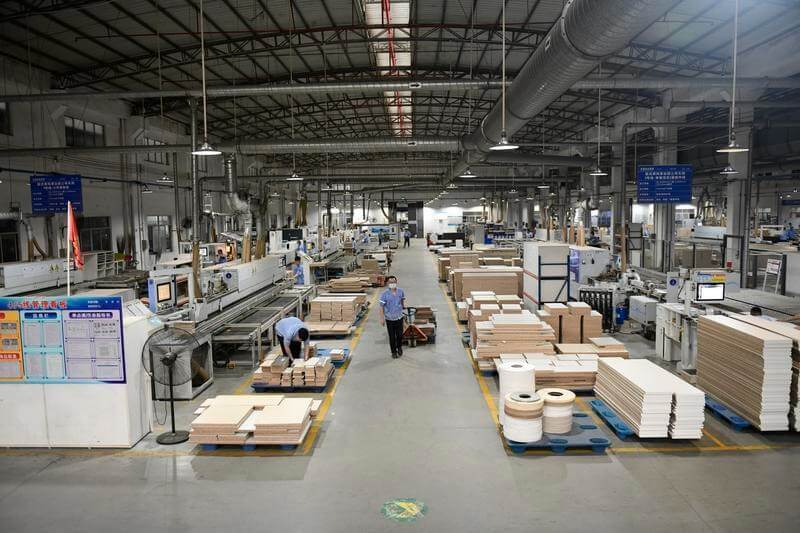
Most furniture sourcing from China begins with product images. But furniture is highly dependent on real physical experience—photos can show appearance, but they rarely fully reflect materials, comfort, finishes, hardware quality, or wood texture.
This is especially true for classic furniture, luxury furniture, and products with carvings or upholstery, where much of the value lies in craftsmanship details.
Some products may appear highly refined in photos, while the actual product reveals rough carving, heavy paint finishes, loose hardware, or awkward proportions. In full-home projects, even a few lower-quality pieces can affect the overall atmosphere of the space.
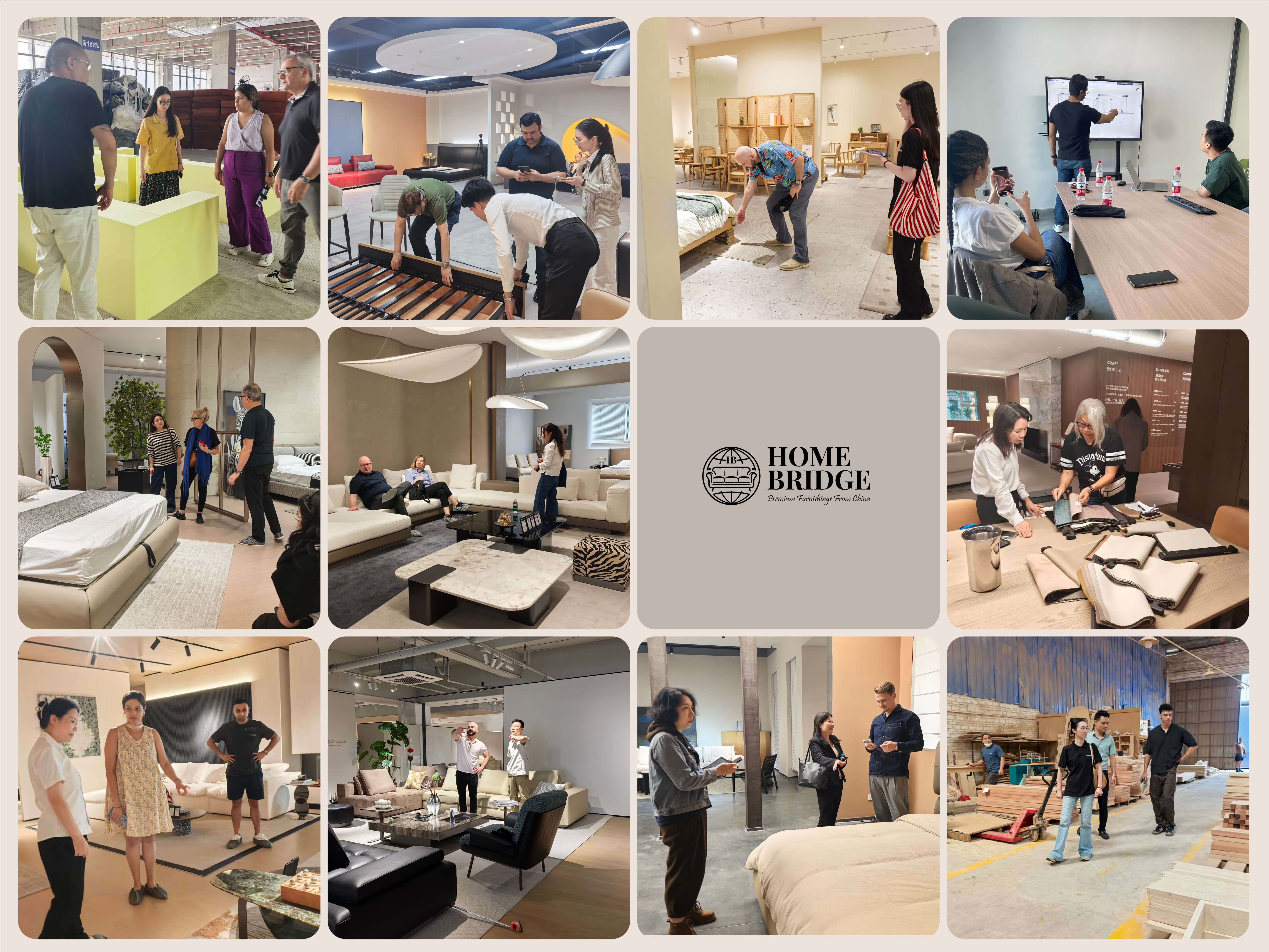
Homebridge can accompany clients to view products in person and help evaluate materials, craftsmanship, proportions, details, and overall coordination. For buyers unable to visit China directly, Homebridge can also assist with detailed on-site photos and video confirmations, helping clients make decisions based on a more realistic understanding rather than relying only on edited product images.

4. Lack of Transparency in Production Progress
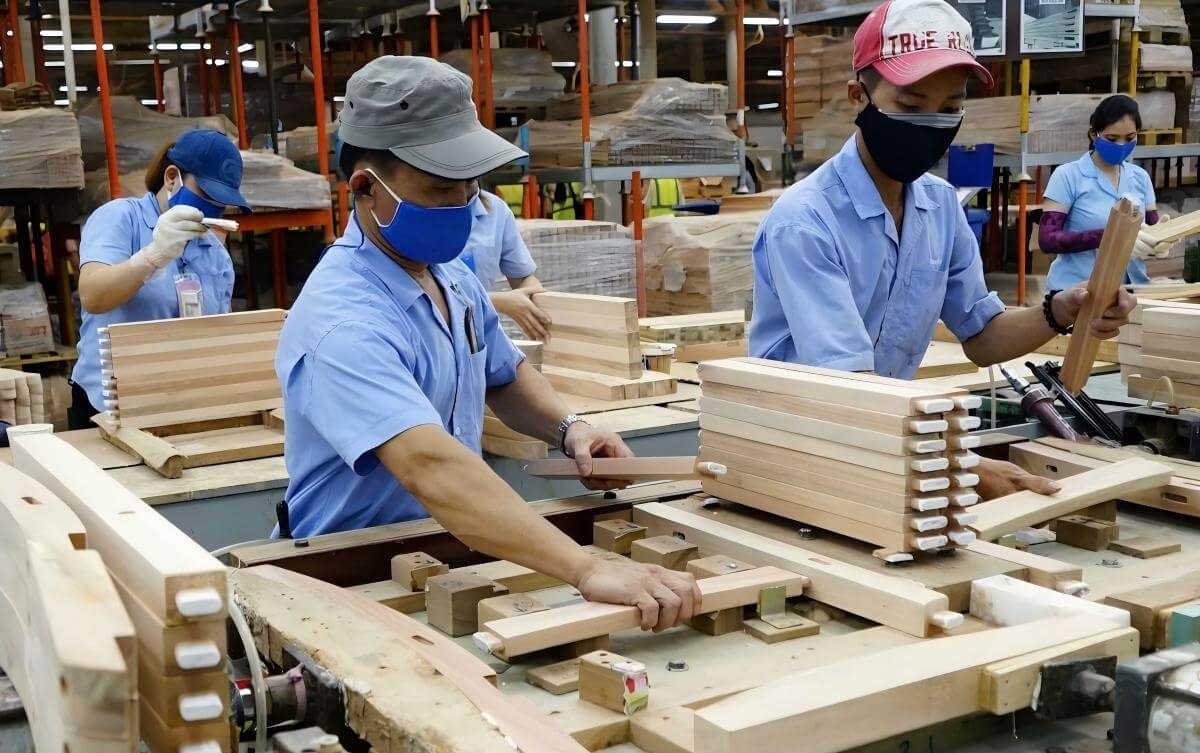
Furniture production takes time, especially for full-home projects or customized products. The process often involves woodworking, carving, painting, upholstery, and assembly. Delays in any stage can affect the final shipping schedule.
Many overseas buyers place orders and then simply wait for suppliers to provide updates. But without continuous follow-up, buyers may only discover near the shipping stage that production is incomplete, or that certain colors, materials, or dimensions were never fully confirmed.
For clients working around renovation schedules, opening dates, or project delivery deadlines, losing control of the timeline can create significant pressure.
Homebridge continues following the production process after the order is confirmed, rather than leaving clients waiting passively. We help monitor key milestones, identify potential delays early, and keep buyers better informed about the overall delivery schedule.
5. Logistics, Customs, and Delivery Can Be Complicated
Furniture shipping usually involves multiple stages, including export customs, ocean freight, destination clearance, taxes, and final delivery. For individual buyers without importing experience, the process can feel very complicated.
If trade terms are not clearly confirmed in advance—such as the responsibility differences between EXW, FOB, CIF, and DDP—it can easily lead to disputes over costs or delivery delays later. The coordination becomes even more difficult when shipments involve multiple suppliers or consolidated containers.
Homebridge helps clients simplify and coordinate the logistics process, especially by providing clearer DDP door-to-door solutions for overseas buyers.

6.Unclear Total Cost Structure
Many buyers focus only on the product price at the beginning. But when importing furniture from China, what truly matters is the total landed cost. Beyond the furniture price itself, buyers also need to consider domestic transportation, ocean freight, customs duties, destination port charges, and final delivery costs.
Some suppliers may appear cheaper at first, but their quotations may exclude warehouse delivery, export documentation support, or follow-up logistics coordination. Buyers often only realize these extra costs once shipping begins.
Furniture is a large-item category with high shipping volume and longer transportation cycles. If packaging and logistics costs are not properly calculated upfront, the final expenses can easily exceed the original budget.
Homebridge provides clients with a more complete cost structure—not only comparing factory quotations, but also evaluating the overall sourcing and delivery process together. For overseas buyers looking for a smoother experience, Homebridge can also help arrange DDP services, making the entire delivery process clearer and easier to manage.

7.After-Sales Support Can Become Difficult
One of the most overlooked parts of cross-border furniture sourcing is after-sales support.
If products arrive damaged, missing parts, or installation issues appear, buyers need to quickly determine where the problem came from and contact the correct supplier. Without complete order records and inspection photos, after-sales communication can become extremely difficult, and responsibility may be hard to trace.
This becomes even more complicated when sourcing from multiple suppliers at the same time, since buyers may need to contact different factories separately.
Homebridge provides a 2-year after-sales support period for all clients. During this time, if quality or delivery-related issues occur, our team helps coordinate the process centrally, giving buyers a more secure and manageable sourcing experience.

How Homebridge Helps Solve These Problems
Buying furniture from China offers major advantages: wide product selection, mature supply chains, competitive pricing, and strong suitability for full-home projects. But these advantages only turn into a good sourcing experience when supplier selection, production follow-up, and logistics coordination are handled properly.
This is exactly the uncertainty that Homebridge aims to solve.
Through local resources, factory screening, and full-process coordination, we help clients source more efficiently while also providing DDP delivery services to simplify the entire process.
The value of DDP is that it reconnects what would otherwise be fragmented stages into one coordinated system managed by a single responsible party. For first-time buyers importing furniture from China, there is no need to learn every logistics term, coordinate with multiple companies, or suddenly figure out customs procedures when problems appear. Once the requirements are clearly confirmed upfront, the execution can be handled by Homebridge.
We do more than simply guide clients through furniture sourcing—we help make the entire China furniture purchasing process clearer, more manageable, and more reassuring.
.svg)







.svg)
.svg)


