



Over the past few years, you may have noticed a clear shift: whether through friends around you or home-sharing posts on social media, more people are choosing to buy furniture directly from China instead of ordering from local stores.
So why are more buyers willing to source furniture internationally? What makes Chinese furniture so appealing?
If you’re curious about the answer, keep reading.

1. Wide Product Selection
There is a reason people say, “If you can’t find the furniture you want in China, you probably won’t find it anywhere else.”
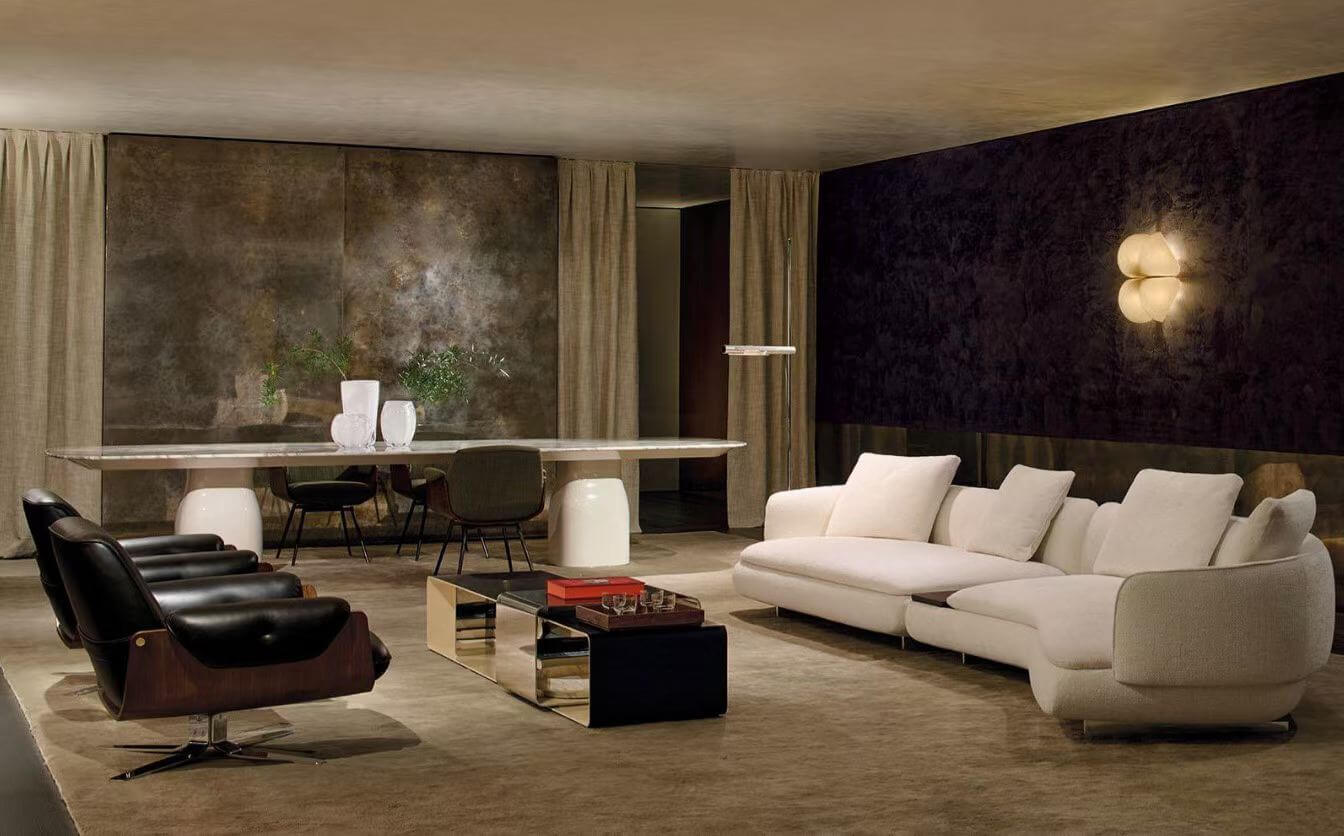
Take Lecong in Foshan as an example. It has over 180 large furniture malls and more than 50,000 mid-to-high-end furniture options, covering around 99% of global furniture categories. From modern minimalist to Italian light luxury, you can find a matching supply chain.
For overseas buyers, this scale matters. Local furniture stores are often limited by showroom space and rental costs. According to NielsenIQ, the average U.S. retail store is about 934 square meters, meaning many stores can only display a small number of popular models.
In China’s furniture clusters, however, the same product category often comes in multiple price levels and design versions. For a sofa, you can compare leather, technical fabric, linen, modular layouts, corner styles, and straight-line designs.
This is also where one-stop sourcing teams like Homebridge add value. By working closely with more than 95 furniture factories in and around Foshan, Homebridge helps buyers match and filter options more efficiently.
Instead of choosing only from what local stores have already selected, you can find furniture that better fits your space, style, and budget.

2. Better Value for the Same Budget
Many people buy furniture from China because the same budget often gets them a higher-level product.
China’s real cost advantage is not just lower labor costs—it comes from a highly mature and efficient supply chain. From wood, hardware, and fabrics to packaging and logistics, China has built one of the world’s most complete furniture manufacturing ecosystems, significantly reducing production and sourcing costs.
In comparison, a large portion of what consumers pay for in many Western furniture brands goes toward the retail system itself—showrooms, branding, distribution, and operating costs—not just the furniture.
Overall furniture production costs in China are typically 40%–60% lower than in the United States, and 15%–20% lower than many Southeast Asian countries. While labor may be cheaper in some regions of Southeast Asia, their supporting industries and supply chain efficiency still struggle to match China’s scale and integration.
If you look only at the EXW factory price, many products may cost just 10%–30% of local retail prices. Of course, the final landed cost also includes sea freight, duties, destination fees, and local delivery. Even so, the total cost often remains only 40%–60% of comparable local retail pricing.
More importantly, what buyers gain is not simply a lower price—it’s access to a higher product tier within the same budget. A budget that might only buy mid-range furniture locally can often reach much better materials and craftsmanship when sourcing from China.
3. Stronger Customization Capability
Another major advantage of buying furniture from China is the level of customization available.
Most local furniture stores mainly sell standardized products, with limited flexibility in size, color, or materials. If your space has unique dimensions or you want furniture that fits a specific interior design concept, standard products often require compromise.
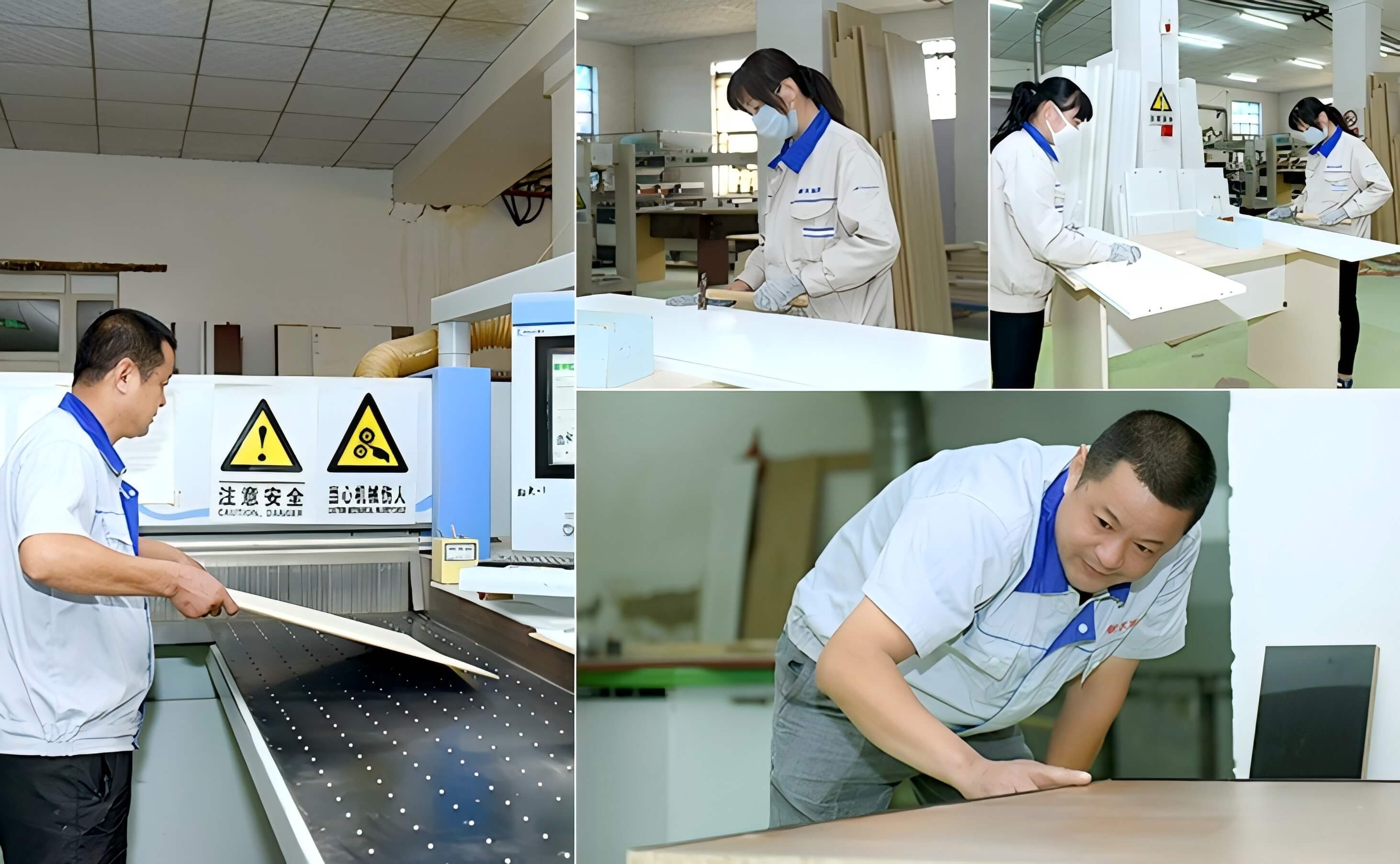
Chinese furniture factories are generally much more accustomed to handling custom requests. Many products can be adjusted without needing entirely new molds or production systems. Dining tables can be resized or finished with different tabletop materials. Beds can be modified in headboard height, upholstery proportions, and color. Cabinets can even be redesigned internally to better fit the available space.
China also has several advantages that are difficult to replicate elsewhere: lower material and labor costs, response times as fast as seven days from design to production, and flexible minimum order quantities—even as low as one piece. These factors make customization far more accessible.
From an industry perspective, more than 60% of medium and large furniture factories in China now operate dedicated customization lines, with custom furniture consistently accounting for over 30%–40% of production. In other words, customization is not treated as a special service—it has become part of the industry’s normal workflow.
4. Faster Response and Production Speed
What makes China’s furniture industry especially unique is the combination of a complete supply chain and fast response capability.
In furniture manufacturing, a first-round sample in China can often be completed within 7–15 days, while the same process in Europe, the U.S., or parts of Southeast Asia may take 3–6 weeks or even longer.
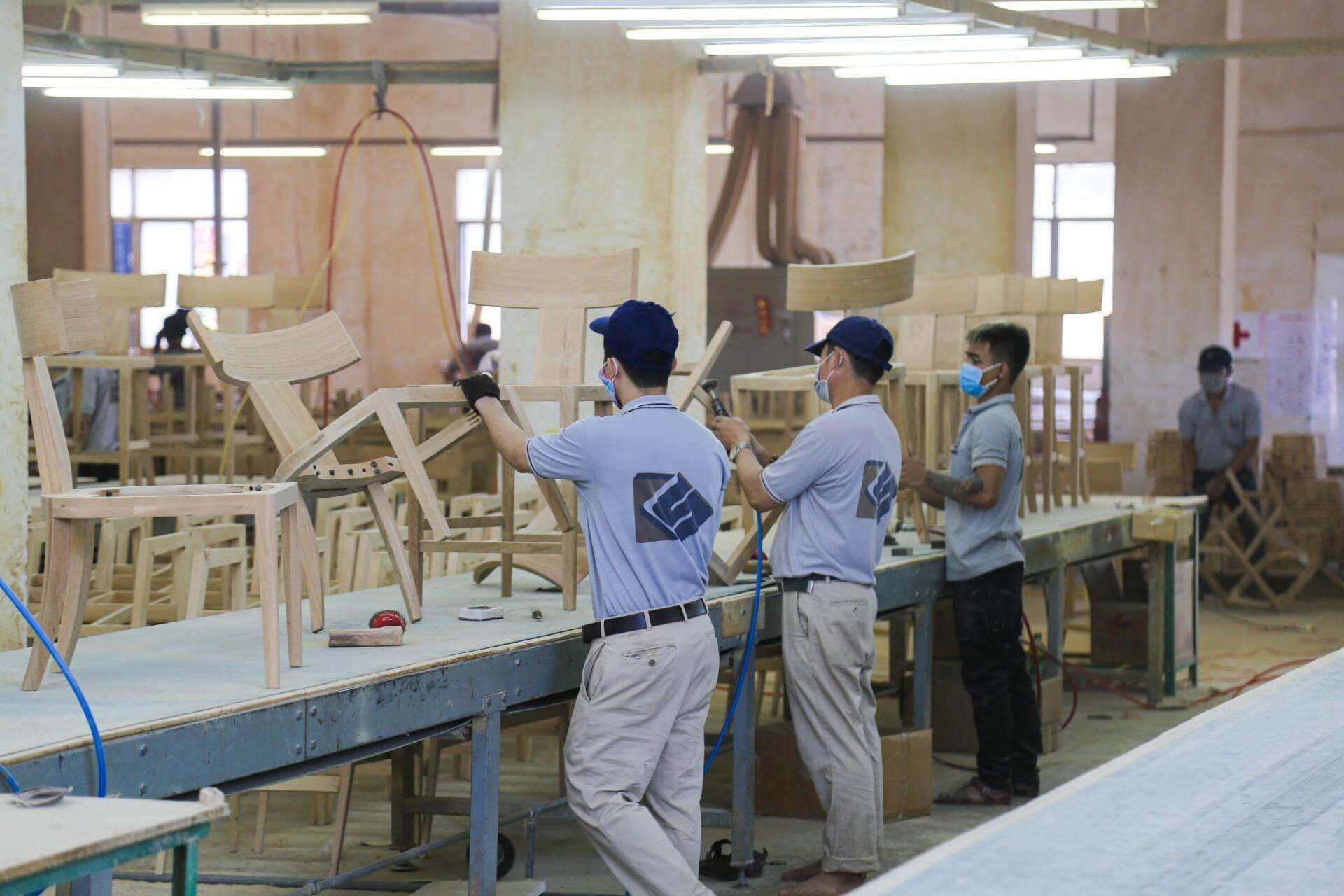
This speed comes from the high concentration of the supply chain. In China, wood processing, hardware production, fabric supply, foam manufacturing, and finishing processes are often located within the same industrial region. In Foshan, for example, the entire process—from raw materials to finished products—can often be completed within a one-hour driving radius.
This also makes customization far more efficient. When buyers need to adjust dimensions, colors, or structures, Chinese factories can often revise and remake samples within just a few days.
5. Ideal for Full-Home Furniture Projects
If you’re only buying one or two small furniture pieces, purchasing locally may be simpler. But once the project involves furnishing an entire home, villa, apartment, or office, the advantages of sourcing from China become much more noticeable.
These projects are no longer about buying individual products—they become complete space coordination projects involving multiple categories, including sofas, tables, beds, mattresses, wardrobes, lighting, curtains, rugs, and other soft furnishings.
In many Western retail systems, these categories are often spread across different stores and brands. Buyers must coordinate separate quotations, manage different delivery timelines, and solve style consistency issues on their own.
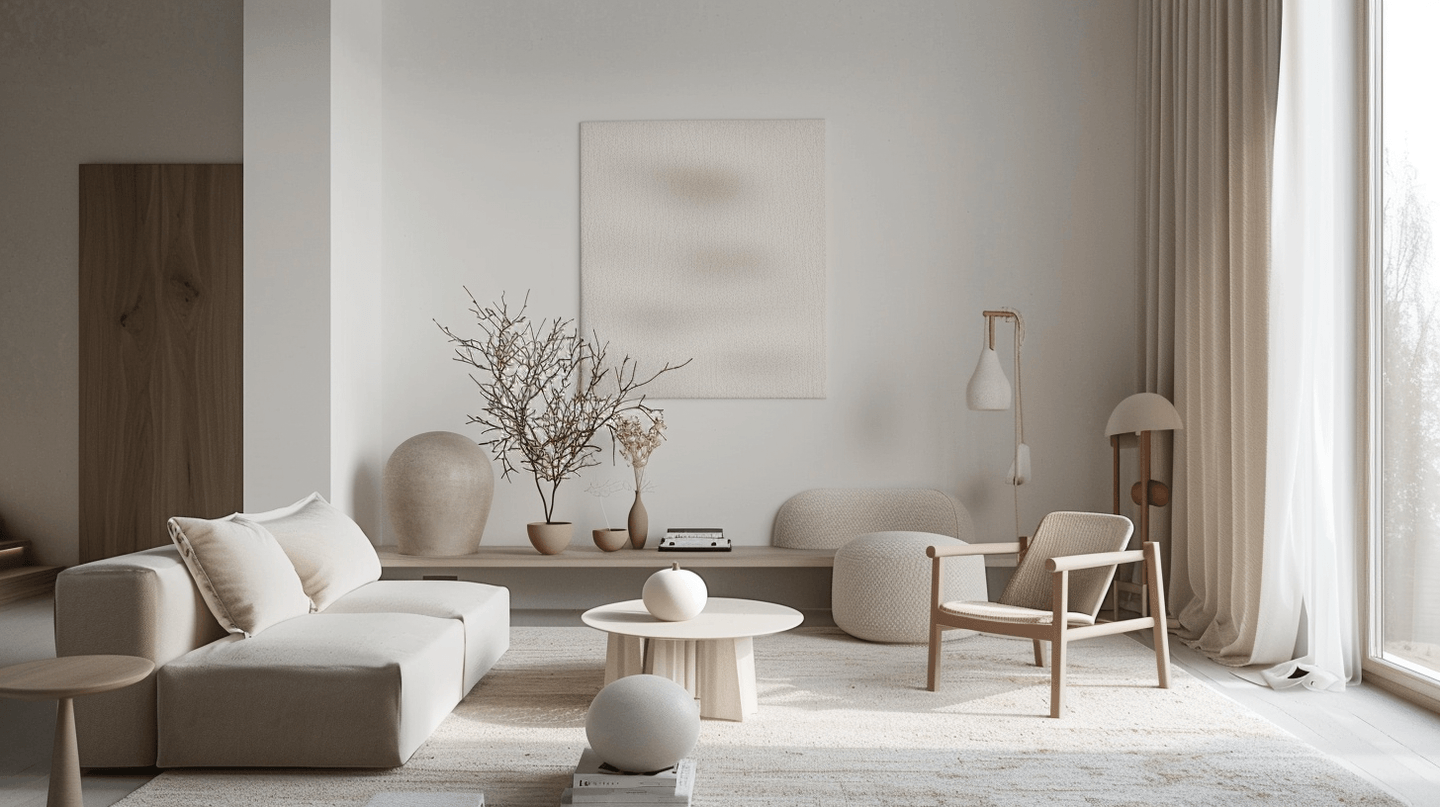
In China’s furniture clusters, however, product categories are highly concentrated. Many factories and sourcing systems already cover multiple categories within the same ecosystem. Instead of searching across different local stores, buyers can coordinate an entire style direction in one place.
This makes it easier to maintain visual consistency across the space while also keeping the overall project within budget.
Buying Furniture from China Is Becoming Easier Than Ever
In the past, international furniture sourcing was mostly limited to businesses and large commercial projects. Even if individual buyers knew Chinese furniture was more affordable, handling inspection, shipping, and customs independently was extremely difficult.
Today, that situation has changed significantly.
First, cross-border logistics has become far more mature. Even without a dedicated logistics team, individual buyers can now work with freight forwarders or sourcing services to manage the entire process—from factory pickup to overseas delivery.
The rise of LCL (Less than Container Load) shipping has been especially important. In the past, many buyers worried that they didn’t have enough furniture to justify a full container. Today, LCL allows furniture to be shipped based on volume rather than requiring an entire container.
At the same time, access to information has become much easier. Previously, buyers often needed trading companies, exhibitions, or personal connections to reach factories. Now, through online platforms, independent websites, and social media, individual buyers can communicate directly with suppliers. According to UNCTAD, global e-commerce sales increased by nearly 60% between 2016 and 2022, reaching approximately $27 trillion. Digital sourcing has become a normal part of global trade.
More importantly, Chinese furniture is already deeply integrated into the global supply chain. In 2024, China’s furniture and related product exports reached approximately $126.29 billion. This means Chinese furniture is not a new trend—it is a long-established industry serving buyers worldwide.
What this reflects is a deeper shift: supply chains that were once accessible only to brands and distributors are gradually opening up to individual buyers as well.
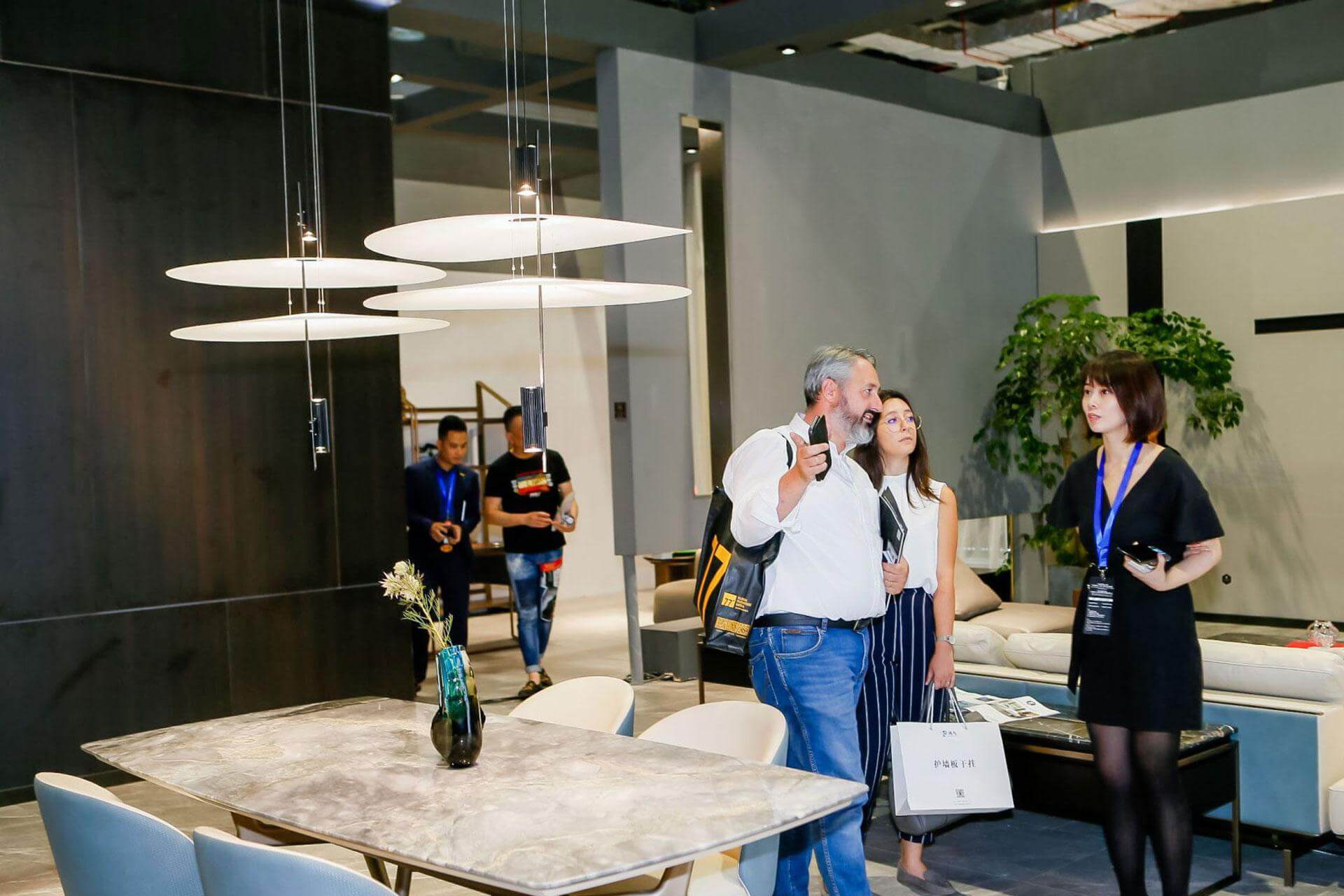
Of course, a more open supply chain does not mean the sourcing process itself has become simple. The truly complex parts still exist in supplier screening, order follow-up, quality inspection, shipment consolidation, logistics, and after-sales support.
This is where teams like Homebridge create real value.
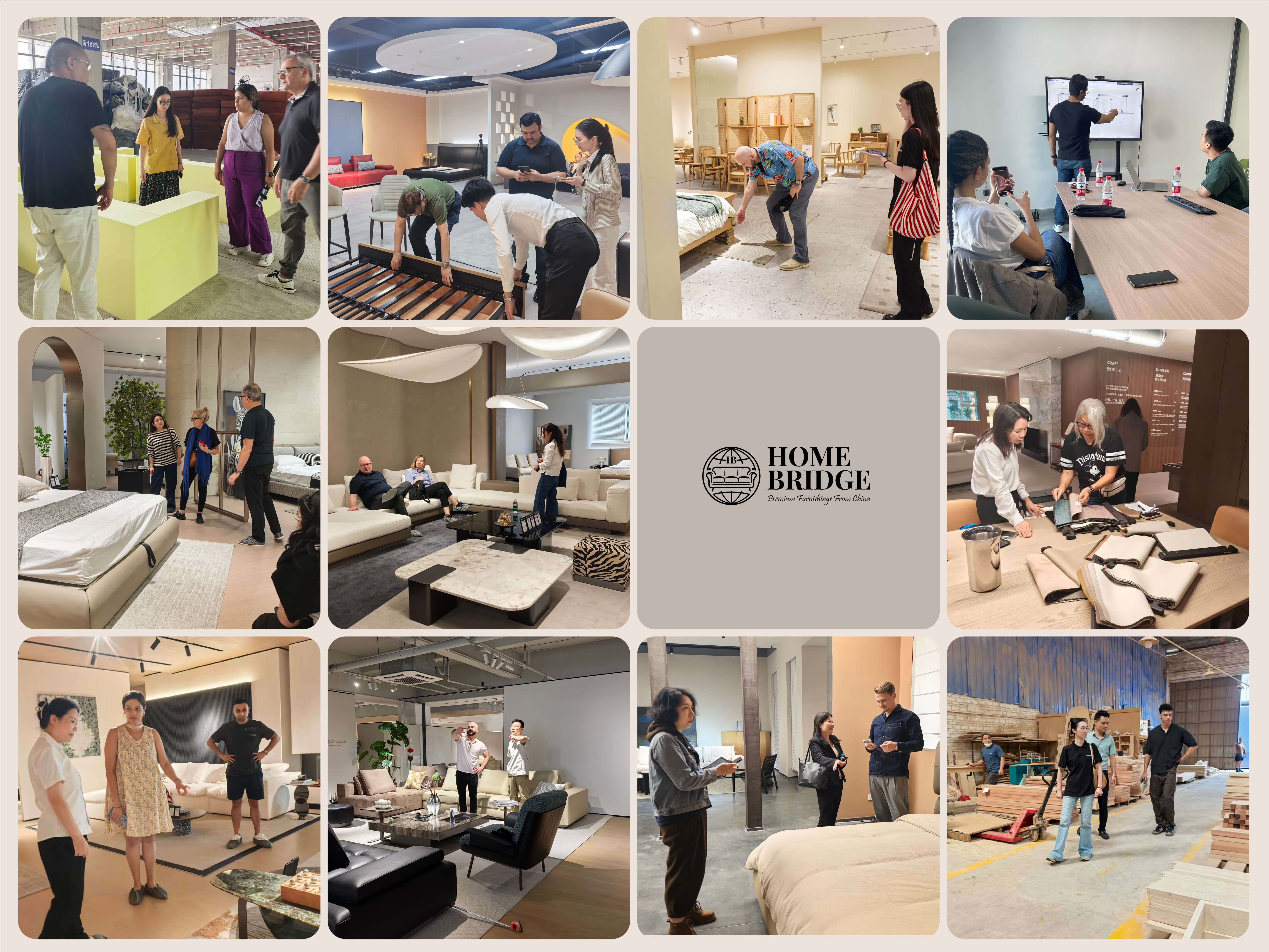
Rather than leaving buyers to manage scattered factories and separate logistics systems on their own, Homebridge functions more like a localized supply chain integration platform. Through long-term cooperation with 95 furniture factories in Foshan, access to over 100,000 square meters of showroom resources, and a complete sourcing and logistics coordination system, Homebridge helps clients manage the entire process more efficiently—from product selection to DDP door-to-door delivery.
For buyers, this means more than just saving time. It means having a team that is genuinely responsible for the final delivery result.
.svg)







.svg)
.svg)


