
What is the best place to buy classic furniture in China?

What is the best place to buy classic furniture in China?
Author-Image
Last Update:  
May 21, 2026

Classic furniture has remained popular for years because of its timeless appeal, craftsmanship-focused details, and premium materials.

This type of furniture often uses large amounts of solid wood and requires higher standards in craftsmanship and durability, which is why it has long been an important part of the high-end furniture market.

In 2025, wooden furniture accounted for approximately 39.57% of the global furniture market. At the same time, the global luxury furniture market reached around $31.06 billion in 2024 and continues to grow. This shows that classic furniture is not a short-term trend, but a long-lasting premium aesthetic preference.

If you are considering buying classic furniture, importing from China already offers strong advantages in supply chain depth and cost efficiency. By working with experienced local sourcing teams like Homebridge, the entire process can become a more manageable and well-coordinated full-home solution.
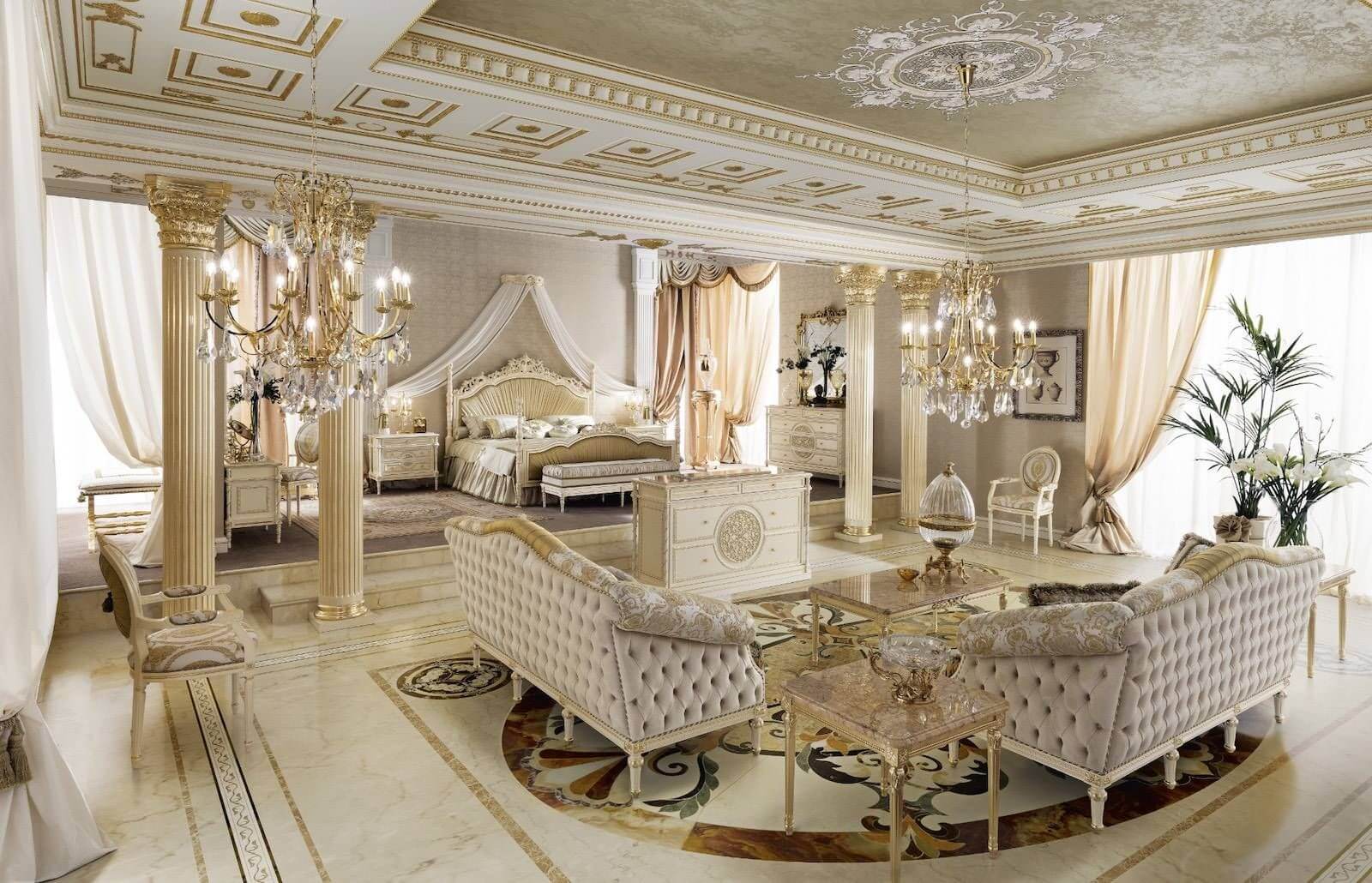
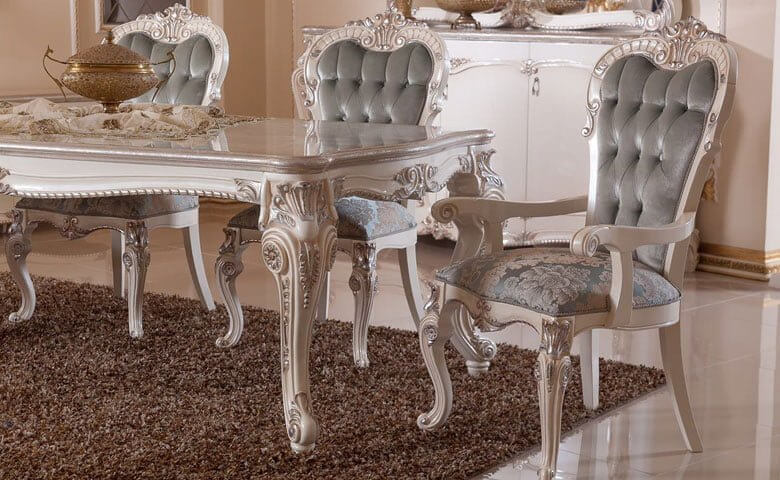
Typical classic furniture

Why Buy Classic Furniture from China?

Italy and France are still considered the strongest in terms of classic furniture design and aesthetic influence. However, they also come with higher prices, longer lead times, and are often less suitable for large-scale sourcing projects.

Countries like Vietnam, India, and Indonesia tend to focus more on specific product categories, but their overall style range and product diversity are still more limited compared to China.

China has become one of the world’s core sourcing destinations for classic furniture because of the efficiency created by its complete supply chain. China has remained the world’s largest furniture producer and exporter for 25 consecutive years, contributing more than 30% of global furniture exports and building one of the most mature furniture supply chain systems in the world.

This means that when sourcing classic furniture from China, buyers not only gain access to wider product selection and better value, but also find it easier to coordinate full-home projects with consistent style and delivery.

The Best Place to Buy Classic Furniture in China

China’s furniture industry is mainly divided into four major regions: the Pearl River Delta, the Yangtze River Delta, the Bohai Rim region, and the Northeast. Each specializes in different product categories and design styles.

But when it comes to sourcing classic furniture, Foshan Lecong is widely considered the top destination.

The area contains more than 180 furniture malls with over 4 million square meters of commercial space—roughly equivalent to 560 standard football fields. Major malls such as Louvre, Royal Furniture, and Sunlink are spread along the area, forming what is often called the “Ten-Mile Furniture Corridor.”

More than 50,000 furniture products are concentrated here, covering around 99% of global furniture categories. This is why people often say:

“If you can’t find the furniture you want in Foshan, you probably won’t find it anywhere else.”

As a result, Lecong attracts more than 50,000 international buyers every year.
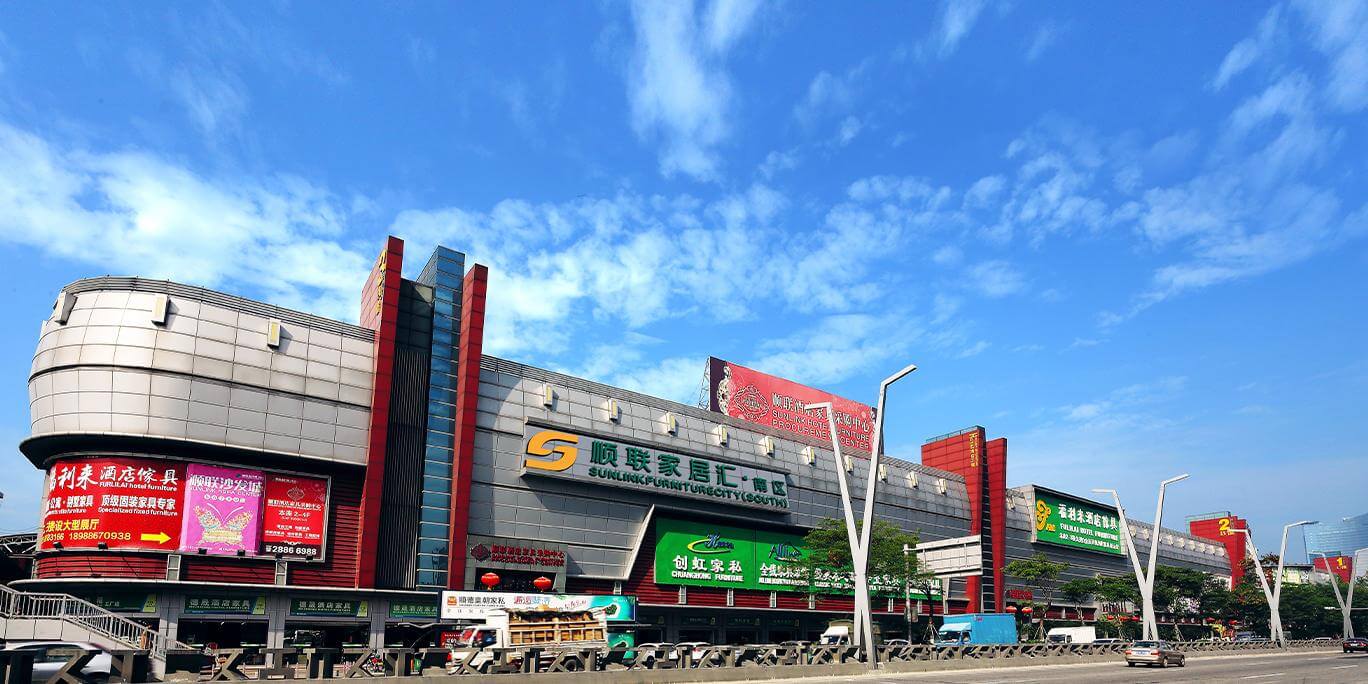
Foshan Lecong Furniture City

Why Foshan Lecong?

1、Extremely Wide Selection

Classic furniture is never just one style. It can include European classic, French, American traditional, neoclassical, Italian classic, or even traditional Chinese styles. Buyers from different countries often have completely different understandings of what “classic furniture” means.

The biggest advantage of Foshan Lecong is that almost every classic style already has a corresponding supply chain here. Within the same area, buyers can compare carved European sofas, solid wood dining tables, palace-style beds, sideboards, and many other styles side by side.

Compared to markets that focus on only one category, Lecong functions more like a complete classic furniture ecosystem.

Here, you are not simply comparing furniture—you are comparing entire supply chains. The same sofa may exist in more than ten different craftsmanship levels across different factories. A dining table can range from basic solid wood construction to highly detailed carved versions with completely different positioning.

Across Lecong and the surrounding furniture cluster, tens of thousands of showrooms, factories, and businesses cover sofas, beds, cabinets, lighting, soft furnishings, and custom furniture within one integrated market.
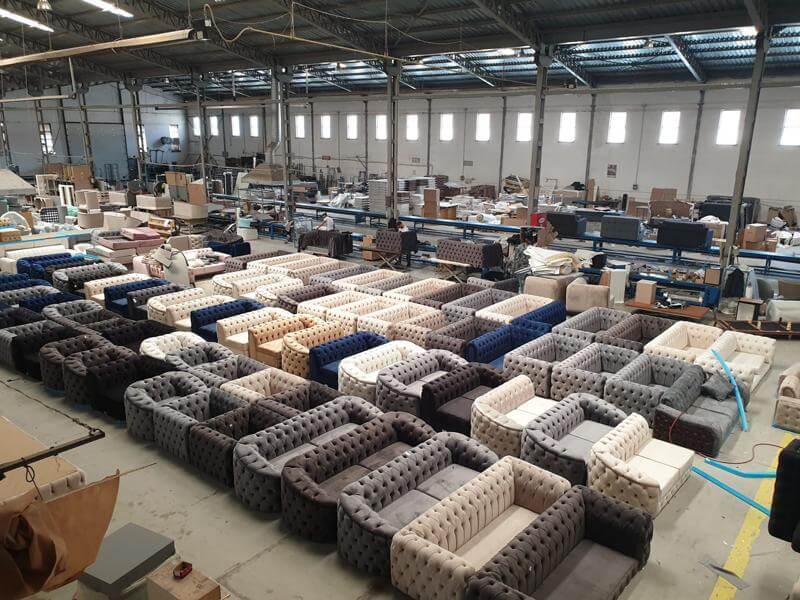
A wide selection of sofa factories

2、Better Control Over Real Product Details

The sourcing risk for classic furniture is usually higher than for minimalist furniture, because much of its value comes from craftsmanship and detail.

Whether carvings feel refined, lines flow naturally, paint finishes appear smooth, or wood grain looks authentic—these are things that are often difficult to judge from photos alone. Especially on online platforms, lighting, editing, and wide-angle photography can make classic furniture appear luxurious in pictures, while the real product may reveal rough carving, heavy paint layers, or low-quality hardware.

One of Foshan Lecong’s biggest advantages is that its supplier network already has mature manufacturing experience in classic furniture. Many factories here specialize in carving, finishing, polishing, and upholstery, with stable craftsmanship standards developed over years of production.

In other words, the products are not simply made to look good in photos—the quality is built into the manufacturing process itself.

This allows buyers to physically touch materials, examine carving precision, inspect paint finishes, and compare products across different factories in person. This high-density offline sourcing environment greatly reduces the risk of receiving products that look impressive online but fail to meet expectations in reality.
3、Ideal for Full-Home Projects

Many overseas buyers sourcing classic furniture are not purchasing just one piece—they are furnishing villas, apartments, hotels, or high-end residential spaces as complete projects.

Classic furniture is fundamentally space-oriented. Living rooms, dining areas, bedrooms, studies, and even outdoor spaces need to work together as one visual system. But in many local markets, showrooms are limited and categories are scattered, forcing buyers to move between different stores—or even different cities—to assemble a complete solution.

Lecong’s biggest advantage is concentration. Large numbers of showrooms are gathered within the same area, allowing buyers to compare sofas, dining sets, beds, cabinets, and soft furnishings together in one place. Instead of imagining how products might match, buyers can evaluate the overall coordination directly on-site.

This is especially important for classic furniture, because it depends heavily on consistency. Once styles clash—such as pairing a European classic sofa with a minimalist dining table, or a heavy traditional bed with ultra-modern lighting—the entire space quickly loses harmony.

In Lecong, buyers can compare multiple full-home combinations within the same visit, making it much easier to create a cohesive overall design.
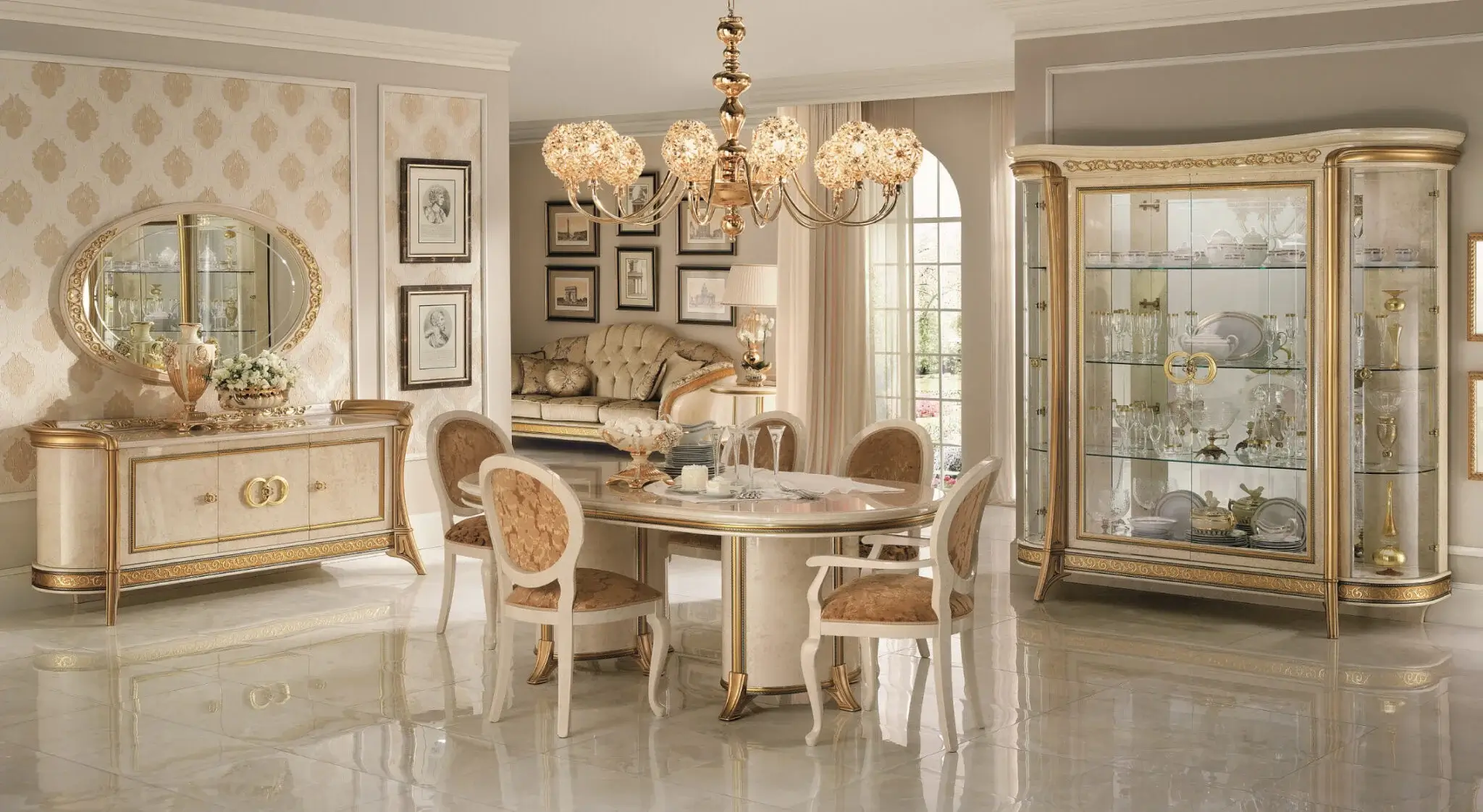
A classic-style living room

4、Strong Customization Capability

Lecong is not just a furniture retail market—it is backed by the mature manufacturing and supply chain system of Foshan, Shunde, and Longjiang.

One of the region’s most well-known advantages is its “one-hour industrial circle.” From manufacturing in Longjiang, supporting industries in Nanhai, to sales in Lecong, most stages are within a 15–40 minute driving radius. This means the entire process—from raw material sourcing to logistics—can be completed within one highly connected production network.

This supply chain density is especially important for classic furniture.

Unlike standardized furniture, classic furniture projects often require adjustments based on actual spaces and client preferences. Beds may need to be converted into American King or Queen sizes, dining chair cushions may switch from fabric to leather, cabinet finishes may change from natural wood to walnut tones, or decorative carvings may even be redesigned.

One of Lecong’s biggest strengths is that buyers can first confirm the overall style in the showroom, then use the surrounding supply chain network to further customize dimensions, colors, materials, and structures. Compared to a traditional retail market that mainly sells ready-made products, Lecong functions more like a sourcing system directly connected to manufacturing capabilities.
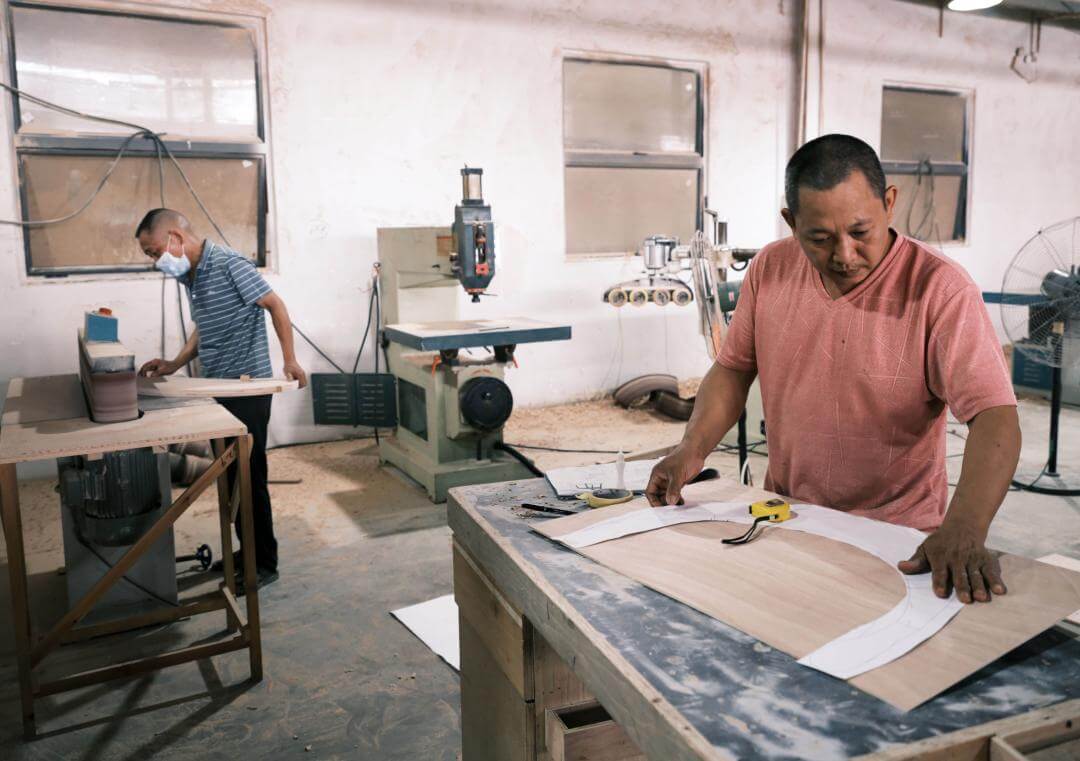
Chinese workers customizing furniture

Too Many Choices Can Also Become a Problem

For first-time overseas buyers visiting Foshan Lecong, the enormous scale of the market is not always an advantage—it can easily become a new source of pressure.

With more than 180 furniture malls, thousands of showrooms, and a highly layered supply chain system, buyers without a clear sourcing plan can spend days visiting products intensively while still struggling to identify the right options for their budget and needs.

Because Lecong’s supply chain is so complex, overseas buyers often benefit from working with a team that understands the local market and can help filter and organize suppliers efficiently.

If you are planning to source classic furniture from China, you can first provide Homebridge with your floor plan, budget range, and style references. The team can then help create an initial sourcing structure—including space planning, style direction, budget allocation, and a shortlist of matching showrooms and suppliers.

Homebridge’s role is not simply guiding clients through furniture malls. The team helps pre-screen suppliers, optimize sourcing routes, reduce unnecessary showroom visits, and continue following the project through production tracking, quality inspection, packaging, international shipping, and DDP door-to-door delivery.

For overseas buyers, the real challenge is not just seeing more furniture—it is using the Lecong market efficiently. Homebridge’s goal is to help clients move from “seeing many options” to actually choosing the right furniture, while turning a fragmented sourcing process into a clearer and more manageable delivery experience.
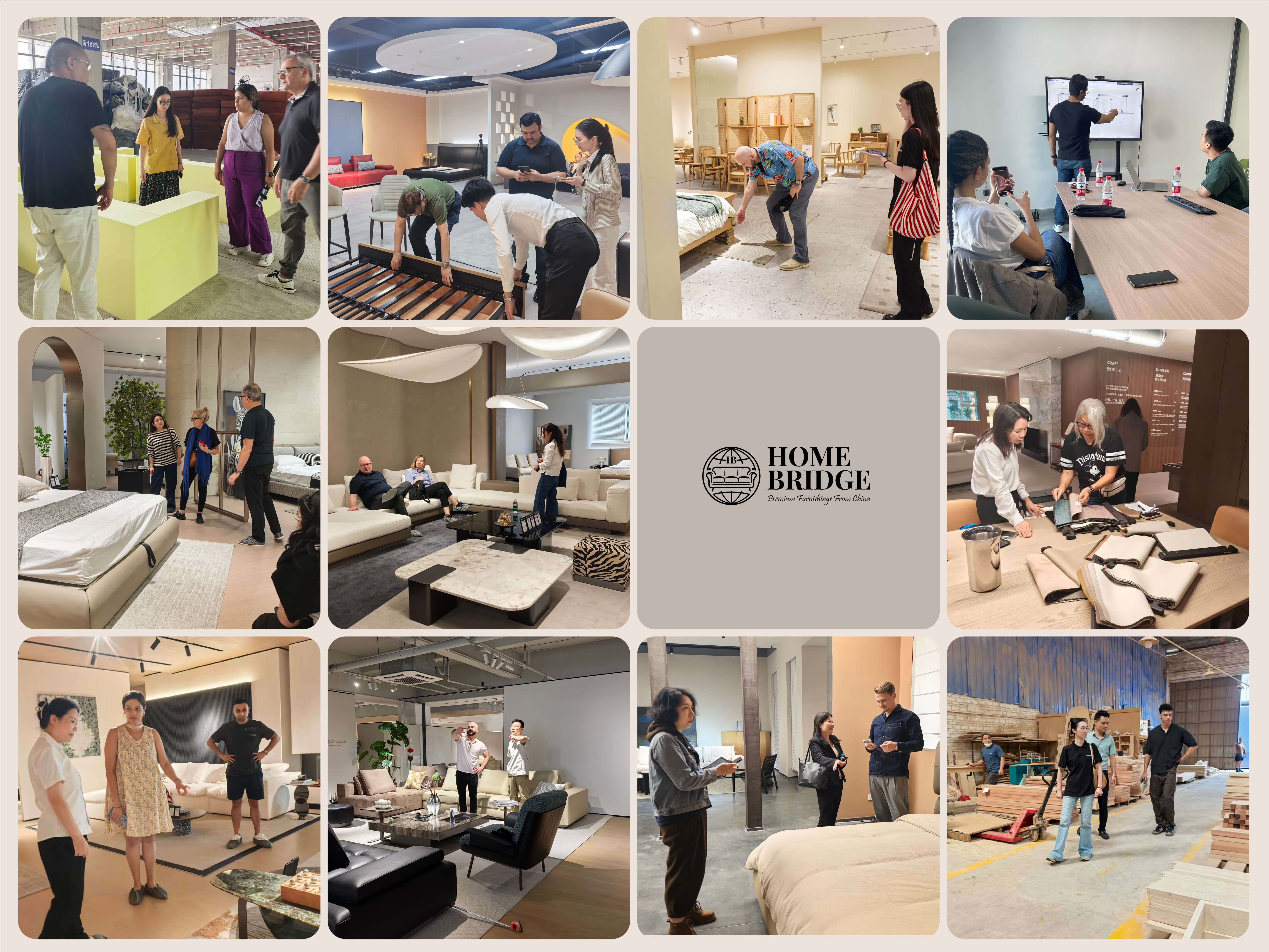
Sourcing classic furniture with Homebridge
Explore Furniture Solutions with HomeBridge
Contact us for One-stop Professional Furniture Purchaisng Solution!
By clicking the button, you consent to the processing of personal data

Thank you!

Your message has been received.
Oops! Something went wrong while submitting the form.

Classic furniture has remained popular for years because of its timeless appeal, craftsmanship-focused details, and premium materials.

This type of furniture often uses large amounts of solid wood and requires higher standards in craftsmanship and durability, which is why it has long been an important part of the high-end furniture market.

In 2025, wooden furniture accounted for approximately 39.57% of the global furniture market. At the same time, the global luxury furniture market reached around $31.06 billion in 2024 and continues to grow. This shows that classic furniture is not a short-term trend, but a long-lasting premium aesthetic preference.

If you are considering buying classic furniture, importing from China already offers strong advantages in supply chain depth and cost efficiency. By working with experienced local sourcing teams like Homebridge, the entire process can become a more manageable and well-coordinated full-home solution.

Typical classic furniture

Why Buy Classic Furniture from China?

Italy and France are still considered the strongest in terms of classic furniture design and aesthetic influence. However, they also come with higher prices, longer lead times, and are often less suitable for large-scale sourcing projects.

Countries like Vietnam, India, and Indonesia tend to focus more on specific product categories, but their overall style range and product diversity are still more limited compared to China.

China has become one of the world’s core sourcing destinations for classic furniture because of the efficiency created by its complete supply chain. China has remained the world’s largest furniture producer and exporter for 25 consecutive years, contributing more than 30% of global furniture exports and building one of the most mature furniture supply chain systems in the world.

This means that when sourcing classic furniture from China, buyers not only gain access to wider product selection and better value, but also find it easier to coordinate full-home projects with consistent style and delivery.

The Best Place to Buy Classic Furniture in China

China’s furniture industry is mainly divided into four major regions: the Pearl River Delta, the Yangtze River Delta, the Bohai Rim region, and the Northeast. Each specializes in different product categories and design styles.

But when it comes to sourcing classic furniture, Foshan Lecong is widely considered the top destination.

The area contains more than 180 furniture malls with over 4 million square meters of commercial space—roughly equivalent to 560 standard football fields. Major malls such as Louvre, Royal Furniture, and Sunlink are spread along the area, forming what is often called the “Ten-Mile Furniture Corridor.”

More than 50,000 furniture products are concentrated here, covering around 99% of global furniture categories. This is why people often say:

“If you can’t find the furniture you want in Foshan, you probably won’t find it anywhere else.”

As a result, Lecong attracts more than 50,000 international buyers every year.

Foshan Lecong Furniture City

Why Foshan Lecong?

1、Extremely Wide Selection

Classic furniture is never just one style. It can include European classic, French, American traditional, neoclassical, Italian classic, or even traditional Chinese styles. Buyers from different countries often have completely different understandings of what “classic furniture” means.

The biggest advantage of Foshan Lecong is that almost every classic style already has a corresponding supply chain here. Within the same area, buyers can compare carved European sofas, solid wood dining tables, palace-style beds, sideboards, and many other styles side by side.

Compared to markets that focus on only one category, Lecong functions more like a complete classic furniture ecosystem.

Here, you are not simply comparing furniture—you are comparing entire supply chains. The same sofa may exist in more than ten different craftsmanship levels across different factories. A dining table can range from basic solid wood construction to highly detailed carved versions with completely different positioning.

Across Lecong and the surrounding furniture cluster, tens of thousands of showrooms, factories, and businesses cover sofas, beds, cabinets, lighting, soft furnishings, and custom furniture within one integrated market.

A wide selection of sofa factories

2、Better Control Over Real Product Details

The sourcing risk for classic furniture is usually higher than for minimalist furniture, because much of its value comes from craftsmanship and detail.

Whether carvings feel refined, lines flow naturally, paint finishes appear smooth, or wood grain looks authentic—these are things that are often difficult to judge from photos alone. Especially on online platforms, lighting, editing, and wide-angle photography can make classic furniture appear luxurious in pictures, while the real product may reveal rough carving, heavy paint layers, or low-quality hardware.

One of Foshan Lecong’s biggest advantages is that its supplier network already has mature manufacturing experience in classic furniture. Many factories here specialize in carving, finishing, polishing, and upholstery, with stable craftsmanship standards developed over years of production.

In other words, the products are not simply made to look good in photos—the quality is built into the manufacturing process itself.

This allows buyers to physically touch materials, examine carving precision, inspect paint finishes, and compare products across different factories in person. This high-density offline sourcing environment greatly reduces the risk of receiving products that look impressive online but fail to meet expectations in reality.

3、Ideal for Full-Home Projects

Many overseas buyers sourcing classic furniture are not purchasing just one piece—they are furnishing villas, apartments, hotels, or high-end residential spaces as complete projects.

Classic furniture is fundamentally space-oriented. Living rooms, dining areas, bedrooms, studies, and even outdoor spaces need to work together as one visual system. But in many local markets, showrooms are limited and categories are scattered, forcing buyers to move between different stores—or even different cities—to assemble a complete solution.

Lecong’s biggest advantage is concentration. Large numbers of showrooms are gathered within the same area, allowing buyers to compare sofas, dining sets, beds, cabinets, and soft furnishings together in one place. Instead of imagining how products might match, buyers can evaluate the overall coordination directly on-site.

This is especially important for classic furniture, because it depends heavily on consistency. Once styles clash—such as pairing a European classic sofa with a minimalist dining table, or a heavy traditional bed with ultra-modern lighting—the entire space quickly loses harmony.

In Lecong, buyers can compare multiple full-home combinations within the same visit, making it much easier to create a cohesive overall design.

A classic-style living room

4、Strong Customization Capability

Lecong is not just a furniture retail market—it is backed by the mature manufacturing and supply chain system of Foshan, Shunde, and Longjiang.

One of the region’s most well-known advantages is its “one-hour industrial circle.” From manufacturing in Longjiang, supporting industries in Nanhai, to sales in Lecong, most stages are within a 15–40 minute driving radius. This means the entire process—from raw material sourcing to logistics—can be completed within one highly connected production network.

This supply chain density is especially important for classic furniture.

Unlike standardized furniture, classic furniture projects often require adjustments based on actual spaces and client preferences. Beds may need to be converted into American King or Queen sizes, dining chair cushions may switch from fabric to leather, cabinet finishes may change from natural wood to walnut tones, or decorative carvings may even be redesigned.

One of Lecong’s biggest strengths is that buyers can first confirm the overall style in the showroom, then use the surrounding supply chain network to further customize dimensions, colors, materials, and structures. Compared to a traditional retail market that mainly sells ready-made products, Lecong functions more like a sourcing system directly connected to manufacturing capabilities.

Chinese workers customizing furniture

Too Many Choices Can Also Become a Problem

For first-time overseas buyers visiting Foshan Lecong, the enormous scale of the market is not always an advantage—it can easily become a new source of pressure.

With more than 180 furniture malls, thousands of showrooms, and a highly layered supply chain system, buyers without a clear sourcing plan can spend days visiting products intensively while still struggling to identify the right options for their budget and needs.

Because Lecong’s supply chain is so complex, overseas buyers often benefit from working with a team that understands the local market and can help filter and organize suppliers efficiently.

If you are planning to source classic furniture from China, you can first provide Homebridge with your floor plan, budget range, and style references. The team can then help create an initial sourcing structure—including space planning, style direction, budget allocation, and a shortlist of matching showrooms and suppliers.

Homebridge’s role is not simply guiding clients through furniture malls. The team helps pre-screen suppliers, optimize sourcing routes, reduce unnecessary showroom visits, and continue following the project through production tracking, quality inspection, packaging, international shipping, and DDP door-to-door delivery.

For overseas buyers, the real challenge is not just seeing more furniture—it is using the Lecong market efficiently. Homebridge’s goal is to help clients move from “seeing many options” to actually choosing the right furniture, while turning a fragmented sourcing process into a clearer and more manageable delivery experience.

Sourcing classic furniture with Homebridge