



Once you’ve selected your furniture from China, the next step is making sure it arrives safely at your home.
For many first-time buyers, international logistics can seem complicated. But in reality, global shipping has become highly mature—in 2025, the global third-party logistics market reached $1.26 trillion.
You only need to understand two things: how the goods will be shipped (sea, air, or land transport), and who is responsible at each stage (EXW, FOB, or DDP).
Once these two parts are clear, the entire shipping process becomes much easier to manage.
If you’re new to international logistics, this article will help you understand the key parts of furniture shipping—from transportation methods to packaging—and give you more confidence when importing furniture from China.
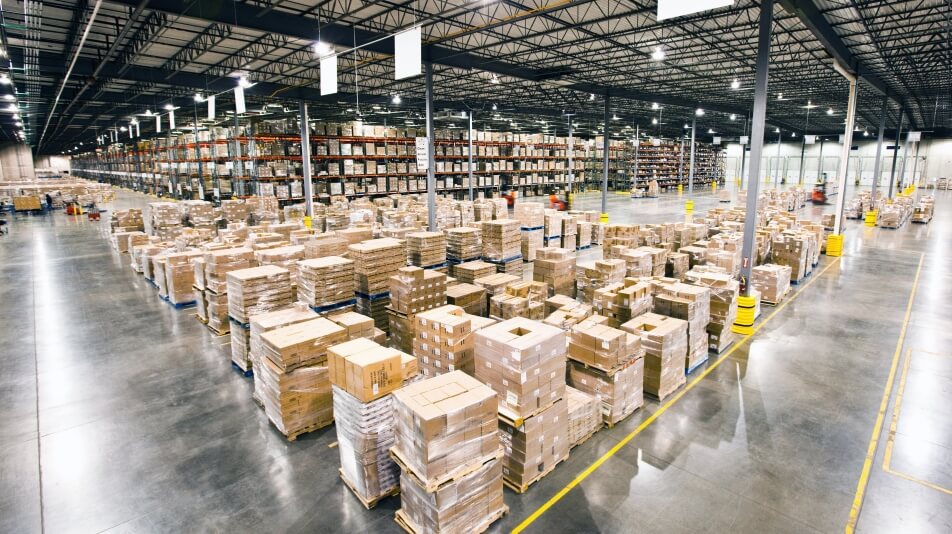
Shipping Method — How Will the Furniture Move?
Let’s start with transportation. In general, furniture can be shipped by sea, air, or land—but each option comes with very different costs and risks.
For furniture, sea freight has become the standard not because it’s fast or effortless, but because furniture itself is bulky and space-consuming. A sofa or bed frame shipped by air is charged by volume, and the shipping cost can easily exceed the product value several times over.
At the same time, many people misunderstand sea freight, assuming that “slower” automatically means “safer.” In reality, the biggest risk in furniture shipping is rarely the weeks spent at sea—it’s the repeated handling on land.
Sea Freight: The Most Common Option
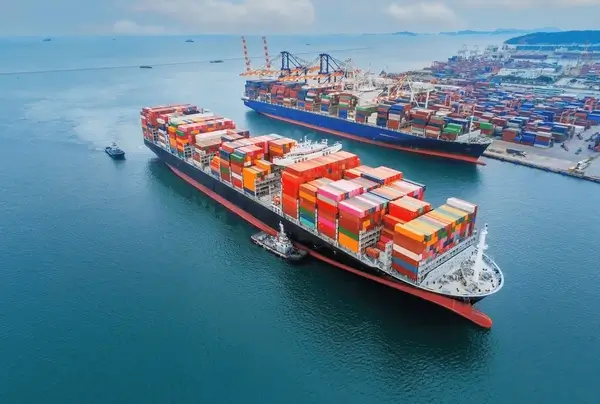
For large furniture moving across continents, sea freight is usually the only practical choice. Transit times are typically 25–35 days to Europe, 18–35 days to the U.S., and 18–28 days to Australia.
Sea freight is further divided into FCL and LCL. On the surface, the difference is simply whether you fill an entire container or share space with others—but in practice, they represent two very different levels of shipping risk.
FCL (Full Container Load)
FCL shipping is essentially about reducing unnecessary handling. Once all goods are loaded into a full container, they typically stay sealed until arrival, minimizing repeated movement.
Many people assume the advantage of FCL is only lower cost per unit, but that’s just the surface. The real benefit is reducing the risk of damage during transit.
Furniture is rarely damaged by spending weeks at sea. The bigger risks come from repeated handling—unloading, stacking, compression, and warehouse transfers. A dining table won’t break because it’s on a ship, but it can easily be damaged by a forklift, heavy cargo stacked on top, or repeated sorting during transit.
FCL may not always look like the cheapest option upfront, but once shipment volume is large enough, it often becomes the more cost-efficient and damage-controlled solution. That’s why buyers handling full-home projects rarely cut corners at this stage.
LCL (Less than Container Load)
LCL shipping follows a completely different logic. It’s more flexible—you don’t need enough goods to fill an entire container, making it ideal for smaller purchases.
But that convenience comes at the cost of a more complex shipping chain. Your goods first enter a consolidation warehouse, wait to be combined with other shipments, and are later unpacked, sorted, and redistributed at the destination port. This process usually involves at least three to five rounds of handling.
And every handling step introduces variables beyond your control—forklift operation, warehouse stacking methods, and the weight of surrounding cargo can all directly affect your furniture.
There’s a common understanding in the industry: LCL shipments have a noticeably higher damage rate than full-container shipping.
So LCL is not truly the “cheaper” option—it’s more of a lower-entry option. You may spend less upfront, but you’re also accepting a higher level of uncertainty.
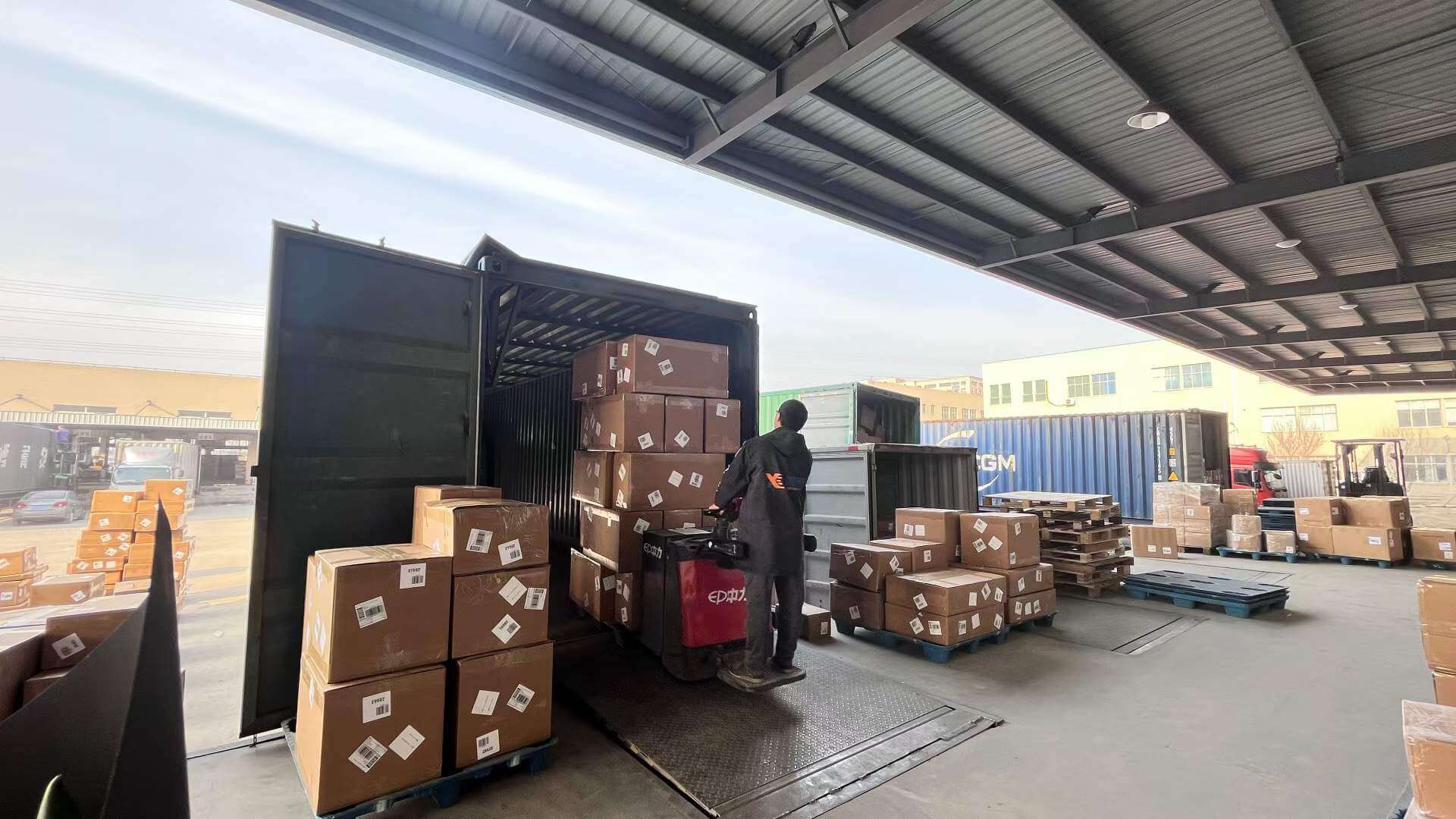
This is exactly where Homebridge adds value. Based on the quantity and volume of each order, we design the entire logistics process systematically.
For FCL shipments, we carefully match the cargo volume with the most suitable container type—20GP, 40GP, or 40HQ. Through standardized loading methods and hands-on experience, we achieve container utilization efficiency around 20% higher than typical industry levels.
For LCL shipments, we apply reinforced protection based on the material and structure of the furniture, including layered solutions for shock resistance, compression protection, and moisture prevention.
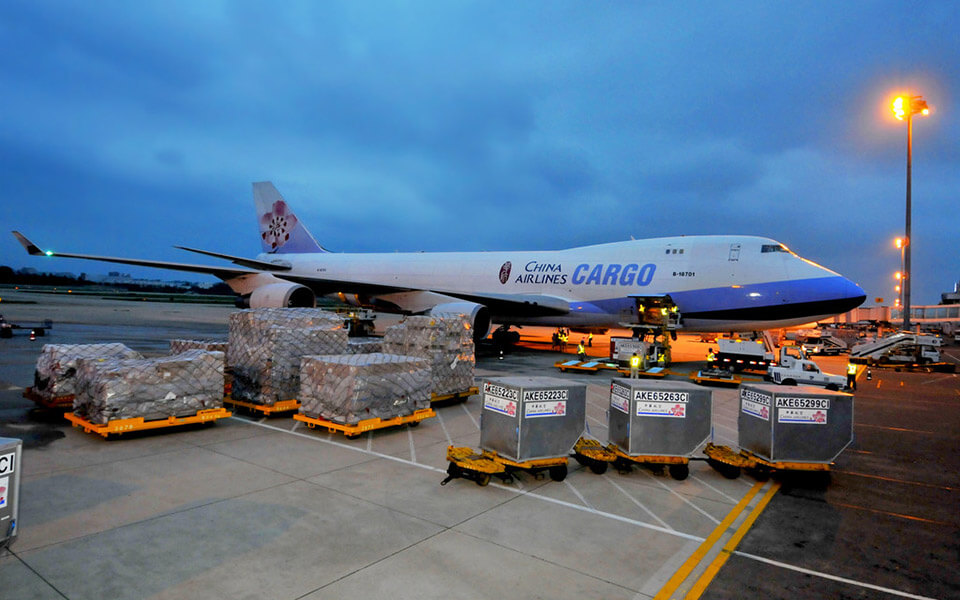
Air Freight: Best for Samples and Urgent Orders
The biggest advantage of air freight is speed—but for furniture, that speed is often extremely expensive.
In reality, shipping large furniture by air can easily cost two to five times the value of the products themselves, especially during peak seasons. In other words, you’re paying several times more just to save a few weeks.
That’s why air freight has a very specific role in furniture logistics. It’s not a true alternative to sea freight, but rather an emergency option used only in certain situations.
For example, it makes sense for sample approvals, missing parts, or urgent replacements—cases where time itself becomes the real cost.
Land Transport: Suitable for Countries Bordering China
Land transport sits between sea and air freight—it’s faster than sea shipping and cheaper than air freight, which makes it seem like the perfect middle ground. But in reality, it also comes with limitations.
The biggest requirement is geography. The countries involved must be connected by land. Without a mature cross-border route, this option simply isn’t viable.
For parts of Central Asia, Southeast Asia, and some European regions, land transport can work well. The most common setup combines rail and trucking—rail handles the long-distance route, while trucks manage final delivery.
In terms of speed, it’s usually faster than sea freight. But the handling process is similar. Cargo still goes through multiple loading, unloading, border transfers, and final delivery stages.
That’s why land transport is not a universal solution—it only makes sense under specific conditions.

Trade Terms — Who Handles What?
Once you understand how the goods will move, the next major factor is responsibility.
Terms like EXW, FOB, and DDP may look like simple trade abbreviations, but they actually define who takes responsibility—and at which stage.
EXW: Lowest Price, Highest Responsibility
Many buyers are attracted to EXW because of the lower quoted price. But that price exists because the seller takes on almost no shipping responsibility.
From factory pickup to export customs, international freight, destination clearance, and final delivery—you are responsible for everything.
If you already have an experienced freight forwarding system, EXW can be manageable. But without one, it’s not really saving money—it’s taking all the complexity onto yourself. For first-time furniture buyers importing from China, EXW often becomes overwhelming very quickly.
FOB: Best for Buyers with a Freight Forwarder
FOB is a more balanced approach. The seller handles everything within China, while the buyer takes control after the goods are shipped overseas.
Its advantage lies in greater cost transparency and stronger control. But this only works if you understand the import process—otherwise, you’re simply shifting the complexity from China to your destination country.
That’s why FOB is better suited for buyers with some importing experience. If you don’t have a freight forwarder or aren’t familiar with customs and shipping procedures, FOB can still be challenging.

DDP: The Most Convenient, but the Most Expensive
DDP sounds like the easiest option—everything is handled for you, and you simply wait for delivery.
The issue is that this convenience often comes with less transparency. In practice, some DDP quotes may look attractive upfront, while extra costs are hidden in areas buyers can’t easily see—such as destination port charges, delivery conditions, or additional service fees. If these details aren’t clarified in advance, you may end up accepting unexpected costs later.

How Packaging Affects Furniture Shipping
For small items, basic carton boxes and tape are usually enough to keep costs low.
But for international furniture shipping, packaging becomes critical. Container pressure, long-distance vibration at sea, repeated loading and unloading—furniture packaging must be strong enough to withstand all of it.
More importantly, furniture is rarely damaged by falling. Most damage comes from pressure. Containers are stacked, meaning furniture at the bottom carries weight for long periods, while items in the middle face constant side compression. Without structural protection, deformation and cracking become very real risks.
Sea freight also introduces high humidity and salt exposure, making moisture protection equally important.
To address these issues, Homebridge has developed a mature packaging system based on years of export experience.
We use reinforced cartons, corner protectors, and internal cushioning, while also applying wooden crates or frame protection when needed. Inside the container, we use support structures, load distribution methods, and anti-movement securing systems to reduce transport risk.
At the same time, moisture-proof films, desiccants, and waterproof outer protection are used to help control humidity during shipping.

Shipping Combinations in 2026
Today, international furniture shipping has become far more flexible. Buyers can now combine different solutions—such as FCL + FOB or LCL + DDP—based on their budget, order size, and preferred level of involvement.There’s also good news: the industry is becoming more standardized and predictable than before.On one side, the global third-party logistics industry continues to expand. According to Grand View Research, the global 3PL market reached approximately $1.26 trillion in 2025 and is expected to grow further in the coming years.On the other side, door-to-door delivery is becoming the norm. Many logistics stages that once felt fragmented are now more integrated and standardized, making shipping more stable and transparent than in the past.The real trend in 2026 is that international shipping is becoming simpler through integration. Buyers no longer need to personally manage every logistics detail—they need the right team to coordinate the entire process efficiently.This is where teams like Homebridge come in. Beyond managing shipping, Homebridge supports clients from furniture selection and design coordination all the way to final delivery, while also providing two years of after-sales support. The goal is not just to move furniture, but to make the entire sourcing journey more stable and stress-free for every client.
.svg)






.svg)
.svg)


