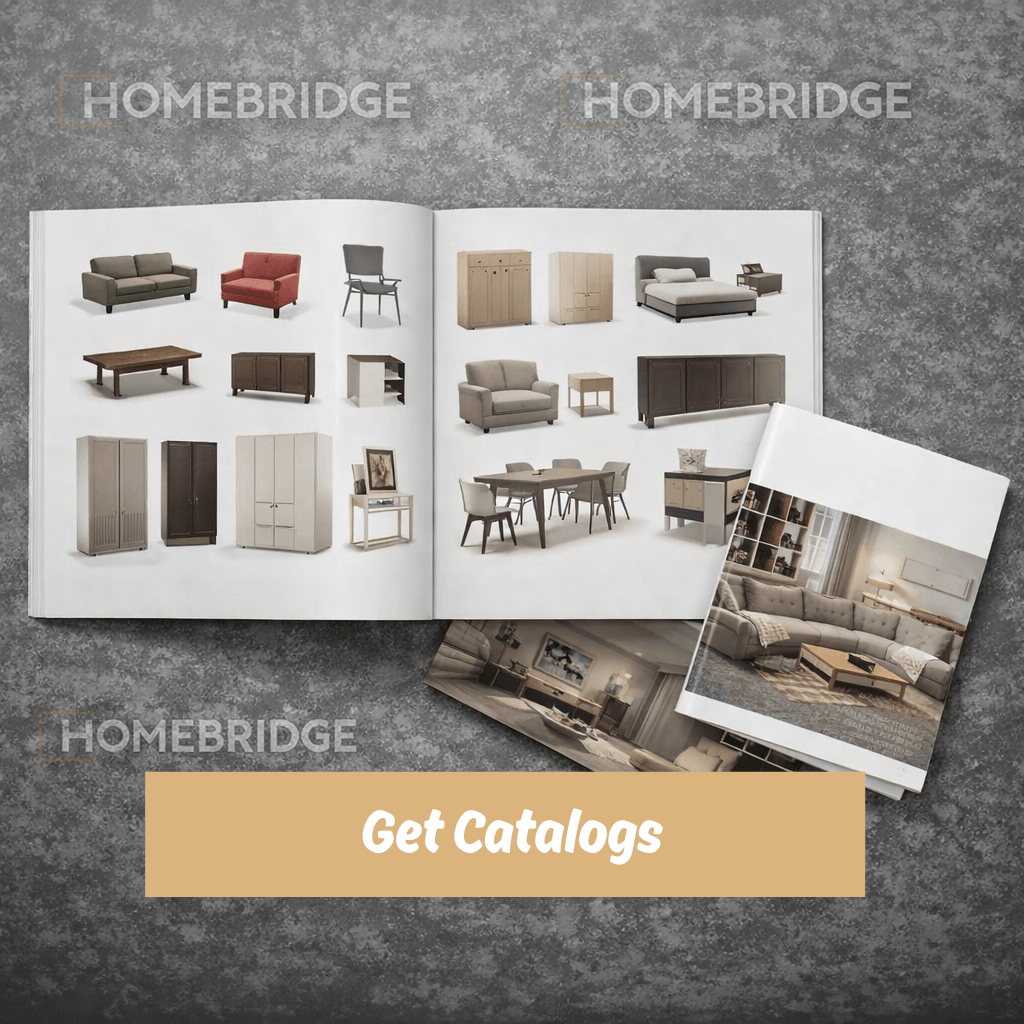

Selection: What Chinese Furniture Has to Offer

Selection: What Chinese Furniture Has to Offer
Author-Image
Last Update:  
April 22, 2026

China produces up to 1.15 billion pieces of furniture annually, with total exports reaching $67.8 billion in 2025, maintaining its position as the world’s top furniture exporter.

With such massive production capacity, many overseas buyers—whether furnishing a new home, outfitting a guesthouse, hotel, or undertaking a full-home project—face the same question:

What can you actually buy from China, and how do you choose?

Many assume China’s furniture advantage is simply “low cost.” But once you explore further, the real appeal becomes clear: an incredibly wide selection, styles covering every taste, flexible customization, and solutions available for almost any budget or requirement.

Ironically, the abundance of choice can also be confusing. Sofas, dining tables, beds, cabinets, curtains, rugs, lighting—everything looks appealing. But how do you judge quality? What truly fits your home and budget? These are the real challenges in selecting furniture.

In this article, we’ll take a product-focused approach to help you understand what options Chinese furniture really offers.
Buy Furniture from China
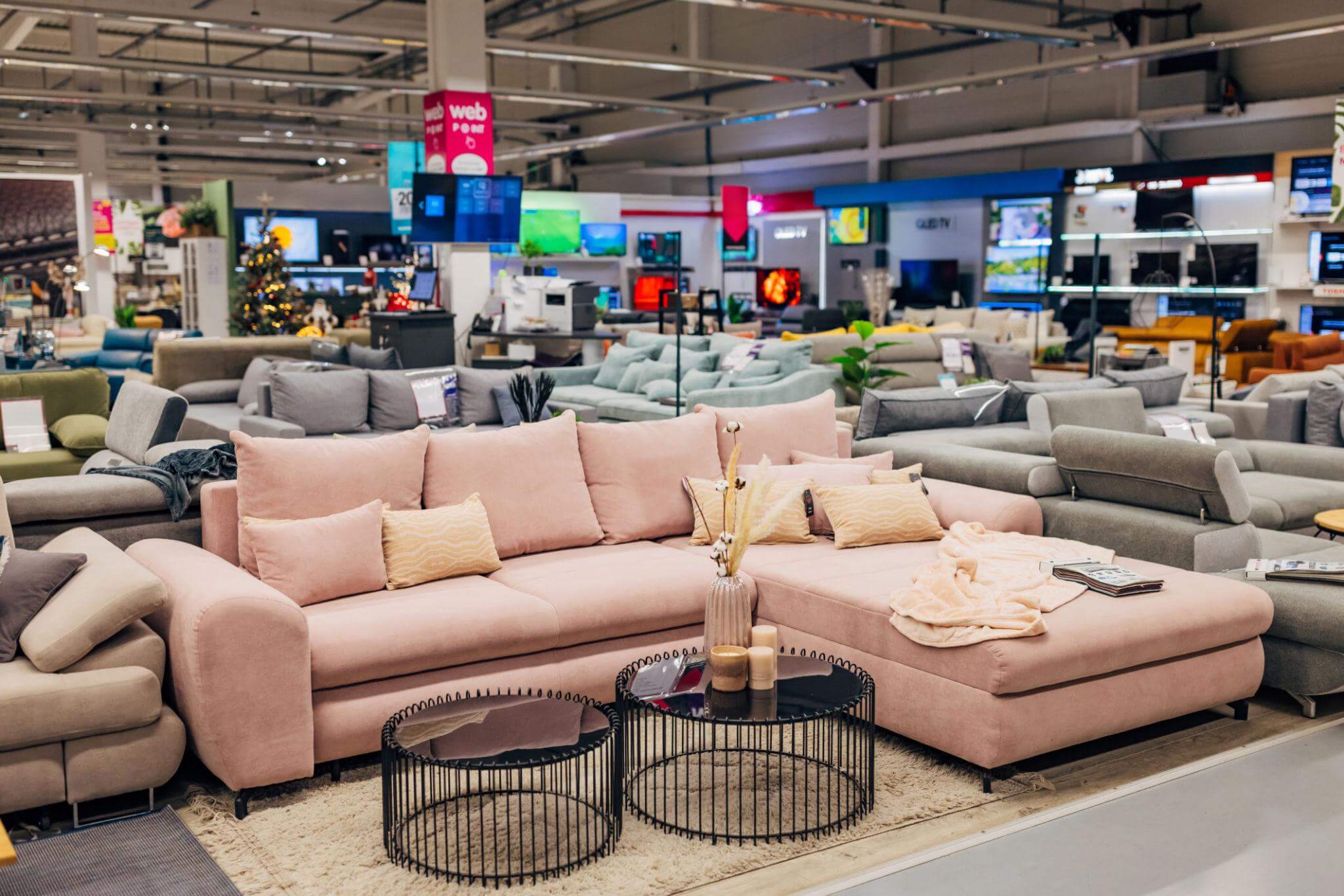
Chinese showroom featuring lots of sofas

Chinese furniture options: more than just furniture

Many clients new to sourcing from China start with just one or two items—perhaps a sofa, a dining table, or a few chairs.

However, when tackling a full-home project, it becomes clear that China’s supply chain offers much more than individual pieces of furniture. It can provide an entire ecosystem of products for a complete living space. Typically, for a full residential project, the categories you can source from China include:

  • Living Room Furniture: sofas, coffee tables, TV stands, lounge chairs
  • Dining Room Furniture: dining tables, chairs, sideboards
  • Bedroom Furniture: beds, mattresses, nightstands, wardrobes
  • Outdoor Furniture: swings, hanging chairs, rattan, wicker pieces
  • Office Furniture: conference tables, ergonomic chairs, bookshelves
  • Soft Furnishings: curtains, rugs, artwork
  • Building Materials & Hardware: door handles, lighting fixtures, and some custom projects

Chinese furniture not only covers nearly 99% of available styles but also provides a complete solution for full-home sourcing.

Chinese Furniture Styles: From Minimalist to Classic

1. Modern Minimalist

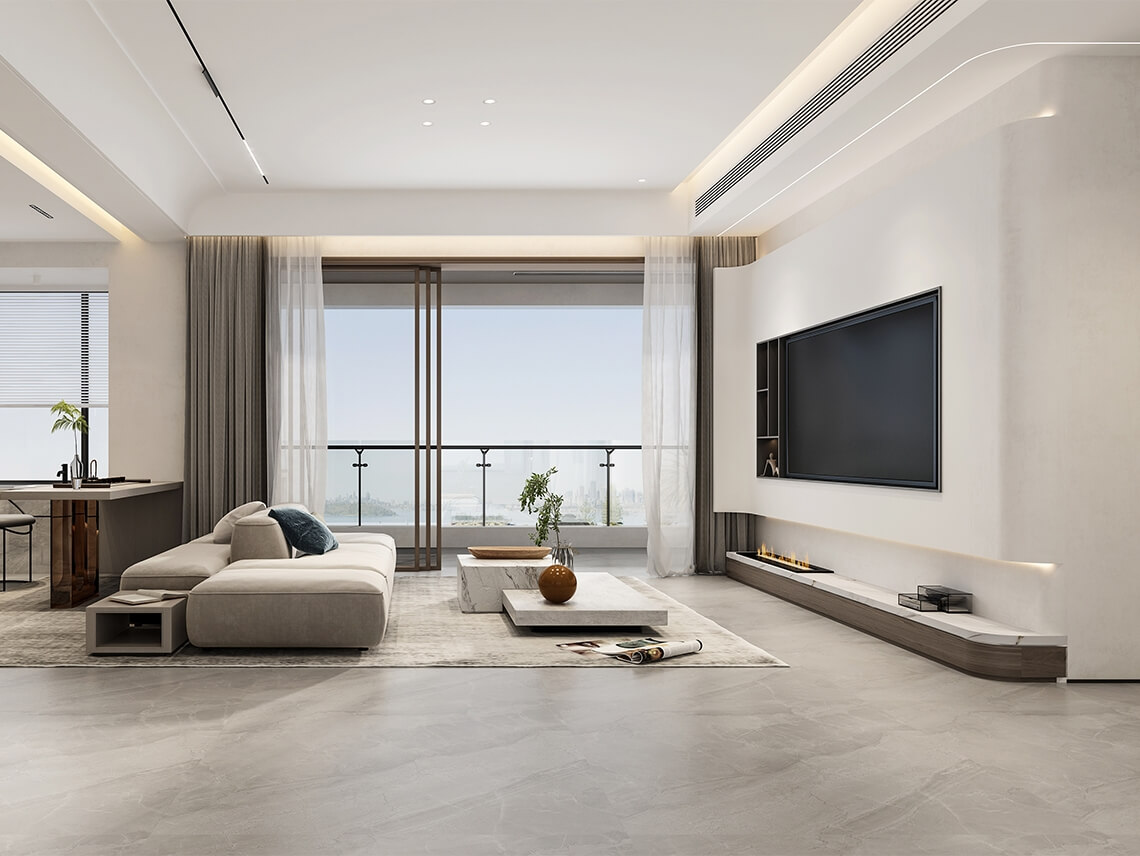
This style emphasizes simplicity in decoration, reducing design elements, colors, lighting, and materials to the essentials—often achieving a “less is more” effect. It places high demands on layout, color harmony, and material texture.

Chinese modern minimalist furniture has reached the top tier globally, particularly in the mid-to-high-end mass production segment. It’s fair to say that China has become the world’s manufacturing hub for modern minimalist furniture.
Buy Furniture from China
Modern minimalist style interior

2. Scandinavian style

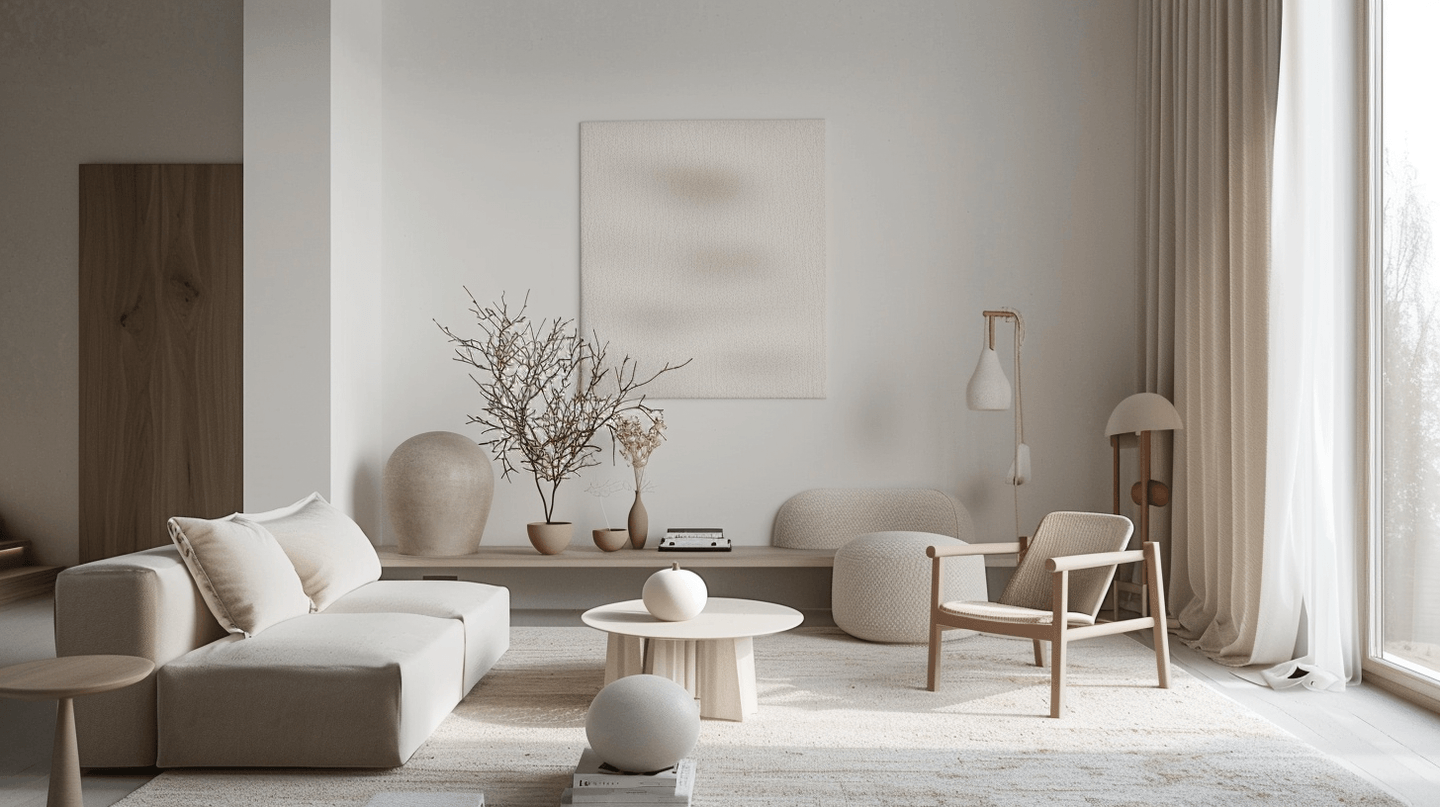
Scandinavian style originates from Europe’s handcrafted traditions, characterized by simple forms, natural materials, and a preference for solid colors. It encompasses design influences from Sweden, Denmark, and Finland.

This style often uses wood, stone, glass, and other natural materials, preserving their original textures.

Furniture produced in China in the Scandinavian style has become a key global supply source, dominating the mid-range market and excelling particularly in wood craftsmanship.
Buy Furniture from China
Scandinavian style interior

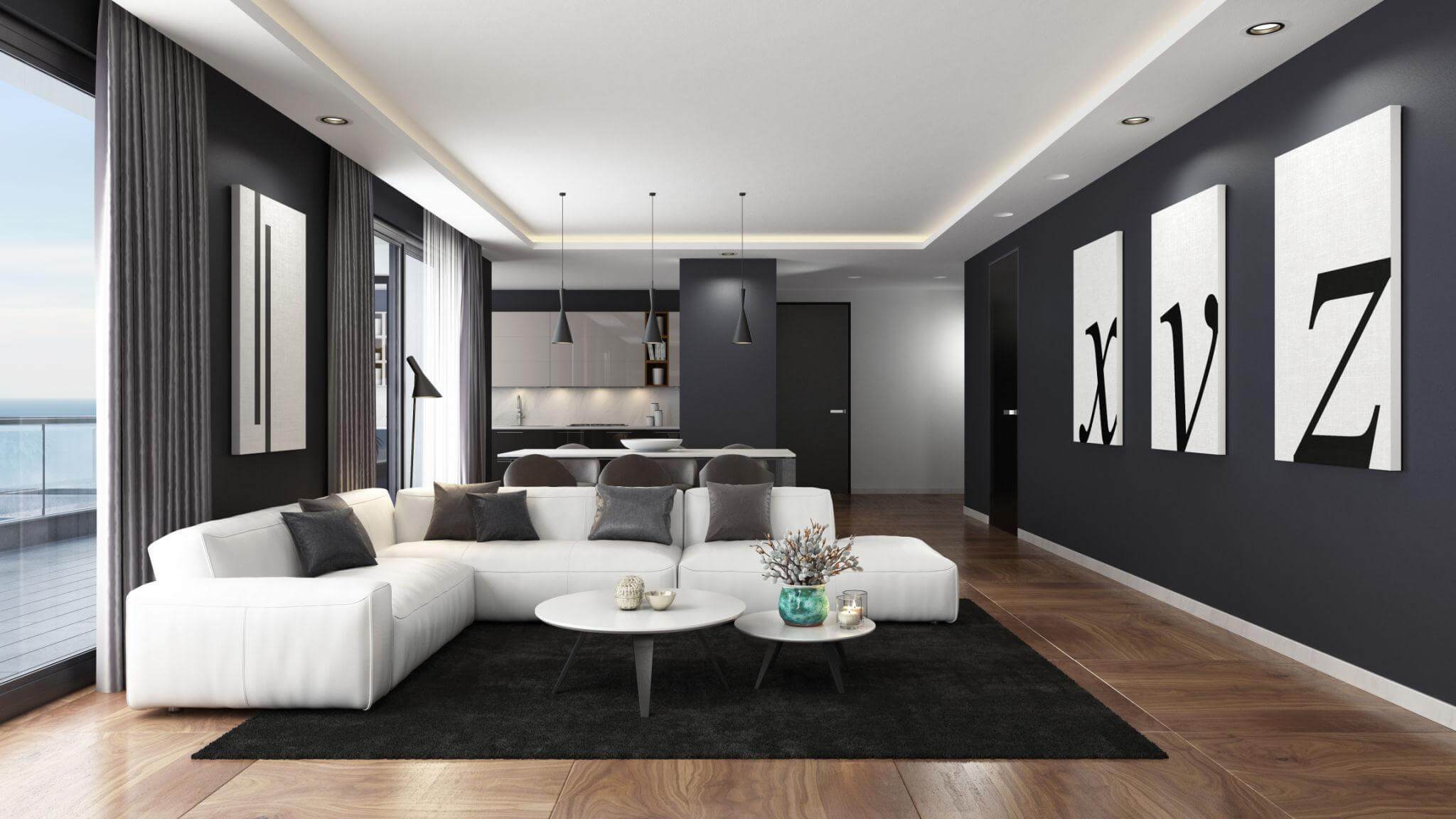
3. Italian Minimalist

Italian minimalist design pursues simplicity to the extreme. It emphasizes a clean, uncluttered appearance, paired with refined lines that convey texture and a sense of luxury. Its philosophy focuses on removing unnecessary ornamentation, allowing functionality itself to define the aesthetics.

Chinese-made Italian minimalist furniture now offers world-class mass production and practical availability, transforming a style once reserved for a small elite into products accessible to a wider audience. This category is among the fastest-growing and closest to high-end in China’s furniture industry.
Buy Furniture from China
Italian minimalist interior design style

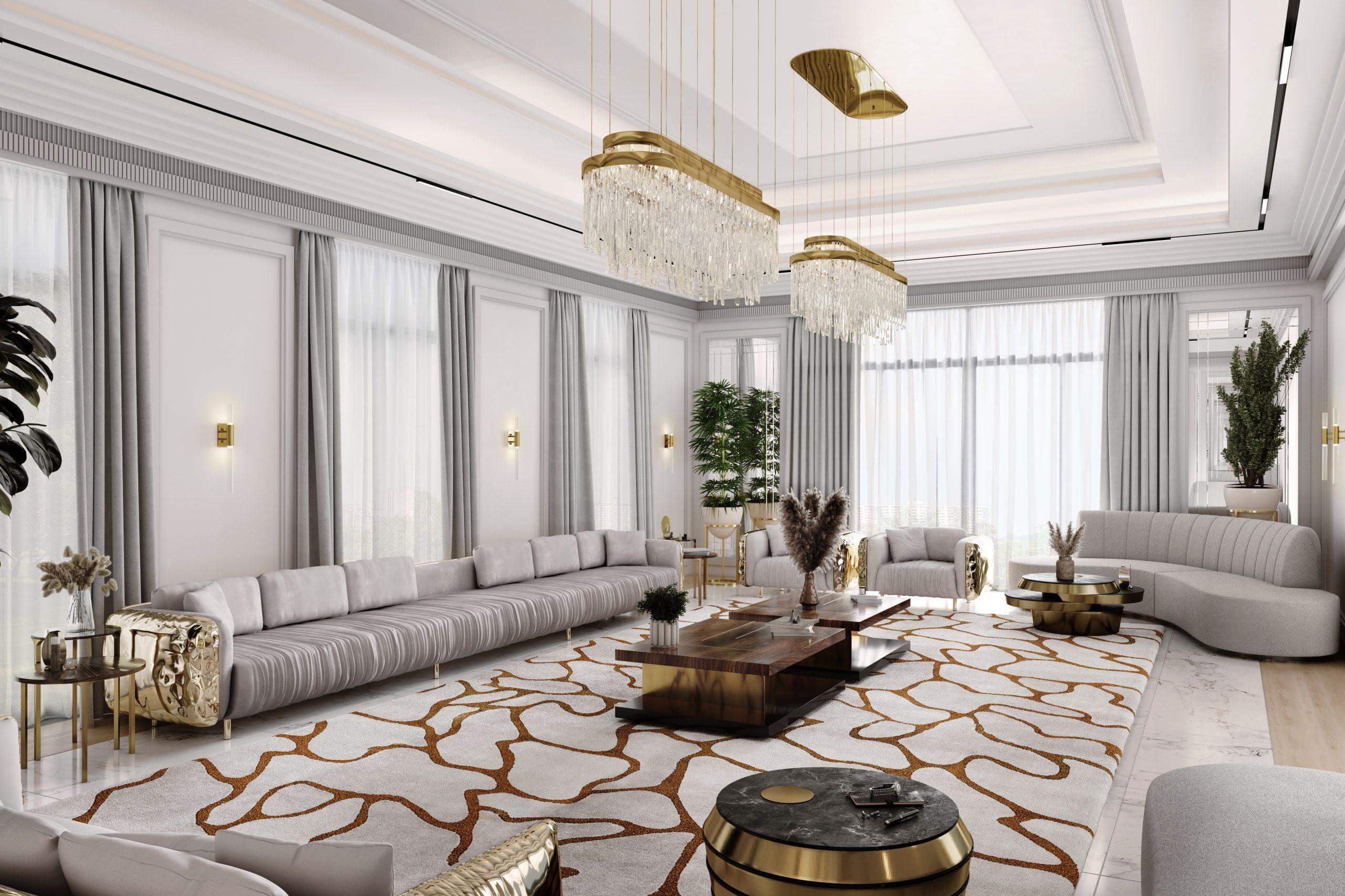
4. Light Luxury Style

Light luxury style is centered on a sense of understated luxury. It expresses a refined way of living that is simple, comfortable, and restrained, while still maintaining an elegant and high-end aesthetic.

Built on a minimalist foundation, this style focuses on thoughtful detailing rather than visual excess. It feels more refined than pure minimalism, yet less rigid and formal than traditional luxury—offering a balance that resonates strongly with younger consumers.

In China, light luxury furniture has developed into a highly mature and scalable commercial category, with strong competitiveness in the global market. In many ways, this style has been actively shaped and amplified by the Chinese consumer and manufacturing ecosystem.
Buy Furniture from China
Light luxury interior design style

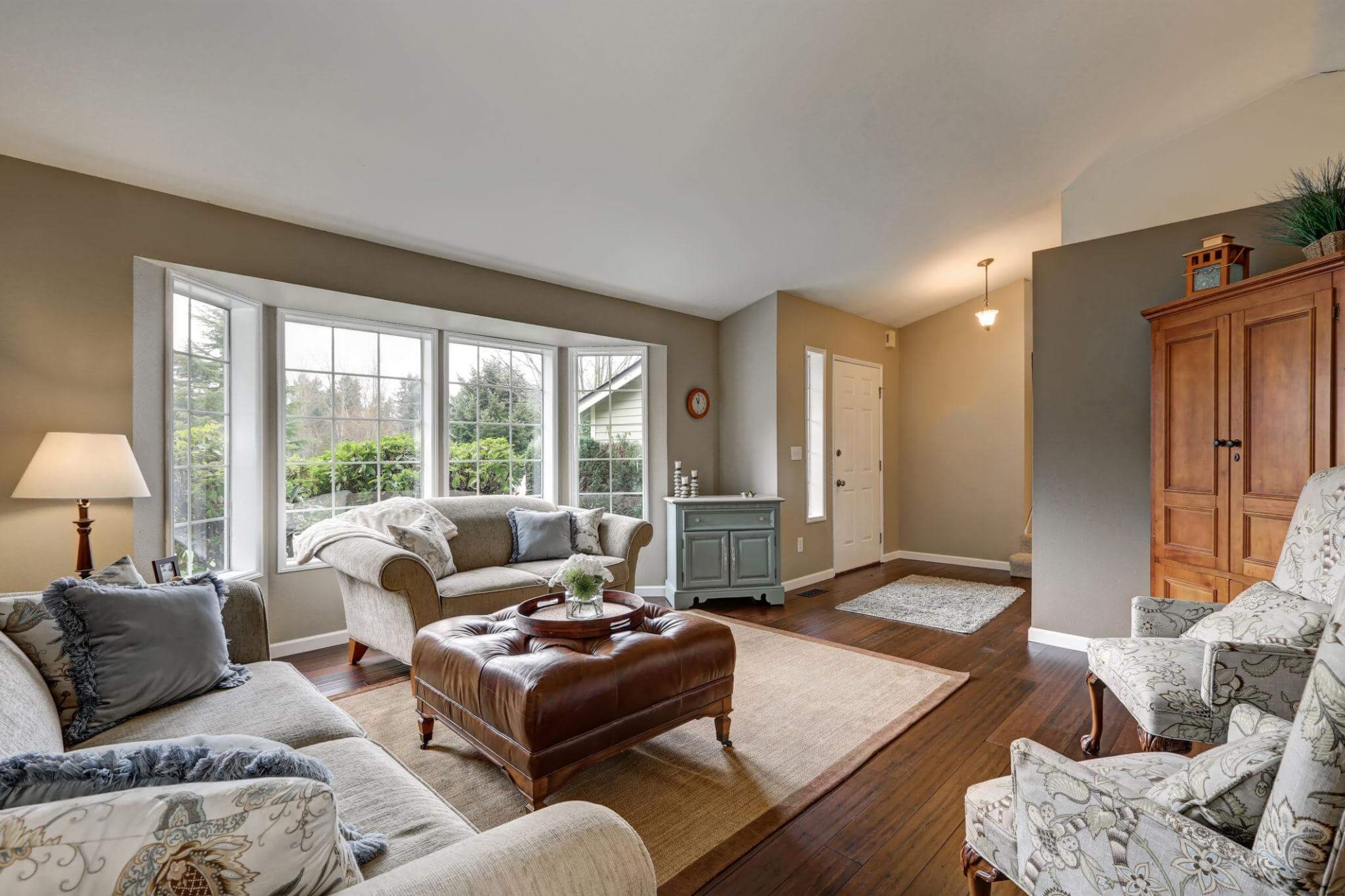
5. American Style Interior Design

American style interior design originates from traditional home design trends in the United States, and is known for its spacious layout, comfort-driven approach, and eclectic blend of influences.

It draws inspiration from the decorative richness of Baroque elements and the relaxed, independent spirit of American culture, resulting in a style that feels both nostalgic and effortlessly lived-in, while still carrying a subtle sense of elegance.

As an expression of the American way of life, this style often features bold and expressive color palettes, along with floral patterns used as decorative accents to add warmth and personality to the space.

In China, American-style furniture has become a major force in global manufacturing and supply chains, with particularly strong dominance in the mid-range market segment.
Buy Furniture from China
American-style interior design

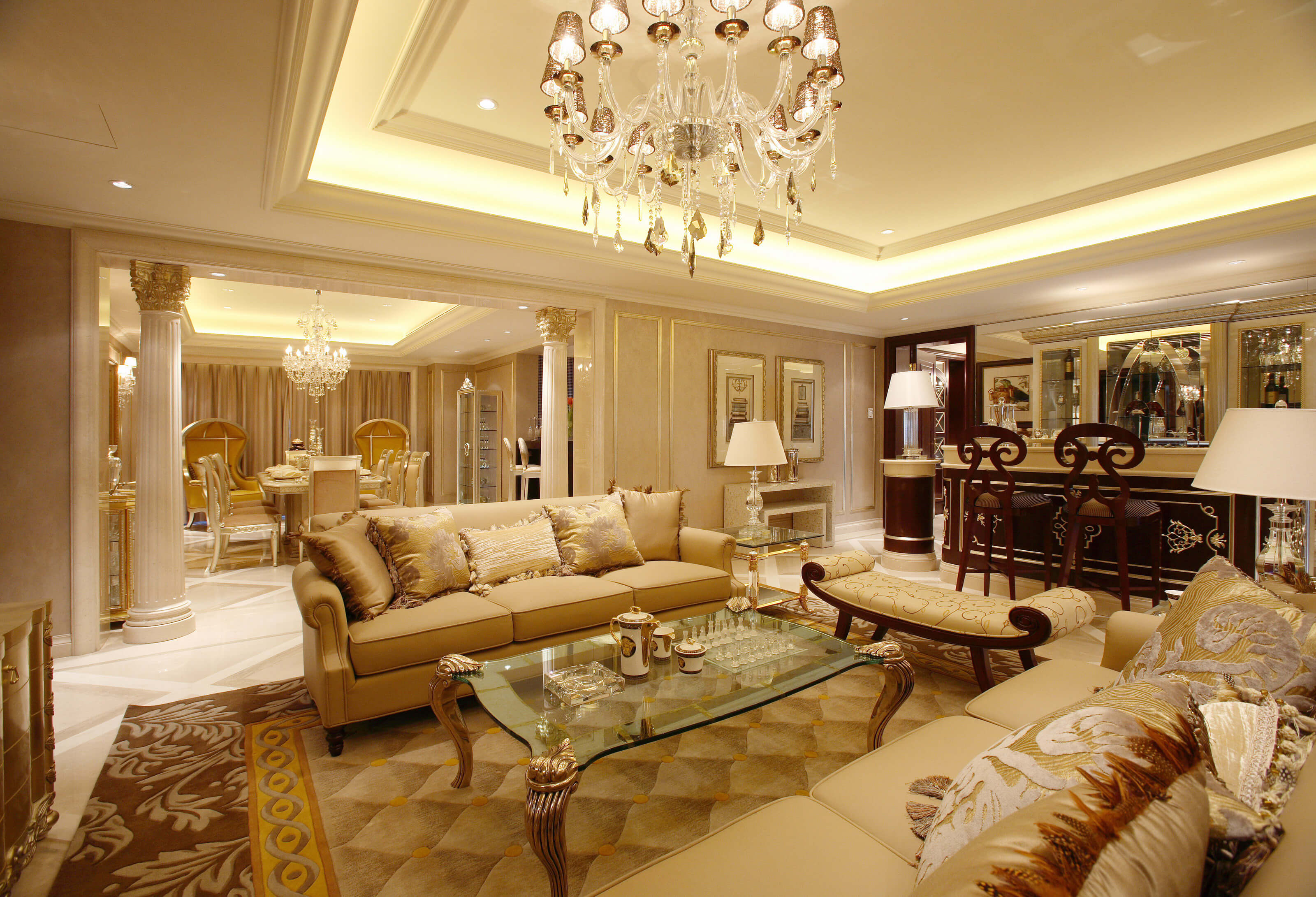
6. Classical European Style

Classical European interior design is characterized by ornate decoration, rich color palettes, and finely crafted forms that together create a sense of refined grandeur.

It often incorporates scroll motifs and shell-inspired relief carvings, with intricate detailing throughout. Decorative inlays such as metal and ivory-like finishes are also commonly used to enhance visual depth and craftsmanship.

This style emphasizes movement, visual rhythm, and a strong sense of ornamentation, aiming to deliver an overall atmosphere of elegance and luxury through layered decorative expression.

In China, classical European-style furniture manufacturing has reached a highly competitive level in both production capability and cost efficiency, making it a strong alternative to comparable mid-range products from Europe and the United States.
Buy Furniture from China
Classical European-style interior design

One of the most noticeable strengths of China’s furniture industry is the breadth of styles it can cover.

But that same diversity often creates a common challenge for buyers: individual pieces may each look appealing on their own, but once placed together, the overall space can feel inconsistent.

That’s why product selection is never just about picking a few items you like. It’s about how everything works together as a complete design language, and how the final space actually comes together in real life.

Materials and Craftsmanship Are What Really Matter

Once the furniture style and overall design direction are defined, the next critical step is choosing the right materials and manufacturing processes. This is what ultimately determines the quality and durability of the furniture.

Many buyers naturally start by focusing on product images. But images can only show the surface appearance, not the underlying details that define real quality.

For example, two sofas may look almost identical at first glance, but the differences often lie in areas such as:

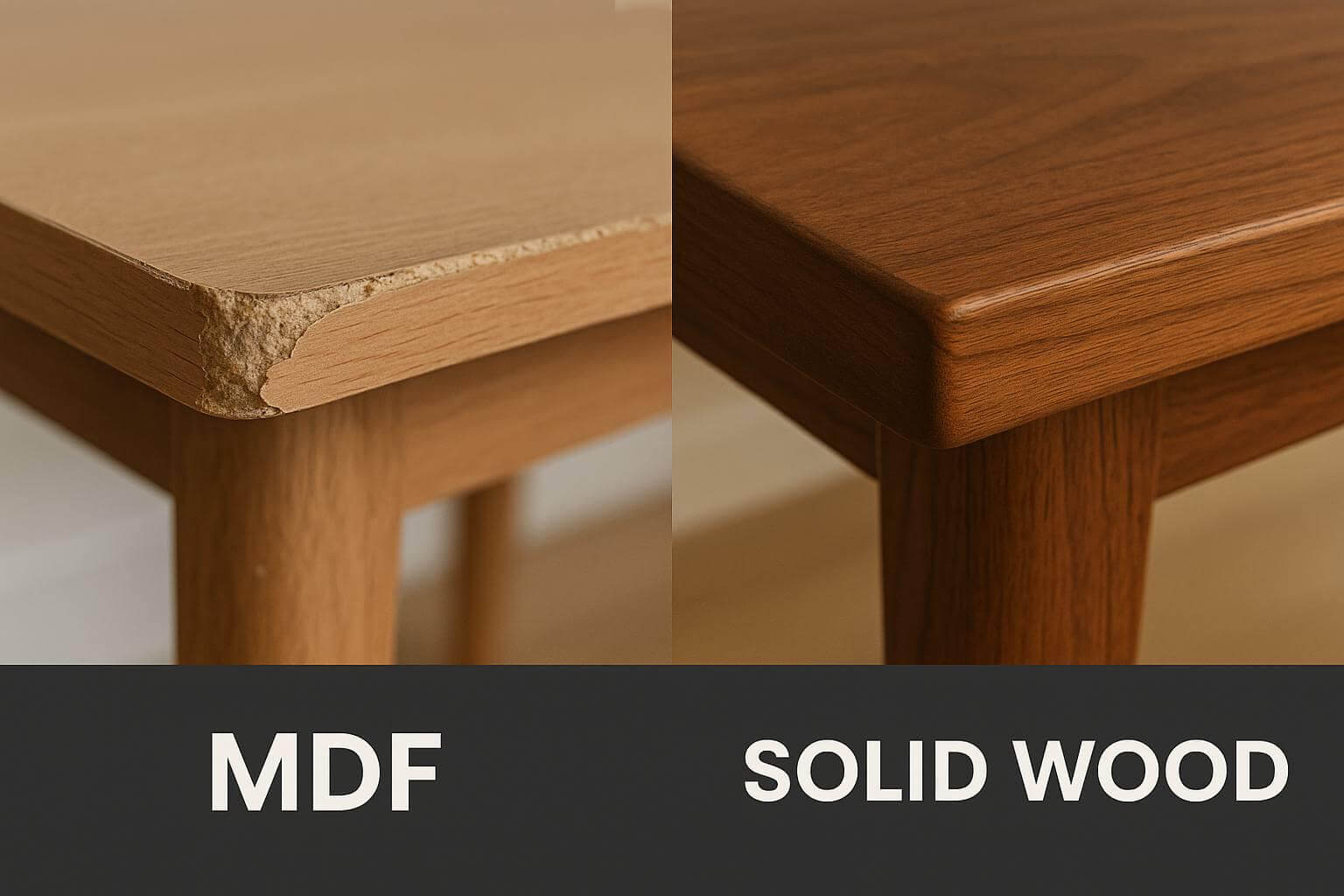
  • Whether the frame is made of solid wood or engineered materials
  • Whether the foam density is sufficient for long-term support
  • Whether there are additional comfort layers such as down or latex
  • Whether the seating feel is soft, medium, or firm
  • What type of upholstery is used, such as performance fabric, cotton-linen, genuine leather, or blended materials
  • How precise the stitching and edge finishing are, including overall tailoring quality

The same applies to beds, dining tables, and cabinetry.

Terms like “solid wood” do not automatically mean the same type or grade of timber. Different species and construction methods can lead to very different durability and appearance.

“Genuine leather” also varies widely, including top-grain leather, full leather constructions, and different leather grades that significantly affect both feel and longevity.

Even materials like sintered stone differ in thickness, scratch resistance, and surface finishing techniques, all of which impact performance over time.

Hardware components such as hinges, drawer slides, and fittings may seem minor, but they directly influence daily usability and how the furniture performs after years of use.
Buy Furniture from China
MDF vs Solid Wood Comparison

So if customers only look at photos and pricing, it’s very easy to assume they are comparing similar products.

In reality, two pieces of furniture that look almost identical can end up delivering completely different levels of quality, comfort, and durability once they are actually used.

That’s exactly why professional sourcing is never just about appearance or cost. Material verification and detailed specification checks need to come first, not last, in the selection process.

What Budget Levels Does Chinese Furniture Fit?

Many people assume Chinese furniture is only about cost efficiency. In reality, it goes far beyond that.

The real strength of China’s supply chain lies in its ability to serve multiple budget tiers, from entry-level solutions to high-end custom projects.

1. Value-Oriented Segment

This category is well suited for rental apartments, student housing, hostels, serviced apartments, and hospitality projects where budget control is a priority.

Products in this range are typically mass-produced, with a focus on cost efficiency while still maintaining functional design and acceptable everyday usability.

2. Mid-Range Quality Segment

This is one of the most commonly chosen categories. It strikes a practical balance between design, craftsmanship, materials, and price, making it suitable for most residential projects.

3. Mid-to-High Design Segment

This level is designed for clients who place greater emphasis on spatial aesthetics, material texture, and long-term user experience. Products in this category often focus more on proportions, detailing, and how different pieces work together as a complete interior composition.

4. High-End Custom Segment

This category is typically used for villas, large apartments, luxury residences, boutique hotels, and premium club spaces. Beyond standalone furniture, it often involves fully customized cabinetry systems, doors and wall panels, hardware, lighting, and coordinated interior furnishing solutions.

So Chinese furniture is not defined by a single “low-cost” identity. Instead, it offers a full spectrum of options across different budget levels and project types.

The key is not to buy the most expensive option, nor the cheapest one, but to select products that genuinely fit the requirements and positioning of your project.

How Should You Choose Furniture from China?

By 2026, if you are planning to source furniture from China, the way decisions are made has already started to shift in subtle but important ways.

First, it is no longer enough to simply look at “who the seller is.” What matters more is the capability structure behind them.

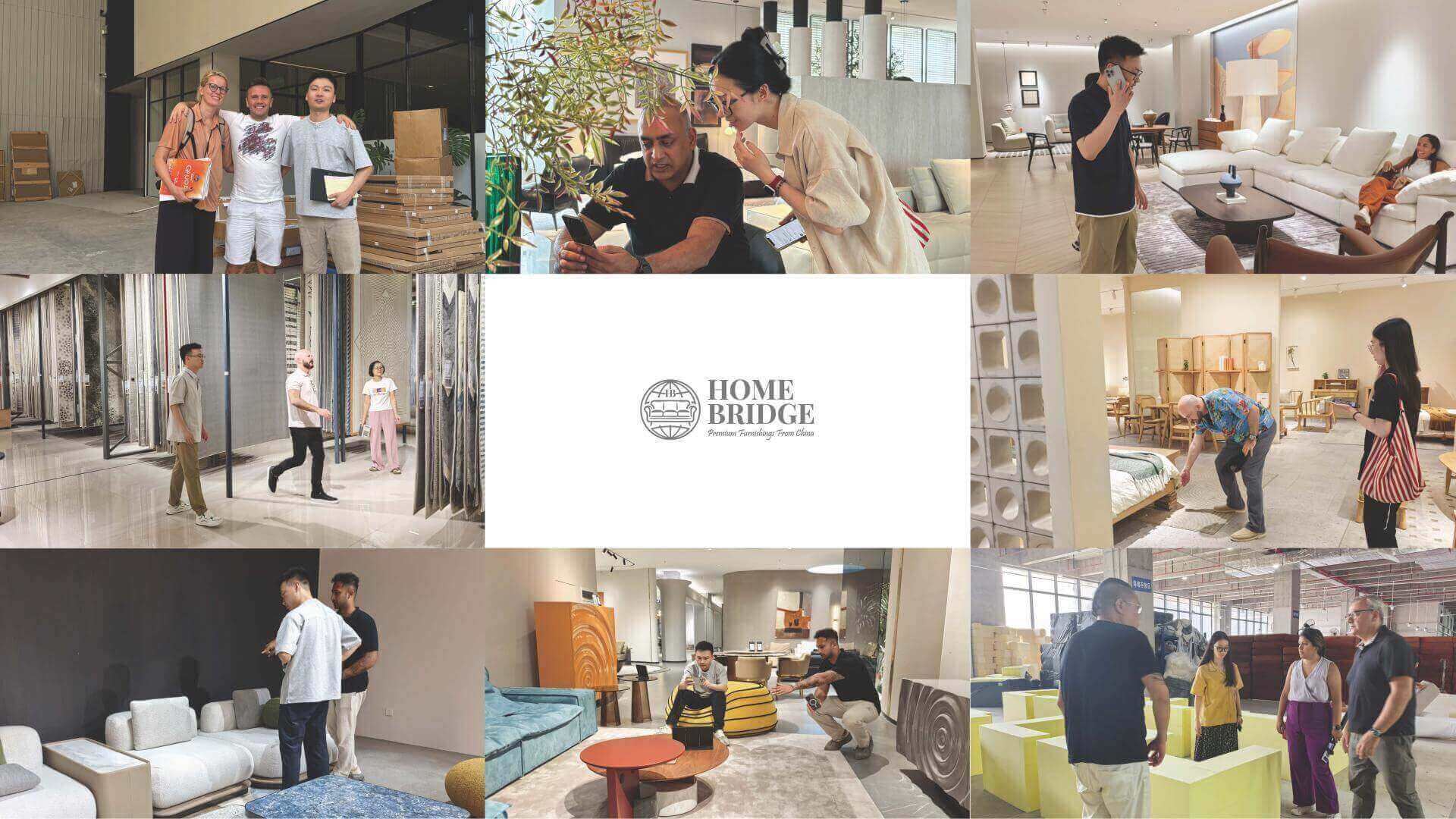
Compared with pure trading companies, integrated manufacturer-trade businesses—such as Homebridge—often provide stronger consistency in product quality, more stable cost control, and higher efficiency in delivery and project execution.

At the same time, compared with standalone factories, they usually have a better understanding of cross-border requirements. This makes communication smoother, coordination faster, and overall responsiveness more aligned with international project needs.
Buy Furniture from China
A one-stop service provider like Homebridge

Second, at the product level, many features that once felt “premium” have now become standard.

Functional sofas, smart mattresses, and even AI-adaptive systems are already widely available in 2025. But precisely because these features have become common, the real differences between products are now much harder to notice at first glance.

What matters today is no longer who offers “more functions,” but who can continuously upgrade functionality while still maintaining stable quality, reasonable pricing, and consistent user experience across different production batches.

You can evaluate products through four key dimensions:

  • Style direction: Start by defining the overall interior style, such as Scandinavian, Italian minimalist, light luxury, or American style. Then select and combine furniture within the same design language to avoid visual inconsistency in the space.
  • Usage frequency: For daily-use furniture like sofas, beds, and chairs, prioritize comfort and structural quality. For low-frequency items such as side tables or decorative pieces, you can place more emphasis on appearance and cost efficiency.
  • Functional needs: Do you actually need electric mechanisms, modular systems, or smart features? The more functions a product has, the higher the cost and system complexity, and the more maintenance or cleaning it may require. Choices should align with real lifestyle habits, not just specifications.
  • Space fit: Dimensions, circulation flow, and spatial layout are more important than any single product. A visually attractive piece that does not fit the space properly will often reduce the overall living experience.

By evaluating furniture through these dimensions, you can better navigate China’s large and diverse furniture ecosystem, and identify options that truly balance value, suitability, and long-term usability.

Explore Furniture Solutions with HomeBridge
Contact us for One-stop Professional Furniture Purchaisng Solution!
By clicking the button, you consent to the processing of personal data

Thank you!

Your message has been received.
Oops! Something went wrong while submitting the form.

China produces up to 1.15 billion pieces of furniture annually, with total exports reaching $67.8 billion in 2025, maintaining its position as the world’s top furniture exporter.

With such massive production capacity, many overseas buyers—whether furnishing a new home, outfitting a guesthouse, hotel, or undertaking a full-home project—face the same question:

What can you actually buy from China, and how do you choose?

Many assume China’s furniture advantage is simply “low cost.” But once you explore further, the real appeal becomes clear: an incredibly wide selection, styles covering every taste, flexible customization, and solutions available for almost any budget or requirement.

Ironically, the abundance of choice can also be confusing. Sofas, dining tables, beds, cabinets, curtains, rugs, lighting—everything looks appealing. But how do you judge quality? What truly fits your home and budget? These are the real challenges in selecting furniture.

In this article, we’ll take a product-focused approach to help you understand what options Chinese furniture really offers.

Buy Furniture from China
Chinese showroom featuring lots of sofas

Chinese furniture options: more than just furniture

Many clients new to sourcing from China start with just one or two items—perhaps a sofa, a dining table, or a few chairs.

However, when tackling a full-home project, it becomes clear that China’s supply chain offers much more than individual pieces of furniture. It can provide an entire ecosystem of products for a complete living space. Typically, for a full residential project, the categories you can source from China include:

  • Living Room Furniture: sofas, coffee tables, TV stands, lounge chairs
  • Dining Room Furniture: dining tables, chairs, sideboards
  • Bedroom Furniture: beds, mattresses, nightstands, wardrobes
  • Outdoor Furniture: swings, hanging chairs, rattan, wicker pieces
  • Office Furniture: conference tables, ergonomic chairs, bookshelves
  • Soft Furnishings: curtains, rugs, artwork
  • Building Materials & Hardware: door handles, lighting fixtures, and some custom projects

Chinese furniture not only covers nearly 99% of available styles but also provides a complete solution for full-home sourcing.

Chinese Furniture Styles: From Minimalist to Classic

1. Modern Minimalist

This style emphasizes simplicity in decoration, reducing design elements, colors, lighting, and materials to the essentials—often achieving a “less is more” effect. It places high demands on layout, color harmony, and material texture.

Chinese modern minimalist furniture has reached the top tier globally, particularly in the mid-to-high-end mass production segment. It’s fair to say that China has become the world’s manufacturing hub for modern minimalist furniture.

Buy Furniture from China
Modern minimalist style interior

2. Scandinavian style

Scandinavian style originates from Europe’s handcrafted traditions, characterized by simple forms, natural materials, and a preference for solid colors. It encompasses design influences from Sweden, Denmark, and Finland.

This style often uses wood, stone, glass, and other natural materials, preserving their original textures.

Furniture produced in China in the Scandinavian style has become a key global supply source, dominating the mid-range market and excelling particularly in wood craftsmanship.

Buy Furniture from China
Scandinavian style interior

3. Italian Minimalist

Italian minimalist design pursues simplicity to the extreme. It emphasizes a clean, uncluttered appearance, paired with refined lines that convey texture and a sense of luxury. Its philosophy focuses on removing unnecessary ornamentation, allowing functionality itself to define the aesthetics.

Chinese-made Italian minimalist furniture now offers world-class mass production and practical availability, transforming a style once reserved for a small elite into products accessible to a wider audience. This category is among the fastest-growing and closest to high-end in China’s furniture industry.

Buy Furniture from China
Italian minimalist interior design style

4. Light Luxury Style

Light luxury style is centered on a sense of understated luxury. It expresses a refined way of living that is simple, comfortable, and restrained, while still maintaining an elegant and high-end aesthetic.

Built on a minimalist foundation, this style focuses on thoughtful detailing rather than visual excess. It feels more refined than pure minimalism, yet less rigid and formal than traditional luxury—offering a balance that resonates strongly with younger consumers.

In China, light luxury furniture has developed into a highly mature and scalable commercial category, with strong competitiveness in the global market. In many ways, this style has been actively shaped and amplified by the Chinese consumer and manufacturing ecosystem.

Buy Furniture from China
Light luxury interior design style

5. American Style Interior Design

American style interior design originates from traditional home design trends in the United States, and is known for its spacious layout, comfort-driven approach, and eclectic blend of influences.

It draws inspiration from the decorative richness of Baroque elements and the relaxed, independent spirit of American culture, resulting in a style that feels both nostalgic and effortlessly lived-in, while still carrying a subtle sense of elegance.

As an expression of the American way of life, this style often features bold and expressive color palettes, along with floral patterns used as decorative accents to add warmth and personality to the space.

In China, American-style furniture has become a major force in global manufacturing and supply chains, with particularly strong dominance in the mid-range market segment.

Buy Furniture from China
American-style interior design

6. Classical European Style

Classical European interior design is characterized by ornate decoration, rich color palettes, and finely crafted forms that together create a sense of refined grandeur.

It often incorporates scroll motifs and shell-inspired relief carvings, with intricate detailing throughout. Decorative inlays such as metal and ivory-like finishes are also commonly used to enhance visual depth and craftsmanship.

This style emphasizes movement, visual rhythm, and a strong sense of ornamentation, aiming to deliver an overall atmosphere of elegance and luxury through layered decorative expression.

In China, classical European-style furniture manufacturing has reached a highly competitive level in both production capability and cost efficiency, making it a strong alternative to comparable mid-range products from Europe and the United States.

Buy Furniture from China
Classical European-style interior design

One of the most noticeable strengths of China’s furniture industry is the breadth of styles it can cover.

But that same diversity often creates a common challenge for buyers: individual pieces may each look appealing on their own, but once placed together, the overall space can feel inconsistent.

That’s why product selection is never just about picking a few items you like. It’s about how everything works together as a complete design language, and how the final space actually comes together in real life.

Materials and Craftsmanship Are What Really Matter

Once the furniture style and overall design direction are defined, the next critical step is choosing the right materials and manufacturing processes. This is what ultimately determines the quality and durability of the furniture.

Many buyers naturally start by focusing on product images. But images can only show the surface appearance, not the underlying details that define real quality.

For example, two sofas may look almost identical at first glance, but the differences often lie in areas such as:

  • Whether the frame is made of solid wood or engineered materials
  • Whether the foam density is sufficient for long-term support
  • Whether there are additional comfort layers such as down or latex
  • Whether the seating feel is soft, medium, or firm
  • What type of upholstery is used, such as performance fabric, cotton-linen, genuine leather, or blended materials
  • How precise the stitching and edge finishing are, including overall tailoring quality

The same applies to beds, dining tables, and cabinetry.

Terms like “solid wood” do not automatically mean the same type or grade of timber. Different species and construction methods can lead to very different durability and appearance.

“Genuine leather” also varies widely, including top-grain leather, full leather constructions, and different leather grades that significantly affect both feel and longevity.

Even materials like sintered stone differ in thickness, scratch resistance, and surface finishing techniques, all of which impact performance over time.

Hardware components such as hinges, drawer slides, and fittings may seem minor, but they directly influence daily usability and how the furniture performs after years of use.

Buy Furniture from China
MDF vs Solid Wood Comparison

So if customers only look at photos and pricing, it’s very easy to assume they are comparing similar products.

In reality, two pieces of furniture that look almost identical can end up delivering completely different levels of quality, comfort, and durability once they are actually used.

That’s exactly why professional sourcing is never just about appearance or cost. Material verification and detailed specification checks need to come first, not last, in the selection process.

What Budget Levels Does Chinese Furniture Fit?

Many people assume Chinese furniture is only about cost efficiency. In reality, it goes far beyond that.

The real strength of China’s supply chain lies in its ability to serve multiple budget tiers, from entry-level solutions to high-end custom projects.

1. Value-Oriented Segment

This category is well suited for rental apartments, student housing, hostels, serviced apartments, and hospitality projects where budget control is a priority.

Products in this range are typically mass-produced, with a focus on cost efficiency while still maintaining functional design and acceptable everyday usability.

2. Mid-Range Quality Segment

This is one of the most commonly chosen categories. It strikes a practical balance between design, craftsmanship, materials, and price, making it suitable for most residential projects.

3. Mid-to-High Design Segment

This level is designed for clients who place greater emphasis on spatial aesthetics, material texture, and long-term user experience. Products in this category often focus more on proportions, detailing, and how different pieces work together as a complete interior composition.

4. High-End Custom Segment

This category is typically used for villas, large apartments, luxury residences, boutique hotels, and premium club spaces. Beyond standalone furniture, it often involves fully customized cabinetry systems, doors and wall panels, hardware, lighting, and coordinated interior furnishing solutions.

So Chinese furniture is not defined by a single “low-cost” identity. Instead, it offers a full spectrum of options across different budget levels and project types.

The key is not to buy the most expensive option, nor the cheapest one, but to select products that genuinely fit the requirements and positioning of your project.

How Should You Choose Furniture from China?

By 2026, if you are planning to source furniture from China, the way decisions are made has already started to shift in subtle but important ways.

First, it is no longer enough to simply look at “who the seller is.” What matters more is the capability structure behind them.

Compared with pure trading companies, integrated manufacturer-trade businesses—such as Homebridge—often provide stronger consistency in product quality, more stable cost control, and higher efficiency in delivery and project execution.

At the same time, compared with standalone factories, they usually have a better understanding of cross-border requirements. This makes communication smoother, coordination faster, and overall responsiveness more aligned with international project needs.

Buy Furniture from China
A one-stop service provider like Homebridge

Second, at the product level, many features that once felt “premium” have now become standard.

Functional sofas, smart mattresses, and even AI-adaptive systems are already widely available in 2025. But precisely because these features have become common, the real differences between products are now much harder to notice at first glance.

What matters today is no longer who offers “more functions,” but who can continuously upgrade functionality while still maintaining stable quality, reasonable pricing, and consistent user experience across different production batches.

You can evaluate products through four key dimensions:

  • Style direction: Start by defining the overall interior style, such as Scandinavian, Italian minimalist, light luxury, or American style. Then select and combine furniture within the same design language to avoid visual inconsistency in the space.
  • Usage frequency: For daily-use furniture like sofas, beds, and chairs, prioritize comfort and structural quality. For low-frequency items such as side tables or decorative pieces, you can place more emphasis on appearance and cost efficiency.
  • Functional needs: Do you actually need electric mechanisms, modular systems, or smart features? The more functions a product has, the higher the cost and system complexity, and the more maintenance or cleaning it may require. Choices should align with real lifestyle habits, not just specifications.
  • Space fit: Dimensions, circulation flow, and spatial layout are more important than any single product. A visually attractive piece that does not fit the space properly will often reduce the overall living experience.

By evaluating furniture through these dimensions, you can better navigate China’s large and diverse furniture ecosystem, and identify options that truly balance value, suitability, and long-term usability.