



Foshan is widely known as China’s furniture capital, home to more than 70,000 furniture-related businesses and around $9.8 billion in furniture exports in 2025. In Lecong alone, there are over 180 large furniture malls covering more than 4 million square meters.
Everything is concentrated here—showrooms, factory stores, sourcing teams, buyers, and trading companies. The sheer number of options can easily feel overwhelming.
For most first-time buyers, the usual approach is hiring a sourcing agent, visiting trade shows, or browsing platforms like Alibaba. But this article takes a more insider perspective—looking beyond the common channels to explain the filtering logic that actually matters.
1. Furniture Malls, Trade Shows, and Online Platforms
For first-time buyers sourcing furniture in Foshan, the most common channels are furniture malls, trade shows, and online platforms like Alibaba.
A sourcing agent’s value lies in local market knowledge. They know which showrooms are suitable for high-end residential projects, which factories are stronger in customization, and which suppliers deliver more consistently. For overseas buyers unfamiliar with Foshan’s furniture market, an experienced agent can save significant time and prevent endless comparisons across a massive market.
Trade shows are better for understanding industry trends in one place. Buyers can see new products from many brands within a short time and speak with manufacturers directly. However, what you see at a trade show is often the supplier’s most polished presentation. Lead times, customization capability, and after-sales support still need to be verified later. Professional buyers don’t place orders just because a sample looks good—they treat the fair as a starting point, then check the factory background and production follow-up before making a decision.
Online platforms such as Alibaba are useful for early research and price reference. They help you quickly understand product types and general pricing. But the issue is that online images can look refined, while the actual product may not fully match. For this reason, online platforms are better used as a first filter, not the final basis for decision-making.
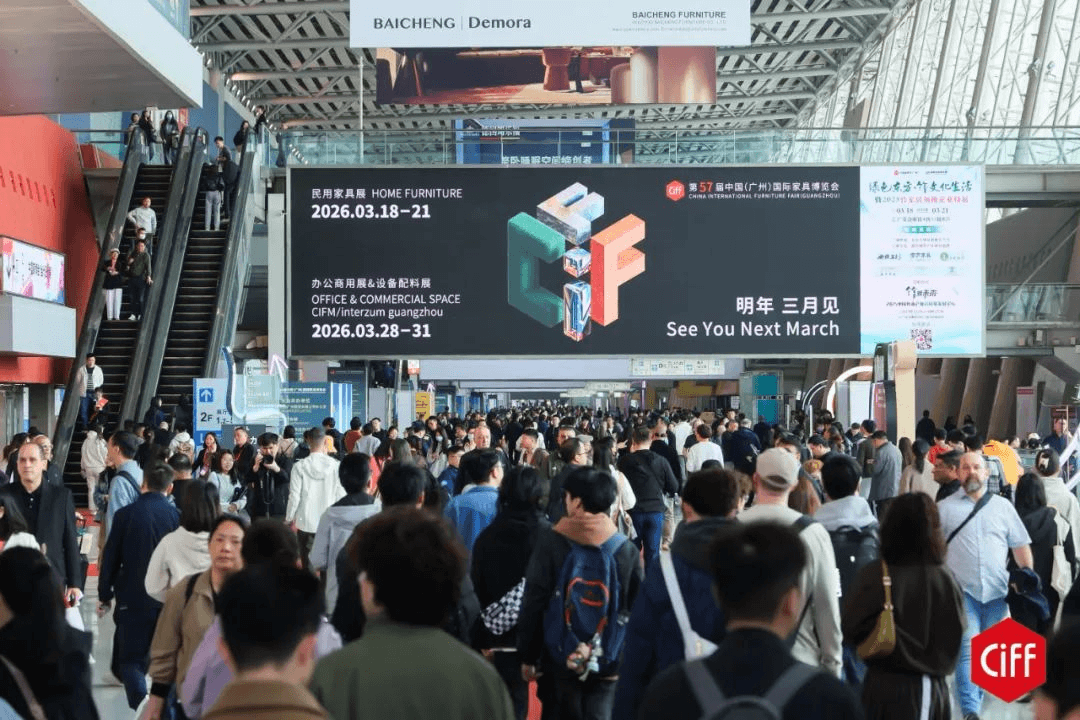
2. Filtering Through Popular Online Furniture Stores
Beyond the usual sourcing channels, experienced buyers know that many furniture stores in Foshan are now highly active on platforms like TikTok, Instagram, Facebook, and Xiaohongshu.
Some accounts look extremely polished. Their showrooms resemble luxury hotels, videos feel like interior design campaigns, and the comment sections are full of engagement. But popularity does not always mean reliability, and polished visuals do not guarantee real product quality.
A more practical approach is to shortlist suppliers online first. Before arriving in Foshan, narrow your options down to around 10 stores that match your needs. Don’t rely on a single supplier, and don’t place orders just because something looks impressive at first glance.
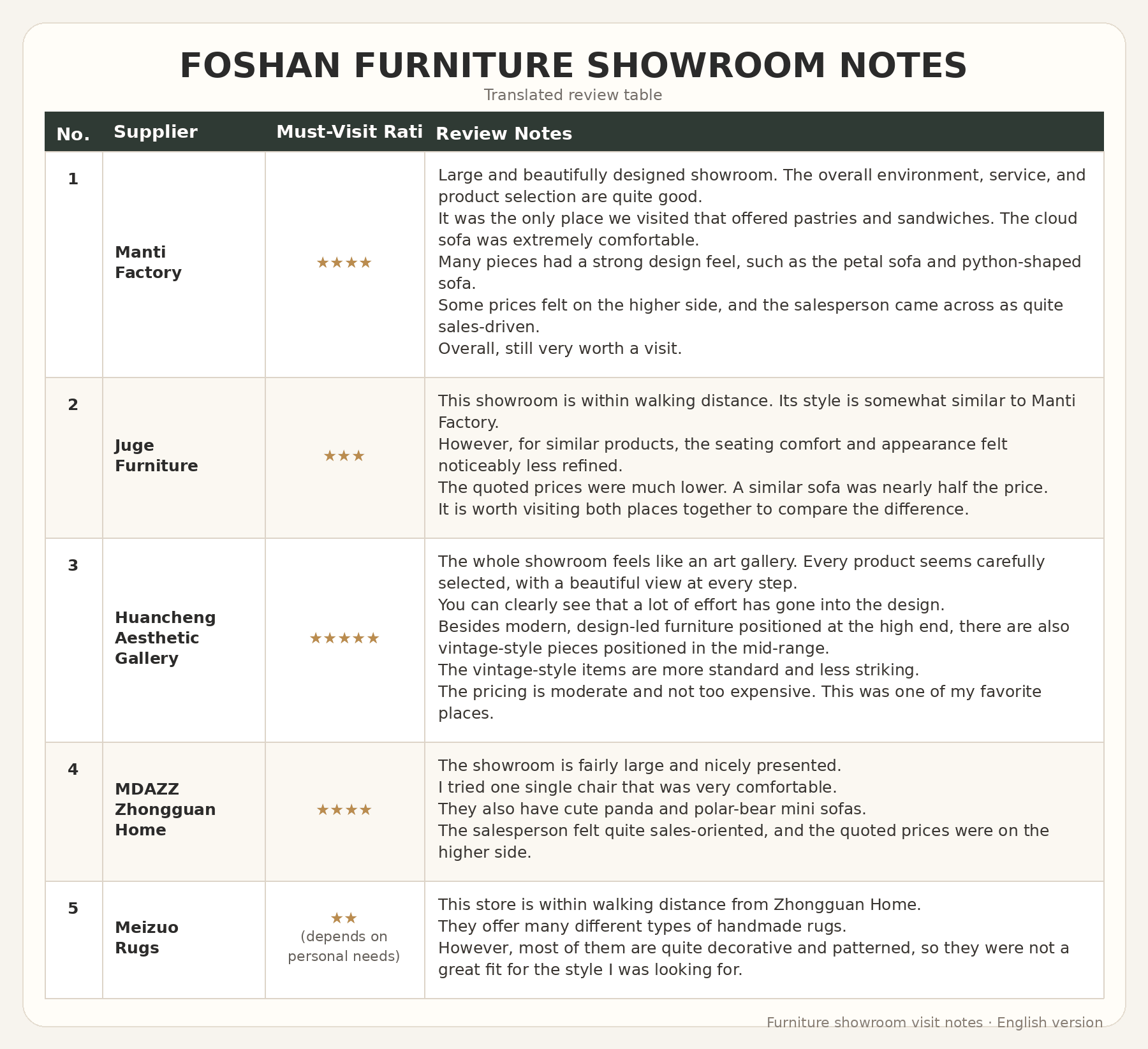
It helps to create a simple comparison sheet—recording each supplier’s style, core product categories, and price range.
Once in Foshan, prioritize visiting these pre-screened showrooms. Larger stores usually have more experience working with overseas buyers and more complete product displays. But while visiting, don’t focus only on taking attractive photos. What really matters is documenting specifications and pricing—such as sofa dimensions, table materials, or bed frame structures.
For the same type of product, compare at least 3–5 suppliers. Record prices, materials, and lead times, then review everything calmly afterward. This is far safer than making rushed decisions under showroom sales pressure.
3. Factory Accounts Just Starting on Social Media
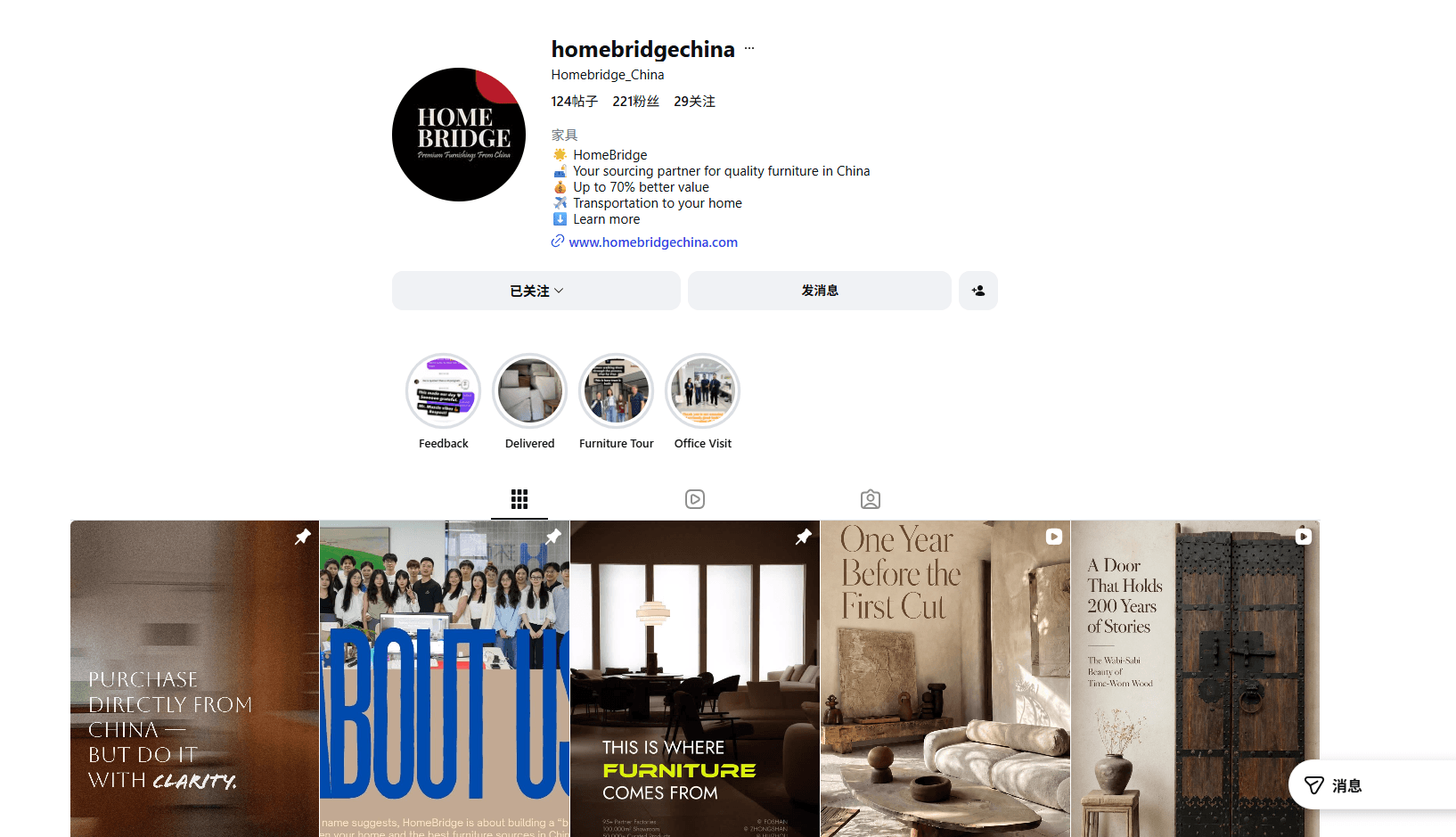
Beyond the large, popular stores, there’s another type of supplier worth paying attention to: factory accounts that are just beginning to build their presence on social media.
These factories may not have many followers or highly polished content, but they often respond quickly and communicate more directly. Because they are actively building their customer base and portfolio, their service attitude is usually more proactive. If you ask about fabrics, dimensions, or craftsmanship, they are often willing to send videos, close-up details, or sample cards immediately.
Reliable factory accounts tend to share information clearly.
They usually explain details such as fabric suppliers, color codes, and internal frame materials more transparently. Compared to accounts that only post heavily edited images while repeatedly claiming “factory direct” or “lowest price online,” suppliers willing to discuss material details openly are often more worth continuing conversations with.
You can start by adding them and learning more before placing any orders. Ask for quotations, catalogs, and customer feedback. If the style fits your needs, request fabric samples. Once you receive them, you can feel the texture yourself and even compare approximate market prices online, since many material price ranges are publicly available.
If a supplier is willing to include detailed material specifications in the contract and the pricing appears reasonable, it usually indicates a more transparent cost structure.
Some factories are not focused on aggressive markups—they simply earn reasonable processing margins. In many cases, those partnerships are more stable over the long term. The key is not whether the supplier makes money, but whether the pricing is transparent, reasonable, and backed by accountability for quality.
4. Working with a Professional Sourcing Team
Many buyers discover that choosing furniture is only a small part of the process. What follows is a much more complex chain of coordination.
Different factories need to synchronize production and shipping. Packaging often requires reinforcement. Ocean freight, export documentation, customs procedures, repairs, and after-sales issues all need to be managed. Most factories only focus on manufacturing the products—they usually won’t handle everything that comes afterward.
Trying to coordinate all of this alone can quickly become time-consuming and exhausting. What many buyers truly need is a professional sourcing team like Homebridge.
Homebridge has long-term connections across Foshan’s furniture industry, working with more than 95 furniture factories and offering access to over 100,000 square meters of showroom resources for on-site selection.
For overseas buyers, Homebridge is more than a showroom guide. The team also provides DDP delivery support, helping manage the full process—from product selection and quotations to order follow-up, quality inspection, shipment consolidation, and export logistics. This allows clients to avoid dealing with multiple factories individually or handling complex coordination on their own.
For first-time visitors to Foshan, or buyers sourcing for full-home, apartment, or villa projects, working with a sourcing team that understands the local market is often more efficient—and far easier for controlling risk.

Common Mistakes First-Time Buyers Make
Once you’ve learned how to identify relatively reliable suppliers, the next step is avoiding the common traps many first-time buyers fall into.
1、Overlooking Contract Details
After finding the right supplier, the most important step is turning verbal promises into written confirmation.
Many disputes don’t happen because someone intended to mislead from the beginning—they happen because details were never clearly defined.
When a seller says “genuine leather,” you may assume full leather, while they may only mean leather on contact surfaces. When they say “solid wood,” you may expect the entire piece to be solid wood, while they actually mean a solid wood frame with engineered panels. When they say “around 45 days,” you may interpret it as guaranteed delivery, while they only mean an estimated production timeline.
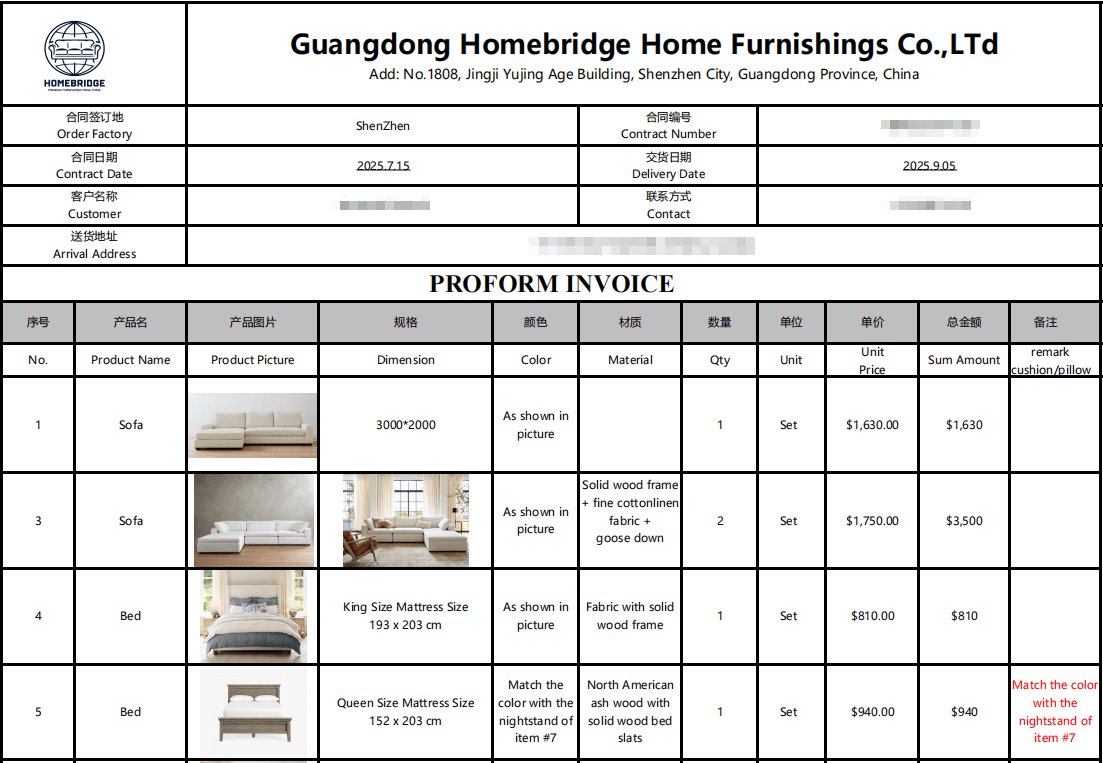
That’s why contracts should include as many details as possible—dimensions, colors, materials, hardware, and specifications. Fabric details are especially important: model numbers and color codes should always be clearly listed. If fabric samples have already been sent, it’s best to state in the contract that production should follow the approved sample.
Once furniture enters production, returns and replacements become extremely difficult. The more detailed the contract is upfront, the lower the risk later.
2、Don’t Be Misled by Beautiful Showrooms
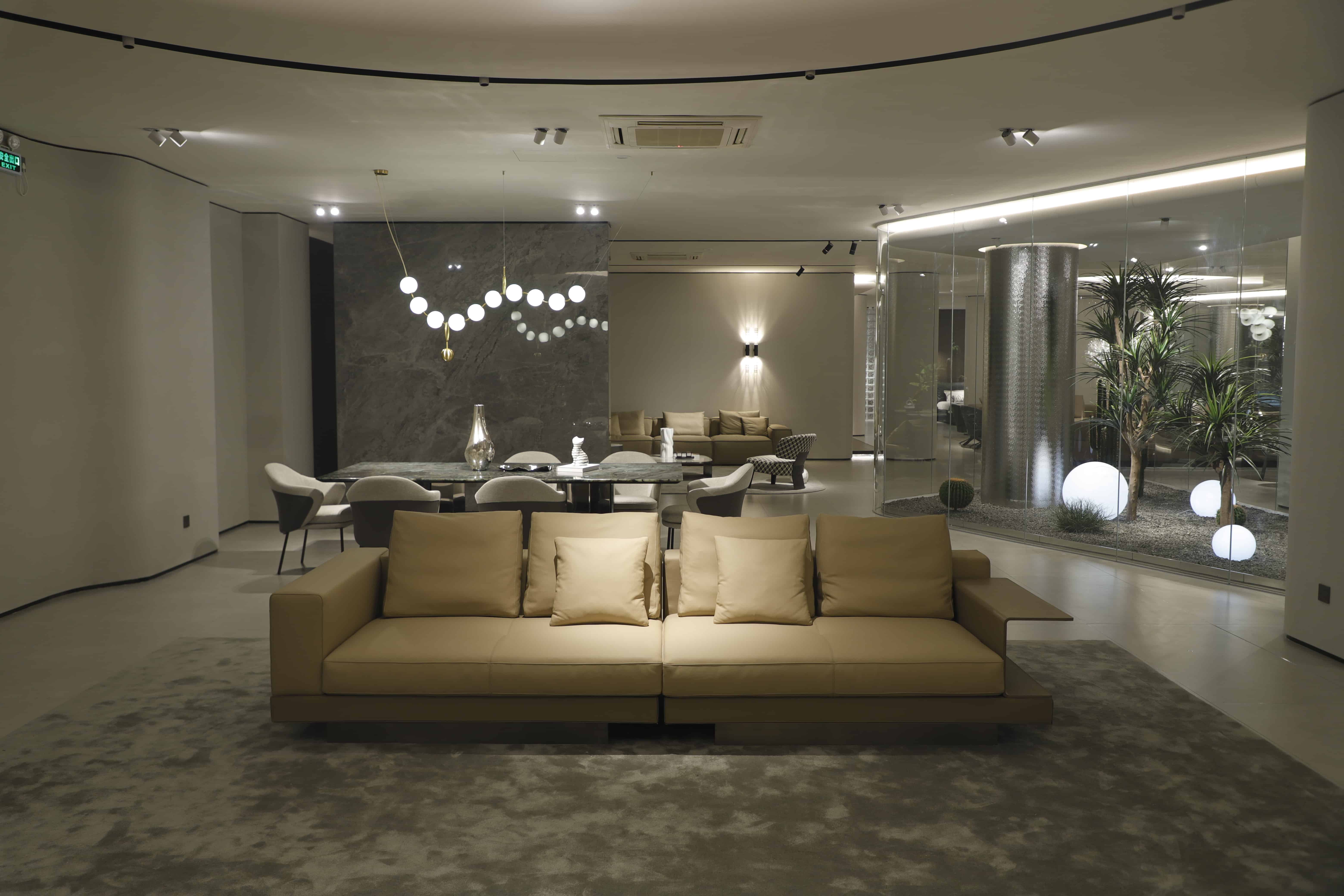
Many showrooms in Foshan are undeniably impressive. The lighting, scent, music, and styling are all carefully designed. Under spotlights, stone tables look more premium, sofas feel more refined, and even ordinary wood textures can appear effortlessly minimalist.
For many buyers, the moment they walk in, they immediately think: “This is exactly the kind of home I want.”
But the reality is that showrooms are not just selling furniture—they’re selling a fully staged lifestyle.
There are even professional teams dedicated to showroom styling, making sure every product is displayed in its most attractive state. What you see is the version most likely to convince people to buy.
Once the furniture arrives at home, however, the experience can be very different. A sofa that looks elegant in a 300-square-meter showroom may feel oversized in a standard living room. A stone dining table that appears luxurious under showroom lighting may clash with warm wood flooring at home. A bed displayed with a thick mattress may end up sitting much higher than expected in daily use.
More importantly, the showroom sample is not always identical to the final production version.
Some display pieces are built with upgraded materials—better leather, denser foam, or higher specifications—to create a stronger impression. During mass production, however, materials may be adjusted to control costs. The appearance may look similar, but the comfort and durability can be completely different.
3、Don’t Be Swayed by “Display Sale” Tactics
“If you don’t order today, it’ll be gone.”
“This is the last display piece.”
“Today’s price is the lowest possible.”
These phrases are extremely common in Foshan’s furniture market.
Some display items really are discounted because showrooms regularly update their collections. But in many cases, so-called “clearance sales” are simply designed to create urgency and push buyers into quick decisions.
Salespeople understand this well: once buyers leave the showroom and start comparing prices calmly, the chance of closing the deal drops significantly.
In reality, many “special display prices” are not as attractive as they seem. Some sellers first inflate the original price, then present a “discounted” figure to create the feeling of getting a bargain—when it may actually be close to the normal market price.
And the display pieces themselves can come with hidden issues: surface wear from long-term display, reduced foam support from repeated testing, or loosened hardware. In a polished showroom environment, these details are easy to overlook.
Even worse, display items are often sold without return or exchange options. Sellers may simply claim that the price is already heavily discounted, leaving the buyer to absorb the risk afterward.

What Reliable Suppliers Usually Have in Common
Finding furniture suppliers in Foshan can feel complicated, but the core principle is actually simple:
Are they willing to let you see things clearly?
A supplier willing to show detailed product information usually has confidence in its products. A supplier willing to explain material sources can withstand comparison. A supplier willing to break down pricing structures is less likely to rely on hidden markups. And a supplier willing to clearly define contract terms is usually prepared to take responsibility beyond just closing the sale.
Reliable suppliers rarely pressure buyers into placing orders immediately. They don’t rely only on phrases like “clearance,” “lowest price,” or “factory direct” to attract attention. Instead, they help confirm dimensions, remind you about shipping timelines, and stay involved with after-sales support and repairs.
If you’re unfamiliar with the Foshan market—or simply want to reduce the risks involved in communication, supplier screening, and logistics—it can also make sense to work with a professional sourcing team like Homebridge. Through local resources, supplier evaluation, and full-process coordination, Homebridge helps buyers source more efficiently while also providing DDP delivery support to simplify the entire process.
The real value of DDP is that it reconnects what would otherwise be fragmented stages into one coordinated system, managed by a single responsible party. For first-time buyers importing furniture from China, this means you don’t need to learn every shipping term, coordinate with multiple companies, or suddenly figure out customs procedures when issues arise. Once the details are confirmed upfront, the execution can be handled by the Homebridge team.
In other words, instead of navigating Foshan’s furniture market alone, you have a local team managing the complexity of the supply chain and taking responsibility for the final delivery outcome.
.svg)






.svg)
.svg)


