
How are Chinese exporters able to evade Chinese tariffs?

How are Chinese exporters able to evade Chinese tariffs?
Author-Image
Last Update:  
May 21, 2026

Tariffs are an unavoidable part of cross-border sourcing. They directly affect the final cost and can shape a product’s competitiveness. Depending on the country, tariff rates can range from 0% to over 50% when additional duties are layered on.

Many people assume tariffs are fixed costs that cannot be changed. But experienced Chinese exporters know how to plan, optimize, and manage tariff costs proactively.

Of course, “avoidance” here does not mean underdeclaring product value, using false origins, or forging documents. These methods may seem to save money in the short term, but the risks are extremely high. A more sustainable approach is to control and structure tariff costs within a legal framework.
Tariffs vary by country

1. Taking Advantage of Duty-Free Thresholds

Low-value duty exemptions exist because customs authorities also need to control administrative costs. It simply isn’t practical to spend large amounts of manpower reviewing very small shipments.

Different countries and regions apply different rules to low-value packages. Some allow duty-free entry, while others simplify customs procedures for smaller shipments.

For example, the European Union still allows duty-free treatment for packages under €150, although VAT still applies. The United Kingdom exempts packages under £135 from customs duties, with the policy currently expected to continue through 2029.

Australia exempts goods under AUD 1,000 from import duties. While a 10% GST may still apply, it is often collected directly by the seller during checkout, meaning buyers usually don’t need to handle additional customs procedures themselves.

As a result, small-package shipping remains highly effective for lower-value products that can be shipped individually. This is especially true for smaller furniture pieces, lighting, and decorative items, where lower weight and compact size make these policies particularly useful for reducing overall import costs.

Customs handling small parcels

2. Real Third-Country Manufacturing

If low-value imports are more suitable for small parcels, then third-country manufacturing is the long-term strategy for medium and large export businesses.

In recent years, many Chinese companies have expanded production into countries such as Vietnam, Thailand, Malaysia, Indonesia, and Mexico. On the surface, this appears to be a response to tariffs. In reality, it reflects a broader shift from a pure export model toward a global supply chain model.

The key concept here is substantial transformation.

For example, China may supply wood, hardware, fabrics, and semi-finished materials, while a factory in Vietnam completes cutting, assembly, painting, inspection, and packaging. Once a new furniture product is substantially transformed there, it may qualify for Vietnamese origin status.

More mature companies are now building systems based on a “China supply chain center + third-country manufacturing base + global delivery network” structure.

China continues handling R&D, sampling, material sourcing, and supply chain management, while third countries manage parts of the manufacturing and regional fulfillment. This approach not only reduces some tariff pressure, but can also shorten delivery times, diversify trade risk, and improve resilience against international policy changes.

To prove legitimate third-country manufacturing, companies must maintain complete production documentation—including local procurement records, manufacturing process records, labor logs, shipping documents, and certificates of origin. As long as the supply chain is genuine, the tariff structure can often be planned more strategically within legal frameworks.
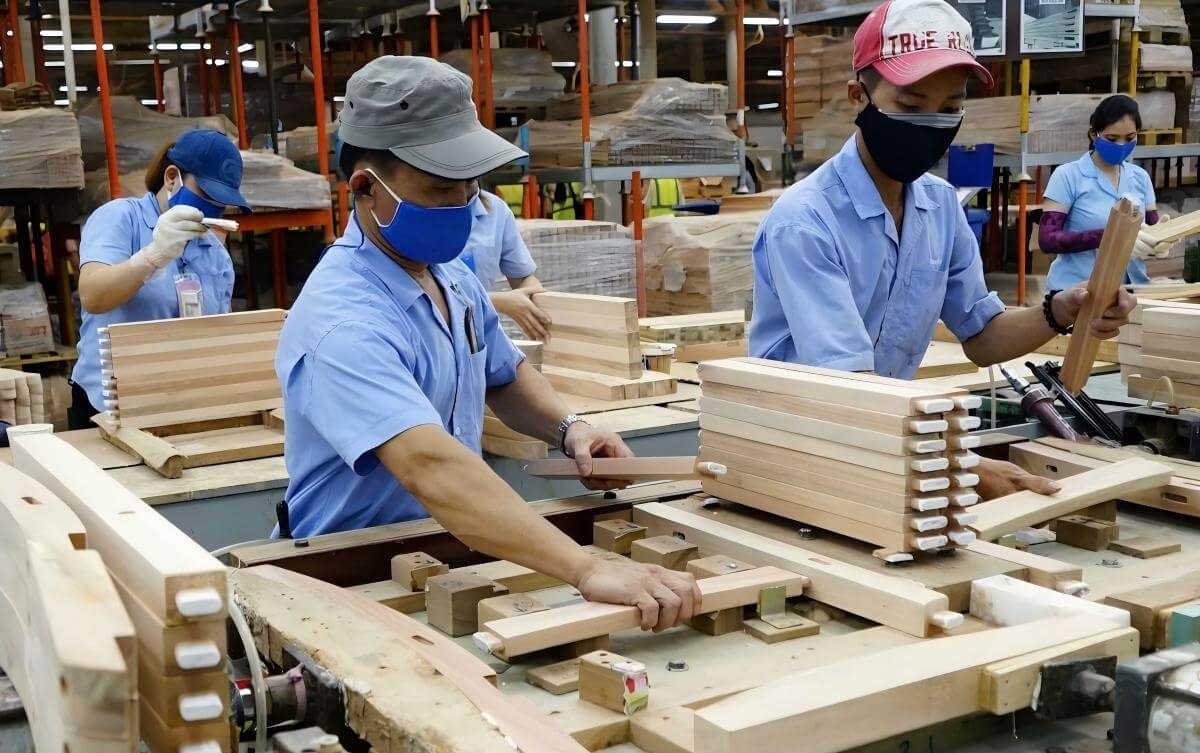
Production genuinely shifted to a factory in Vietnam

3. Strategic Product Structuring

Many companies also optimize costs through product structuring and shipment separation. This approach can work—but only when it is built on genuine commercial logic.

More experienced exporters are no longer simply splitting shipments. Instead, they are redesigning how product value is structured and declared.

For example, some lighting companies no longer declare an entire lamp as a single product. Instead, LED columns, driver units, and heat dissipation components are classified separately, contracted separately, and shipped in stages. In some cases, this can reduce the effective tariff burden from 25% to 8%, while remaining fully aligned with the product’s actual structure.

Another example is solid wood bed exports. A North American oak bed may be divided into material costs, mortise-and-tenon design drawings, and handcrafted carving labor. Part of the value may then be declared through intellectual property or licensing channels, reducing the taxable product base while also reflecting the product’s design and craftsmanship value.

Even a single screw can fall under different tariff classifications depending on its material, purpose, or manufacturing process. Different structures naturally correspond to different HS codes.

Overall, when product structuring and shipping channels are used appropriately and legally, cross-border trade can achieve a more competitive cost structure while remaining compliant.
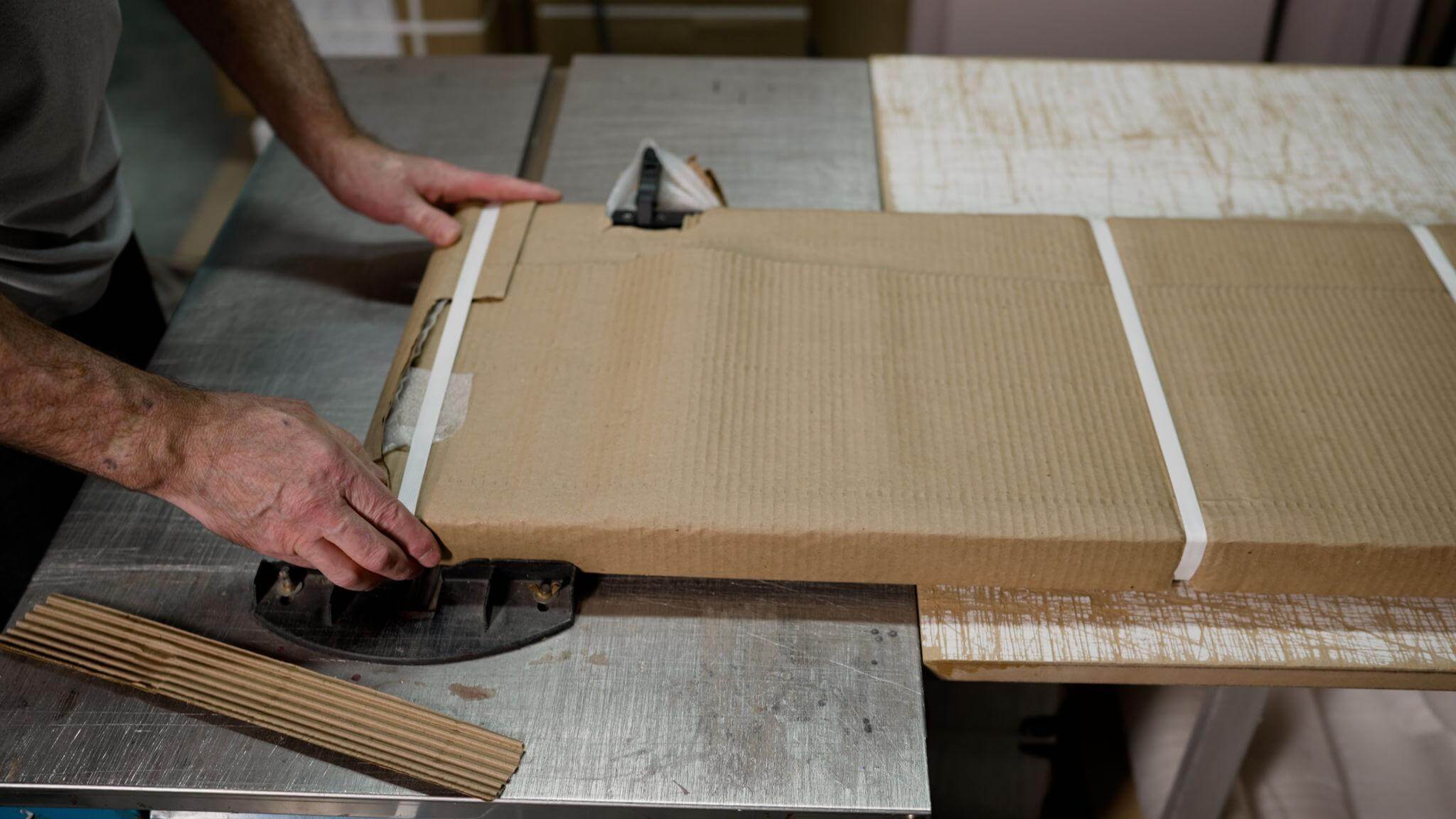
Factory splitting shipments into separate packages

From Avoiding Costs to Designing Costs

In the past, many companies treated tariffs as something to avoid. More mature businesses now see tariffs as part of supply chain design itself.

During product development, they already consider the relationship between materials, structure, usage, and HS classifications. Different materials, functions, and product combinations can naturally fall under very different tariff rates.

At the market selection stage, companies also evaluate tariffs, VAT/GST, sea freight, local delivery costs, and final retail pricing together. Some markets are better suited for small-parcel shipping, some for overseas warehouses, and others for full-container imports. Not every country fits the same export model.

At the supply chain level, manufacturing stages are also redistributed. Which processes remain in China, which move to third countries, and which are placed closer to end markets—all of these are essentially part of redesigning the global cost structure.

Experienced exporters also clearly explain the responsibility differences between EXW, FOB, CIF, and DDP quotations. Many overseas buyers are not most worried about high prices—they are worried about unclear costs. Once buyers understand how the landed cost is structured, they are often more willing to source from China, even after adding freight and tariffs.

The Value of Homebridge

For many overseas buyers importing furniture from China for the first time, the biggest concern is not the product price itself, but the complicated chain of taxes, customs, and logistics that follows.

Furniture is not a simple consumer product. It involves HS classifications, destination-country regulations, anti-dumping risks, and local delivery coordination. Mistakes in any part of the process can create significant additional costs.

This is where Homebridge adds value.

We help clients evaluate furniture tariff policies, HS code classifications, declaration methods, and additional tax requirements across different countries, reducing the risk of customs inspections caused by incorrect classifications or incomplete documentation.

Homebridge as a tariff planning expert

At the same time, based on extensive cross-border sourcing experience, Homebridge has developed more cost-efficient import optimization strategies that can help reduce overall landed costs. If you would like to explore these options further, you are welcome to contact us directly.

Before purchasing begins, we also help estimate the total landed cost—including duties, taxes, sea freight, port charges, and local delivery fees. This allows buyers to understand the approximate total cost before placing orders, rather than discovering unexpected charges after arrival.

For clients who prefer a simpler process, Homebridge also provides DDP services, managing export procedures, transportation, customs clearance, duties, taxes, and final delivery under one coordinated system. Buyers do not need to study complex international trade rules themselves—the process can be handled through one team.

In simple terms, instead of trying to navigate international trade alone, you work with people who already understand the furniture export process and can help plan the entire supply chain clearly in advance.

Explore Furniture Solutions with HomeBridge
Contact us for One-stop Professional Furniture Purchaisng Solution!
By clicking the button, you consent to the processing of personal data

Thank you!

Your message has been received.
Oops! Something went wrong while submitting the form.

Tariffs are an unavoidable part of cross-border sourcing. They directly affect the final cost and can shape a product’s competitiveness. Depending on the country, tariff rates can range from 0% to over 50% when additional duties are layered on.

Many people assume tariffs are fixed costs that cannot be changed. But experienced Chinese exporters know how to plan, optimize, and manage tariff costs proactively.

Of course, “avoidance” here does not mean underdeclaring product value, using false origins, or forging documents. These methods may seem to save money in the short term, but the risks are extremely high. A more sustainable approach is to control and structure tariff costs within a legal framework.

Tariffs vary by country

1. Taking Advantage of Duty-Free Thresholds

Low-value duty exemptions exist because customs authorities also need to control administrative costs. It simply isn’t practical to spend large amounts of manpower reviewing very small shipments.

Different countries and regions apply different rules to low-value packages. Some allow duty-free entry, while others simplify customs procedures for smaller shipments.

For example, the European Union still allows duty-free treatment for packages under €150, although VAT still applies. The United Kingdom exempts packages under £135 from customs duties, with the policy currently expected to continue through 2029.

Australia exempts goods under AUD 1,000 from import duties. While a 10% GST may still apply, it is often collected directly by the seller during checkout, meaning buyers usually don’t need to handle additional customs procedures themselves.

As a result, small-package shipping remains highly effective for lower-value products that can be shipped individually. This is especially true for smaller furniture pieces, lighting, and decorative items, where lower weight and compact size make these policies particularly useful for reducing overall import costs.

Customs handling small parcels

2. Real Third-Country Manufacturing

If low-value imports are more suitable for small parcels, then third-country manufacturing is the long-term strategy for medium and large export businesses.

In recent years, many Chinese companies have expanded production into countries such as Vietnam, Thailand, Malaysia, Indonesia, and Mexico. On the surface, this appears to be a response to tariffs. In reality, it reflects a broader shift from a pure export model toward a global supply chain model.

The key concept here is substantial transformation.

For example, China may supply wood, hardware, fabrics, and semi-finished materials, while a factory in Vietnam completes cutting, assembly, painting, inspection, and packaging. Once a new furniture product is substantially transformed there, it may qualify for Vietnamese origin status.

More mature companies are now building systems based on a “China supply chain center + third-country manufacturing base + global delivery network” structure.

China continues handling R&D, sampling, material sourcing, and supply chain management, while third countries manage parts of the manufacturing and regional fulfillment. This approach not only reduces some tariff pressure, but can also shorten delivery times, diversify trade risk, and improve resilience against international policy changes.

To prove legitimate third-country manufacturing, companies must maintain complete production documentation—including local procurement records, manufacturing process records, labor logs, shipping documents, and certificates of origin. As long as the supply chain is genuine, the tariff structure can often be planned more strategically within legal frameworks.

Production genuinely shifted to a factory in Vietnam

3. Strategic Product Structuring

Many companies also optimize costs through product structuring and shipment separation. This approach can work—but only when it is built on genuine commercial logic.

More experienced exporters are no longer simply splitting shipments. Instead, they are redesigning how product value is structured and declared.

For example, some lighting companies no longer declare an entire lamp as a single product. Instead, LED columns, driver units, and heat dissipation components are classified separately, contracted separately, and shipped in stages. In some cases, this can reduce the effective tariff burden from 25% to 8%, while remaining fully aligned with the product’s actual structure.

Another example is solid wood bed exports. A North American oak bed may be divided into material costs, mortise-and-tenon design drawings, and handcrafted carving labor. Part of the value may then be declared through intellectual property or licensing channels, reducing the taxable product base while also reflecting the product’s design and craftsmanship value.

Even a single screw can fall under different tariff classifications depending on its material, purpose, or manufacturing process. Different structures naturally correspond to different HS codes.

Overall, when product structuring and shipping channels are used appropriately and legally, cross-border trade can achieve a more competitive cost structure while remaining compliant.

Factory splitting shipments into separate packages

From Avoiding Costs to Designing Costs

In the past, many companies treated tariffs as something to avoid. More mature businesses now see tariffs as part of supply chain design itself.

During product development, they already consider the relationship between materials, structure, usage, and HS classifications. Different materials, functions, and product combinations can naturally fall under very different tariff rates.

At the market selection stage, companies also evaluate tariffs, VAT/GST, sea freight, local delivery costs, and final retail pricing together. Some markets are better suited for small-parcel shipping, some for overseas warehouses, and others for full-container imports. Not every country fits the same export model.

At the supply chain level, manufacturing stages are also redistributed. Which processes remain in China, which move to third countries, and which are placed closer to end markets—all of these are essentially part of redesigning the global cost structure.

Experienced exporters also clearly explain the responsibility differences between EXW, FOB, CIF, and DDP quotations. Many overseas buyers are not most worried about high prices—they are worried about unclear costs. Once buyers understand how the landed cost is structured, they are often more willing to source from China, even after adding freight and tariffs.

The Value of Homebridge

For many overseas buyers importing furniture from China for the first time, the biggest concern is not the product price itself, but the complicated chain of taxes, customs, and logistics that follows.

Furniture is not a simple consumer product. It involves HS classifications, destination-country regulations, anti-dumping risks, and local delivery coordination. Mistakes in any part of the process can create significant additional costs.

This is where Homebridge adds value.

We help clients evaluate furniture tariff policies, HS code classifications, declaration methods, and additional tax requirements across different countries, reducing the risk of customs inspections caused by incorrect classifications or incomplete documentation.

Homebridge as a tariff planning expert

At the same time, based on extensive cross-border sourcing experience, Homebridge has developed more cost-efficient import optimization strategies that can help reduce overall landed costs. If you would like to explore these options further, you are welcome to contact us directly.

Before purchasing begins, we also help estimate the total landed cost—including duties, taxes, sea freight, port charges, and local delivery fees. This allows buyers to understand the approximate total cost before placing orders, rather than discovering unexpected charges after arrival.

For clients who prefer a simpler process, Homebridge also provides DDP services, managing export procedures, transportation, customs clearance, duties, taxes, and final delivery under one coordinated system. Buyers do not need to study complex international trade rules themselves—the process can be handled through one team.

In simple terms, instead of trying to navigate international trade alone, you work with people who already understand the furniture export process and can help plan the entire supply chain clearly in advance.