




In recent years, while browsing home content on social media, one keyword keeps appearing — Foshan.
In January this year, 56-year-old Hong Kong actor Benny Chan and his wife Lisa Chiang visited Foshan’s furniture markets to furnish their new 100+ sqm home.
Benny Chan is known for his roles as Duan Yu in Demi-Gods and Semi-Devils and Ji Gong in The Legend of Crazy Monk. The couple initially set aside a budget of several hundred thousand RMB, but soon found that Foshan offered far more options at lower prices than expected.
A marble dining table for just over ¥5,000, a genuine leather upholstered bed for around ¥6,000, a petal-shaped sofa for just over ¥20,000… Here, a full home setup can be completed for around ¥100,000 to ¥150,000.
After finalizing their selections and placing the order, they returned to Hong Kong and waited for the furniture to be delivered to their home.
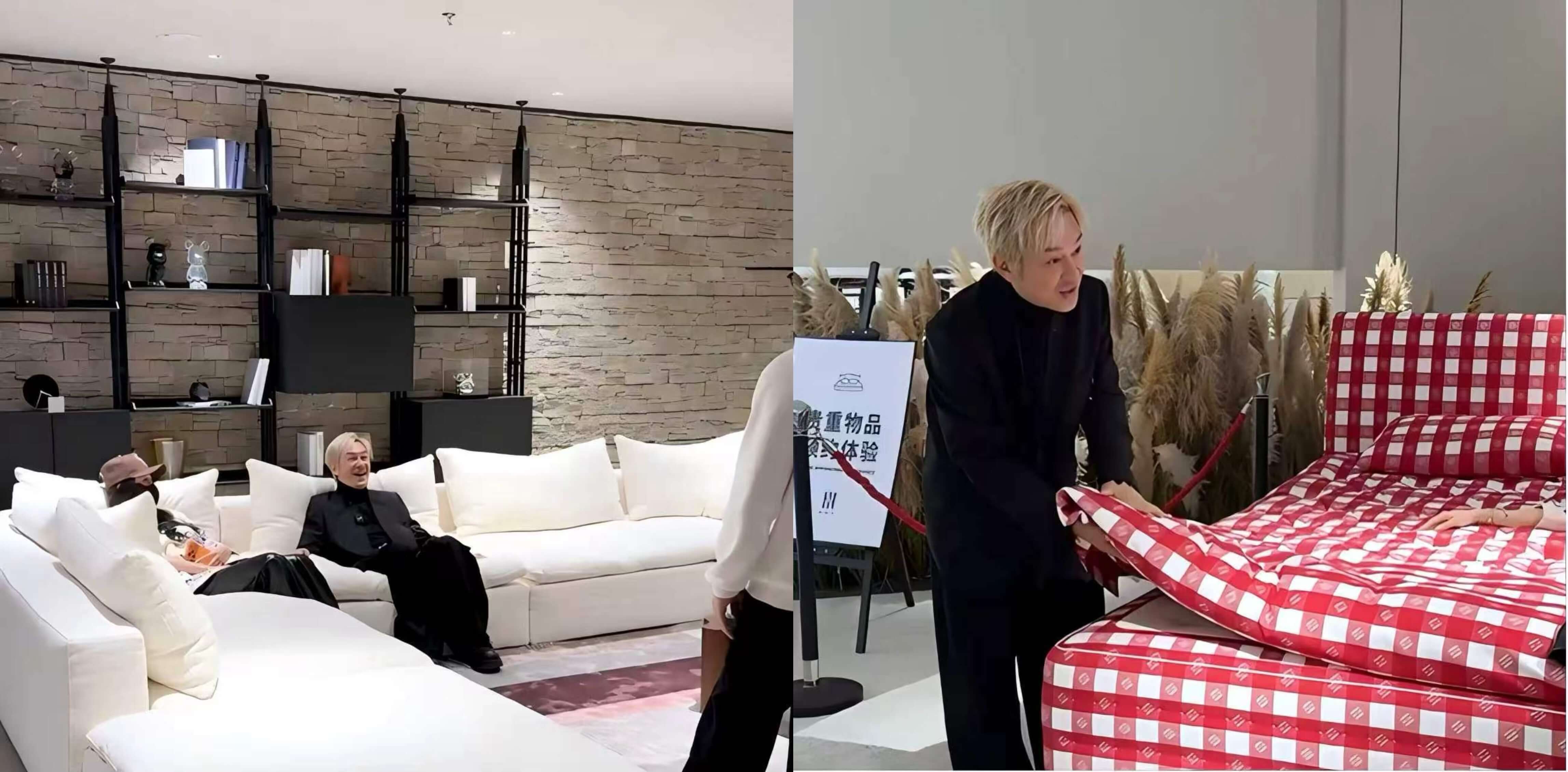
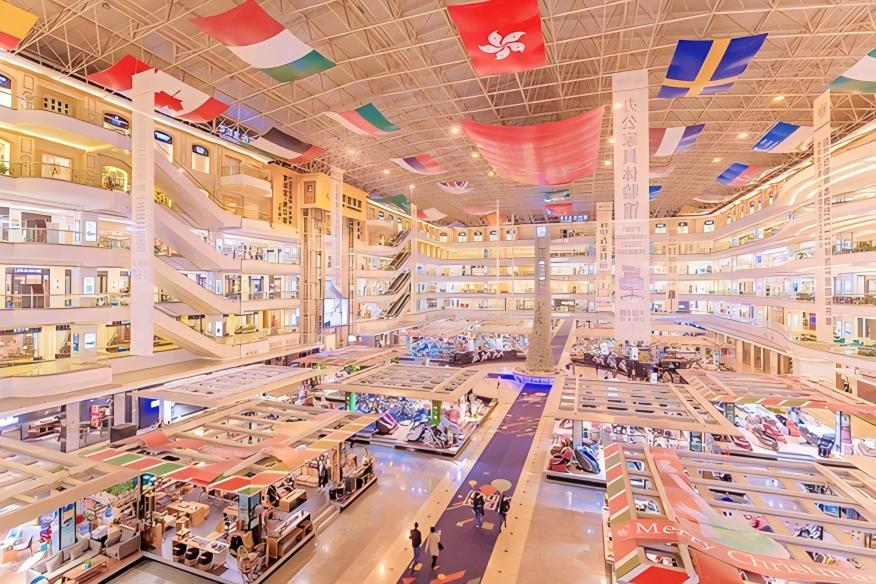
As China’s furniture capital, Foshan is home to over 70,000 furniture-related businesses, with exports reaching $9.8 billion. Its products are sold in more than 120 countries and regions, continuing to attract buyers and professional sourcing teams from around the world.
It’s not just Hong Kong actor Benny Chan — more and more consumers from Hong Kong are choosing to visit Foshan for furniture sourcing, a trend that is increasingly amplified on social media.

Where does Foshan’s appeal come from?
In space-limited Hong Kong, buyers don’t focus on price alone. They want better quality, stronger design, and pieces that truly fit their homes—within the same budget.
Foshan meets that expectation. Some buyers find that with HKD 10,000, they can only get a fabric sofa locally, but in Foshan, they can choose a genuine leather one. The same budget, with a higher standard of living.
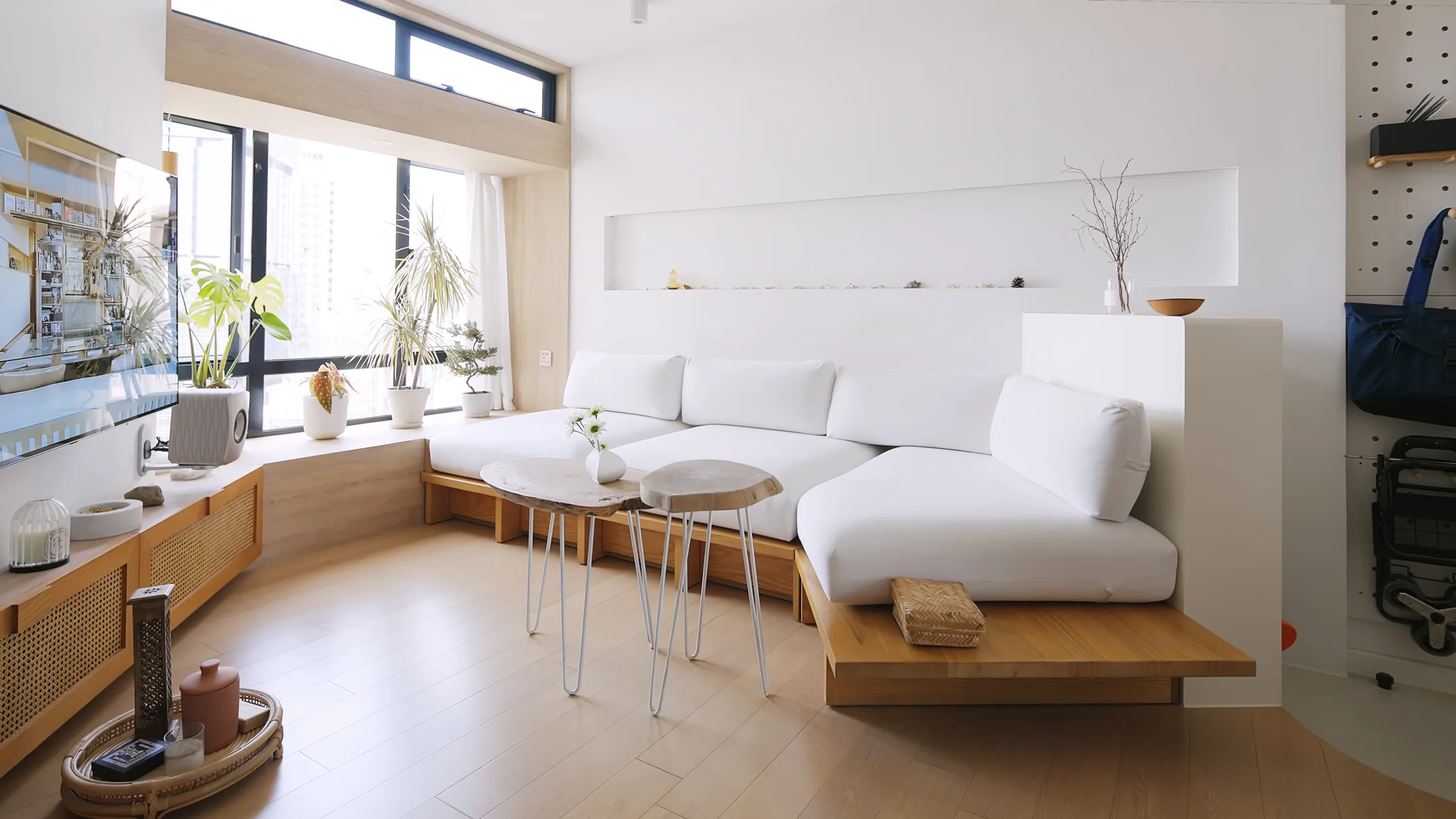
From apartment buyers seeking good value to villa owners looking for features like rotating smart dining tables, Foshan offers options for different needs.
John Pall, founder of interior design firm Zin Studio, noted: “The showrooms there are three to five times larger than those in Hong Kong. For sofas alone, there are thousands of choices in Foshan.”
Recent data shows Foshan has over 9,000 furniture factories, with total showroom space exceeding 3 million square meters—roughly the size of 420 football fields. Within the global furniture supply chain, Foshan represents an exceptionally wide range of choice.
At the same time, it supports customization—from reproducing classic designs to made-to-drawing pieces, or specifying dimensions, materials, and colors with very few constraints.
For buyers in Hong Kong, this matters. Living spaces are often compact, and standard-size furniture may not fit well—even a 5 cm difference can affect placement. Customization becomes a practical solution.
With a well-established supply chain, Foshan also offers more cost-efficient customization.
The reality is more complex
Despite its advantages, sourcing furniture in Foshan comes with challenges. The city has dozens of large furniture markets and miles of furniture streets. The overwhelming number of options can easily leave first-time visitors unsure where to start. Beyond travel costs, buyers often spend several exhausting days moving between malls and showrooms.
Finding reliable suppliers is especially difficult for individual buyers. Some sellers claim to have factories but are actually middlemen; others promise strong quality but cut corners during production.
“Products in showrooms aren’t always made by the factories themselves,” said Wu, sourcing manager at Homebridge. “Today’s Foshan feels more like a collection of showrooms, filled with furniture brought in from across the country, with mixed quality.”
With nearly 15 years in the furniture industry, Wu has seen Foshan evolve from a cluster of small factories into a city dominated by showrooms. Driven by online platforms, Foshan furniture has grown rapidly in recent years. In his view, Foshan is no longer just a place of factories, but a market shaped by showrooms and sales networks.
Shipping and logistics are not as simple as expected. Even when sellers offer freight services, buyers may still face issues such as poor packaging that leads to damage, or items that don’t fit into elevators.
After-sales concerns also matter. On social platforms, some buyers mention problems like unclear communication, products not matching expectations, or issues during use.
“The table color didn’t match the photos, and it became loose after some time,” Cindy wrote in one post.
Because of this, a new type of service provider is emerging—helping consumers and businesses source or customize furniture while reducing risks and complications.
A new approach
In response to this demand, some teams are starting to take a more structured approach.
Joe’s family has been in the furniture industry since the 1990s. After returning from studying abroad, he realized that the challenges in furniture sourcing don’t lie in just one step, but run through the entire process—from selection to delivery.
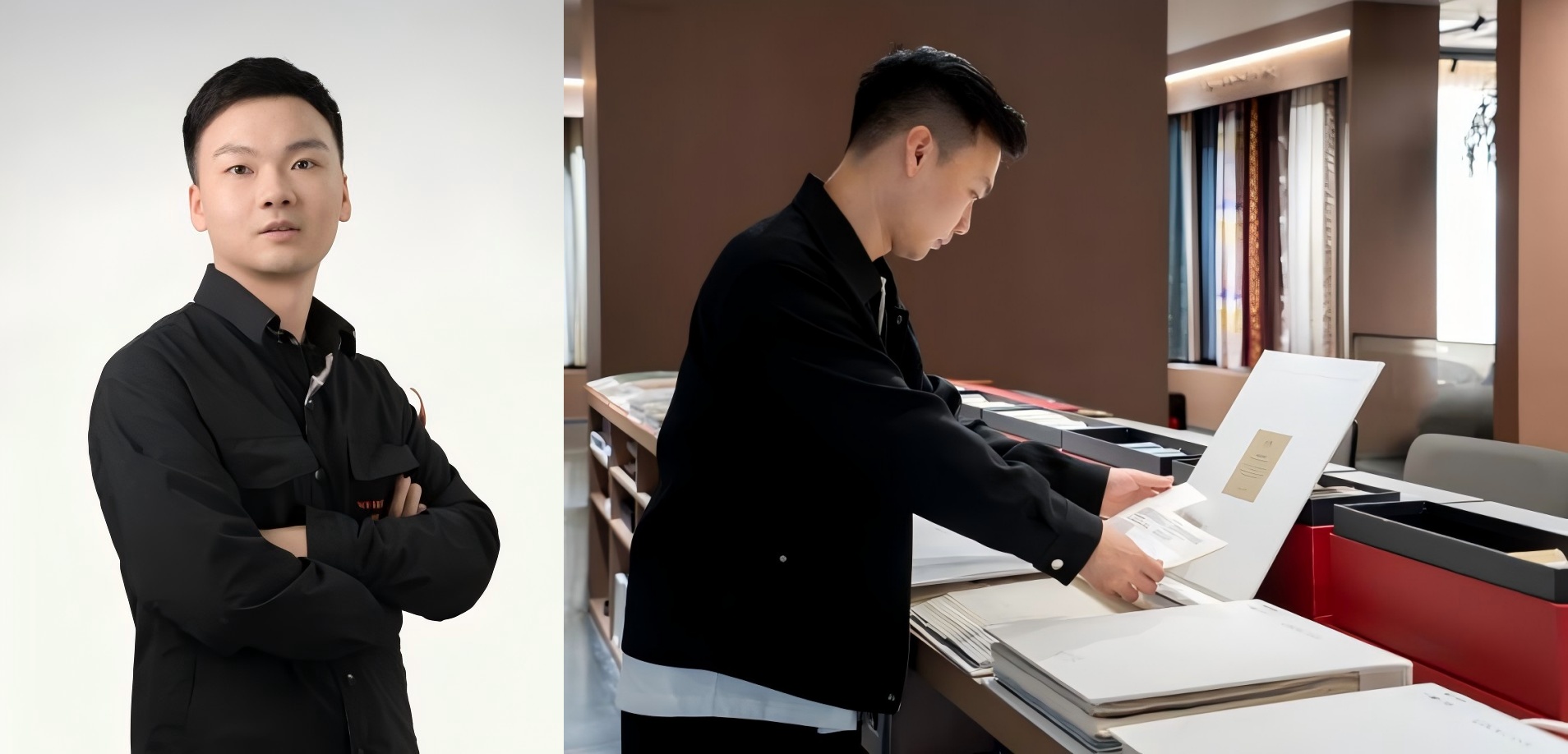
“It’s actually very difficult for most consumers to truly judge furniture quality,” Joe said. “Even if you’ve done some research—like choosing top-grain leather or high-resilience foam—there are still many details behind it.”
Beyond selecting products, a bigger challenge is that most buyers cannot quickly determine whether a supplier or so-called factory is reliable, or whether they can consistently deliver on materials, craftsmanship, and quality control.
And it’s not just about the product itself. Many details in the delivery stage are often overlooked—whether a custom dining table can fit into the elevator, who handles customs clearance, delivery, and installation after the goods arrive in Hong Kong, whether the packaging is secure, or if the wall can support the weight of mounted artwork. These seemingly small details often determine whether the entire sourcing experience runs smoothly.
As a result, integrated service models that provide end-to-end support are becoming more popular, often covering multiple stages from sourcing to after-sales. For many first-time buyers exploring Foshan, the appeal goes beyond price—it’s about greater certainty, efficiency, and a smoother experience.
Joe founded Homebridge in 2023, focusing on providing full-service furniture sourcing support for mid- to high-end clients.

Impact on the Hong Kong Market
As more consumers in Hong Kong choose to source furniture from Foshan, the local retail model is gradually shifting. Compared to Foshan, Hong Kong stores have long faced high rents and limited display space, while Foshan offers a wider selection and more competitive pricing—factors that are influencing buyer decisions.
However, cross-border sourcing also comes with uncertainties. Longer shipping timelines and the complexity of returns or exchanges can increase the level of difficulty.
Because of this, even with attractive pricing, many consumers still weigh risk against convenience when making decisions. Industry professionals note that the value of local services goes beyond the product itself—it also includes quality control, standard compatibility, as well as faster delivery and after-sales support.
In this context, finding the right balance between price advantage and service reliability is becoming a key consideration for Hong Kong buyers when sourcing across borders.

In recent years, while browsing home content on social media, one keyword keeps appearing — Foshan.
In January this year, 56-year-old Hong Kong actor Benny Chan and his wife Lisa Chiang visited Foshan’s furniture markets to furnish their new 100+ sqm home.
Benny Chan is known for his roles as Duan Yu in Demi-Gods and Semi-Devils and Ji Gong in The Legend of Crazy Monk. The couple initially set aside a budget of several hundred thousand RMB, but soon found that Foshan offered far more options at lower prices than expected.
A marble dining table for just over ¥5,000, a genuine leather upholstered bed for around ¥6,000, a petal-shaped sofa for just over ¥20,000… Here, a full home setup can be completed for around ¥100,000 to ¥150,000.
After finalizing their selections and placing the order, they returned to Hong Kong and waited for the furniture to be delivered to their home.
As China’s furniture capital, Foshan is home to over 70,000 furniture-related businesses, with exports reaching $9.8 billion. Its products are sold in more than 120 countries and regions, continuing to attract buyers and professional sourcing teams from around the world.
It’s not just Hong Kong actor Benny Chan — more and more consumers from Hong Kong are choosing to visit Foshan for furniture sourcing, a trend that is increasingly amplified on social media.
Where does Foshan’s appeal come from?
In space-limited Hong Kong, buyers don’t focus on price alone. They want better quality, stronger design, and pieces that truly fit their homes—within the same budget.
Foshan meets that expectation. Some buyers find that with HKD 10,000, they can only get a fabric sofa locally, but in Foshan, they can choose a genuine leather one. The same budget, with a higher standard of living.
From apartment buyers seeking good value to villa owners looking for features like rotating smart dining tables, Foshan offers options for different needs.
John Pall, founder of interior design firm Zin Studio, noted: “The showrooms there are three to five times larger than those in Hong Kong. For sofas alone, there are thousands of choices in Foshan.”
Recent data shows Foshan has over 9,000 furniture factories, with total showroom space exceeding 3 million square meters—roughly the size of 420 football fields. Within the global furniture supply chain, Foshan represents an exceptionally wide range of choice.
At the same time, it supports customization—from reproducing classic designs to made-to-drawing pieces, or specifying dimensions, materials, and colors with very few constraints.
For buyers in Hong Kong, this matters. Living spaces are often compact, and standard-size furniture may not fit well—even a 5 cm difference can affect placement. Customization becomes a practical solution.
With a well-established supply chain, Foshan also offers more cost-efficient customization.
The reality is more complex
Despite its advantages, sourcing furniture in Foshan comes with challenges. The city has dozens of large furniture markets and miles of furniture streets. The overwhelming number of options can easily leave first-time visitors unsure where to start. Beyond travel costs, buyers often spend several exhausting days moving between malls and showrooms.
Finding reliable suppliers is especially difficult for individual buyers. Some sellers claim to have factories but are actually middlemen; others promise strong quality but cut corners during production.
“Products in showrooms aren’t always made by the factories themselves,” said Wu, sourcing manager at Homebridge. “Today’s Foshan feels more like a collection of showrooms, filled with furniture brought in from across the country, with mixed quality.”
With nearly 15 years in the furniture industry, Wu has seen Foshan evolve from a cluster of small factories into a city dominated by showrooms. Driven by online platforms, Foshan furniture has grown rapidly in recent years. In his view, Foshan is no longer just a place of factories, but a market shaped by showrooms and sales networks.
Shipping and logistics are not as simple as expected. Even when sellers offer freight services, buyers may still face issues such as poor packaging that leads to damage, or items that don’t fit into elevators.
After-sales concerns also matter. On social platforms, some buyers mention problems like unclear communication, products not matching expectations, or issues during use.
“The table color didn’t match the photos, and it became loose after some time,” Cindy wrote in one post.
Because of this, a new type of service provider is emerging—helping consumers and businesses source or customize furniture while reducing risks and complications.
A new approach
In response to this demand, some teams are starting to take a more structured approach.
Joe’s family has been in the furniture industry since the 1990s. After returning from studying abroad, he realized that the challenges in furniture sourcing don’t lie in just one step, but run through the entire process—from selection to delivery.
“It’s actually very difficult for most consumers to truly judge furniture quality,” Joe said. “Even if you’ve done some research—like choosing top-grain leather or high-resilience foam—there are still many details behind it.”
Beyond selecting products, a bigger challenge is that most buyers cannot quickly determine whether a supplier or so-called factory is reliable, or whether they can consistently deliver on materials, craftsmanship, and quality control.
And it’s not just about the product itself. Many details in the delivery stage are often overlooked—whether a custom dining table can fit into the elevator, who handles customs clearance, delivery, and installation after the goods arrive in Hong Kong, whether the packaging is secure, or if the wall can support the weight of mounted artwork. These seemingly small details often determine whether the entire sourcing experience runs smoothly.
As a result, integrated service models that provide end-to-end support are becoming more popular, often covering multiple stages from sourcing to after-sales. For many first-time buyers exploring Foshan, the appeal goes beyond price—it’s about greater certainty, efficiency, and a smoother experience.
Joe founded Homebridge in 2023, focusing on providing full-service furniture sourcing support for mid- to high-end clients.
Impact on the Hong Kong Market
As more consumers in Hong Kong choose to source furniture from Foshan, the local retail model is gradually shifting. Compared to Foshan, Hong Kong stores have long faced high rents and limited display space, while Foshan offers a wider selection and more competitive pricing—factors that are influencing buyer decisions.
However, cross-border sourcing also comes with uncertainties. Longer shipping timelines and the complexity of returns or exchanges can increase the level of difficulty.
Because of this, even with attractive pricing, many consumers still weigh risk against convenience when making decisions. Industry professionals note that the value of local services goes beyond the product itself—it also includes quality control, standard compatibility, as well as faster delivery and after-sales support.
In this context, finding the right balance between price advantage and service reliability is becoming a key consideration for Hong Kong buyers when sourcing across borders.
.svg)







.svg)
.svg)


