


As Prices Climb: Maximizing Your Budget with China Furniture Sourcing

As Prices Climb: Maximizing Your Budget with China Furniture Sourcing
Author-Image
Last Update:  
April 8, 2026

The Strait of Hormuz has been blocked for over a month, with more than 3,200 vessels stranded in the Gulf.

For many people, the first noticeable impact of the Middle East conflict is rising fuel prices.

According to AAA, by the end of March, the average price of regular gasoline in the U.S. had exceeded $4 per gallon, reaching a three-year high. Just a month earlier, it was still below $3 per gallon.

And the increase is not limited to oil.

China Furniture Middle East
Rising Oil Prices

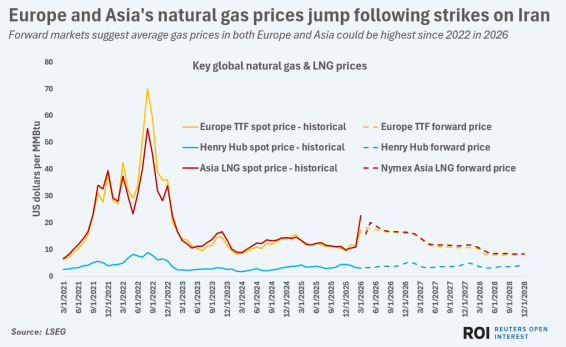
The Strait of Hormuz once carried about 20% of global liquefied natural gas (LNG) trade. After the blockade, natural gas prices have also risen rapidly—at an even sharper rate than oil.

Over the past month, gas prices in Europe have increased by 62%, while in Asia they have surged by 83%, directly pushing up household electricity and gas bills. In the Netherlands, gas prices have nearly doubled, rising from around €32–39 per MWh at the end of February to over €60–70 by mid-March.
China Furniture Middle East
Europe and Asia's natural gas prices jump following strikes on Iran

The rise in oil and gas prices is also quickly passing through to industry. Natural gas accounts for about 30% to 35% of industrial energy use in the EU, and the surge in prices has already led to reduced output—or even shutdowns—in sectors such as fertilizers, chemicals, steel, and glass.

Furniture is no exception. Materials like foam, coatings, adhesives, plastics, and leather are all petroleum-based, and their costs have already increased significantly. Price increases at the consumer level are becoming unavoidable.

At a time like this, for anyone planning to buy furniture, finding a more cost-efficient option and making the most of your budget is becoming increasingly important.

A More Cost-Efficient Option

China has remained the world’s largest furniture exporter for over 15 years. Most furniture sold through retail stores and brand channels is, in fact, manufactured in China.

China Furniture Middle East
Furniture Made in China

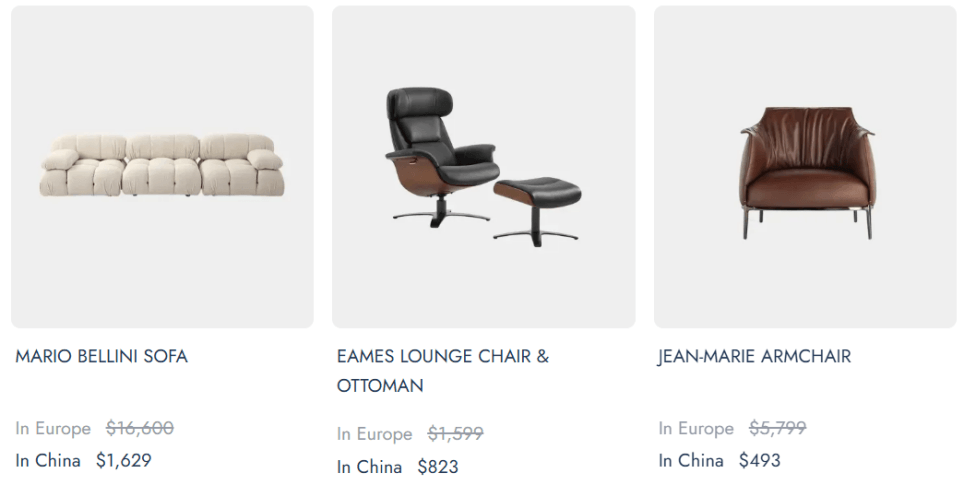
Buying from local stores is convenient, but often comes at a high cost. On one hand, production costs in Europe and the U.S. are already high, with the Producer Price Index (PPI) for furniture rising by around 30%–40% since 2021. On the other hand, even when furniture is made in China, it typically passes through multiple layers of distribution before reaching overseas markets—from large wholesalers to regional distributors and finally retailers.

Each step adds costs—channel markups, marketing expenses, labor, brand premiums, and taxes—resulting in retail prices that are often 5 to 7 times higher than factory prices in China.

As a result, a new trend is gaining momentum. More consumers in Europe and the U.S. are choosing to purchase furniture directly from China, at the source of production.

For those furnishing multiple rooms, buying from factories and shipping a full container to their doorstep can reduce overall costs by around 40–60%.
China Furniture Middle East
HomeBridge Furniture

“I really wanted a round dining table, but the local price was too high—it would have taken nearly half a month’s salary,” said Linda from Canada. “Later, I realized I could get it from China for about one-third of the price.”

However, cross-border sourcing also comes with many uncertainties: how to find reliable suppliers, how to ensure product quality, how to manage logistics and customs clearance, and how after-sales support is handled. These concerns often trouble buyers who want both value and peace of mind.

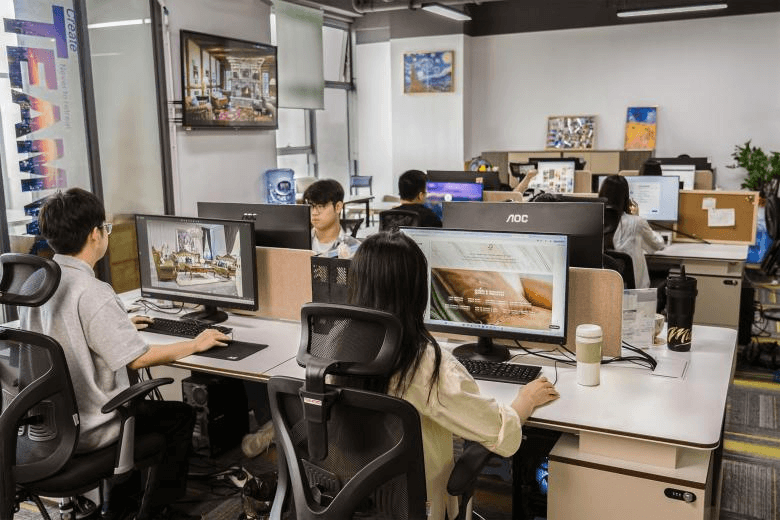
In response to these needs, the Homebridge team began taking a more structured approach.
China Furniture Middle East
HomeBridge Furniture

How Homebridge Helps You Get More Value from Your Furniture Purchase

Founded in 2023, Homebridge aims to be a reliable bridge connecting global clients with China’s furniture supply chain.

When facing the combined challenges of price, quality, and service, Homebridge focuses on one goal: helping buyers make cost-efficient choices while feeling confident throughout the process.

To achieve this, Homebridge concentrates on three key areas: price, quality, and service.

In terms of pricing, Homebridge works with over 90 benchmark factories, offering direct factory pricing and reducing extra markups. For buyers, this means achieving higher product quality within the same budget—or accessing more reasonable pricing for the same level of quality.

In terms of quality, Homebridge builds on over 20 years of supply chain experience, with closer control over key steps in the sourcing process—from confirming materials and sending samples, to production follow-ups and pre-shipment inspections—so what you see is what you receive.

In terms of service, Homebridge brings a typically fragmented process into a more streamlined, one-stop experience. From packaging and shipping to logistics and customs clearance, a dedicated manager provides support throughout. After delivery, installation guidance and a two-year warranty are also provided.

China Furniture Middle East
HomeBridge Furniture

“Many buyers think that working directly with factories and handling logistics and customs themselves is the most cost-efficient way,” said Joe, founder of Homebridge. “But once you actually go through the process, you realize it’s far more complex than expected.”

In his view, the most underestimated part is judging quality itself.

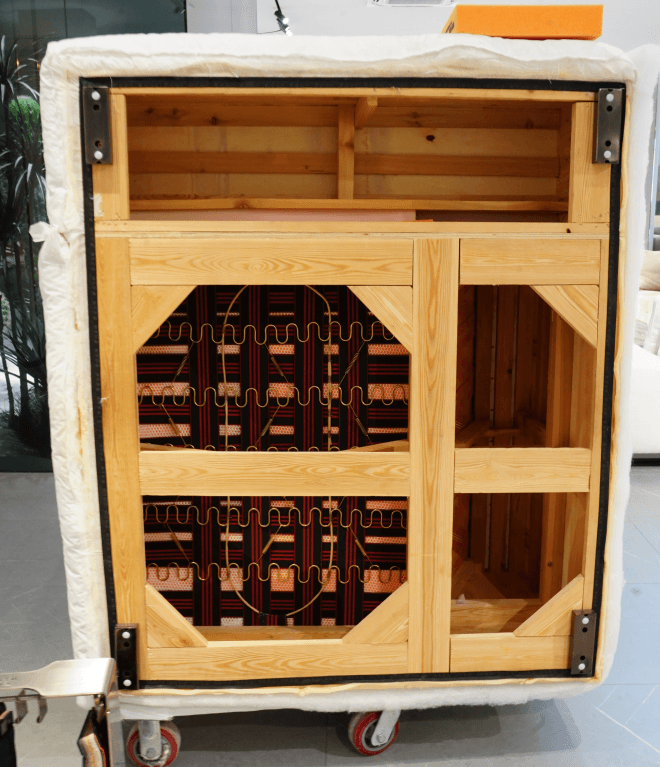
“For most consumers, it’s very difficult to truly assess furniture quality. Take a table, for example—on the surface, they may look similar, but some factories use solid wood on the top while filling the base with wood scraps. With sofas, the foam might be recycled, and the base made of non-woven fabric,” Joe explained. “Without paying attention to the internal structure, many issues simply aren’t visible.”
China Furniture Middle East
Export Furniture Packaging

Next comes logistics and delivery. Choosing between full-container shipping or consolidation, whether items can fit into elevators, if door-to-door delivery is available, and how installation will be handled—all require careful planning in advance.

At the customs stage, things become even more detailed: whether the furniture meets local regulations, if duties apply, and how the declaration process works. For individual buyers, these are rarely easy to manage on their own.

It is through addressing these practical challenges that Homebridge has gradually developed its integrated service model. Joe has observed that this approach is gaining recognition among overseas clients. For many first-time buyers importing furniture from China, the focus is no longer just on price, but also on efficiency, predictability, and a smoother overall experience.

After experiencing Homebridge’s service, many clients choose to work with us again when furnishing their next home.

In 2025, Homebridge served 110 clients from over 20 countries, receiving strong feedback and repeat orders. For us, the number of clients matters—but what matters more is that every project is delivered in a way that earns trust again.

That’s what Homebridge aims to do: make sourcing furniture from China no longer complex, but a smooth and enjoyable experience—so clients can move into a home that truly feels like their own.

China Furniture Middle East
HomeBridge Furniture
Explore Furniture Solutions with HomeBridge
Contact us for One-stop Professional Furniture Purchaisng Solution!
By clicking the button, you consent to the processing of personal data

Thank you!

Your message has been received.
Oops! Something went wrong while submitting the form.

The Strait of Hormuz has been blocked for over a month, with more than 3,200 vessels stranded in the Gulf.

For many people, the first noticeable impact of the Middle East conflict is rising fuel prices.

According to AAA, by the end of March, the average price of regular gasoline in the U.S. had exceeded $4 per gallon, reaching a three-year high. Just a month earlier, it was still below $3 per gallon.

And the increase is not limited to oil.

China Furniture Middle East
Rising Oil Prices

The Strait of Hormuz once carried about 20% of global liquefied natural gas (LNG) trade. After the blockade, natural gas prices have also risen rapidly—at an even sharper rate than oil.

Over the past month, gas prices in Europe have increased by 62%, while in Asia they have surged by 83%, directly pushing up household electricity and gas bills. In the Netherlands, gas prices have nearly doubled, rising from around €32–39 per MWh at the end of February to over €60–70 by mid-March.

China Furniture Middle East
Europe and Asia's natural gas prices jump following strikes on Iran

The rise in oil and gas prices is also quickly passing through to industry. Natural gas accounts for about 30% to 35% of industrial energy use in the EU, and the surge in prices has already led to reduced output—or even shutdowns—in sectors such as fertilizers, chemicals, steel, and glass.

Furniture is no exception. Materials like foam, coatings, adhesives, plastics, and leather are all petroleum-based, and their costs have already increased significantly. Price increases at the consumer level are becoming unavoidable.

At a time like this, for anyone planning to buy furniture, finding a more cost-efficient option and making the most of your budget is becoming increasingly important.

A More Cost-Efficient Option

China has remained the world’s largest furniture exporter for over 15 years. Most furniture sold through retail stores and brand channels is, in fact, manufactured in China.

China Furniture Middle East
Furniture Made in China

Buying from local stores is convenient, but often comes at a high cost. On one hand, production costs in Europe and the U.S. are already high, with the Producer Price Index (PPI) for furniture rising by around 30%–40% since 2021. On the other hand, even when furniture is made in China, it typically passes through multiple layers of distribution before reaching overseas markets—from large wholesalers to regional distributors and finally retailers.

Each step adds costs—channel markups, marketing expenses, labor, brand premiums, and taxes—resulting in retail prices that are often 5 to 7 times higher than factory prices in China.

As a result, a new trend is gaining momentum. More consumers in Europe and the U.S. are choosing to purchase furniture directly from China, at the source of production.

For those furnishing multiple rooms, buying from factories and shipping a full container to their doorstep can reduce overall costs by around 40–60%.

China Furniture Middle East
HomeBridge Furniture

“I really wanted a round dining table, but the local price was too high—it would have taken nearly half a month’s salary,” said Linda from Canada. “Later, I realized I could get it from China for about one-third of the price.”

However, cross-border sourcing also comes with many uncertainties: how to find reliable suppliers, how to ensure product quality, how to manage logistics and customs clearance, and how after-sales support is handled. These concerns often trouble buyers who want both value and peace of mind.

In response to these needs, the Homebridge team began taking a more structured approach.

China Furniture Middle East
HomeBridge Furniture

How Homebridge Helps You Get More Value from Your Furniture Purchase

Founded in 2023, Homebridge aims to be a reliable bridge connecting global clients with China’s furniture supply chain.

When facing the combined challenges of price, quality, and service, Homebridge focuses on one goal: helping buyers make cost-efficient choices while feeling confident throughout the process.

To achieve this, Homebridge concentrates on three key areas: price, quality, and service.

In terms of pricing, Homebridge works with over 90 benchmark factories, offering direct factory pricing and reducing extra markups. For buyers, this means achieving higher product quality within the same budget—or accessing more reasonable pricing for the same level of quality.

In terms of quality, Homebridge builds on over 20 years of supply chain experience, with closer control over key steps in the sourcing process—from confirming materials and sending samples, to production follow-ups and pre-shipment inspections—so what you see is what you receive.

In terms of service, Homebridge brings a typically fragmented process into a more streamlined, one-stop experience. From packaging and shipping to logistics and customs clearance, a dedicated manager provides support throughout. After delivery, installation guidance and a two-year warranty are also provided.

China Furniture Middle East
HomeBridge Furniture

“Many buyers think that working directly with factories and handling logistics and customs themselves is the most cost-efficient way,” said Joe, founder of Homebridge. “But once you actually go through the process, you realize it’s far more complex than expected.”

In his view, the most underestimated part is judging quality itself.

“For most consumers, it’s very difficult to truly assess furniture quality. Take a table, for example—on the surface, they may look similar, but some factories use solid wood on the top while filling the base with wood scraps. With sofas, the foam might be recycled, and the base made of non-woven fabric,” Joe explained. “Without paying attention to the internal structure, many issues simply aren’t visible.”

China Furniture Middle East
Export Furniture Packaging

Next comes logistics and delivery. Choosing between full-container shipping or consolidation, whether items can fit into elevators, if door-to-door delivery is available, and how installation will be handled—all require careful planning in advance.

At the customs stage, things become even more detailed: whether the furniture meets local regulations, if duties apply, and how the declaration process works. For individual buyers, these are rarely easy to manage on their own.

It is through addressing these practical challenges that Homebridge has gradually developed its integrated service model. Joe has observed that this approach is gaining recognition among overseas clients. For many first-time buyers importing furniture from China, the focus is no longer just on price, but also on efficiency, predictability, and a smoother overall experience.

After experiencing Homebridge’s service, many clients choose to work with us again when furnishing their next home.

In 2025, Homebridge served 110 clients from over 20 countries, receiving strong feedback and repeat orders. For us, the number of clients matters—but what matters more is that every project is delivered in a way that earns trust again.

That’s what Homebridge aims to do: make sourcing furniture from China no longer complex, but a smooth and enjoyable experience—so clients can move into a home that truly feels like their own.

China Furniture Middle East
HomeBridge Furniture