


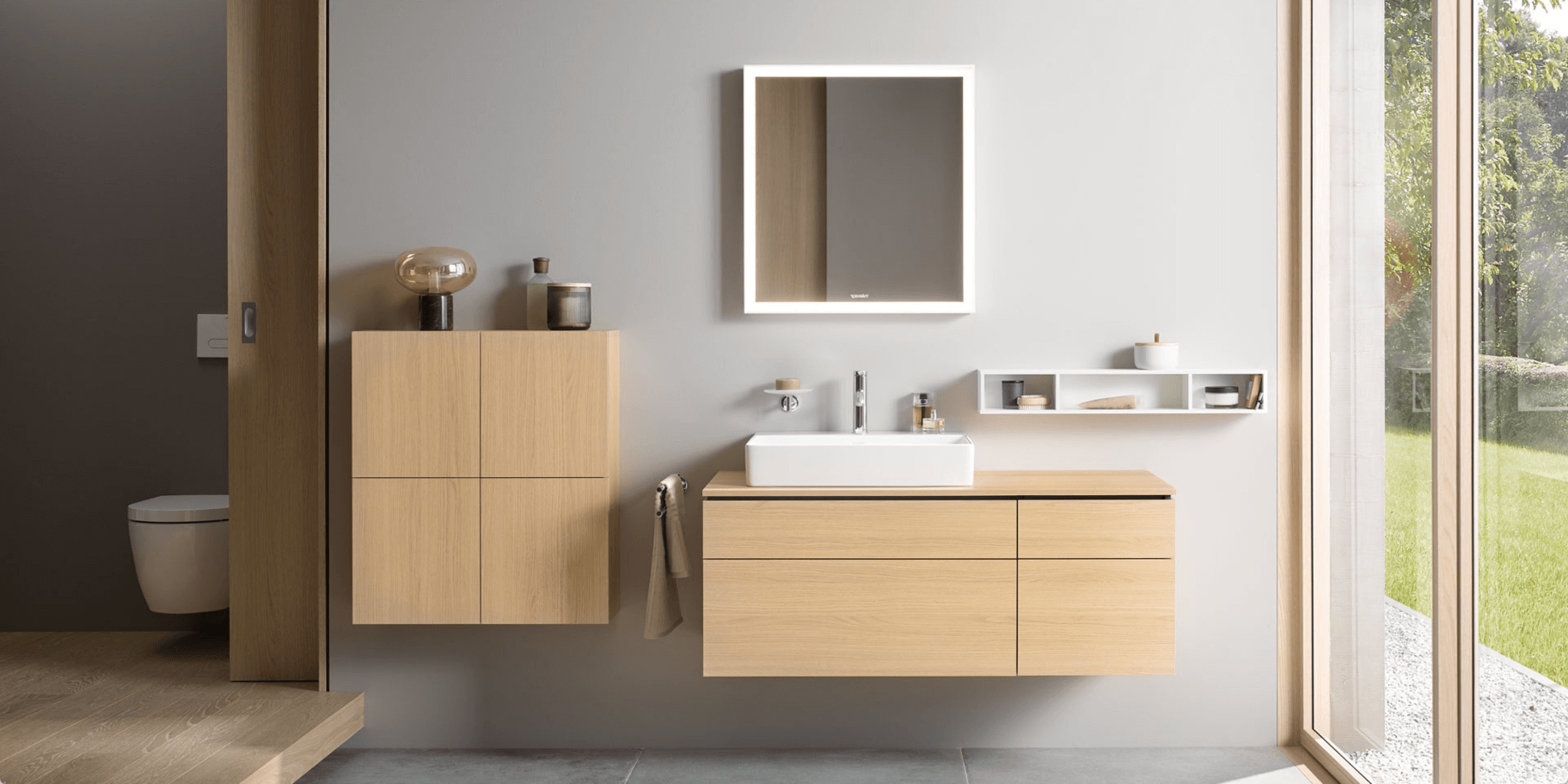

Is your bathroom a mess? Do you struggle to find space for your towels and toiletries? You're not alone! Many people find their bathroom cluttered and stressful. But what if your bathroom could be a beautiful, organized space? Choosing the right furniture is the secret. It’s 2026, and it’s time for a change!
This article is your simple guide to creating a perfect bathroom. We will solve all your problems. You will learn how to choose furniture for a bathroom that works for you. First, we explain Why Bathroom Furniture is Important? Then, we give a Step-by-Step: How to Pick the Right Piece. We also share the big Mistakes to Avoid (Don't Do This!). Finally, discover How to Fit More Stuff in Small Bathrooms. Let's get started!
1. Why Bathroom Furniture is Important?
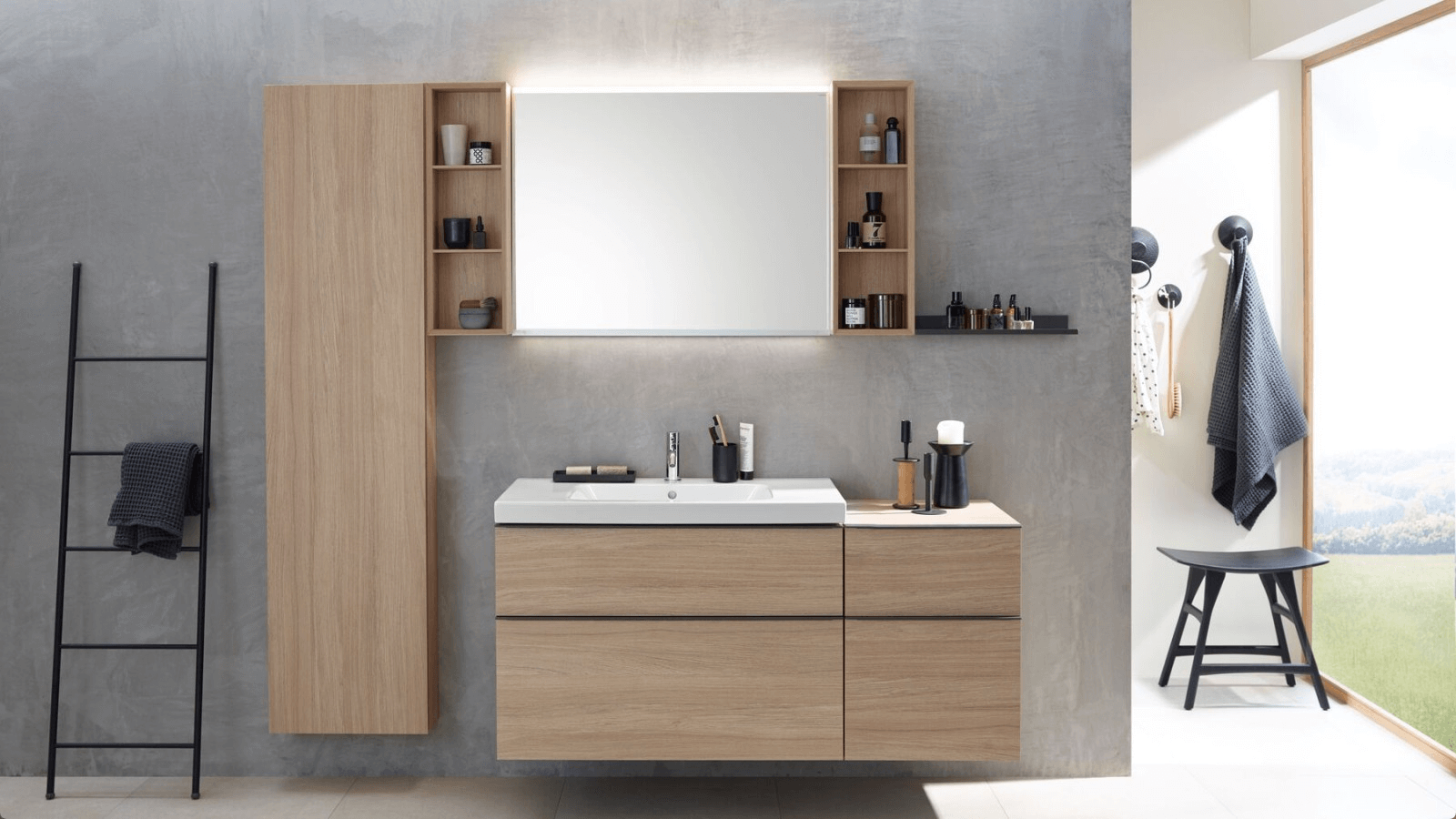
Bathroom furniture does more than just hold your stuff. It keeps your daily routine smooth and organized by putting everything you need within arm's reach. When you have a good vanity or cabinet, you can find your toothbrush, towels, and cleaning supplies without wasting time digging around. This makes your mornings and evenings go faster. Beyond just being useful, bathroom furniture also hides the messy parts of your bathroom—like pipes and clutter—so the space looks clean and put together. A well-chosen vanity or cabinet becomes the main piece that people notice, giving your bathroom a finished look instead of a jumbled one.
Picking the right bathroom furniture also makes your bathroom last longer and keeps it looking nice. Quality pieces protect your bathroom from water damage and wear, which means you won't have to replace things as often. When your bathroom furniture matches your style and is built well, it adds real value to your home. Good storage solutions keep surfaces clear, making even small bathrooms feel bigger and more peaceful. In short, bathroom furniture is an investment that affects how you feel in your space every single day and how your home looks to guests and future buyers.
2. Step-by-Step: How to Pick the Right Piece
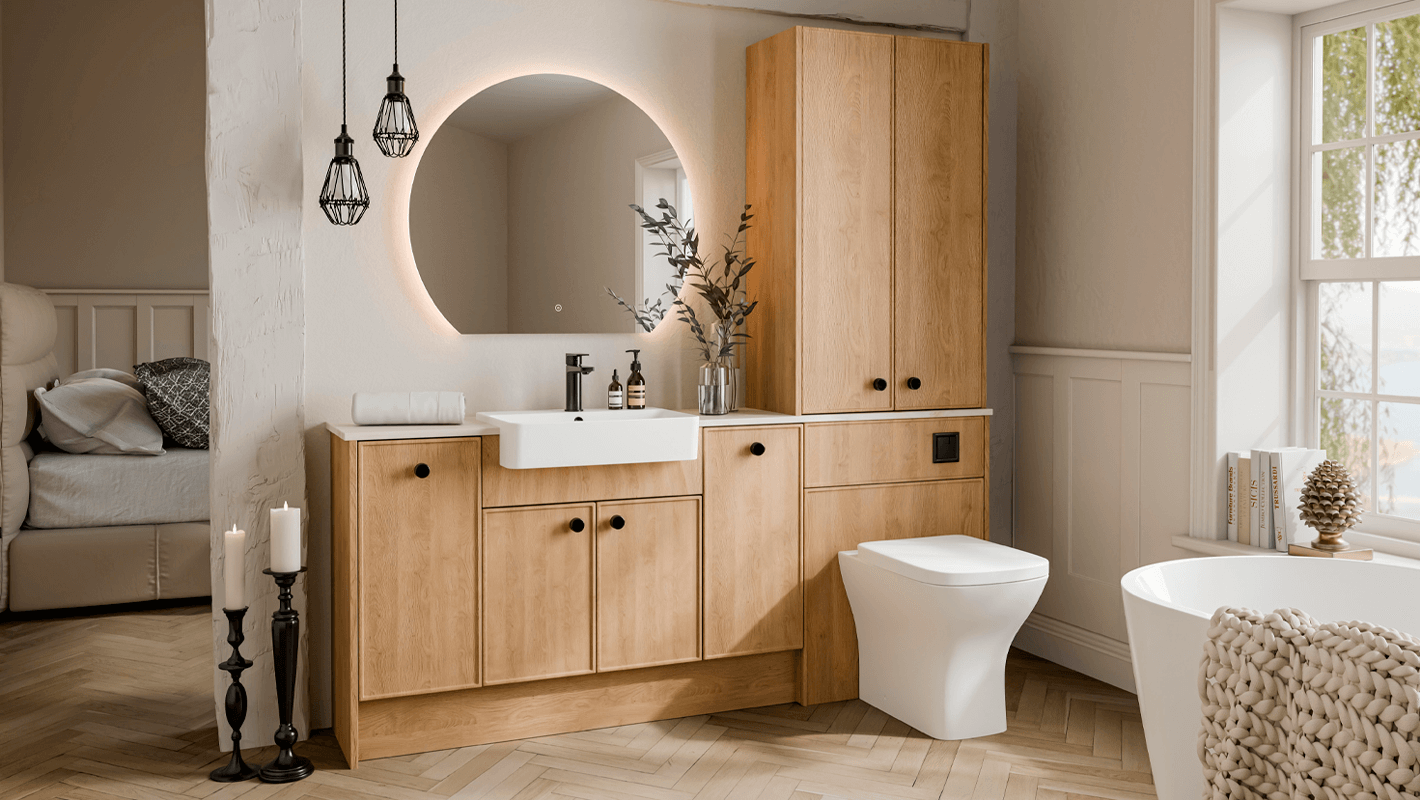
Start by thinking about who will use the bathroom and how often. Then look at your plumbing and measure the space so you do not buy something that blocks doors or walkways. After that, choose a material that can handle steam and splashes, and decide if you prefer drawers or doors for how you like to store things. In the end, pick a style and color that match the rest of your bathroom so the new furniture looks like it belongs there, not like an afterthought.
Step 1: Who Uses It?
First, think about the main users. For a family bathroom, you need strong, easy-to-clean pieces with plenty of closed storage so toys, bottles, and extra paper do not stay in sight. For older people, choose a vanity that is not too low, and make sure drawers and doors open easily without bending or reaching far. In a guest or single-person bathroom, you can focus more on style, but still pick simple, durable furniture that will not get damaged by daily use.
Step 2: Check Your Pipes
Look under the sink and along the wall to see where the water lines and drain sit before you shop. Measure how high the pipes are from the floor and how far they are from each side wall so you pick a vanity that lines up with them. Make sure there is room for the trap and shutoff valves inside the cabinet so you do not have to move plumbing later. If you are not sure, take a photo and the measurements with you when you buy so the store can help you match the layout.
Step 3: Measure Everything
Use a tape measure on every wall where furniture might go, and write down width, depth, and height. Check door swing, shower doors, and how much walking space you need in front of the vanity, usually at least about 30 inches, so the room does not feel tight. Measure the space for drawers to open without hitting the toilet or a wall. Also measure the doorway and any tight hallway so you know the cabinet can be carried into the bathroom.
Step 4: Pick the Material
Choose a material that can handle moisture, not just look good. Sealed solid wood and good plywood last a long time if they are finished well and protected from standing water. Moisture-resistant MDF, laminate, melamine, and thermofoil are budget choices that do fine in steam if the edges are sealed and you wipe up splashes. Metal or stainless steel can be very strong and water safe, but they give a more modern, industrial look and may not match every home.
Step 5: Drawers or Doors?
Drawers work best for things you use every day, like toothbrushes, makeup, and razors, because you can see everything from above without bending much. They need enough clear space to pull out fully, so they fit better on longer walls without toilets or side walls in the way. Doors are useful for tall items like cleaning supplies, extra toilet paper, and big bottles, and they work better in tight spaces because they do not pull out as far. Many people choose a mix: drawers at the top for small things and a door area below for larger storage.
Step 6: Pick the Look
Match the furniture style with what you already have in the bathroom, like the tile, tub, and faucets. Warm wood tones and matte finishes are popular for 2026 and help the room feel calm and natural instead of cold. Choose a color that works with your wall and floor, such as soft neutrals or gentle greens and blues, so the room feels relaxed, not busy. Keep the hardware and metal parts, like handles and faucet, in the same finish so the space looks clean and put together.
3. Mistakes to Avoid (Don't Do This!)
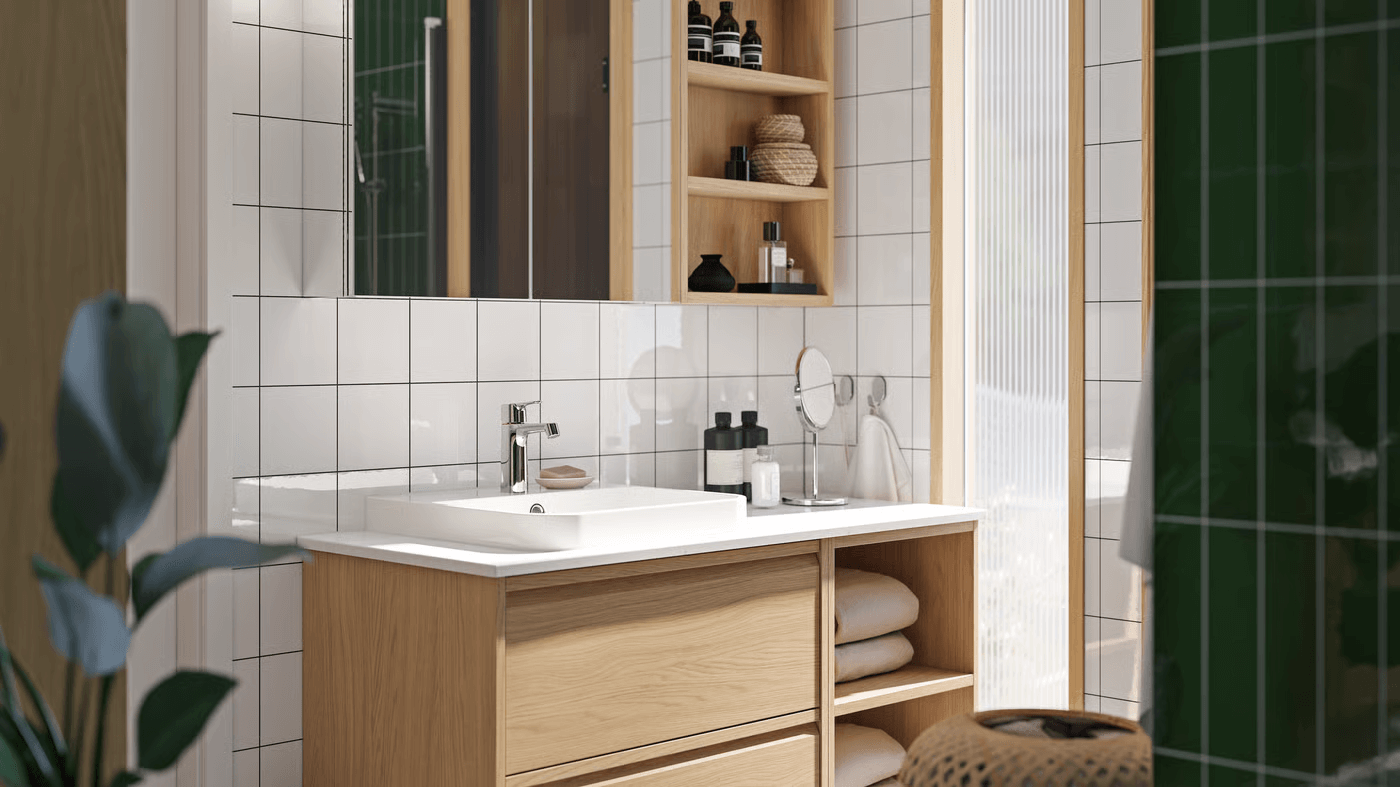
Many people pick bathroom furniture just by looks and low price, then regret it when it swells, peels, or breaks in a few years. In a wet room like a bathroom, you must check how strong the pieces are, how they handle moisture, and how well they fit your pipes and sink; skipping this step can mean leaks, blocked access to plumbing, and expensive fixes later.
1) The "Bang" Test
When you see a cabinet or vanity, do a simple “bang” test with your hand. Open the door or drawer and tap or push it a bit harder than normal: solid, good furniture will feel steady, the doors will not shake, and the cabinet will not wobble, while cheap units often feel light, flimsy, and may move or rattle. If it feels weak in the store, it will only get worse with steam, water, and daily use at home.
2) Pipe Problems
Before you buy any vanity, tower cabinet, or storage unit, look carefully at where your water pipes and drain lines are on the wall and floor. If you ignore this, you can end up with furniture that blocks shut‑off valves, makes it hard to reach pipes for repair, or needs cutting and drilling that damage the cabinet. Always measure and mark pipe spots and heights, then choose pieces with enough space or cut‑outs so a plumber can still work when needed.
3) Sink Choice
Do not choose a sink only because it looks nice in a photo; it must fit the cabinet and your daily use. Make sure the sink size matches the vanity top so it does not overhang or leave big gaps, and check the type: undermount and integrated sinks usually work better in modern 2026 bathrooms than tall vessel bowls because they are easier to clean and splash less. Also match the sink material and faucet holes with your countertop and faucet style, or you may face leaks, odd gaps, or extra drilling and parts during install.
4.How to Fit More Stuff in Small Bathrooms
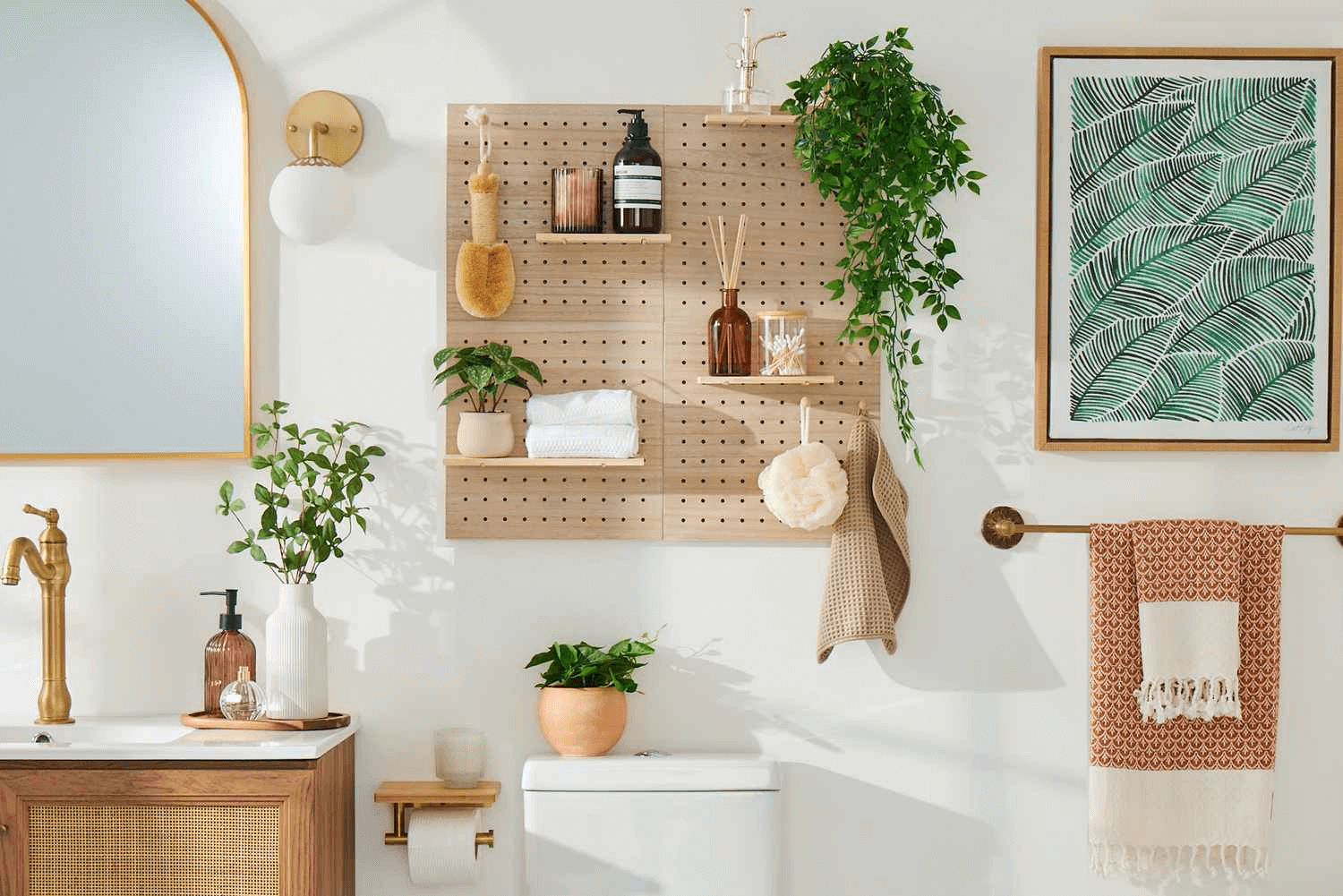
In a small bathroom, every inch matters. Choose furniture and storage that give you more room without making the space feel packed. Pick slim pieces, like narrow shelves or a compact vanity, so you can still move easily. Use the walls for storage instead of the floor, and keep most items in closed cabinets or drawers so the room looks calm, not messy. Try to group things by how often you use them, and leave some open space so the bathroom feels bigger and cleaner.
1) Go Up, Not Out
Use your wall height instead of filling the floor. Add tall, slim cabinets, shelves over the toilet, or a wall cabinet above the sink for extra storage. Floating shelves or wall-mounted units keep the floor clear and help the room feel more open. Put daily items on lower shelves and backup items higher up. This way you gain a lot of storage without crowding the small space.
2) Smarter Drawers
Turn each drawer into a tidy storage zone. Use simple dividers, small bins, or trays so every item has its own spot. Add pull-out organizers in deep drawers so you can see what is in the back without digging. Choose bathroom furniture with built-in drawer organizers when you can. Good drawer layout lets you store more things while still finding what you need fast.
3) Hidden Cabinets
Hide storage to keep the bathroom looking clean. A mirror with a built-in medicine cabinet can hold many small items without using any counter space. Use organizers under the sink, like stackable bins or pull-out baskets, to take advantage of that awkward space. If you are remodeling, think about recessed shelves or a recessed cabinet set into the wall so bottles and products sit out of the way. These hidden spots keep clutter out of sight and help the bathroom feel larger and neater.
4. How does HomeBridge help you import Furniture and building materials from China?

At HomeBridge Furniture, we streamline the entire import process for you, ensuring quality, affordability, and convenience. Here’s how we make it effortless:
- Exclusive Dealer Prices: We collaborate with top manufacturers to secure wholesale rates you won’t find on your own, passing the savings directly to you.
- Vetted Supplier Network: With over 95 partner factories, we source high-quality furniture, building materials, and interior décor tailored to your needs.
- End-to-End Logistics: Our one-stop service includes doorstep delivery, backed by trusted freight partners and tax-saving strategies to maximize your budget.
- Risk-Free Sampling: Test before you commit—we offer free sample shipping and drawing services to guarantee your satisfaction.
Let HomeBridge Furniture handle the complexities—you focus on growing your business. Partner with HomeBridge today!
5. Frequently Asked Questions
1) What is the absolute most durable material for a bathroom vanity in 2026?
For 2026, sintered stone is the top choice for the most durable vanity material. It beats quartz and natural stone in almost every way. It is completely non-porous, so it resists moisture, stains, and mold better than anything else. It is also highly resistant to scratches, heat, and chemicals. While quartz is very strong, sintered stone is more durable and will last longer with less worry about damage.
2) Are floating vanities safe for households with children (climbing risk)?
Floating vanities can be safe for homes with kids, but you must be very careful. The main risk is that children might try to climb or hang on them, which could cause the vanity to pull away from the wall. To make it safe, the installation must be perfect.
Key safety steps:
- Professional Installation: Always have it installed by a professional.
- Strong Wall: It must be attached directly to the wall studs, not just drywall.
- Weight Limit: Know the vanity's weight limit and never exceed it.
- Secure Everything: Use safety latches on all drawers and doors to discourage climbing.
- Teach Kids: Explain to children that the vanity is not for climbing.
3) How much clearance space is legally required between a toilet and a vanity?
Building codes require a minimum clearance in front of the toilet for safety and access. In most places, you need at least 21 inches of clear space from the front of the toilet to any wall or vanity in front of it. Some codes require 24 inches. To the side of the toilet, you usually need at least 15 inches of space from the center of the toilet to a vanity or wall. Always check your local building codes for the exact rules.
4) Is sintered stone really better than quartz for bathroom countertops?
For bathrooms, sintered stone is generally better than quartz. Both are very durable, but sintered stone is completely non-porous, while quartz is nearly non-porous. This means sintered stone is more resistant to water, stains, and bacteria, which is key in a wet bathroom. Sintered stone is also more resistant to heat and scratches. Quartz can be less expensive and comes in many designs, but for the best performance against moisture, sintered stone is the winner.
5) Can I paint my existing laminate cabinets to look like 2026 trends?
Yes, you can paint laminate cabinets to look modern. The key is proper preparation. Laminate is smooth and shiny, so paint will not stick well unless you prepare it first. You must clean them thoroughly, lightly sand the surface to rough it up, and use a special primer made for laminate or slick surfaces. After that, you can apply paint.
For 2026 trends, look for paint in warm, earthy colors, soft matte finishes, or deep, bold tones. Using two-toned cabinets (like a darker color on the bottom and lighter on top) is also very stylish. Always use a high-quality paint meant for cabinets to ensure it lasts and can be cleaned easily.
6) Do I need a professional to install a heavy floating vanity?
For any heavy floating vanity, yes, you need a professional installer. A floating vanity holds all its weight and the weight of everything in it on the wall. If it is not installed correctly, it can fall and cause serious injury or damage.
Why a pro is needed:
- Wall Structure: A pro knows how to find and securely attach the mounting frame directly to the wall studs.
- Weight Capacity: They understand the weight limits and can ensure the wall and mounting hardware can support it.
- Proper Hardware: They use the correct heavy-duty brackets and fasteners.
- Leveling: They make sure the vanity is perfectly level and secure.
- Safety: Professional installation is the only way to guarantee it is safe for daily use.
7) What is the best way to prevent mold inside bathroom drawers?
The best way to prevent mold is to control moisture and allow air to flow. Always make sure your bathroom has good ventilation—use the exhaust fan during and for 20 minutes after a shower. Wipe up any water or spills around the sink before it can drip into the drawers. Don’t store damp items like washcloths inside drawers; let them dry completely first.
You can also use moisture-absorbing products like silica gel packs in the drawers. Choose vanity materials that resist moisture, like PVC or sealed wood. Regularly clean the inside of drawers with a vinegar and water solution to stop mold from starting. If you see any mold, clean it immediately with a bleach solution (1 part bleach to 10 parts water) to kill the spores and prevent it from spreading.
6. Conclusion
So, you see, how to choose furniture for a bathroom doesn’t have to be hard. We talked about why good furniture matters, gave you simple steps to pick the right piece, showed you big mistakes to avoid, and even shared tricks for small spaces. Your main problems are solved! You now have the simple guide you needed.
Ready to make your dream bathroom real? Let HomeBridge Furniture do the hard work for you. We get you the best prices straight from top factories. We handle everything and ship it right to your door. Start your project today—just tell us what you need and watch us make it easy and exciting for you
Is your bathroom a mess? Do you struggle to find space for your towels and toiletries? You're not alone! Many people find their bathroom cluttered and stressful. But what if your bathroom could be a beautiful, organized space? Choosing the right furniture is the secret. It’s 2026, and it’s time for a change!
This article is your simple guide to creating a perfect bathroom. We will solve all your problems. You will learn how to choose furniture for a bathroom that works for you. First, we explain Why Bathroom Furniture is Important? Then, we give a Step-by-Step: How to Pick the Right Piece. We also share the big Mistakes to Avoid (Don't Do This!). Finally, discover How to Fit More Stuff in Small Bathrooms. Let's get started!
1. Why Bathroom Furniture is Important?
Bathroom furniture does more than just hold your stuff. It keeps your daily routine smooth and organized by putting everything you need within arm's reach. When you have a good vanity or cabinet, you can find your toothbrush, towels, and cleaning supplies without wasting time digging around. This makes your mornings and evenings go faster. Beyond just being useful, bathroom furniture also hides the messy parts of your bathroom—like pipes and clutter—so the space looks clean and put together. A well-chosen vanity or cabinet becomes the main piece that people notice, giving your bathroom a finished look instead of a jumbled one.
Picking the right bathroom furniture also makes your bathroom last longer and keeps it looking nice. Quality pieces protect your bathroom from water damage and wear, which means you won't have to replace things as often. When your bathroom furniture matches your style and is built well, it adds real value to your home. Good storage solutions keep surfaces clear, making even small bathrooms feel bigger and more peaceful. In short, bathroom furniture is an investment that affects how you feel in your space every single day and how your home looks to guests and future buyers.
2. Step-by-Step: How to Pick the Right Piece
Start by thinking about who will use the bathroom and how often. Then look at your plumbing and measure the space so you do not buy something that blocks doors or walkways. After that, choose a material that can handle steam and splashes, and decide if you prefer drawers or doors for how you like to store things. In the end, pick a style and color that match the rest of your bathroom so the new furniture looks like it belongs there, not like an afterthought.
Step 1: Who Uses It?
First, think about the main users. For a family bathroom, you need strong, easy-to-clean pieces with plenty of closed storage so toys, bottles, and extra paper do not stay in sight. For older people, choose a vanity that is not too low, and make sure drawers and doors open easily without bending or reaching far. In a guest or single-person bathroom, you can focus more on style, but still pick simple, durable furniture that will not get damaged by daily use.
Step 2: Check Your Pipes
Look under the sink and along the wall to see where the water lines and drain sit before you shop. Measure how high the pipes are from the floor and how far they are from each side wall so you pick a vanity that lines up with them. Make sure there is room for the trap and shutoff valves inside the cabinet so you do not have to move plumbing later. If you are not sure, take a photo and the measurements with you when you buy so the store can help you match the layout.
Step 3: Measure Everything
Use a tape measure on every wall where furniture might go, and write down width, depth, and height. Check door swing, shower doors, and how much walking space you need in front of the vanity, usually at least about 30 inches, so the room does not feel tight. Measure the space for drawers to open without hitting the toilet or a wall. Also measure the doorway and any tight hallway so you know the cabinet can be carried into the bathroom.
Step 4: Pick the Material
Choose a material that can handle moisture, not just look good. Sealed solid wood and good plywood last a long time if they are finished well and protected from standing water. Moisture-resistant MDF, laminate, melamine, and thermofoil are budget choices that do fine in steam if the edges are sealed and you wipe up splashes. Metal or stainless steel can be very strong and water safe, but they give a more modern, industrial look and may not match every home.
Step 5: Drawers or Doors?
Drawers work best for things you use every day, like toothbrushes, makeup, and razors, because you can see everything from above without bending much. They need enough clear space to pull out fully, so they fit better on longer walls without toilets or side walls in the way. Doors are useful for tall items like cleaning supplies, extra toilet paper, and big bottles, and they work better in tight spaces because they do not pull out as far. Many people choose a mix: drawers at the top for small things and a door area below for larger storage.
Step 6: Pick the Look
Match the furniture style with what you already have in the bathroom, like the tile, tub, and faucets. Warm wood tones and matte finishes are popular for 2026 and help the room feel calm and natural instead of cold. Choose a color that works with your wall and floor, such as soft neutrals or gentle greens and blues, so the room feels relaxed, not busy. Keep the hardware and metal parts, like handles and faucet, in the same finish so the space looks clean and put together.
3. Mistakes to Avoid (Don't Do This!)
Many people pick bathroom furniture just by looks and low price, then regret it when it swells, peels, or breaks in a few years. In a wet room like a bathroom, you must check how strong the pieces are, how they handle moisture, and how well they fit your pipes and sink; skipping this step can mean leaks, blocked access to plumbing, and expensive fixes later.
1) The "Bang" Test
When you see a cabinet or vanity, do a simple “bang” test with your hand. Open the door or drawer and tap or push it a bit harder than normal: solid, good furniture will feel steady, the doors will not shake, and the cabinet will not wobble, while cheap units often feel light, flimsy, and may move or rattle. If it feels weak in the store, it will only get worse with steam, water, and daily use at home.
2) Pipe Problems
Before you buy any vanity, tower cabinet, or storage unit, look carefully at where your water pipes and drain lines are on the wall and floor. If you ignore this, you can end up with furniture that blocks shut‑off valves, makes it hard to reach pipes for repair, or needs cutting and drilling that damage the cabinet. Always measure and mark pipe spots and heights, then choose pieces with enough space or cut‑outs so a plumber can still work when needed.
3) Sink Choice
Do not choose a sink only because it looks nice in a photo; it must fit the cabinet and your daily use. Make sure the sink size matches the vanity top so it does not overhang or leave big gaps, and check the type: undermount and integrated sinks usually work better in modern 2026 bathrooms than tall vessel bowls because they are easier to clean and splash less. Also match the sink material and faucet holes with your countertop and faucet style, or you may face leaks, odd gaps, or extra drilling and parts during install.
4.How to Fit More Stuff in Small Bathrooms
In a small bathroom, every inch matters. Choose furniture and storage that give you more room without making the space feel packed. Pick slim pieces, like narrow shelves or a compact vanity, so you can still move easily. Use the walls for storage instead of the floor, and keep most items in closed cabinets or drawers so the room looks calm, not messy. Try to group things by how often you use them, and leave some open space so the bathroom feels bigger and cleaner.
1) Go Up, Not Out
Use your wall height instead of filling the floor. Add tall, slim cabinets, shelves over the toilet, or a wall cabinet above the sink for extra storage. Floating shelves or wall-mounted units keep the floor clear and help the room feel more open. Put daily items on lower shelves and backup items higher up. This way you gain a lot of storage without crowding the small space.
2) Smarter Drawers
Turn each drawer into a tidy storage zone. Use simple dividers, small bins, or trays so every item has its own spot. Add pull-out organizers in deep drawers so you can see what is in the back without digging. Choose bathroom furniture with built-in drawer organizers when you can. Good drawer layout lets you store more things while still finding what you need fast.
3) Hidden Cabinets
Hide storage to keep the bathroom looking clean. A mirror with a built-in medicine cabinet can hold many small items without using any counter space. Use organizers under the sink, like stackable bins or pull-out baskets, to take advantage of that awkward space. If you are remodeling, think about recessed shelves or a recessed cabinet set into the wall so bottles and products sit out of the way. These hidden spots keep clutter out of sight and help the bathroom feel larger and neater.
4. How does HomeBridge help you import Furniture and building materials from China?
At HomeBridge Furniture, we streamline the entire import process for you, ensuring quality, affordability, and convenience. Here’s how we make it effortless:
- Exclusive Dealer Prices: We collaborate with top manufacturers to secure wholesale rates you won’t find on your own, passing the savings directly to you.
- Vetted Supplier Network: With over 95 partner factories, we source high-quality furniture, building materials, and interior décor tailored to your needs.
- End-to-End Logistics: Our one-stop service includes doorstep delivery, backed by trusted freight partners and tax-saving strategies to maximize your budget.
- Risk-Free Sampling: Test before you commit—we offer free sample shipping and drawing services to guarantee your satisfaction.
Let HomeBridge Furniture handle the complexities—you focus on growing your business. Partner with HomeBridge today!
5. Frequently Asked Questions
1) What is the absolute most durable material for a bathroom vanity in 2026?
For 2026, sintered stone is the top choice for the most durable vanity material. It beats quartz and natural stone in almost every way. It is completely non-porous, so it resists moisture, stains, and mold better than anything else. It is also highly resistant to scratches, heat, and chemicals. While quartz is very strong, sintered stone is more durable and will last longer with less worry about damage.
2) Are floating vanities safe for households with children (climbing risk)?
Floating vanities can be safe for homes with kids, but you must be very careful. The main risk is that children might try to climb or hang on them, which could cause the vanity to pull away from the wall. To make it safe, the installation must be perfect.
Key safety steps:
- Professional Installation: Always have it installed by a professional.
- Strong Wall: It must be attached directly to the wall studs, not just drywall.
- Weight Limit: Know the vanity's weight limit and never exceed it.
- Secure Everything: Use safety latches on all drawers and doors to discourage climbing.
- Teach Kids: Explain to children that the vanity is not for climbing.
3) How much clearance space is legally required between a toilet and a vanity?
Building codes require a minimum clearance in front of the toilet for safety and access. In most places, you need at least 21 inches of clear space from the front of the toilet to any wall or vanity in front of it. Some codes require 24 inches. To the side of the toilet, you usually need at least 15 inches of space from the center of the toilet to a vanity or wall. Always check your local building codes for the exact rules.
4) Is sintered stone really better than quartz for bathroom countertops?
For bathrooms, sintered stone is generally better than quartz. Both are very durable, but sintered stone is completely non-porous, while quartz is nearly non-porous. This means sintered stone is more resistant to water, stains, and bacteria, which is key in a wet bathroom. Sintered stone is also more resistant to heat and scratches. Quartz can be less expensive and comes in many designs, but for the best performance against moisture, sintered stone is the winner.
5) Can I paint my existing laminate cabinets to look like 2026 trends?
Yes, you can paint laminate cabinets to look modern. The key is proper preparation. Laminate is smooth and shiny, so paint will not stick well unless you prepare it first. You must clean them thoroughly, lightly sand the surface to rough it up, and use a special primer made for laminate or slick surfaces. After that, you can apply paint.
For 2026 trends, look for paint in warm, earthy colors, soft matte finishes, or deep, bold tones. Using two-toned cabinets (like a darker color on the bottom and lighter on top) is also very stylish. Always use a high-quality paint meant for cabinets to ensure it lasts and can be cleaned easily.
6) Do I need a professional to install a heavy floating vanity?
For any heavy floating vanity, yes, you need a professional installer. A floating vanity holds all its weight and the weight of everything in it on the wall. If it is not installed correctly, it can fall and cause serious injury or damage.
Why a pro is needed:
- Wall Structure: A pro knows how to find and securely attach the mounting frame directly to the wall studs.
- Weight Capacity: They understand the weight limits and can ensure the wall and mounting hardware can support it.
- Proper Hardware: They use the correct heavy-duty brackets and fasteners.
- Leveling: They make sure the vanity is perfectly level and secure.
- Safety: Professional installation is the only way to guarantee it is safe for daily use.
7) What is the best way to prevent mold inside bathroom drawers?
The best way to prevent mold is to control moisture and allow air to flow. Always make sure your bathroom has good ventilation—use the exhaust fan during and for 20 minutes after a shower. Wipe up any water or spills around the sink before it can drip into the drawers. Don’t store damp items like washcloths inside drawers; let them dry completely first.
You can also use moisture-absorbing products like silica gel packs in the drawers. Choose vanity materials that resist moisture, like PVC or sealed wood. Regularly clean the inside of drawers with a vinegar and water solution to stop mold from starting. If you see any mold, clean it immediately with a bleach solution (1 part bleach to 10 parts water) to kill the spores and prevent it from spreading.
6. Conclusion
So, you see, how to choose furniture for a bathroom doesn’t have to be hard. We talked about why good furniture matters, gave you simple steps to pick the right piece, showed you big mistakes to avoid, and even shared tricks for small spaces. Your main problems are solved! You now have the simple guide you needed.
Ready to make your dream bathroom real? Let HomeBridge Furniture do the hard work for you. We get you the best prices straight from top factories. We handle everything and ship it right to your door. Start your project today—just tell us what you need and watch us make it easy and exciting for you
.svg)







.svg)
.svg)


