

‘The Boroughs’:Why Its Vintage Furniture Feels Like Home

‘The Boroughs’:Why Its Vintage Furniture Feels Like Home
Author-Image
Last Update:  
May 27, 2026

On May 21, The Boroughs officially premiered with an 8-episode first season, quickly earning a 95% score on Rotten Tomatoes after its release.

Produced by the Duffer Brothers of Stranger Things, the series has been described by many viewers as an “older-adult version of Stranger Things” because of its similar setup.

The story takes place in “The Boroughs,” a retirement community in the New Mexico desert. At first glance, it looks like an ideal place to grow older—picturesque scenery, complete facilities, and warm relationships among residents.

Much of this “perfect” feeling comes from the show’s visual world. In particular, the vintage furniture that appears throughout the series quietly shapes the atmosphere of the entire community.

If you were also drawn to the furniture in the show and want to find similar vintage American-style pieces, this article will walk you through several key scenes and break down the furniture and interior styling logic behind The Boroughs.

1. Gracie’s Home: Warm and Nostalgic

At the beginning of the story, we see Gracie, an elegant older woman, sitting calmly on the sofa while video-calling her husband. The opening is quiet and natural, gently bringing viewers into her living space.

Her home presents a vintage American style—warm, nostalgic, and full of everyday life. The furniture does not try to look “new” or trendy. Instead, it focuses more on comfort, familiarity, and a sense of stability.
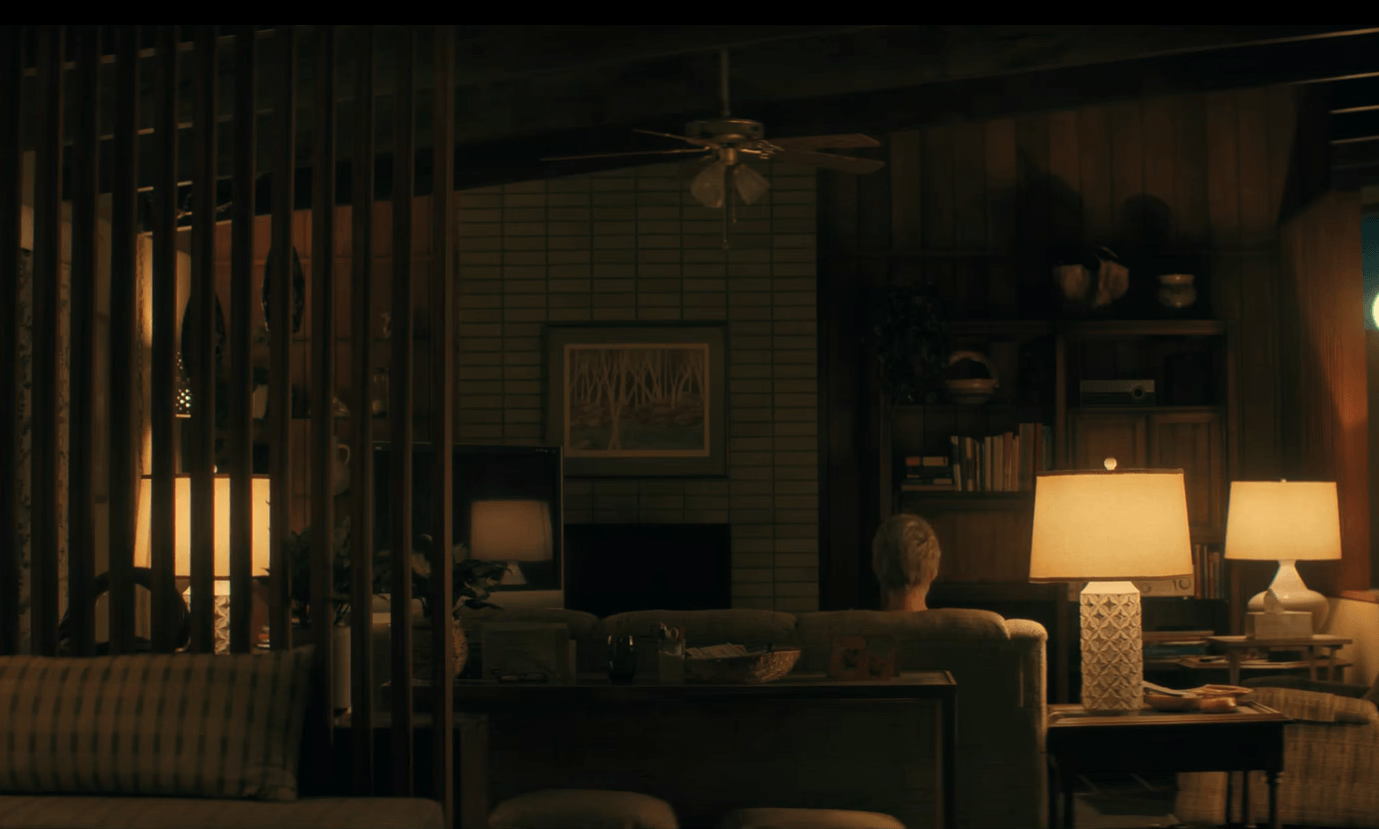
Gracie’s living room

The first elements that stand out are two vintage American ceramic table lamps. Each lamp combines a large fabric lampshade on top with an embossed ceramic base below, creating a distinctly retro look. The shades use a tapered silhouette—narrower at the top and wider at the bottom—allowing the light to spread softly throughout the room. The lamp bases use vertical column-like forms with geometric relief textures across the surface.

On a nearby side table, another lamp has a softer and more sculptural appearance. Its oversized lampshade takes up more than two-thirds of the overall visual proportion, creating a more wrapped and diffused lighting effect. The base resembles a mushroom-like ceramic sculpture with arched cutout details, making the lamp feel almost like a decorative art piece.

Attention then moves to the three-seat upholstered sofa where Gracie is sitting. This sofa appears throughout the series and is later continuously used by Sam as well. Its overall shape is rounded and soft, without sharp edges. The backrest, armrests, and cushions are all generously padded, creating a deep, sink-in sense of comfort.

Beside it sits a single armchair. Unlike the softer feeling of the sofa, this chair has a more structured and squared silhouette. The backrest forms a large rectangular surface while still maintaining the rounded softness typical of upholstered furniture. Its design feels simple, heavy, and visually understated.
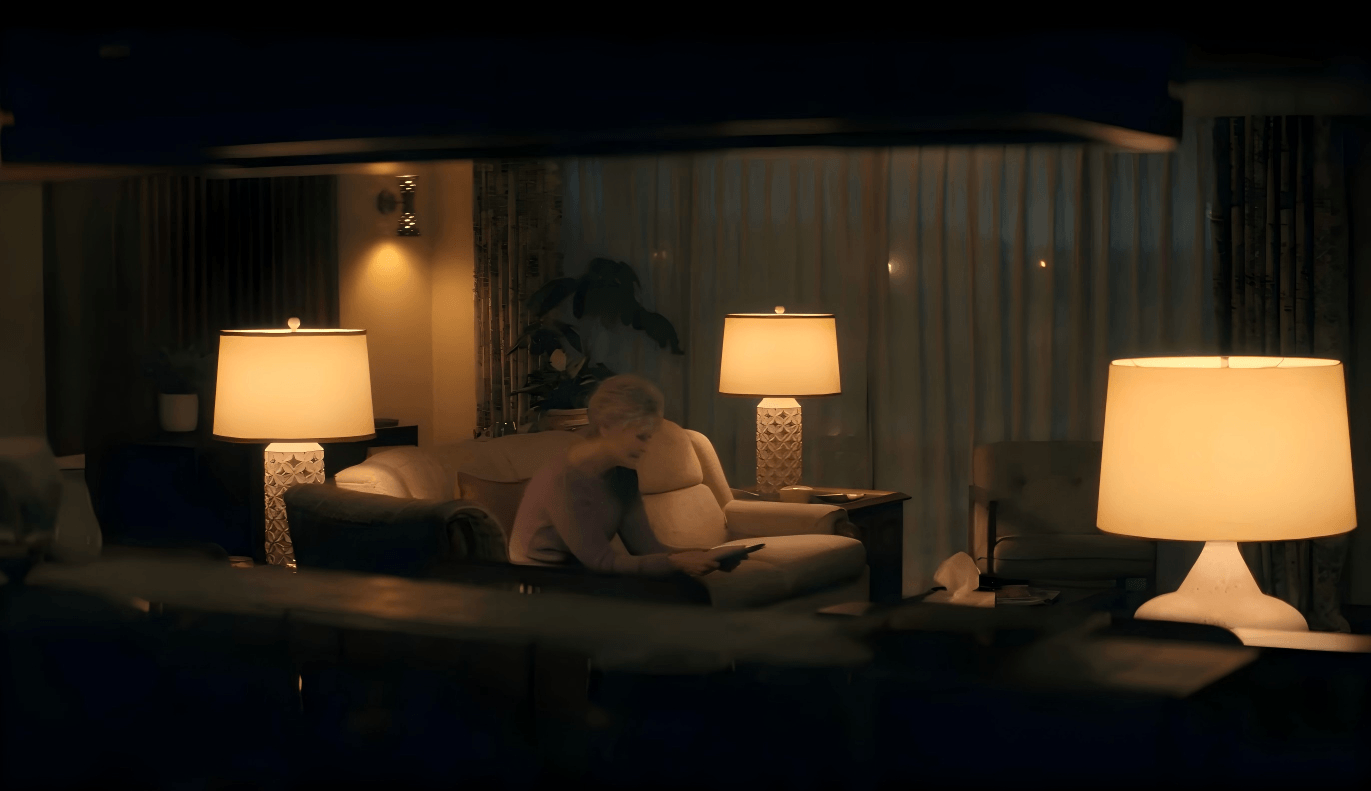
Gracie sitting on the living room sofa

2. Sam’s Home: Vintage and Grounded

“The previous owner left some furniture behind,so feel free to keep the pieces that speak to you.”

Not long afterward, Sam moves into The Boroughs. While showing him around the house prepared for him, the warm and enthusiastic coordinator Kayleigh immediately draws attention to the furniture.

In fact, Sam keeps many of the pieces that once belonged to Gracie, including the sofa, table lamps, and side tables.

In later scenes, when Sam and Wally collapse onto the sofa in frustration, the dark coffee table in front of them becomes especially noticeable. The tabletop is wide, with a reflective surface that gives the piece strong visual weight. It naturally creates the calm, grounded atmosphere of an old-fashioned sitting room.
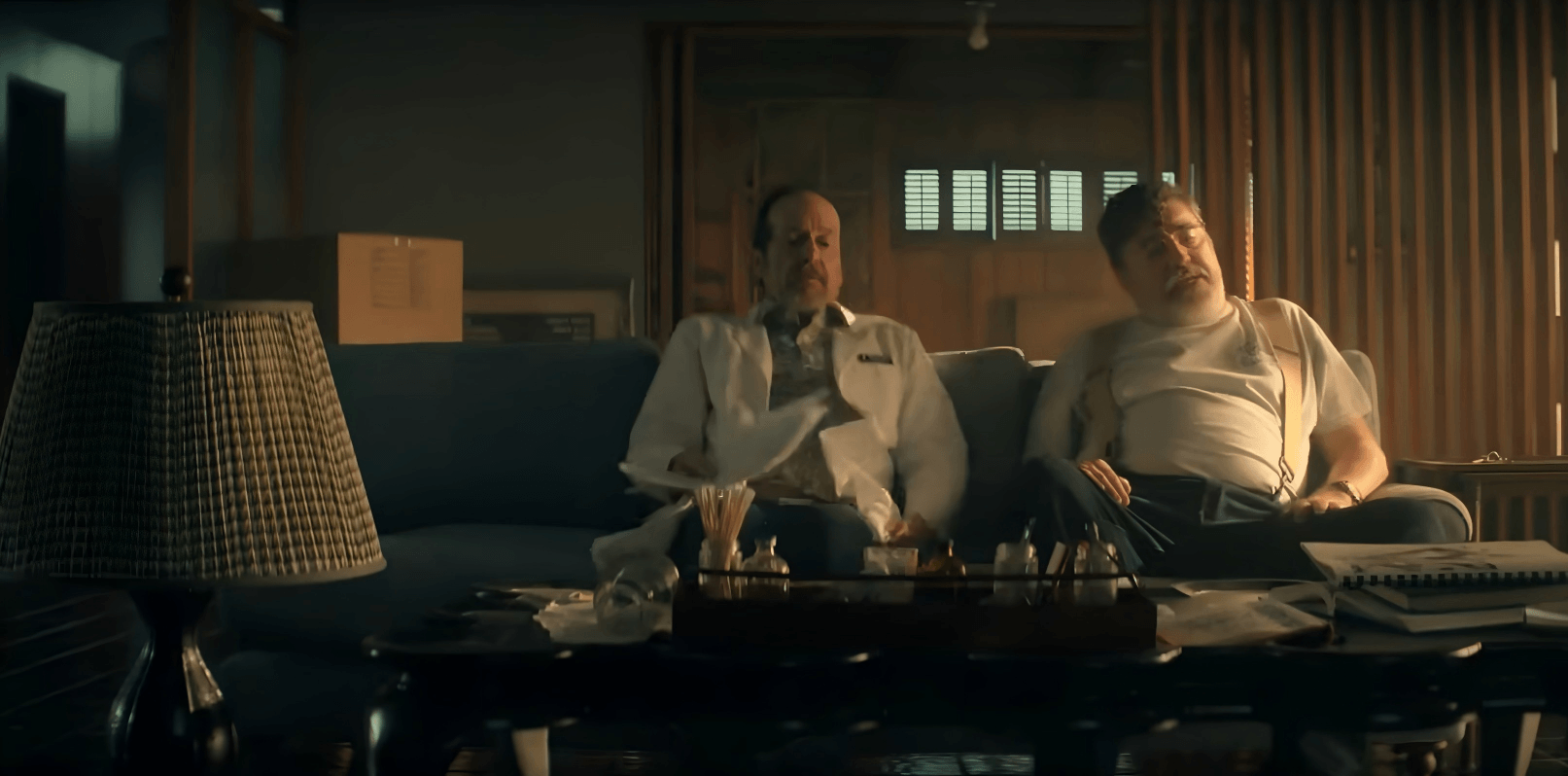
The striking coffee table in front of Sam and Wally

The camera then shifts to the other side of the room, revealing a classic vintage American open kitchen. Wooden cabinets, glass-front upper cabinets, and bar stools together create a quiet, nostalgic atmosphere filled with everyday warmth.

The first thing that stands out is the kitchen’s wooden cabinetry. The overall finish uses a light-medium wood tone with a noticeable sense of age and character. Unlike the glossy lacquer surfaces often seen in modern kitchens, these cabinets preserve a more natural wood grain texture with warm undertones that blend softly with the interior lighting. The cabinet doors use a clean flat-panel design without excessive carving, placing more emphasis on the warmth of the material itself.

Above the base cabinets are glass-front upper cabinets. Through the semi-transparent doors, dishes, bowls, and cups remain visible, making the kitchen feel not only functional but also slightly decorative. The reflected light inside the cabinets adds depth to the space and prevents the wooden cabinetry from feeling visually heavy.

On the left side of the frame are two bar stools placed beside the counter. They feature caramel-brown upholstered seats and backrests paired with slim tubular metal frames and footrests. Although the stools are relatively tall in proportion, the thin metal structure keeps them visually light, allowing the kitchen to remain open and uncluttered.
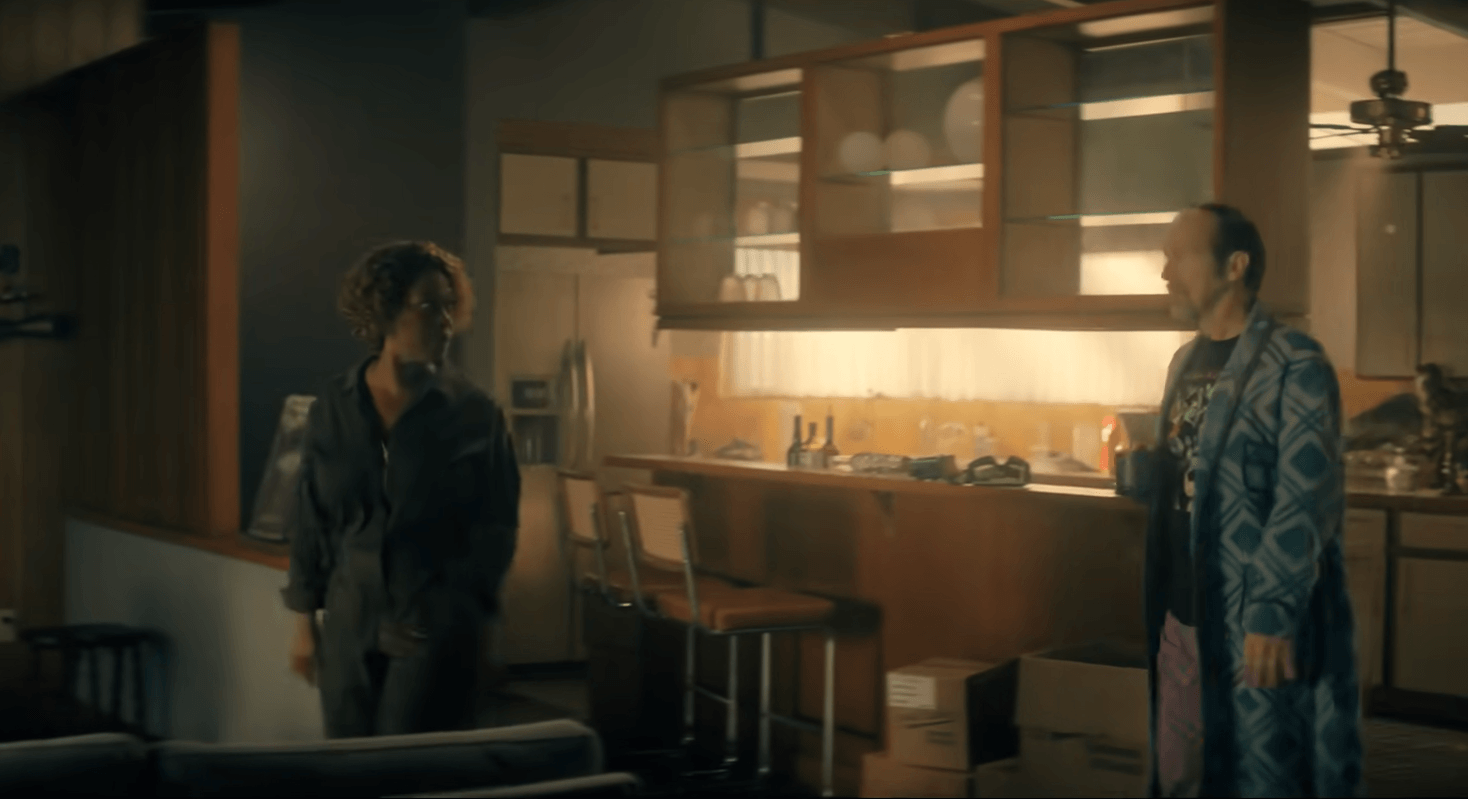
Sam’s open-concept kitchen

3. Judy and Art’s Home: A Complete Vintage American Style

Judy and Art’s home appears many times throughout the series, especially the kitchen area, where the two often chat and eat breakfast together.

The most eye-catching furniture piece in these scenes is the large kitchen island placed in the foreground. Its oversized surface allows enough space for food preparation, tableware, and everyday household items at the same time. The countertop uses an off-white vintage-style tile finish with a soft, clean appearance, while the wooden trim surrounding the edges adds warmth and naturally connects with the wooden cabinetry behind it.

The background and right side of the space are filled with wooden cabinets in warm wood tones. Most use framed cabinet doors with understated hardware handles, emphasizing practicality over decoration. The system combines traditional upper cabinets and lower base cabinets, a layout commonly seen in classic American family kitchens.

Near the windows, light brown woven bamboo shades are used, with the woven texture clearly visible. When sunlight enters through the windows, the woven gaps soften and break the light into gentle shadows, making the kitchen feel warmer and more natural.

The backsplash behind the counters uses patterned tiles featuring diamond shapes and mixed-color details. The patterns remain relatively small in scale, while the muted colors help create a distinctly vintage kitchen atmosphere.

Overall, the hard finishes and furniture blend together naturally, creating a classic old-style American family kitchen that feels warm, authentic, and comfortably lived-in.

Judy and Art’s kitchen area

The living room area in Judy and Art’s home is equally thoughtful in its arrangement.

A large floor-to-ceiling window dominates the background, layered with a double-curtain system. The center uses sheer blinds with a louver-like texture, allowing sunlight to filter through while still preserving strong natural daylight. On both sides are heavier curtains with botanical patterns that visually connect with the wall surfaces and further strengthen the vintage residential atmosphere.

As the eye moves outward, the walls are fully covered with botanical-pattern wallpaper. The design uses a light beige background combined with muted green leaf motifs. The dense yet soft natural patterns add visual depth without feeling overwhelming.

On the left side of the space stands a vertical wooden partition system. Made from warm brown wood, it uses semi-open slatted panels to divide the space. This type of partition is very common in older American homes, helping separate areas while still maintaining visual openness.

Judy and Art’s living room

During the argument between Judy and Art, the camera gives a clear full view of the living room sofa.

It is a curved sofa in a warm orange-brown tone, upholstered in a velvet-like fabric that gives the piece a soft and relaxed texture. The backrest and armrests extend smoothly along the curved shape, creating a wraparound seating area that feels suitable for group conversation and lounging. The overall proportions are relatively low, with thick armrests, padded back cushions, and deep seating designed for comfort and relaxation.

Several throw pillows are arranged across the sofa. Behind Judy sits a larger brown back cushion, while a patterned decorative pillow is layered behind it. The color palette stays within warm orange and brown tones, adding both visual depth and a stronger sense of everyday living to the space.
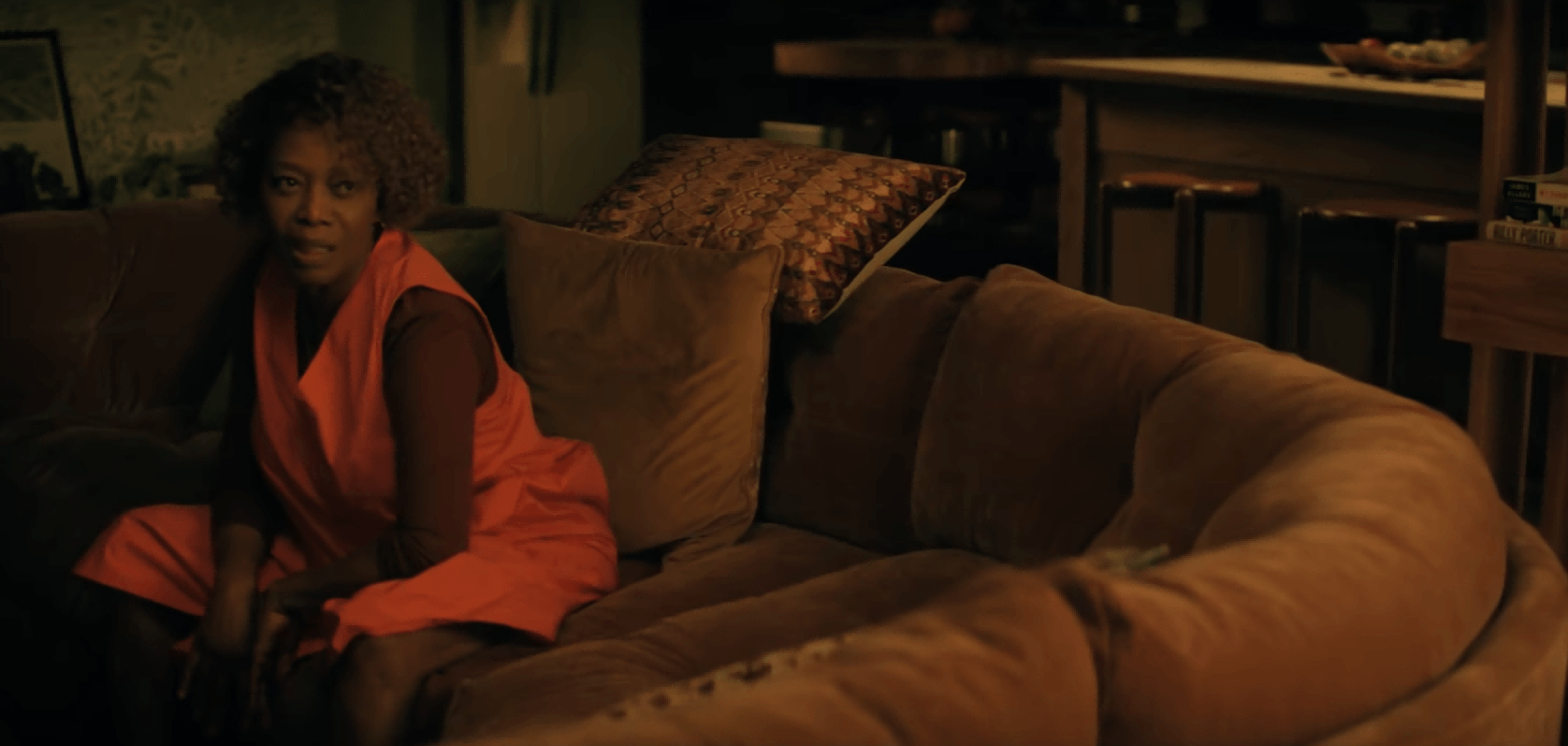
Judy sitting on the orange-brown curved sofa

4. Sourcing Vintage Furniture: Finding the Right Supply Chain in China

After looking through these scenes, one thing becomes very clear: the vintage atmosphere in The Boroughs is never created by just one piece of furniture.

An orange-brown curved sofa alone is not enough. A vintage ceramic table lamp alone is not enough either. What truly makes the spaces work is the coordination between the sofa, coffee table, lamps, cabinetry, curtains, wallpaper, and all the surrounding details. The colors need to feel connected, the materials need consistency, and the small details need to carry a sense of age and character. Remove one part, and the vintage feeling can quickly turn into a mismatched collection of furniture.

This is also one of the most common mistakes people make when sourcing vintage-style furniture themselves.

A vintage sofa purchased alone may end up looking bulky in the room. A vintage lamp on its own may not match the surrounding style at all. The biggest challenge with vintage interiors is that individual pieces may look beautiful separately, but fail to create harmony once placed together.

That’s why sourcing this kind of furniture is not really about finding one exact product match—it is about building a complete style system.

For example, the sofa requires careful decisions around fabric, color, and curvature. The coffee table must match the wood tone, proportions, and surface texture. Cabinets often need adjustments based on room dimensions. The real difficulty of vintage furniture sourcing lies in making all of these details work together rather than purchasing each piece separately without coordination.
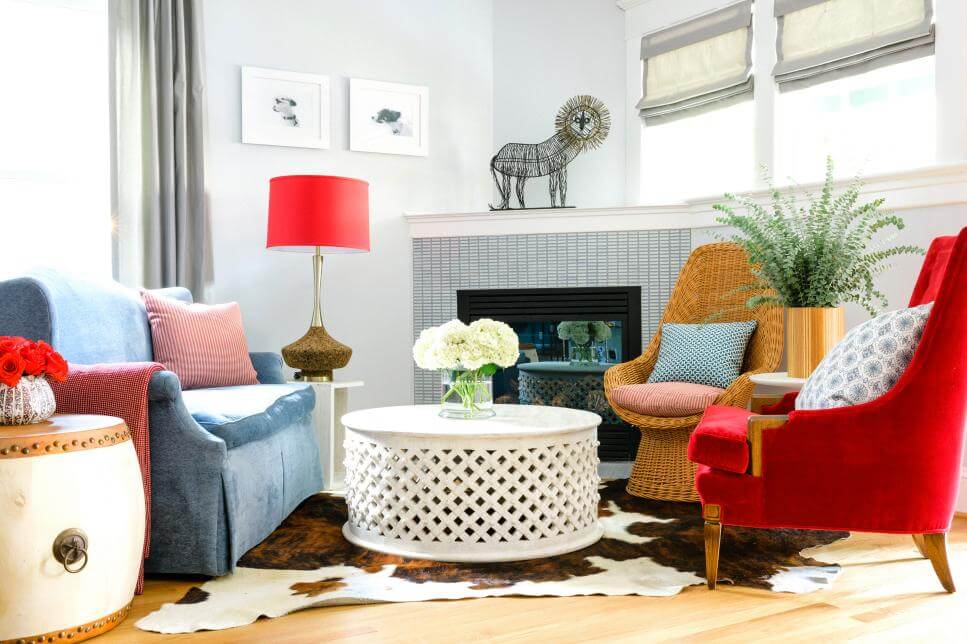
Mixed furniture styles can feel mismatched

If you rely only on local retail stores, the selection is often very limited. You may find a sofa that feels close to the style you want, but struggle to find matching side tables, chairs, lighting, and cabinets that work together. Even if you do find them, the pricing usually already includes heavy brand and retail markups. What buyers ultimately pay for is the fully layered retail price.

By comparison, sourcing through Chinese supply chains offers much broader possibilities.

For vintage-style furniture, China can provide access to a much more complete sourcing ecosystem. Buyers are not limited by the inventory of a single showroom, but can combine products from different factories and product lines around one consistent design direction.

If existing products still do not fully match your vision, Chinese factories also offer strong customization capabilities. For example, if you want to recreate furniture similar to pieces seen in The Boroughs, factories can often reproduce highly similar designs based on reference images alone. In addition, dimensions and proportions can be adjusted to better fit your actual space requirements.

At the same time, China’s supply chain can provide much stronger overall value. Take the orange-brown curved sofa in Judy’s home as an example. A similar piece may retail locally for around $6,000, while the factory export price in China may be closer to $1,000. This allows buyers to achieve a similar style within a far more manageable budget.
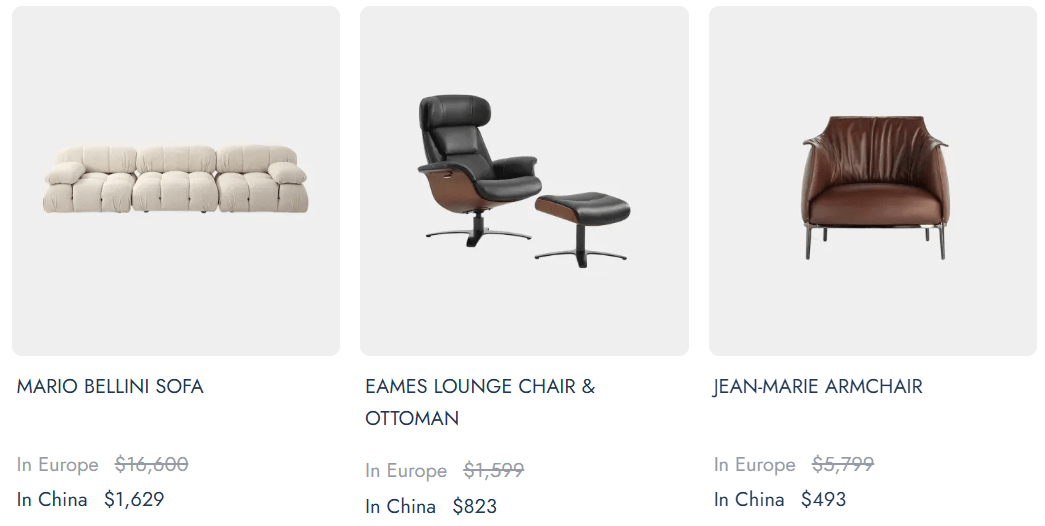
get furniture at more competitive prices in China

5. How Homebridge Helps You Source Furniture?

If you love the vintage American atmosphere seen in The Boroughs but do not know where to begin, Homebridge can help turn the show’s visual inspiration into a clearer and more practical sourcing plan.

We do not simply focus on “finding the exact same product.” Furniture used in television productions often comes from different eras, different suppliers, or even custom combinations created by set designers. A more realistic approach for actual sourcing projects is to extract the overall design logic, then match suitable products based on budget, space dimensions, and real usage needs.

If you like the warm ceramic table lamps in Gracie’s home, we can help source similar ceramic bases paired with fabric lampshades.

If you want the dark wood coffee table and vintage open-kitchen atmosphere from Sam’s home, we can help match dark wood tables, bar stools, and retro-style kitchen furniture.

If you are drawn to the orange-brown curved sofa in Judy and Art’s living room, we can help find similar options by focusing on fabric color, sofa curvature, seat depth, and cushion filling—while also making sure the furniture works well in a real living space.

For full-home furniture projects, this approach is far more effective than buying a few individual pieces separately. Because what you are really sourcing is not just furniture, but an entire spatial atmosphere.

Homebridge works with more than 95 furniture factories across China and can assist buyers throughout the entire process—from style planning, product selection, supplier communication, pricing confirmation, and production follow-up to quality inspection, packaging consolidation, and international shipping.

Our goal is to give buyers a clearer path through China’s massive furniture market.

If you are looking for vintage American-style furniture similar to what appears in The Boroughs, whether for a single room or a complete home project, Homebridge can help you find more suitable options through China’s supply chain network. From one curved sofa to an entire vintage-inspired home setup, what truly matters is finding the right furniture combination for your space, budget, and lifestyle needs.
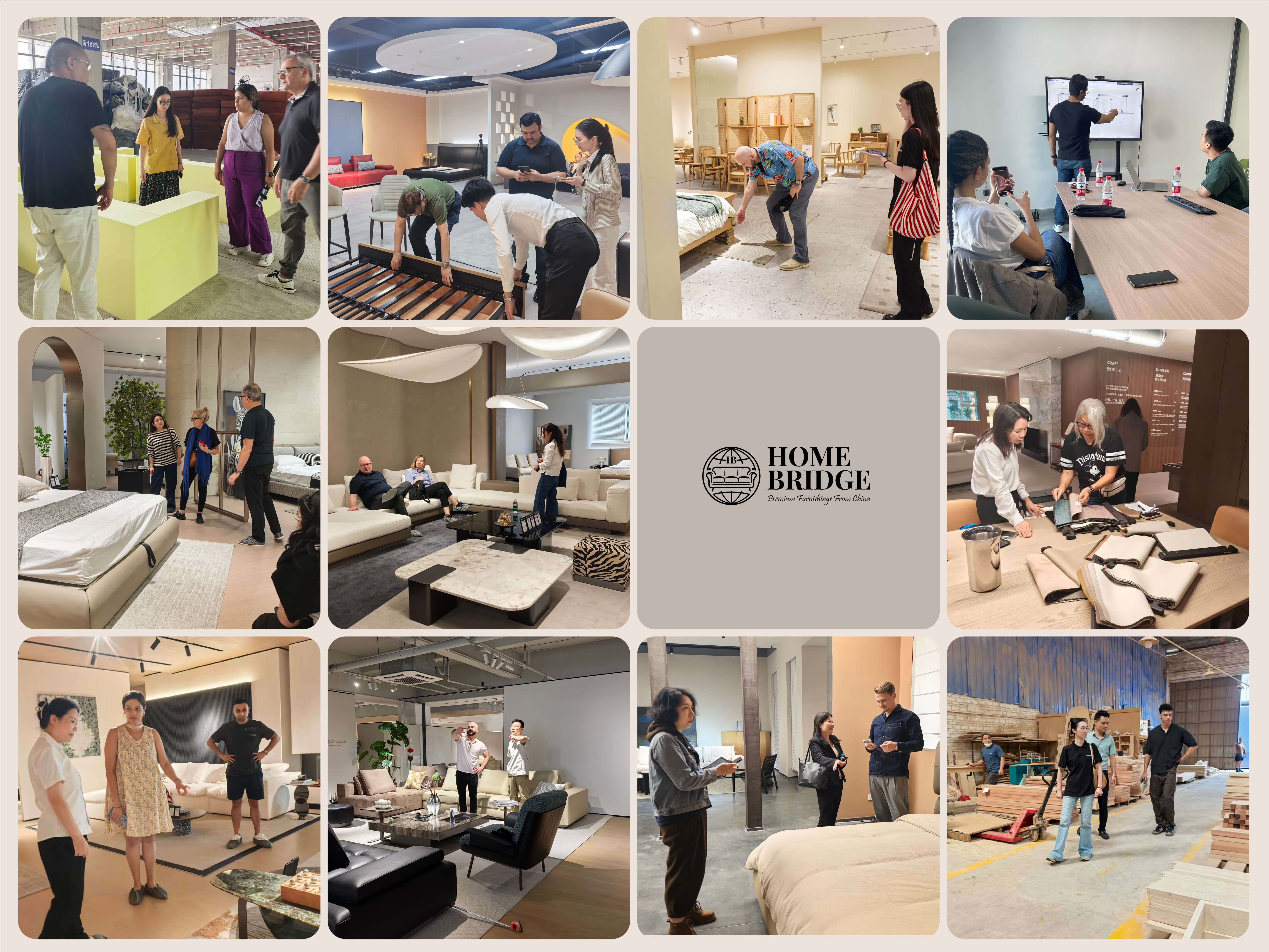
Homebridge: A Trusted Furniture Sourcing Partner
Explore Furniture Solutions with HomeBridge
Contact us for One-stop Professional Furniture Purchaisng Solution!
By clicking the button, you consent to the processing of personal data

Thank you!

Your message has been received.
Oops! Something went wrong while submitting the form.

On May 21, The Boroughs officially premiered with an 8-episode first season, quickly earning a 95% score on Rotten Tomatoes after its release.

Produced by the Duffer Brothers of Stranger Things, the series has been described by many viewers as an “older-adult version of Stranger Things” because of its similar setup.

The story takes place in “The Boroughs,” a retirement community in the New Mexico desert. At first glance, it looks like an ideal place to grow older—picturesque scenery, complete facilities, and warm relationships among residents.

Much of this “perfect” feeling comes from the show’s visual world. In particular, the vintage furniture that appears throughout the series quietly shapes the atmosphere of the entire community.

If you were also drawn to the furniture in the show and want to find similar vintage American-style pieces, this article will walk you through several key scenes and break down the furniture and interior styling logic behind The Boroughs.

1. Gracie’s Home: Warm and Nostalgic

At the beginning of the story, we see Gracie, an elegant older woman, sitting calmly on the sofa while video-calling her husband. The opening is quiet and natural, gently bringing viewers into her living space.

Her home presents a vintage American style—warm, nostalgic, and full of everyday life. The furniture does not try to look “new” or trendy. Instead, it focuses more on comfort, familiarity, and a sense of stability.

Gracie’s living room

The first elements that stand out are two vintage American ceramic table lamps. Each lamp combines a large fabric lampshade on top with an embossed ceramic base below, creating a distinctly retro look. The shades use a tapered silhouette—narrower at the top and wider at the bottom—allowing the light to spread softly throughout the room. The lamp bases use vertical column-like forms with geometric relief textures across the surface.

On a nearby side table, another lamp has a softer and more sculptural appearance. Its oversized lampshade takes up more than two-thirds of the overall visual proportion, creating a more wrapped and diffused lighting effect. The base resembles a mushroom-like ceramic sculpture with arched cutout details, making the lamp feel almost like a decorative art piece.

Attention then moves to the three-seat upholstered sofa where Gracie is sitting. This sofa appears throughout the series and is later continuously used by Sam as well. Its overall shape is rounded and soft, without sharp edges. The backrest, armrests, and cushions are all generously padded, creating a deep, sink-in sense of comfort.

Beside it sits a single armchair. Unlike the softer feeling of the sofa, this chair has a more structured and squared silhouette. The backrest forms a large rectangular surface while still maintaining the rounded softness typical of upholstered furniture. Its design feels simple, heavy, and visually understated.

Gracie sitting on the living room sofa

2. Sam’s Home: Vintage and Grounded

“The previous owner left some furniture behind,so feel free to keep the pieces that speak to you.”

Not long afterward, Sam moves into The Boroughs. While showing him around the house prepared for him, the warm and enthusiastic coordinator Kayleigh immediately draws attention to the furniture.

In fact, Sam keeps many of the pieces that once belonged to Gracie, including the sofa, table lamps, and side tables.

In later scenes, when Sam and Wally collapse onto the sofa in frustration, the dark coffee table in front of them becomes especially noticeable. The tabletop is wide, with a reflective surface that gives the piece strong visual weight. It naturally creates the calm, grounded atmosphere of an old-fashioned sitting room.

The striking coffee table in front of Sam and Wally

The camera then shifts to the other side of the room, revealing a classic vintage American open kitchen. Wooden cabinets, glass-front upper cabinets, and bar stools together create a quiet, nostalgic atmosphere filled with everyday warmth.

The first thing that stands out is the kitchen’s wooden cabinetry. The overall finish uses a light-medium wood tone with a noticeable sense of age and character. Unlike the glossy lacquer surfaces often seen in modern kitchens, these cabinets preserve a more natural wood grain texture with warm undertones that blend softly with the interior lighting. The cabinet doors use a clean flat-panel design without excessive carving, placing more emphasis on the warmth of the material itself.

Above the base cabinets are glass-front upper cabinets. Through the semi-transparent doors, dishes, bowls, and cups remain visible, making the kitchen feel not only functional but also slightly decorative. The reflected light inside the cabinets adds depth to the space and prevents the wooden cabinetry from feeling visually heavy.

On the left side of the frame are two bar stools placed beside the counter. They feature caramel-brown upholstered seats and backrests paired with slim tubular metal frames and footrests. Although the stools are relatively tall in proportion, the thin metal structure keeps them visually light, allowing the kitchen to remain open and uncluttered.

Sam’s open-concept kitchen

3. Judy and Art’s Home: A Complete Vintage American Style

Judy and Art’s home appears many times throughout the series, especially the kitchen area, where the two often chat and eat breakfast together.

The most eye-catching furniture piece in these scenes is the large kitchen island placed in the foreground. Its oversized surface allows enough space for food preparation, tableware, and everyday household items at the same time. The countertop uses an off-white vintage-style tile finish with a soft, clean appearance, while the wooden trim surrounding the edges adds warmth and naturally connects with the wooden cabinetry behind it.

The background and right side of the space are filled with wooden cabinets in warm wood tones. Most use framed cabinet doors with understated hardware handles, emphasizing practicality over decoration. The system combines traditional upper cabinets and lower base cabinets, a layout commonly seen in classic American family kitchens.

Near the windows, light brown woven bamboo shades are used, with the woven texture clearly visible. When sunlight enters through the windows, the woven gaps soften and break the light into gentle shadows, making the kitchen feel warmer and more natural.

The backsplash behind the counters uses patterned tiles featuring diamond shapes and mixed-color details. The patterns remain relatively small in scale, while the muted colors help create a distinctly vintage kitchen atmosphere.

Overall, the hard finishes and furniture blend together naturally, creating a classic old-style American family kitchen that feels warm, authentic, and comfortably lived-in.

Judy and Art’s kitchen area

The living room area in Judy and Art’s home is equally thoughtful in its arrangement.

A large floor-to-ceiling window dominates the background, layered with a double-curtain system. The center uses sheer blinds with a louver-like texture, allowing sunlight to filter through while still preserving strong natural daylight. On both sides are heavier curtains with botanical patterns that visually connect with the wall surfaces and further strengthen the vintage residential atmosphere.

As the eye moves outward, the walls are fully covered with botanical-pattern wallpaper. The design uses a light beige background combined with muted green leaf motifs. The dense yet soft natural patterns add visual depth without feeling overwhelming.

On the left side of the space stands a vertical wooden partition system. Made from warm brown wood, it uses semi-open slatted panels to divide the space. This type of partition is very common in older American homes, helping separate areas while still maintaining visual openness.

Judy and Art’s living room

During the argument between Judy and Art, the camera gives a clear full view of the living room sofa.

It is a curved sofa in a warm orange-brown tone, upholstered in a velvet-like fabric that gives the piece a soft and relaxed texture. The backrest and armrests extend smoothly along the curved shape, creating a wraparound seating area that feels suitable for group conversation and lounging. The overall proportions are relatively low, with thick armrests, padded back cushions, and deep seating designed for comfort and relaxation.

Several throw pillows are arranged across the sofa. Behind Judy sits a larger brown back cushion, while a patterned decorative pillow is layered behind it. The color palette stays within warm orange and brown tones, adding both visual depth and a stronger sense of everyday living to the space.

Judy sitting on the orange-brown curved sofa

4. Sourcing Vintage Furniture: Finding the Right Supply Chain in China

After looking through these scenes, one thing becomes very clear: the vintage atmosphere in The Boroughs is never created by just one piece of furniture.

An orange-brown curved sofa alone is not enough. A vintage ceramic table lamp alone is not enough either. What truly makes the spaces work is the coordination between the sofa, coffee table, lamps, cabinetry, curtains, wallpaper, and all the surrounding details. The colors need to feel connected, the materials need consistency, and the small details need to carry a sense of age and character. Remove one part, and the vintage feeling can quickly turn into a mismatched collection of furniture.

This is also one of the most common mistakes people make when sourcing vintage-style furniture themselves.

A vintage sofa purchased alone may end up looking bulky in the room. A vintage lamp on its own may not match the surrounding style at all. The biggest challenge with vintage interiors is that individual pieces may look beautiful separately, but fail to create harmony once placed together.

That’s why sourcing this kind of furniture is not really about finding one exact product match—it is about building a complete style system.

For example, the sofa requires careful decisions around fabric, color, and curvature. The coffee table must match the wood tone, proportions, and surface texture. Cabinets often need adjustments based on room dimensions. The real difficulty of vintage furniture sourcing lies in making all of these details work together rather than purchasing each piece separately without coordination.

Mixed furniture styles can feel mismatched

If you rely only on local retail stores, the selection is often very limited. You may find a sofa that feels close to the style you want, but struggle to find matching side tables, chairs, lighting, and cabinets that work together. Even if you do find them, the pricing usually already includes heavy brand and retail markups. What buyers ultimately pay for is the fully layered retail price.

By comparison, sourcing through Chinese supply chains offers much broader possibilities.

For vintage-style furniture, China can provide access to a much more complete sourcing ecosystem. Buyers are not limited by the inventory of a single showroom, but can combine products from different factories and product lines around one consistent design direction.

If existing products still do not fully match your vision, Chinese factories also offer strong customization capabilities. For example, if you want to recreate furniture similar to pieces seen in The Boroughs, factories can often reproduce highly similar designs based on reference images alone. In addition, dimensions and proportions can be adjusted to better fit your actual space requirements.

At the same time, China’s supply chain can provide much stronger overall value. Take the orange-brown curved sofa in Judy’s home as an example. A similar piece may retail locally for around $6,000, while the factory export price in China may be closer to $1,000. This allows buyers to achieve a similar style within a far more manageable budget.

get furniture at more competitive prices in China

5. How Homebridge Helps You Source Furniture?

If you love the vintage American atmosphere seen in The Boroughs but do not know where to begin, Homebridge can help turn the show’s visual inspiration into a clearer and more practical sourcing plan.

We do not simply focus on “finding the exact same product.” Furniture used in television productions often comes from different eras, different suppliers, or even custom combinations created by set designers. A more realistic approach for actual sourcing projects is to extract the overall design logic, then match suitable products based on budget, space dimensions, and real usage needs.

If you like the warm ceramic table lamps in Gracie’s home, we can help source similar ceramic bases paired with fabric lampshades.

If you want the dark wood coffee table and vintage open-kitchen atmosphere from Sam’s home, we can help match dark wood tables, bar stools, and retro-style kitchen furniture.

If you are drawn to the orange-brown curved sofa in Judy and Art’s living room, we can help find similar options by focusing on fabric color, sofa curvature, seat depth, and cushion filling—while also making sure the furniture works well in a real living space.

For full-home furniture projects, this approach is far more effective than buying a few individual pieces separately. Because what you are really sourcing is not just furniture, but an entire spatial atmosphere.

Homebridge works with more than 95 furniture factories across China and can assist buyers throughout the entire process—from style planning, product selection, supplier communication, pricing confirmation, and production follow-up to quality inspection, packaging consolidation, and international shipping.

Our goal is to give buyers a clearer path through China’s massive furniture market.

If you are looking for vintage American-style furniture similar to what appears in The Boroughs, whether for a single room or a complete home project, Homebridge can help you find more suitable options through China’s supply chain network. From one curved sofa to an entire vintage-inspired home setup, what truly matters is finding the right furniture combination for your space, budget, and lifestyle needs.

Homebridge: A Trusted Furniture Sourcing Partner