


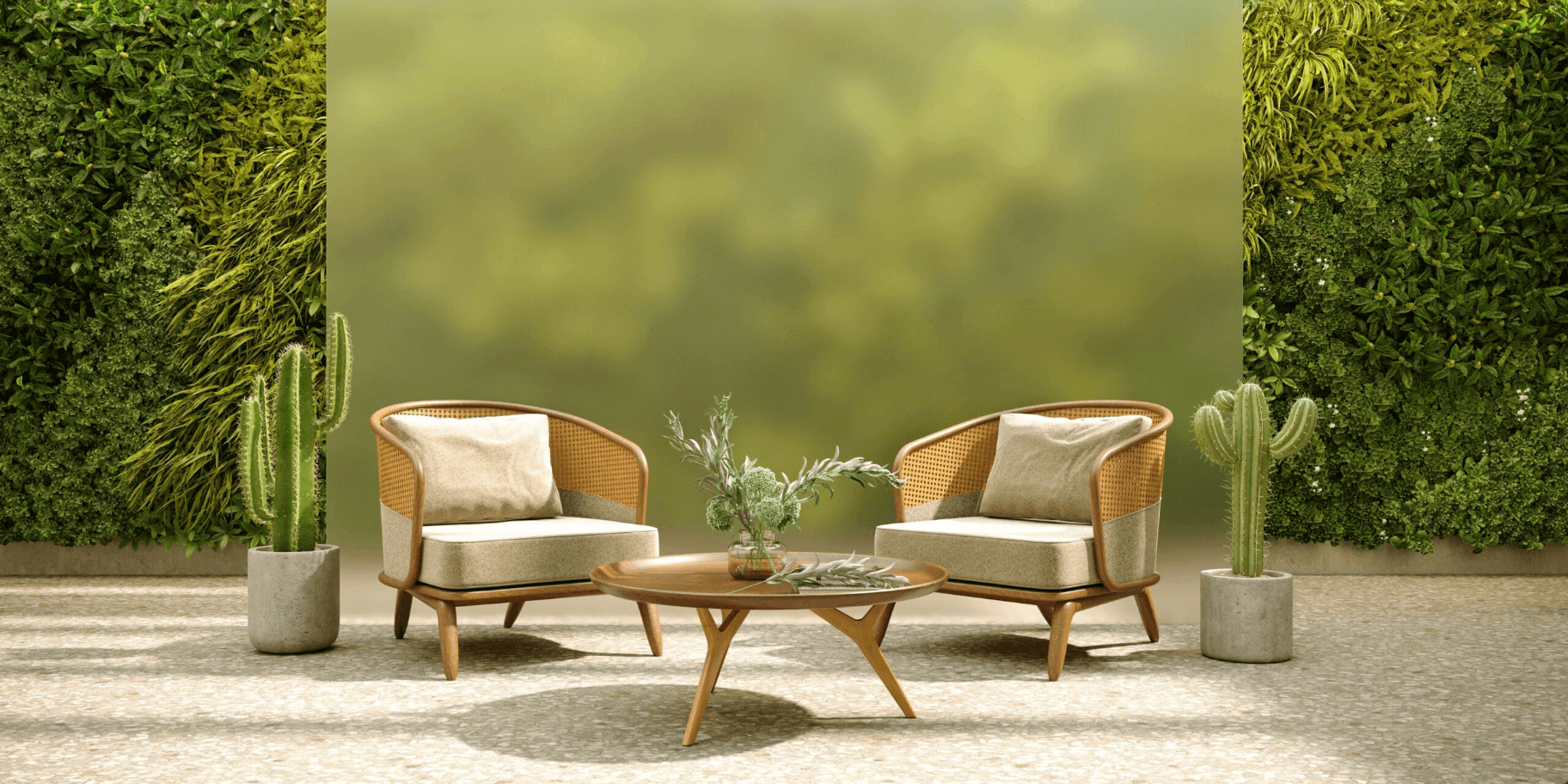

Tired of furniture that costs too much or hurts the planet? You want a beautiful home, but feel stuck choosing between your wallet and the environment. What if you didn’t have to choose? The good news is, the future of home decor is here! Finding stylish, durable, and affordable eco-friendly furniture brands for home is now easier than ever.
This complete guide is your answer. We’ll solve your shopping stress and show you exactly how to build a green home without breaking the bank. First, we reveal the Top 5 Affordable Eco-friendly Furniture Brands for Home in 2026. Then, our simple guide on How to choose Eco-friendly Furniture Brands for Home? will make you a smart shopper. Let’s get started
1. Top 5 Affordable Eco-friendly Furniture Brands for Home in 2026
Sabai Design (Best Overall Value)
Furniture range
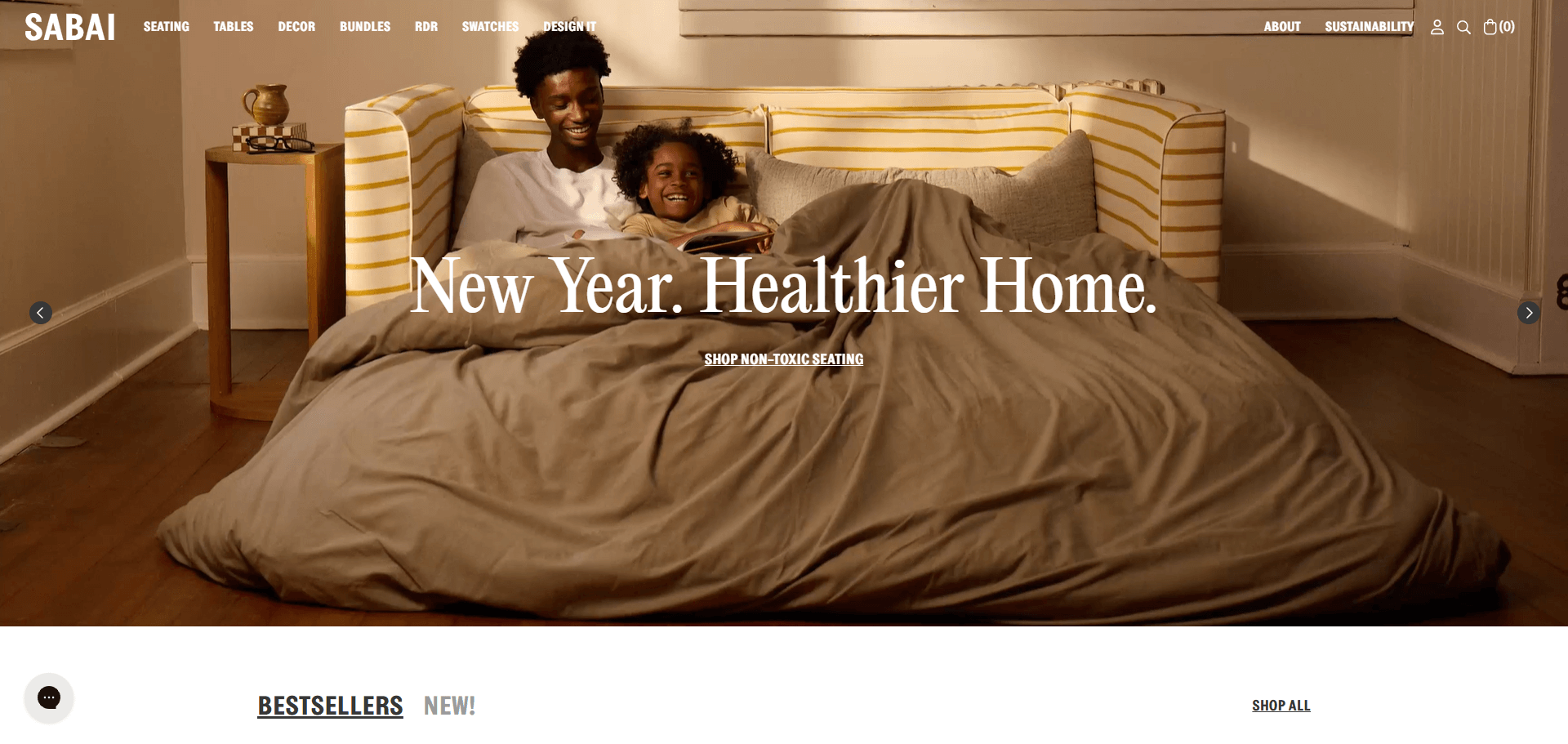
Sabai offers sofas, loveseats, sectionals, sleeper sofas, accent chairs, ottomans, and pillows. You can also find eco-friendly tables and rugs to match your seating. The collection is not huge, but each piece is well-planned and built to last. This makes shopping simple, without too many confusing options.
Furniture styles
Sabai focuses on modern, simple, and cozy styles. The look is clean, with straight lines and soft shapes that fit in most homes. You can choose fabrics like hemp, recycled velvet, and upcycled polyester blends, in many colors. These styles work well in small apartments or larger living rooms.
Best for and recommended reasons
Sabai is best for people who want eco-friendly furniture on a fair budget. The pieces are made in the USA with recycled and natural materials, and use nontoxic parts. Many covers are washable, and parts can be repaired or replaced, so the furniture lasts longer. It is a great pick for renters, small-space homes, and anyone who cares about the planet and price.
IKEA (Best for Accessibility)
Furniture range
IKEA offers a huge range of furniture for every room: beds, sofas, tables, chairs, dressers, storage units, kids’ furniture, office pieces, and more. Many items use eco-friendly materials like certified wood and energy-saving parts, and IKEA also has a second-hand “As-Is” section so products can be reused instead of thrown away. This wide choice makes it easy to find green options on almost any budget.
Furniture styles
IKEA is known for simple, modern Scandinavian style, with clean lines and light wood. In 2026, many new pieces use natural materials and soft, warm colors that follow current design trends but still feel timeless. You can mix basic items with fun, colorful pieces to match almost any taste, from calm and minimal to bright and playful.
Best for and recommended reasons
IKEA is best for accessibility because it is easy to reach for most people: low prices, many stores, and online shopping. The brand works to make sustainable living affordable, using resource‑efficient designs and offering products that help save energy and reduce waste at home. IKEA’s goal to cut emissions and move toward circular, longer‑lasting products makes it a strong eco‑friendly choice for tight budgets in 2026.
Burrow (Best for Modular Living)
Furniture range
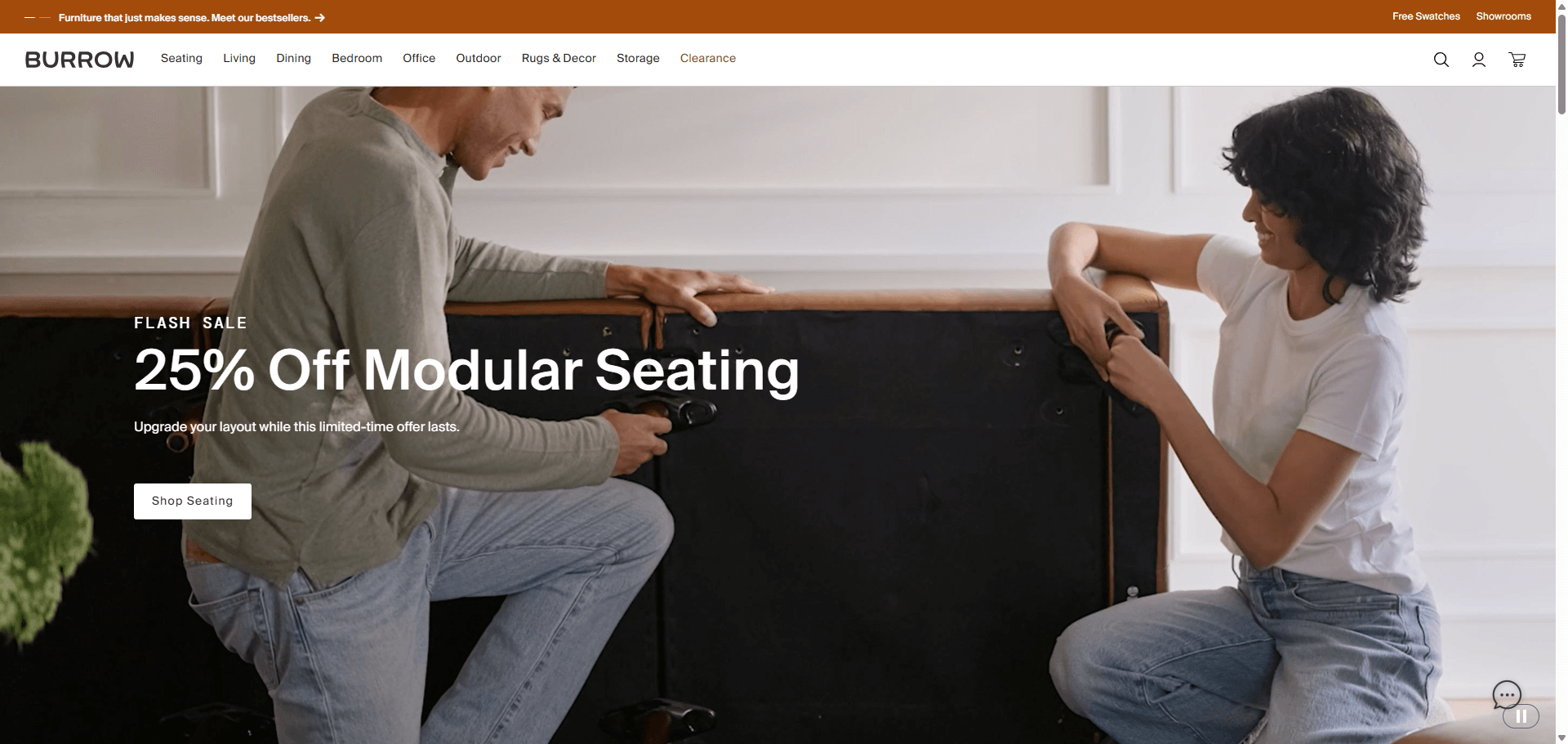
Burrow offers sofas, sectionals, loveseats, chairs, ottomans, sleepers, storage, media consoles, and bedroom and outdoor pieces. Their main focus is modular seating that you can grow, shrink, or re-shape with extra seats, chaises, and ottomans. This makes it easy to move, fit tight doors, and update your room without buying a whole new couch.
Furniture styles
Burrow’s look is modern and mid‑century with clean lines and simple shapes. You can pick from tufted or plain cushions, high or low arms, fabric or leather, and different leg finishes for a custom feel. Colors are mostly neutrals and soft tones, so the pieces match many homes and are easy to style.
Best for and recommended reasons
Burrow is best for renters, small homes, and anyone who moves often or likes to rearrange. The modular design, easy tool-free assembly, and box shipping make setup simple for one person. It is a good eco‑friendly choice because it uses responsibly sourced wood and durable materials that are made to last, so you buy fewer pieces over time, which cuts waste.
Kaiyo (Best for High-End for Less)
Furniture range
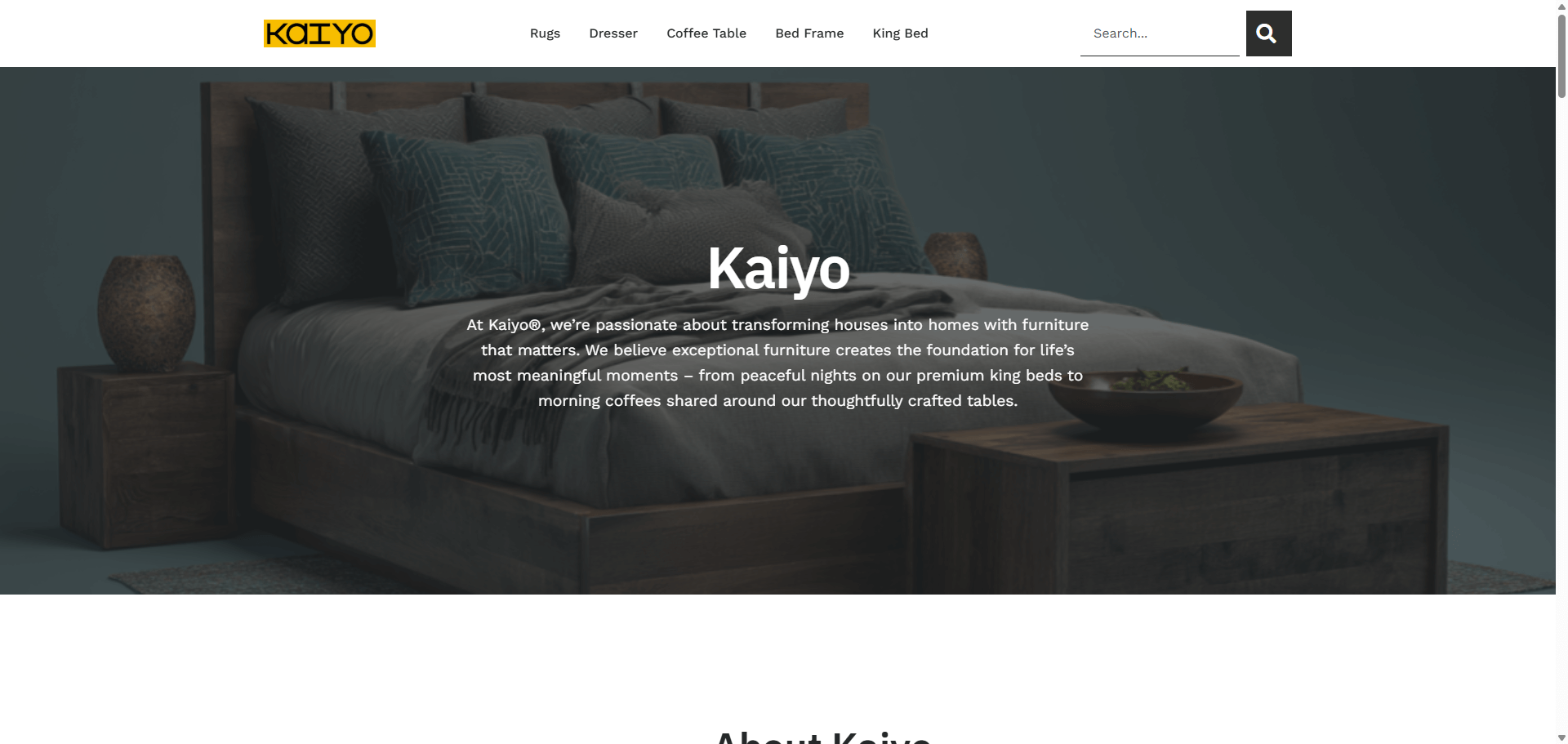
Kaiyo focused on pre-owned furniture only. You could find sofas, chairs, tables, beds, storage pieces, and home décor. Items came from many well-known brands like West Elm, Room & Board, CB2, Crate & Barrel, and Restoration Hardware. Every piece was checked, cleaned, and stored before delivery, so buyers got solid quality at lower prices than new.
Furniture styles
Kaiyo offered many high-end looks without the new-store price. Styles included mid-century, modern, and contemporary pieces. You could find designer items from brands like Herman Miller, Knoll, Fritz Hansen, and Eames, often seen at Design Within Reach. This mix made it easy to build a stylish, eco-friendly home with timeless design.
Best for and recommended reasons
Kaiyo was best for people who want luxury furniture cheaper and greener. Because everything was secondhand, buyers kept quality pieces out of landfills and supported the circular economy. The company handled pickup, cleaning, photos, storage, and delivery, so the whole process was simple for both buyers and sellers. It suited budget-conscious, eco-minded shoppers who still wanted premium brands and long-lasting design.
Floyd (Best for Minimalist Longevity)
Furniture range
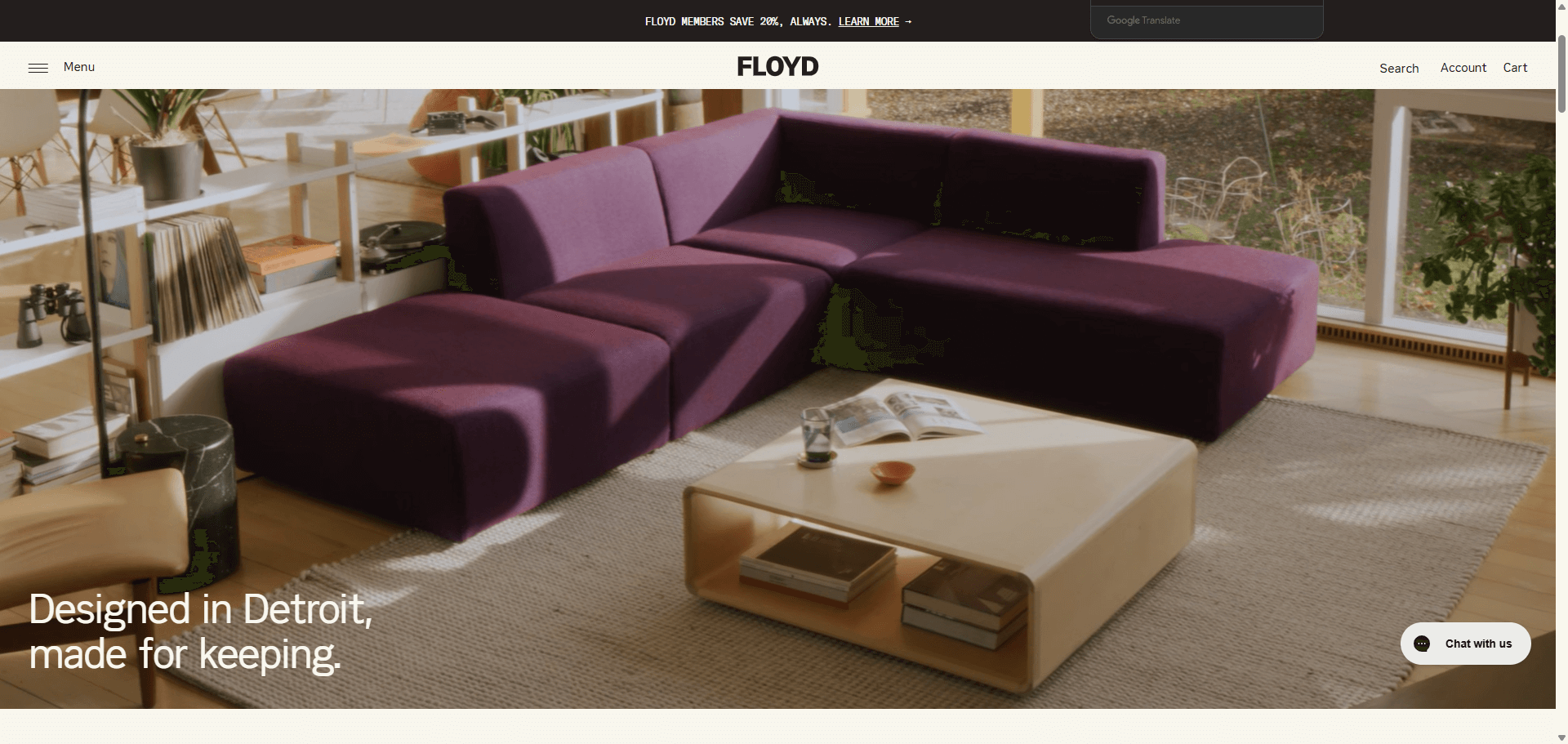
Floyd offers core home pieces: beds, sofas and sectionals, tables, shelves, dressers, and storage. Most items are modular, so you can add or remove parts as your space or family changes. The brand focuses on few, well‑made essentials instead of many product lines, which helps keep quality high and waste low.
Furniture styles
Floyd follows a minimal, modern style with clean lines and simple shapes. Pieces are low‑clutter and work well in small apartments and open rooms. Colors are usually neutral, with some warm wood tones and a few bold color options for items like dressers and sofas. The look is timeless, so it does not go out of style quickly.
Best for and recommended reasons
Floyd is best for people who want “buy once, keep for years” furniture with a clean, simple look. Their designs are modular, easy to move, and built to last many moves, which cuts landfill waste. Materials favor FSC‑certified wood, recycled content, and low‑tox finishes, and the brand is working toward high use of recycled or renewable materials and carbon‑neutral goals. This makes Floyd a strong pick for minimalist, eco‑minded homes on a long‑term budget.
2. How to choose Eco-friendly Furniture Brands for Home?
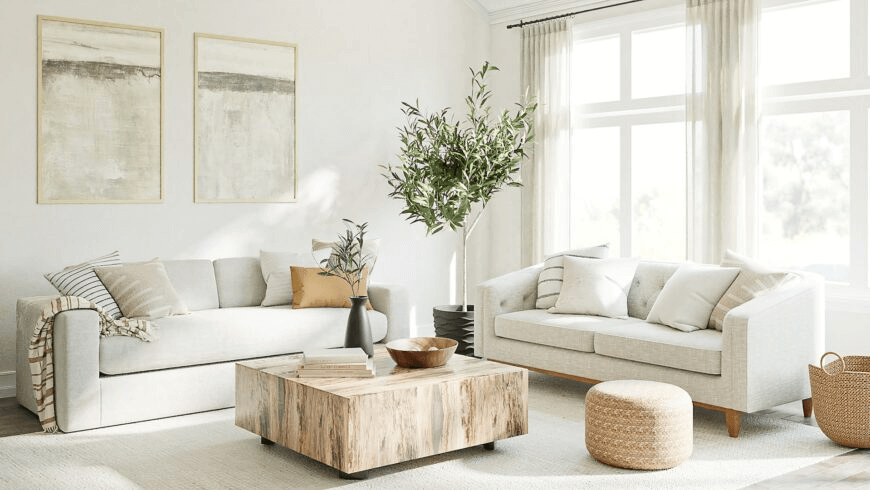
When you choose eco-friendly furniture, you want products that are safe for your family, kind to the planet, and built to last. Focus on a few simple things: real green certifications, clean and safe materials, strong build quality, fair treatment of workers, and what happens to the furniture when you no longer need it. If a brand is open about these points and you can easily find this information on their website or product tags, it is usually a better, more trusted choice.
1) Identify Green Certifications
Look for clear, third‑party green labels on tags, packaging, or product pages. These labels show that an outside group has checked the brand’s claims.
Some helpful labels for furniture include:
- FSC (Forest Stewardship Council) for wood that comes from responsibly managed forests.
- PEFC for wood and paper products from well‑managed forests and legal sources.
- GREENGUARD or GREENGUARD Gold for low chemical emissions and better indoor air quality.
- OEKO‑TEX or GOTS for textiles that are tested for harmful substances or made with organic fibers.
- Fair Trade, B Corporation, or Climate Neutral for brands that care about fair labor, social impact, and climate actions.
If a brand only uses vague words like “green” or “natural” without any of these labels or clear proof, be careful. Real certifications are easier to trust than marketing words.
2) Check Material Sourcing
Materials have a big impact on the planet. Try to find brands that:
- Use FSC or PEFC certified wood, bamboo, or other responsibly harvested materials, not wood from unknown forests.
- Include recycled metal, plastic, or fabrics to cut down on new resource use.
- Avoid heavy use of toxic glues, foams, and finishes that can release chemicals into your home. Labels like GREENGUARD or OEKO‑TEX can help you check this.
- Explain where their wood and fabrics come from and how they are processed. A good brand will share this on their site or in product details.
If a brand is secretive about sources or cannot answer simple questions about where their wood and fabrics come from, it may not be a good eco choice.
3) Assess Durability & Longevity
Eco‑friendly furniture should last many years. Long‑lasting pieces mean less trash and fewer new items made.
Look for:
- Solid, stable construction
- Strong joints and frames
- Quality finishes that do not chip or peel easily
- Designs that can be repaired, not just thrown away
Some simple checks:
- Does the brand offer a warranty? Longer warranties often mean better quality.
- Are weight limits and test standards listed (for example, BIFMA testing for strength and safety)?
- Can you find reviews that say the piece holds up well over time?
Bullet point checklist for durability:
- Thick, sturdy wood or metal parts, not thin or wobbly pieces
- Tight screws and joints, no shaking when you push on it
- Easy access to spare parts like screws, legs, or covers
- Removable or replaceable cushions and covers
- Clear care instructions to keep the furniture in good shape
4) Verify Manufacturing Ethics
Eco‑friendly should also mean people‑friendly. Try to buy from brands that treat workers fairly and keep factories safe.
Things to look for:
- Clear statements on fair wages, safe working conditions, and no child labor.
- Certifications or memberships that cover social responsibility, like Fair Trade or B Corporation.
- Public reports or short summaries about their factories and audits.
If a brand talks a lot about “green” but says nothing about workers, that is a warning sign. True sustainability covers both the environment and people.
5) Evaluate End-of-Life Options
Think about what happens when you are done with the furniture. Good eco brands plan for the full life cycle of their products.
Better brands may:
- Use recyclable or reusable materials, like wood, metal, and simple fabrics.
- Avoid mixed materials that are hard to separate or recycle.
- Offer take‑back programs, repair services, or trade‑in options so old pieces do not end up in landfills.
- Design products that can be taken apart, making it easier to recycle each part.
When you look at a product, ask yourself:
- Can this be repaired if it breaks?
- Can I pass it on, sell it used, or donate it?
- Can the main parts be recycled in my area?
If the answer is “yes” to most of these, you are likely looking at a better eco‑friendly option.
3. How does HomeBridge help you import Furniture and building materials from China?
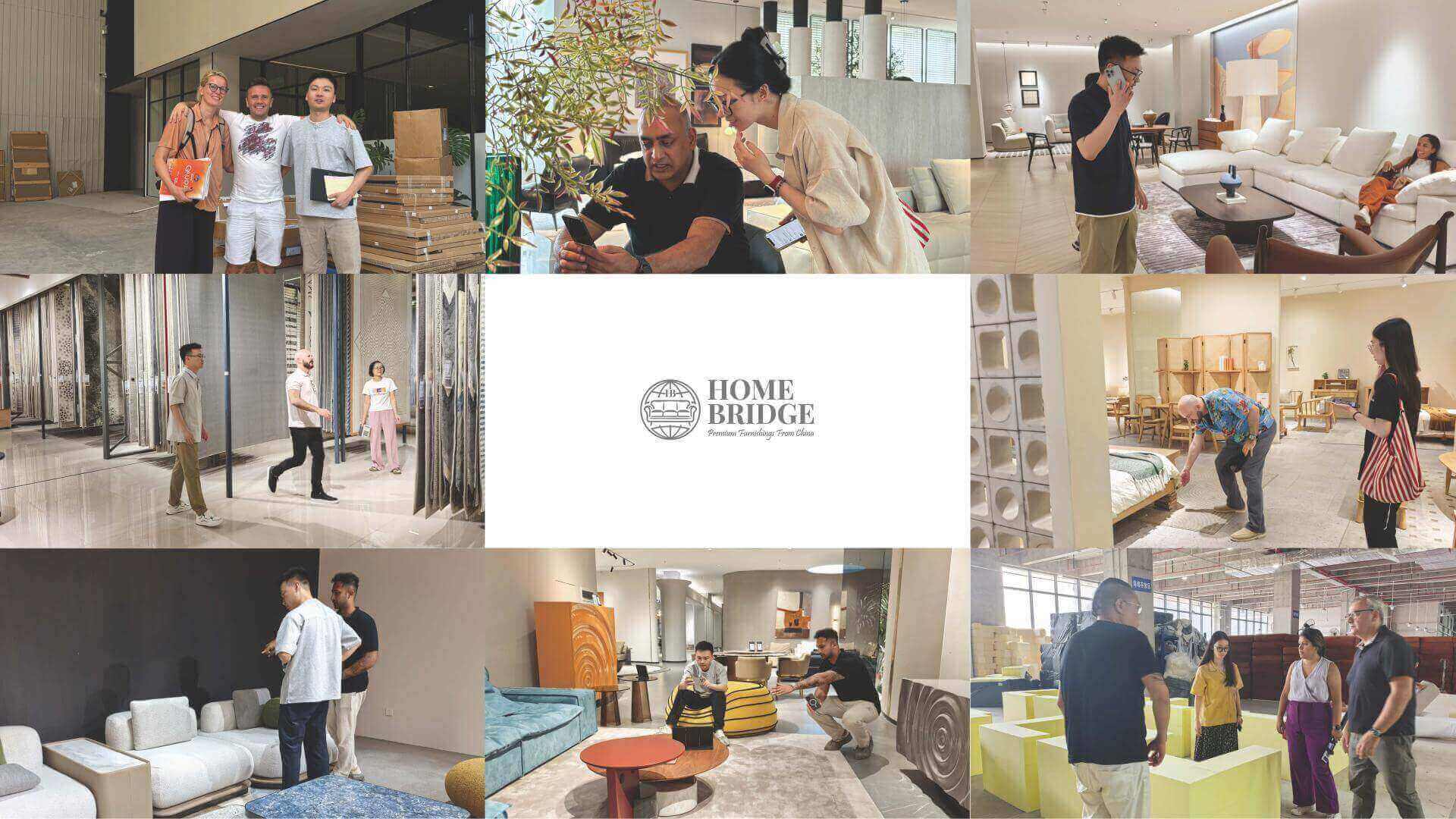
Navigating the complexities of international sourcing can be daunting. At HomeBridge Furniture Company, we streamline the entire process into a seamless, cost-effective traffic flow that moves your order from the factory floor in China directly to your project site. Our established system is designed to eliminate hurdles, ensure quality, and maximize your value.
Here is how we manage the flow for you:
- From Source to Savings: We begin by collaborating with top manufacturers across China’s key industrial hubs. This direct access allows us to secure and extend wholesale prices that are otherwise unavailable to our clients, ensuring your project starts on a foundation of significant cost efficiency.
- Consolidated Quality Sourcing: We work with over 95 top partner factories, with a concentrated network covering Foshan, Guangzhou, Shenzhen, Huizhou, and Dongguan. This gives us unparalleled access to a vast catalog of furniture, building materials, and interior decorations, allowing for efficient consolidation and quality control from a single point of contact.
- Seamless Door-to-Door Delivery: We offer true one-stop services. Leveraging our long-term partnerships with freight forwarders, we manage all logistics, customs, and shipping. Combined with our expertise in effective tax-saving strategies, we ensure your consolidated shipment is delivered efficiently and directly to your doorstep.
- Confidence Before Commitment: To de-risk your procurement, we offer free sample shipping and drawing services. This allows you to verify quality, finishes, and dimensions firsthand, and customize designs before proceeding with full-scale production, ensuring complete confidence in your order.
Let HomeBridge Furniture bridge the distance for you. From initial quote to final delivery, we manage the flow so you can focus on your project.
4. Frequently Asked Questions
1) What is the most affordable sustainable furniture material in 2026?
In 2026, bamboo is often the most affordable sustainable material. It grows very fast, like a grass, which makes it cheap to source. Bamboo furniture is strong and lasts a long time for the price. Another good low-cost option is furniture made from recycled plastic or composite materials. These turn waste into durable pieces for outdoor or casual use.
When comparing cost and impact, bamboo is great if it is sourced responsibly. Always check for certifications like FSC. Recycled materials have a lower environmental impact because they reuse waste. While solid reclaimed wood is very eco-friendly, it is usually more expensive. For the best value, look for bamboo or recycled pieces that are well-made to ensure they last.
2) Are IKEA's eco-friendly claims actually legitimate?
IKEA has made real steps, like using more renewable energy and FSC-certified wood. They offer some products with clear eco-friendly materials. However, some experts say they still promote a "buy more" culture with very low prices. While their claims are not fake, their huge size and the amount of products they sell mean their overall environmental impact is still very big. It's good to look at specific products with clear certifications rather than taking their overall brand as "green."
3) Can I recycle my old "fast furniture" when upgrading to eco-friendly brands?
Recycling fast furniture is very hard. It is often made from mixed materials like cheap particleboard and plastic that can't be recycled easily. Your best options are to first try to donate it if it's in good shape. If it's broken, check with your local waste service—some parts might be recyclable. Otherwise, it will likely need to be thrown away. This is why buying durable furniture you will keep for a long time is the most eco-friendly choice.
4) Is buying a used sofa sanitary and safe?
Yes, buying a used sofa can be safe if you are careful. First, inspect it very closely for any signs of bed bugs, like small stains or shells. Check that the frame is solid and springs are not broken. For health, always deep clean it. Use a steam cleaner for fabrics (heat kills germs and dust mites) or a proper cleaner for leather. A new, high-quality cover can also make a fabric sofa feel fresh and clean.
5) What is the difference between "reclaimed" and "recycled" wood furniture?
Reclaimed wood comes from old buildings, barns, or factories. It is cleaned and used again. This wood often has a unique, rustic look with marks and old nail holes. Recycled wood usually means manufacturing scraps or waste wood is broken down and made into something new, like composite boards. Reclaimed wood saves the whole piece of wood, while recycled wood breaks it down. Both are good for the planet because they save trees and reduce waste.
6) Do affordable eco-friendly brands offer warranties?
Yes, many do, but the warranties are often shorter than luxury brands. Typical coverage might be 1-5 years for structural parts like frames. Brands like Avocado, Burrow, and IKEA offer limited warranties. Always read the warranty details to see what is covered (like breaks) and what is not (like normal wear). Good customer service is key, so check reviews to see how a brand handles problems.
7) How do flat-pack furniture brands reduce carbon emissions?
Flat-pack furniture cuts emissions mainly in shipping. Furniture is packed in flat boxes, so many more pieces can fit on a single truck or ship. This means fewer trips and less fuel used per item. This efficiency is a big reason why this furniture can be affordable and still have a lower transportation footprint.
These brands also reduce waste in manufacturing. They design pieces to use materials efficiently, creating less scrap. Some use recycled materials in their particleboard. While making the furniture itself has an impact, the big savings come from smarter, tighter packing and shipping all over the world.
5.Conclusion
This guide has shown you the top 2026 picks and how to choose wisely. You now see that finding stylish, durable, and affordable eco-friendly furniture brands for home is totally possible. Your search for good value that doesn’t harm the planet is over. Your dream green home is finally within reach!
Ready to make it real? Let HomeBridge Furniture solve it for you. We connect you directly to top factories for unbeatable wholesale prices. We handle the entire process, from free samples to shipping right to your door. Stop just dreaming about your perfect space. Start creating it today with our expert help!
.svg)







.svg)
.svg)


