




Does your new couch already feel old? Are you tired of wobbly tables and chairs that squeak? Buying furniture can be stressful and expensive. You want pieces that last, but how can you tell what’s truly well-made? In 2026, knowing the signs of good furniture is more important than ever!
Don’t worry! This guide is here to help. We will solve your furniture-buying problems. First, we show you the 10 Clear Signs of Good Furniture in 2026. Then, we give you Simple Steps to Check Furniture Quality. Finally, we point out the Signs of Low-Quality Furniture to avoid. Let’s find you amazing furniture that lasts!
1. 10 Clear Signs of Good Furniture in 2026

Sign 1 of Good Furniture: High-Quality Materials
Good furniture starts with good materials. Strong wood, sturdy metal, and thick fabric help the piece stay firm, safe, and good-looking for many years. Cheap materials may look fine on day one but can sag, chip, or tear fast, so they cost you more in the long run.
When you check furniture in the store, look for solid wood or strong plywood instead of thin boards that feel hollow. Pick pieces with metal parts that feel firm, not bendy or sharp. Choose thick, tight-weave fabrics that do not feel rough or see-through. Run your hand over the surface—good materials feel smooth and solid, not weak or flaky. Also avoid items that smell very strong like chemicals, since this can mean low-grade finishes.
Sign 2 of Good Furniture: Robust Construction
Even the best materials fail if the construction is weak. Good furniture has strong frames, tight joints, and no wobble. The parts are put together in a way that can handle weight, movement, and daily use without coming loose or cracking.
When you test furniture in the store, sit on chairs and sofas to see if they creak or rock. Grab the back or arm and shake gently—it should feel solid. Open and close drawers to make sure they slide smoothly and do not fall out. Check joints where pieces meet; they should be tight, with no gaps or visible glue dripping out. Avoid furniture that is only held together by tiny nails or weak staples in places where it should be screwed or properly joined.
Sign 3 of Good Furniture: Handcrafted
Handcrafted furniture often shows care and skill. You may see small signs that a real person worked on it, like slight changes in the grain or tiny tool marks. These are not defects—they can mean the maker took time to sand, fit, and finish each part with attention.
In good handcrafted pieces, edges are smooth and even, not sharp or rough. Carving, stitching, or inlay looks careful, not like a quick stamp. The finish feels even to the touch, with no thick drips or bare spots. Small differences from one piece to another show it is not cheap mass work, but made with real craftsmanship.
Sign 4 of Good Furniture: Substantial Weight
Good furniture often has some weight to it. A heavier piece can mean solid wood, dense boards, and strong frames. Very light items may use thin, weak materials that bend or break under normal use.
This does not mean it must be hard to move, but a dining chair should feel steady and firm when you lift it. A table should not slide or shake easily when you lean on it. A sofa should feel grounded, not hollow or flimsy when you push the side. Weight is a quick sign that real, quality materials were used.
Sign 5 of Good Furniture: Fair and Reasonable Pricing
Price is a clue, but not the only one. Very cheap furniture is often low quality and may need replacement soon. Very high prices can just be for a brand name. Good furniture usually costs a bit more, but you can feel and see why: better materials, build, and comfort.
To judge if the price is fair, compare similar items in a few stores and ask what the piece is made of and how it is built. Think about cost per year—a sofa that lasts 10 years is often cheaper than one you replace in 3. Be careful with "sale" signs on items that still feel flimsy or poorly made.
Sign 6 of Good Furniture: Authentic Origin
Good furniture brands are open about where and how they make their products. Clear labels, tags, or paperwork that show country of origin, factory, and standards can build trust. Hidden or vague info can be a warning sign.
Look for tags that list the country of origin and key materials. Check for any quality or safety certifications on wood and fabrics. Make sure there is a brand or maker name you can look up online. Ask staff basic questions about where it is made and what is inside it—good companies will answer without hesitation.
Sign 7 of Good Furniture: Good Reputation and Warranty
A company that makes strong furniture is not afraid to stand behind it. A good name, happy reviews, and a clear warranty show they expect the piece to last. Short, weak, or confusing warranties can mean they do not trust their own product.
Check online reviews that talk about how the furniture holds up over time. Ask friends or family if they had good luck with the brand. Look for a written warranty that covers the frame and cushions for several years, not just a few months. Make sure the company has easy-to-reach customer service in case something goes wrong.
Sign 8 of Good Furniture: Solid Wood
Solid wood is valued because it is strong, repairable, and ages well. It can be sanded, refinished, and fixed if it gets scratched. Veneer and particleboard can look nice at first but usually do not last as long, especially in damp or rough conditions.
Here is a simple comparison:
Sign 9 of Good Furniture: Long-Lasting Cushion Fill
Good cushions keep their shape and comfort. Poor-quality fill goes flat or lumpy fast, so you feel the frame under you. In 2026, many better pieces use high-density foam or blends that give both support and softness.
When you test cushions, press and release them to see if they spring back. They should not stay flat or leave a deep mark after you sit. Look for cushions that use high-density foam, foam with fiber wrap, or feather and foam blends. Pieces with zippered covers are even better, since you can check the filling and clean the fabric when needed.
Sign 10 of Good Furniture: High-Performance Fabrics
High-performance fabrics are made to handle real life. They resist stains, wear, and fading from light. This is key if you have kids, pets, or heavy use in one room. These fabrics help your sofa or chair still look good years later.
Good performance fabrics often have a stain-resistant finish so spills wipe up more easily. They are abrasion-resistant, so the surface does not wear thin fast. They are also colorfast, so sun and cleaning do not quickly fade the color. Most importantly, they still feel comfortable to the touch—not stiff or plastic-like.
2. Simple Steps to Check Furniture Quality

Checking furniture quality doesn't have to be complicated. Whether you're shopping in a store or inspecting a piece at home, these simple steps will help you spot well-made furniture fast. You don't need to be an expert—just follow this quick checklist to make sure you're getting furniture that will last.
1. Give it a good shake or push. Grab the furniture with both hands and try to wiggle it gently. Quality pieces should feel solid and stable, not wobbly or loose. If a chair, table, or dresser shakes easily, the joints are probably weak.
2. Check the weight. Lift one corner or edge slightly off the ground. Good furniture feels heavy and substantial because it's made with solid materials. If it feels too light or hollow, it's likely made from cheap particleboard or thin metal.
3. Open and close all drawers and doors. Pull drawers all the way out and push them back in several times. They should glide smoothly without sticking or making loud noises. Check that doors swing evenly and close properly without gaps.
4. Look closely at the corners and edges. Run your hand along the edges and corners of the furniture. They should feel smooth with no rough spots, splinters, or peeling. Quality furniture has neat, even finishes with no visible glue or staples showing.
5. Inspect the joints and connections. Look at where different parts of the furniture connect. Strong furniture uses dovetail joints, wooden dowels, or screws—not just staples or glue. Flip chairs or tables upside down if you can to see how the legs attach to the frame.
6. Sit, lean, or press on it. For chairs and sofas, sit down and shift your weight around. Bounce a little. The frame shouldn't creak, sag, or feel unstable. For tables and shelves, press down firmly on the surface to test if it bends or flexes too much.
7. Check the finish and fabric. Look for smooth, even paint or stain with no drips, bubbles, or discoloration. If the piece is upholstered, check that the fabric is tight and even with straight stitching. Rub your hand over the fabric—it shouldn't pill, snag, or feel rough.
8. Read the labels and ask questions. Look for tags that say what materials are used (solid wood, metal, foam density, fabric type). Ask the salesperson about warranties, return policies, and where the furniture is made. Good brands are proud to share this information.
3. Signs of Low-Quality Furniture
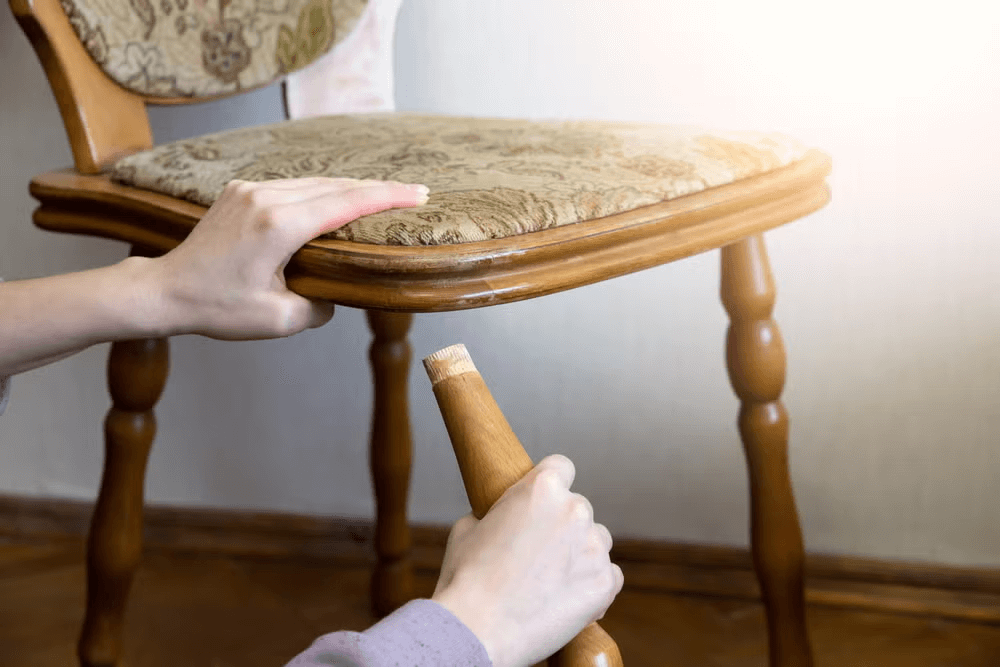
Bad furniture often shows problems as soon as you touch or move it. If a chair or table wobbles on a flat floor, that is a big warning sign. Shake it gently; if it feels loose or bends, the frame is weak. Run your hand along the edges. Rough edges, splinters, or sharp corners mean poor finishing and little care in making it. Look at the surface: a thin finish that looks patchy, streaky, or uneven will chip and peel fast.
Check the hardware and joints closely. Drawers that slide hard, get stuck, or feel shaky are usually low quality. Hinges that are tiny, crooked, or move side to side are also bad signs. Screws that are already loose or sticking out show the piece will not last. If the furniture is very light for its size and feels hollow, it may be made from cheap materials that break or sag quickly. When you see several of these red flags together, it is better to walk away and keep looking.
4. How does HomeBridge help you import Furniture and Building Materials from China?

Navigating the international supply chain for furniture and building materials can be complex, but at HomeBridge Furniture Company, we streamline the entire process for you. Our established systems and partnerships in China ensure a smooth, cost-effective, and reliable flow of goods directly to your project site. Here’s how we manage the traffic flow from factory floor to your door:
- Sourcing & Procurement: We begin by leveraging our extensive network. We work with over 95 top partner factories across key manufacturing hubs like Foshan, Guangzhou, Shenzhen, Huizhou, and Dongguan. This allows us to offer our clients wholesale prices that are otherwise unavailable on a wide range of products, from furniture and building materials to interior decorations.
- Quality Assurance & Sampling: Before any large order is placed, we facilitate your confidence in the product quality. We offer free sample shipping and drawing services, allowing you to verify materials, craftsmanship, and design directly.
- Logistics & Shipping: Once your order is confirmed, our one-stop service model takes over. We have long-term partnerships with freight forwarders to manage all sea or air freight logistics. Our expertise ensures not just reliable delivery, but also the implementation of effective tax-saving strategies to optimize your overall cost.
- Final-Mile Delivery: The journey doesn't end at the port. Our comprehensive service includes final-mile delivery, delivering furniture directly to your doorstep, whether it's a residential home, a hotel, or a commercial development.
5. Frequently Asked Questions
1) What is the quickest way to tell if furniture is good quality in-store?
The fastest way is to use your hands. First, lift a corner. Good furniture feels solid and heavy because it uses real wood or thick boards. Cheap furniture feels light and hollow. Next, push down on tables and chairs to check for wobbling. A well-made piece won't shake or rock.
Then, test moving parts. Open and close every drawer and door. They should slide smoothly and close evenly without sticking. Finally, look closely at the finish. Run your fingers over surfaces and edges. They should feel smooth, not rough or bumpy. Check for drips in the paint or places where the color doesn't match.
2) How long should quality sofas, beds, and tables last if properly used?
If you buy good-quality furniture and take normal care of it, you can expect it to last for many years. A well-made sofa or bed frame should easily last 15-25 years. A solid wood dining table can last a lifetime. Cheap "fast furniture" is often designed to be used for only a few years before it breaks or falls apart.
3) How much does good-quality furniture typically cost compared to "fast furniture"?
Good furniture costs more upfront. You might pay 3 to 5 times more for a solid wood dresser from a quality brand than for a similar-looking particleboard dresser from a fast-furniture store. Think of it as an investment. While you pay more now, you won't have to replace it every few years. Over 20 years, one quality sofa is cheaper than buying four cheap sofas that keep breaking.
4) Which visible red flags almost always mean low furniture quality?
If you see any of these signs, the furniture is likely poor quality and won't last long. The biggest warning is seeing staples or glue holding major joints together instead of wood screws, dowels, or proper joinery. Other red flags include:
- Flimsy Hardware: Drawer handles and knobs feel loose, thin, or sharp.
- Rough Edges: You can feel rough wood or fabric inside drawers or on the back of the piece.
- Hollow Sounds: A knock on the surface makes a hollow, cardboard-like sound.
- Thin Backing: The back panel is made of flimsy cardboard or very thin wood.
- Uneven Legs: The piece rocks on a flat floor because the legs are uneven.
- Peeling Veneer: The thin wood-like layer on the surface is chipped or peeling at the edges.
6. Conclusion
So, you've seen the signs of good furniture for 2026! We covered the clear signs to look for, the simple steps to check quality, and the red flags of bad pieces. Your big questions are now answered. You know exactly how to spot furniture that will last and bring you joy for years. No more confusion or worry about making a bad buy!
Ready to find pieces with all these great signs? Let HomeBridge Furniture solve it for you! We connect you directly to top factories for amazing wholesale prices. We handle everything from design to delivery right to your door. Stop searching and start creating your dream home. Visit us today and get your free sample! Your perfect, high-quality furniture is waiting.
Does your new couch already feel old? Are you tired of wobbly tables and chairs that squeak? Buying furniture can be stressful and expensive. You want pieces that last, but how can you tell what’s truly well-made? In 2026, knowing the signs of good furniture is more important than ever!
Don’t worry! This guide is here to help. We will solve your furniture-buying problems. First, we show you the 10 Clear Signs of Good Furniture in 2026. Then, we give you Simple Steps to Check Furniture Quality. Finally, we point out the Signs of Low-Quality Furniture to avoid. Let’s find you amazing furniture that lasts!
1. 10 Clear Signs of Good Furniture in 2026
Sign 1 of Good Furniture: High-Quality Materials
Good furniture starts with good materials. Strong wood, sturdy metal, and thick fabric help the piece stay firm, safe, and good-looking for many years. Cheap materials may look fine on day one but can sag, chip, or tear fast, so they cost you more in the long run.
When you check furniture in the store, look for solid wood or strong plywood instead of thin boards that feel hollow. Pick pieces with metal parts that feel firm, not bendy or sharp. Choose thick, tight-weave fabrics that do not feel rough or see-through. Run your hand over the surface—good materials feel smooth and solid, not weak or flaky. Also avoid items that smell very strong like chemicals, since this can mean low-grade finishes.
Sign 2 of Good Furniture: Robust Construction
Even the best materials fail if the construction is weak. Good furniture has strong frames, tight joints, and no wobble. The parts are put together in a way that can handle weight, movement, and daily use without coming loose or cracking.
When you test furniture in the store, sit on chairs and sofas to see if they creak or rock. Grab the back or arm and shake gently—it should feel solid. Open and close drawers to make sure they slide smoothly and do not fall out. Check joints where pieces meet; they should be tight, with no gaps or visible glue dripping out. Avoid furniture that is only held together by tiny nails or weak staples in places where it should be screwed or properly joined.
Sign 3 of Good Furniture: Handcrafted
Handcrafted furniture often shows care and skill. You may see small signs that a real person worked on it, like slight changes in the grain or tiny tool marks. These are not defects—they can mean the maker took time to sand, fit, and finish each part with attention.
In good handcrafted pieces, edges are smooth and even, not sharp or rough. Carving, stitching, or inlay looks careful, not like a quick stamp. The finish feels even to the touch, with no thick drips or bare spots. Small differences from one piece to another show it is not cheap mass work, but made with real craftsmanship.
Sign 4 of Good Furniture: Substantial Weight
Good furniture often has some weight to it. A heavier piece can mean solid wood, dense boards, and strong frames. Very light items may use thin, weak materials that bend or break under normal use.
This does not mean it must be hard to move, but a dining chair should feel steady and firm when you lift it. A table should not slide or shake easily when you lean on it. A sofa should feel grounded, not hollow or flimsy when you push the side. Weight is a quick sign that real, quality materials were used.
Sign 5 of Good Furniture: Fair and Reasonable Pricing
Price is a clue, but not the only one. Very cheap furniture is often low quality and may need replacement soon. Very high prices can just be for a brand name. Good furniture usually costs a bit more, but you can feel and see why: better materials, build, and comfort.
To judge if the price is fair, compare similar items in a few stores and ask what the piece is made of and how it is built. Think about cost per year—a sofa that lasts 10 years is often cheaper than one you replace in 3. Be careful with "sale" signs on items that still feel flimsy or poorly made.
Sign 6 of Good Furniture: Authentic Origin
Good furniture brands are open about where and how they make their products. Clear labels, tags, or paperwork that show country of origin, factory, and standards can build trust. Hidden or vague info can be a warning sign.
Look for tags that list the country of origin and key materials. Check for any quality or safety certifications on wood and fabrics. Make sure there is a brand or maker name you can look up online. Ask staff basic questions about where it is made and what is inside it—good companies will answer without hesitation.
Sign 7 of Good Furniture: Good Reputation and Warranty
A company that makes strong furniture is not afraid to stand behind it. A good name, happy reviews, and a clear warranty show they expect the piece to last. Short, weak, or confusing warranties can mean they do not trust their own product.
Check online reviews that talk about how the furniture holds up over time. Ask friends or family if they had good luck with the brand. Look for a written warranty that covers the frame and cushions for several years, not just a few months. Make sure the company has easy-to-reach customer service in case something goes wrong.
Sign 8 of Good Furniture: Solid Wood
Solid wood is valued because it is strong, repairable, and ages well. It can be sanded, refinished, and fixed if it gets scratched. Veneer and particleboard can look nice at first but usually do not last as long, especially in damp or rough conditions.
Here is a simple comparison:
Sign 9 of Good Furniture: Long-Lasting Cushion Fill
Good cushions keep their shape and comfort. Poor-quality fill goes flat or lumpy fast, so you feel the frame under you. In 2026, many better pieces use high-density foam or blends that give both support and softness.
When you test cushions, press and release them to see if they spring back. They should not stay flat or leave a deep mark after you sit. Look for cushions that use high-density foam, foam with fiber wrap, or feather and foam blends. Pieces with zippered covers are even better, since you can check the filling and clean the fabric when needed.
Sign 10 of Good Furniture: High-Performance Fabrics
High-performance fabrics are made to handle real life. They resist stains, wear, and fading from light. This is key if you have kids, pets, or heavy use in one room. These fabrics help your sofa or chair still look good years later.
Good performance fabrics often have a stain-resistant finish so spills wipe up more easily. They are abrasion-resistant, so the surface does not wear thin fast. They are also colorfast, so sun and cleaning do not quickly fade the color. Most importantly, they still feel comfortable to the touch—not stiff or plastic-like.
2. Simple Steps to Check Furniture Quality
Checking furniture quality doesn't have to be complicated. Whether you're shopping in a store or inspecting a piece at home, these simple steps will help you spot well-made furniture fast. You don't need to be an expert—just follow this quick checklist to make sure you're getting furniture that will last.
1. Give it a good shake or push. Grab the furniture with both hands and try to wiggle it gently. Quality pieces should feel solid and stable, not wobbly or loose. If a chair, table, or dresser shakes easily, the joints are probably weak.
2. Check the weight. Lift one corner or edge slightly off the ground. Good furniture feels heavy and substantial because it's made with solid materials. If it feels too light or hollow, it's likely made from cheap particleboard or thin metal.
3. Open and close all drawers and doors. Pull drawers all the way out and push them back in several times. They should glide smoothly without sticking or making loud noises. Check that doors swing evenly and close properly without gaps.
4. Look closely at the corners and edges. Run your hand along the edges and corners of the furniture. They should feel smooth with no rough spots, splinters, or peeling. Quality furniture has neat, even finishes with no visible glue or staples showing.
5. Inspect the joints and connections. Look at where different parts of the furniture connect. Strong furniture uses dovetail joints, wooden dowels, or screws—not just staples or glue. Flip chairs or tables upside down if you can to see how the legs attach to the frame.
6. Sit, lean, or press on it. For chairs and sofas, sit down and shift your weight around. Bounce a little. The frame shouldn't creak, sag, or feel unstable. For tables and shelves, press down firmly on the surface to test if it bends or flexes too much.
7. Check the finish and fabric. Look for smooth, even paint or stain with no drips, bubbles, or discoloration. If the piece is upholstered, check that the fabric is tight and even with straight stitching. Rub your hand over the fabric—it shouldn't pill, snag, or feel rough.
8. Read the labels and ask questions. Look for tags that say what materials are used (solid wood, metal, foam density, fabric type). Ask the salesperson about warranties, return policies, and where the furniture is made. Good brands are proud to share this information.
3. Signs of Low-Quality Furniture
Bad furniture often shows problems as soon as you touch or move it. If a chair or table wobbles on a flat floor, that is a big warning sign. Shake it gently; if it feels loose or bends, the frame is weak. Run your hand along the edges. Rough edges, splinters, or sharp corners mean poor finishing and little care in making it. Look at the surface: a thin finish that looks patchy, streaky, or uneven will chip and peel fast.
Check the hardware and joints closely. Drawers that slide hard, get stuck, or feel shaky are usually low quality. Hinges that are tiny, crooked, or move side to side are also bad signs. Screws that are already loose or sticking out show the piece will not last. If the furniture is very light for its size and feels hollow, it may be made from cheap materials that break or sag quickly. When you see several of these red flags together, it is better to walk away and keep looking.
4. How does HomeBridge help you import Furniture and Building Materials from China?
Navigating the international supply chain for furniture and building materials can be complex, but at HomeBridge Furniture Company, we streamline the entire process for you. Our established systems and partnerships in China ensure a smooth, cost-effective, and reliable flow of goods directly to your project site. Here’s how we manage the traffic flow from factory floor to your door:
- Sourcing & Procurement: We begin by leveraging our extensive network. We work with over 95 top partner factories across key manufacturing hubs like Foshan, Guangzhou, Shenzhen, Huizhou, and Dongguan. This allows us to offer our clients wholesale prices that are otherwise unavailable on a wide range of products, from furniture and building materials to interior decorations.
- Quality Assurance & Sampling: Before any large order is placed, we facilitate your confidence in the product quality. We offer free sample shipping and drawing services, allowing you to verify materials, craftsmanship, and design directly.
- Logistics & Shipping: Once your order is confirmed, our one-stop service model takes over. We have long-term partnerships with freight forwarders to manage all sea or air freight logistics. Our expertise ensures not just reliable delivery, but also the implementation of effective tax-saving strategies to optimize your overall cost.
- Final-Mile Delivery: The journey doesn't end at the port. Our comprehensive service includes final-mile delivery, delivering furniture directly to your doorstep, whether it's a residential home, a hotel, or a commercial development.
5. Frequently Asked Questions
1) What is the quickest way to tell if furniture is good quality in-store?
The fastest way is to use your hands. First, lift a corner. Good furniture feels solid and heavy because it uses real wood or thick boards. Cheap furniture feels light and hollow. Next, push down on tables and chairs to check for wobbling. A well-made piece won't shake or rock.
Then, test moving parts. Open and close every drawer and door. They should slide smoothly and close evenly without sticking. Finally, look closely at the finish. Run your fingers over surfaces and edges. They should feel smooth, not rough or bumpy. Check for drips in the paint or places where the color doesn't match.
2) How long should quality sofas, beds, and tables last if properly used?
If you buy good-quality furniture and take normal care of it, you can expect it to last for many years. A well-made sofa or bed frame should easily last 15-25 years. A solid wood dining table can last a lifetime. Cheap "fast furniture" is often designed to be used for only a few years before it breaks or falls apart.
3) How much does good-quality furniture typically cost compared to "fast furniture"?
Good furniture costs more upfront. You might pay 3 to 5 times more for a solid wood dresser from a quality brand than for a similar-looking particleboard dresser from a fast-furniture store. Think of it as an investment. While you pay more now, you won't have to replace it every few years. Over 20 years, one quality sofa is cheaper than buying four cheap sofas that keep breaking.
4) Which visible red flags almost always mean low furniture quality?
If you see any of these signs, the furniture is likely poor quality and won't last long. The biggest warning is seeing staples or glue holding major joints together instead of wood screws, dowels, or proper joinery. Other red flags include:
- Flimsy Hardware: Drawer handles and knobs feel loose, thin, or sharp.
- Rough Edges: You can feel rough wood or fabric inside drawers or on the back of the piece.
- Hollow Sounds: A knock on the surface makes a hollow, cardboard-like sound.
- Thin Backing: The back panel is made of flimsy cardboard or very thin wood.
- Uneven Legs: The piece rocks on a flat floor because the legs are uneven.
- Peeling Veneer: The thin wood-like layer on the surface is chipped or peeling at the edges.
6. Conclusion
So, you've seen the signs of good furniture for 2026! We covered the clear signs to look for, the simple steps to check quality, and the red flags of bad pieces. Your big questions are now answered. You know exactly how to spot furniture that will last and bring you joy for years. No more confusion or worry about making a bad buy!
Ready to find pieces with all these great signs? Let HomeBridge Furniture solve it for you! We connect you directly to top factories for amazing wholesale prices. We handle everything from design to delivery right to your door. Stop searching and start creating your dream home. Visit us today and get your free sample! Your perfect, high-quality furniture is waiting.
.svg)







.svg)
.svg)


