


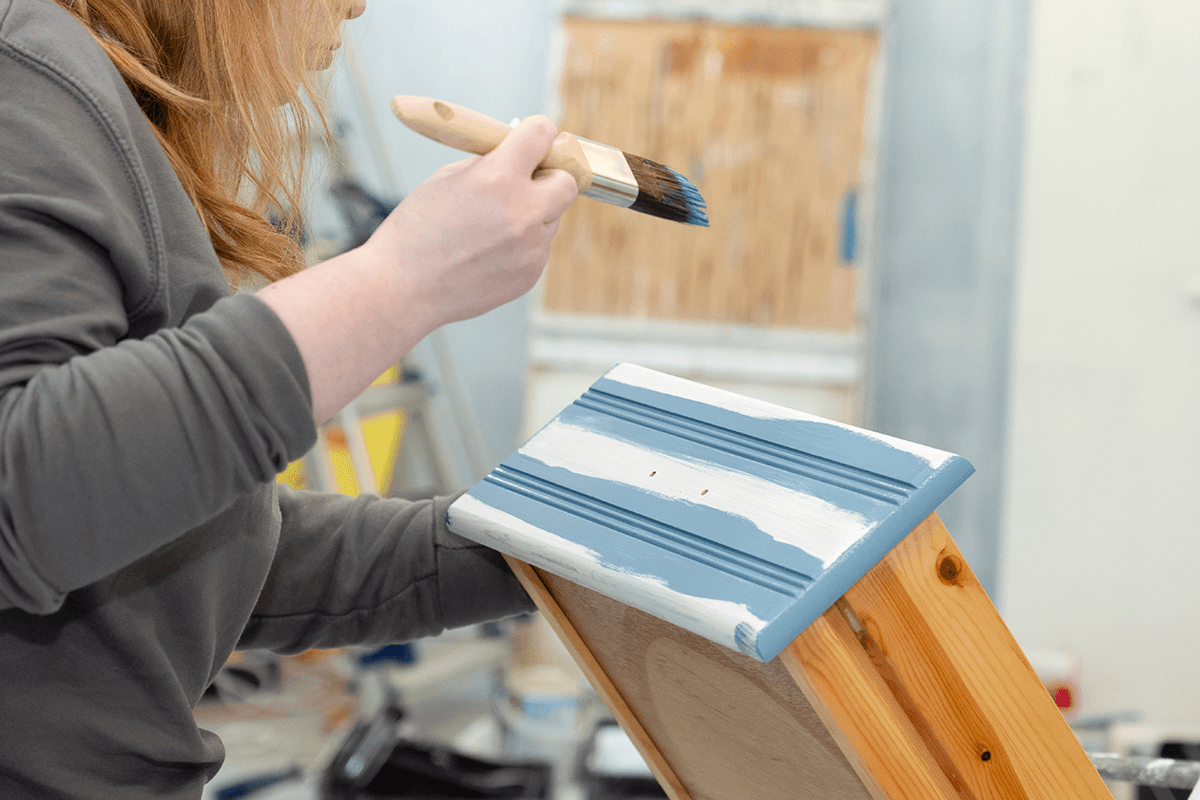

You just got a nice wooden dresser. The finish is beat up. The color does not go with anything in your room. You think about painting it, but then you wonder. Which paint actually sticks? How do you stop it from chipping? And do you really have to sand for hours?
Here is the thing: what is the best furniture paint depends on what you are painting and how you want it to look. But the main types of furniture paint like chalk, latex, and alkyd each have their own strengths. And the top furniture paint brands like Benjamin Moore Advance and Fusion Mineral Paint earned their reputations because they actually work. This guide walks through the paint types, the brands worth your money, and the techniques that give you a finish that lasts.
1. What Is the Best Furniture Paint?
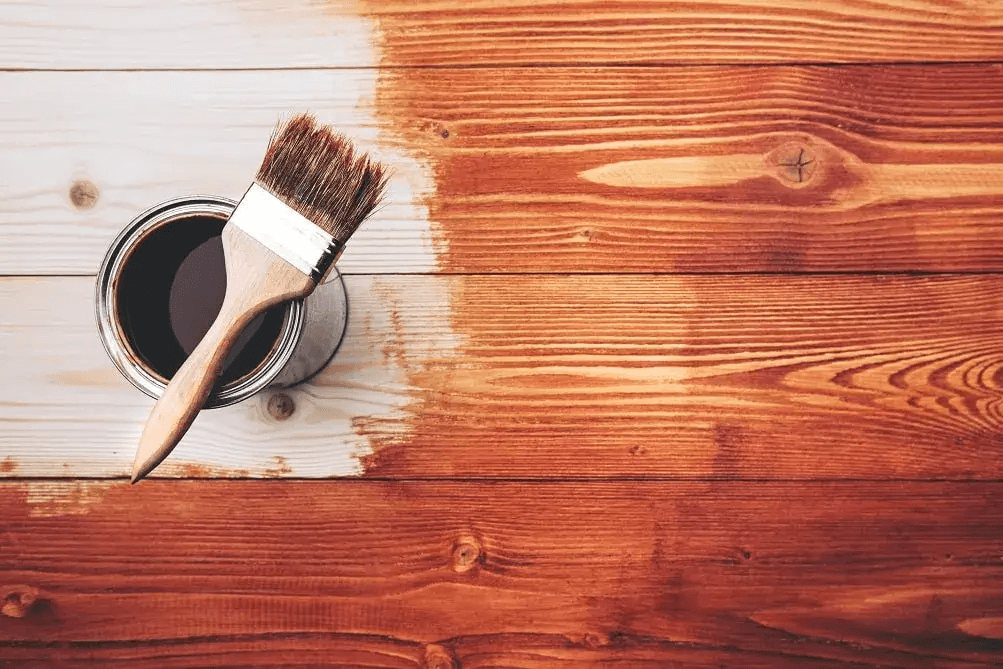
The best furniture paint bonds to your surface, dries hard, and does not chip or peel when you actually use the piece. Chalk paint wins if you hate prep work. Alkyd wins if you want durability. Acrylic and latex sit in the middle. The right choice depends on what you are painting and how much abuse it will take. Benjamin Moore Advance mixes the hardness of oil with the cleanup of water-based. Consumer Reports ranks it as a top pick for furniture. No single paint works for every job, but knowing the categories gets you most of the way there.
2. Types of Furniture Paint
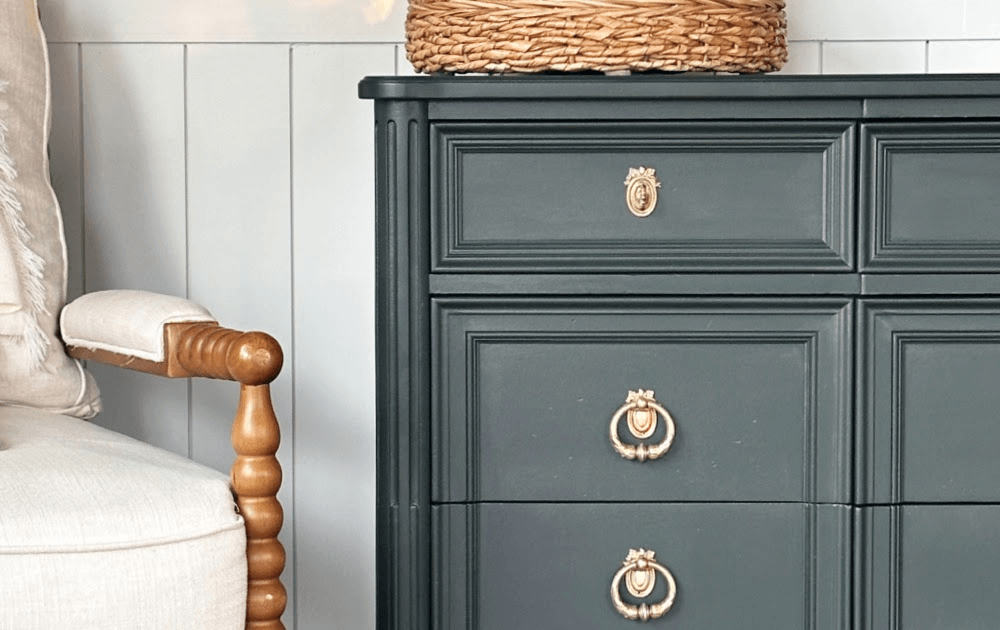
Furniture paint comes in five main types. Each one has a different chemistry that affects how it applies, how it holds up, and how much prep you need before getting started.
Chalk Paint
Chalk paint is the easiest option out there. It sticks to almost anything without sanding or priming first. Laminate, veneer, metal, glossy wood. Give it a quick clean and go. Annie Sloan created this category back in 1990, and her formula is still the gold standard. The finish is matte and velvety. Looks great on vintage-style pieces. The downside? Durability. Chalk paint needs wax or a topcoat to hold up against scratches and water rings. Without it, you will see marks fast. Compared to alkyd paints, chalk paint chips way faster on high-use surfaces like kitchen tables and cabinet doors.
Latex and Acrylic Paint
Latex and acrylic are water-based and easy to work with. Cleanup is just soap and water. They dry faster than oil-based paints and smell way less. Regular latex wall paint is too soft for furniture and will chip on you. Acrylic has more binders, which makes it harder and more flexible. Fusion Mineral Paint is a solid acrylic option. It bonds well with minimal prep and does not need a separate topcoat. Self-leveling acrylics smooth out brush marks as they dry, which matters if you want a finish that does not look like you used a broom. Consumer Reports says water-based acrylics now come close to oil-based paints for adhesion and hardness.
Milk Paint
Milk paint is the oldest type of furniture paint. It is made from milk protein, lime, and natural pigments. People have been using it for centuries. It comes as a powder you mix with water. The finish is flat and chalky, but not the same as modern chalk paint. Milk paint can achieve a genuine distressed look because it naturally creates a matte, slightly textured surface. It bonds permanently to porous wood. On non-porous surfaces like laminate, you need a bonding agent. The Real Milk Paint Company is the most recognized brand. Milk paint is non-toxic and eco-friendly. Good for children furniture and kitchen pieces.
Alkyd and Oil-Based Paint
Alkyd is the professional standard. It dries to a hard, smooth finish that resists chips, scratches, and household chemicals. Painters pick alkyd for kitchen cabinets and dining tables because nothing else holds up as well. The trade-off is drying time and fumes. Alkyd needs mineral spirits for cleanup and can take 16 hours between coats. Benjamin Moore Advance changed this. It behaves like oil during application but cleans up with water. Best of both worlds. Hard finish, easy cleanup. Worth the extra drying time.
3. How to Choose the Best Furniture Paint by Material
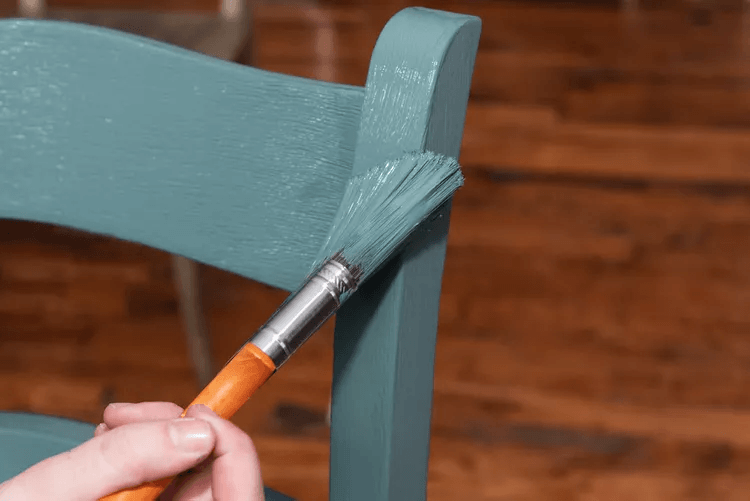
The material your furniture is made of decides which paint will stick and which will peel off in a month.
Wood Furniture
Solid wood is the easiest surface to paint. Unfinished wood soaks up paint evenly and holds it tight. But not all wood is the same. Pine has a lot of resin that can bleed through latex paint. A stain-blocking primer like Zinsser BIN fixes this. Oak has open grain that needs filling or extra primer for a smooth finish. Hardwoods like maple and birch take paint well with standard primer. Always clean with a degreaser first. Furniture polish and kitchen grease will wreck your adhesion. Light sanding with 220-grit paper opens the pores and gives the paint something to grab.
Metal Furniture
Metal needs paint that bonds to non-porous surfaces and stops rust. Spray paint made for metal is the most reliable option. No brush marks, even coverage. Rust-Oleum Protective Enamel is the go-to. It bonds to clean metal and has rust inhibitors built in. Remove any existing rust with a wire brush or sandpaper before you start. Wipe down with mineral spirits to get rid of oil and grease. Use a metal primer for the best foundation. Thin coats. Let each one dry fully before the next.
Laminate and Veneer
Laminate and veneer are the hardest surfaces to paint. They are slick, non-porous, and reject paint that does not have enough adhesion. Think IKEA furniture. If you have tried painting it before and watched it peel, this is why. You need a high-adhesion primer like Zinsser BIN Shellac-Based Primer. It bonds to slick surfaces and blocks stains. Skip the primer and the paint will peel within weeks. I have seen it happen. A laminated IKEA dresser painted with standard latex and no primer started chipping in three months. Same dresser with primer and Fusion Mineral Paint lasted over two years with daily use.
4. Top Furniture Paint Brands Compared in 2026
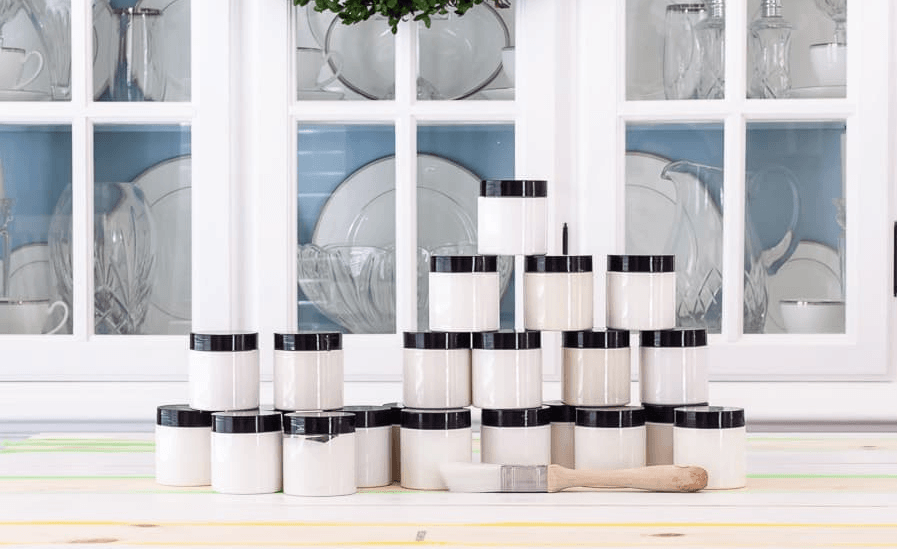
The brand you choose matters. These four have the strongest reputations based on real user feedback and pro painter recommendations.
Benjamin Moore Advance
Benjamin Moore Advance is widely considered the best furniture paint you can buy. It is a waterborne alkyd enamel. Flows like oil, cleans up with water. The self-leveling formula smooths out brush marks as it dries. You get a spray-like finish from a brush. Advance dries hard and resists chips and scratches. Best on wood furniture and cabinets. I know someone who painted oak dining chairs with Advance in satin. Three years of daily use. No visible wear. The catch is drying time. Sixteen hours between coats. Seven days to fully cure. Worth the wait if you can plan ahead.
Fusion Mineral Paint
Fusion Mineral Paint is the best all-in-one option. Primer, paint, and topcoat in one bottle. No sanding, no priming, no sealing. Clean the surface and go. It is acrylic-based and self-leveling. Dries to a matte finish that is harder than chalk paint but not as hard as alkyd. Because it has a built-in topcoat, you do not need wax or polyurethane. Fusion works on wood, laminate, metal, and plastic. Great for beginners who want good results without buying three different products. The color range is smaller. About 90 colors compared to Benjamin Moore thousands.
Annie Sloan Chalk Paint
Annie Sloan invented modern chalk paint and her product is still the benchmark. No sanding or priming on most surfaces. Paint it on, let it dry, seal with wax. The matte finish is soft and attractive. Especially good on distressed or antique-style furniture. The wax application creates depth and character that you cannot get with other paints. The main limitation is durability. Without wax or a clear topcoat, the paint marks easily. On a coffee table or dining surface, you need two to three coats of wax or a polyurethane topcoat. Also costs more. Roughly 30 to 45 dollars per quart.
Rust-Oleum and Valspar
Rust-Oleum and Valspar are the budget-friendly options. Available at every hardware store. Rust-Oleum Protective Enamel and Valspar Cabinet and Furniture Enamel both deliver solid results at about half the price of premium brands. Rust-Oleum is better for spray application on metal. Valspar Cabinet Enamel works well for brush application on wood. Neither matches the self-leveling of Benjamin Moore Advance. You will see more brush marks and the finish is not as hard. But for basic projects where budget matters, they get the job done. A quart of Valspar runs about 20 dollars. Benjamin Moore Advance is about 40.
5. How to Paint Furniture for a Professional Finish
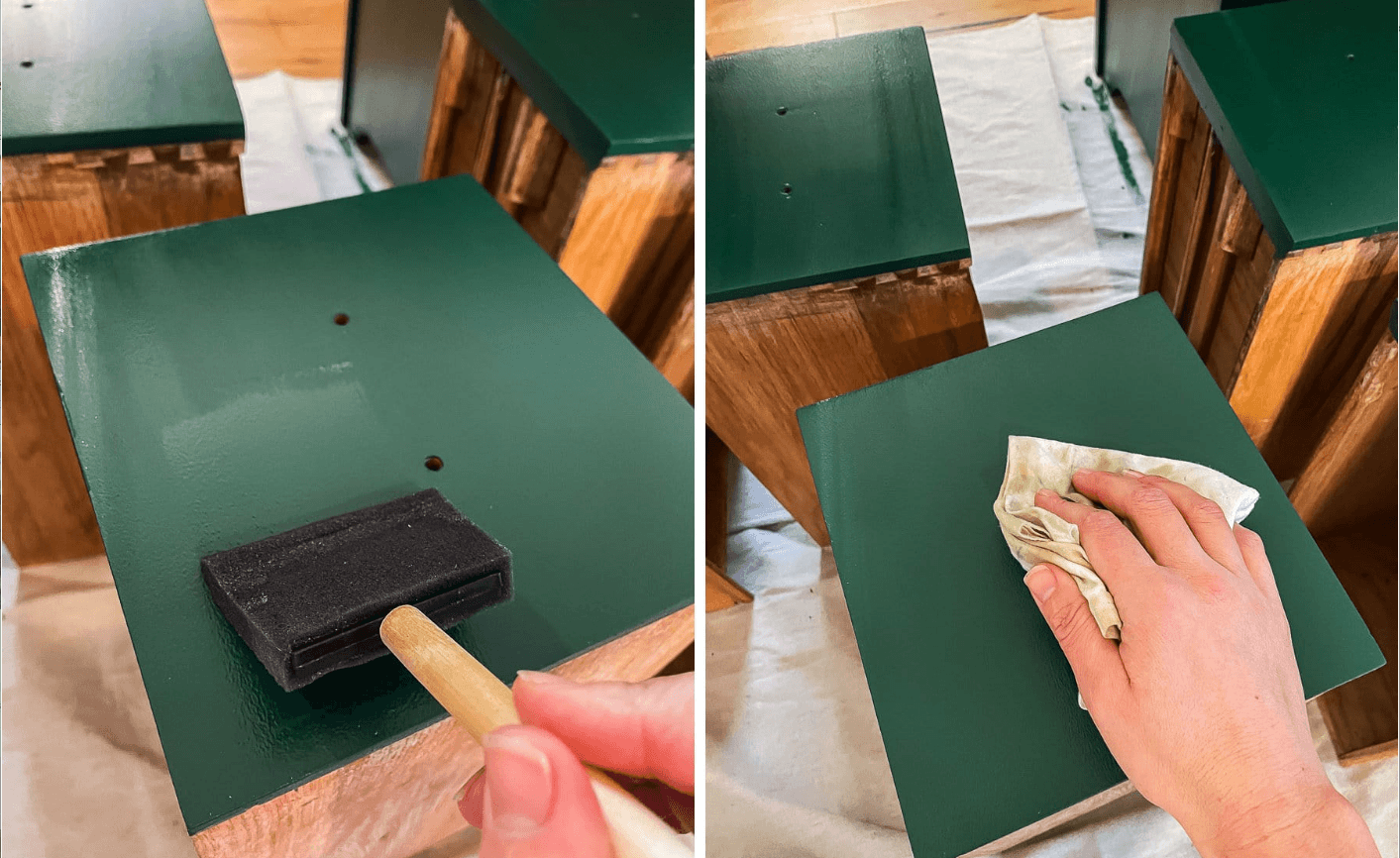
Getting a professional-looking finish is more about prep and technique than the brand you pick.
Step 1: Clean and Prepare the Surface
Paint will not stick to dirty furniture. Grease, wax, and furniture polish all block adhesion. Clean the whole thing with a degreaser like TSP substitute or a 50-50 vinegar and water mix. Wipe down with a damp cloth and let it dry. Lightly sand with 220-grit sandpaper to create tooth. Sand with the grain, not against it. Wipe away all dust with a tack cloth. Fill cracks or holes with wood filler and sand smooth. This step takes the longest but it is the one that decides whether your paint stays on or peels off.
Step 2: Prime When Necessary
Primer is required on bare wood, laminate, veneer, and glossy old paint jobs. Primer creates a uniform surface that paint can bond to. It also blocks stains and stops wood tannins from bleeding through. Shellac-based primers like Zinsser BIN handle the toughest stains including water rings and marker. Water-based primers dry faster but do not block stains as well. Apply one even coat, let it dry per the instructions, and sand lightly before painting. Skip this step on unfinished wood if you are using a paint that already includes primer, like Fusion Mineral Paint.
Step 3: Apply Paint in Thin Coats
Thin coats give you the best finish. Thick coats drip, sag, and take forever to dry. Use a good brush like Purdy or Wooster with synthetic bristles for water-based paints. Load the brush lightly and spread evenly. Brush in one direction. Do not go back over partially dry paint. Let each coat dry, sand lightly, then apply the next. Most furniture needs two to three coats. I painted a dresser with Benjamin Moore Advance and needed three thin coats. Zero visible brush marks. Spray application gives an even smoother finish but needs more setup and ventilation.
Step 4: Seal with a Topcoat
A topcoat protects the paint from scratches, moisture, and daily wear. Polyurethane is the most durable option. Water-based polyurethane dries clear and does not yellow over time. Oil-based polyurethane adds a warm amber tone and a harder finish. Wax creates a soft, low-sheen finish and is the traditional topcoat for chalk paint. Apply wax with a cloth in circular motions and buff to a shine. Polyacrylic sits in the middle. Good durability without the strong smell. For kitchen cabinets and dining tables, use polyurethane. For decorative pieces, wax is enough.
6. How Does HomeBridge Help You Import Furniture and Building Materials from China?

Maybe you do not want to paint furniture at all. Maybe you want pieces that arrive finished and ready to use. HomeBridge connects you directly with Chinese manufacturers who produce furniture and building materials at factory prices. No middleman markup.
- Direct factory pricing on sofas, bedroom sets, dining furniture, and building materials
- Quality control inspections before your order ships
- Custom sizes, finishes, and materials for commercial and bulk orders
- Freight and logistics support from China to your door
- No minimum order quantities for most product categories
We handle the sourcing so you get the best price with factory-grade finishes. Contact us to talk about your next project.
7. Frequently Asked Questions
1) What is the most durable paint for furniture?
Alkyd enamel paint. Benjamin Moore Advance dries to a hard finish that resists chipping, scratching, and household chemicals. Adding oil-based polyurethane as a topcoat makes it even tougher for high-use pieces like dining tables and kitchen cabinets.
2) Can I paint furniture without sanding?
Yes, with the right paint. Chalk paint from Annie Sloan and all-in-one paints like Fusion Mineral Paint bond without sanding. But you still need to clean the surface well to remove grease and wax. For laminate and glossy finishes, use a high-adhesion primer even if the paint claims to be no-sand.
3) Is chalk paint good for furniture?
It is good for furniture that does not see heavy daily use. Side tables, bookshelves, decorative pieces, anything you want a matte vintage look. For kitchen tables, cabinets, and children furniture, chalk paint needs a durable topcoat like polyurethane or multiple coats of wax.
4) What paint finish is best for furniture?
Satin and semi-gloss. Satin has a soft sheen that hides imperfections and cleans up easy. Semi-gloss is more durable and works well on high-use surfaces like cabinets and tabletops. Flat and matte finishes mark too easily. High-gloss shows every imperfection.
5) How long does furniture paint last?
Three to five years with proper prep and application. Alkyd and oil-based paints last longer, often five to seven years. Chalk paint with wax needs wax reapplication every one to two years. Most paints need 7 to 14 days to fully cure before they reach maximum hardness.
6) Can I use wall paint on furniture?
No. Wall paint is too soft. It does not bond well to wood, laminate, or metal. Standard latex wall paint chips and scratches on horizontal surfaces and rubs off on vertical ones. Use paint made for furniture or cabinets. It has harder binders and better adhesion.
7) What is the best paint for kitchen cabinets?
Alkyd enamel. Benjamin Moore Advance and Sherwin-Williams Emerald Urethane Trim Enamel both handle the heat, moisture, and frequent cleaning that kitchen cabinets go through. They self-level for a smooth finish and cure to a hard surface that resists grease and fingerprints.
8. Conclusion
Honestly, picking the best furniture paint is not complicated once you know what you are working with. Chalk paint is the easiest entry point. Alkyd paints give you the most durable finish. Brands like Benjamin Moore Advance and Fusion Mineral Paint have proven themselves with real results. Prep matters. Primer matters. Thin coats matter. Skip any of those and you will be repainting in six months.
If you want furniture that shows up already finished, HomeBridge connects you with Chinese manufacturers who deliver factory-finished pieces at wholesale prices. Pick your style, pick your finish, and have it shipped to your door. No paint required.
.svg)







.svg)
.svg)


