



Ever feel like your home is stuck in the past? Does your old sofa look tired and your tables feel boring? You’re not alone! Furniture is changing fast, and keeping up is hard. So, what is modern furniture design in 2026? It’s not just about looks. It’s about smart, comfy living for today’s world. Get ready for a fresh start!
This guide is your simple answer. We’ll explain everything, so you can shop with confidence. First, we’ll explore What is Modern Furniture Design in 2026? Then, we’ll check out the cool Types of Materials Used in Modern Furniture Design. Next, we’ll tour the exciting Modern Furniture Styles: Key Types and Their Defining Features. Finally, we’ll clear up What is the difference between Modern Furniture and Contemporary Furniture? Let’s dive in and transform your space!
1. What is Modern Furniture Design in 2026?
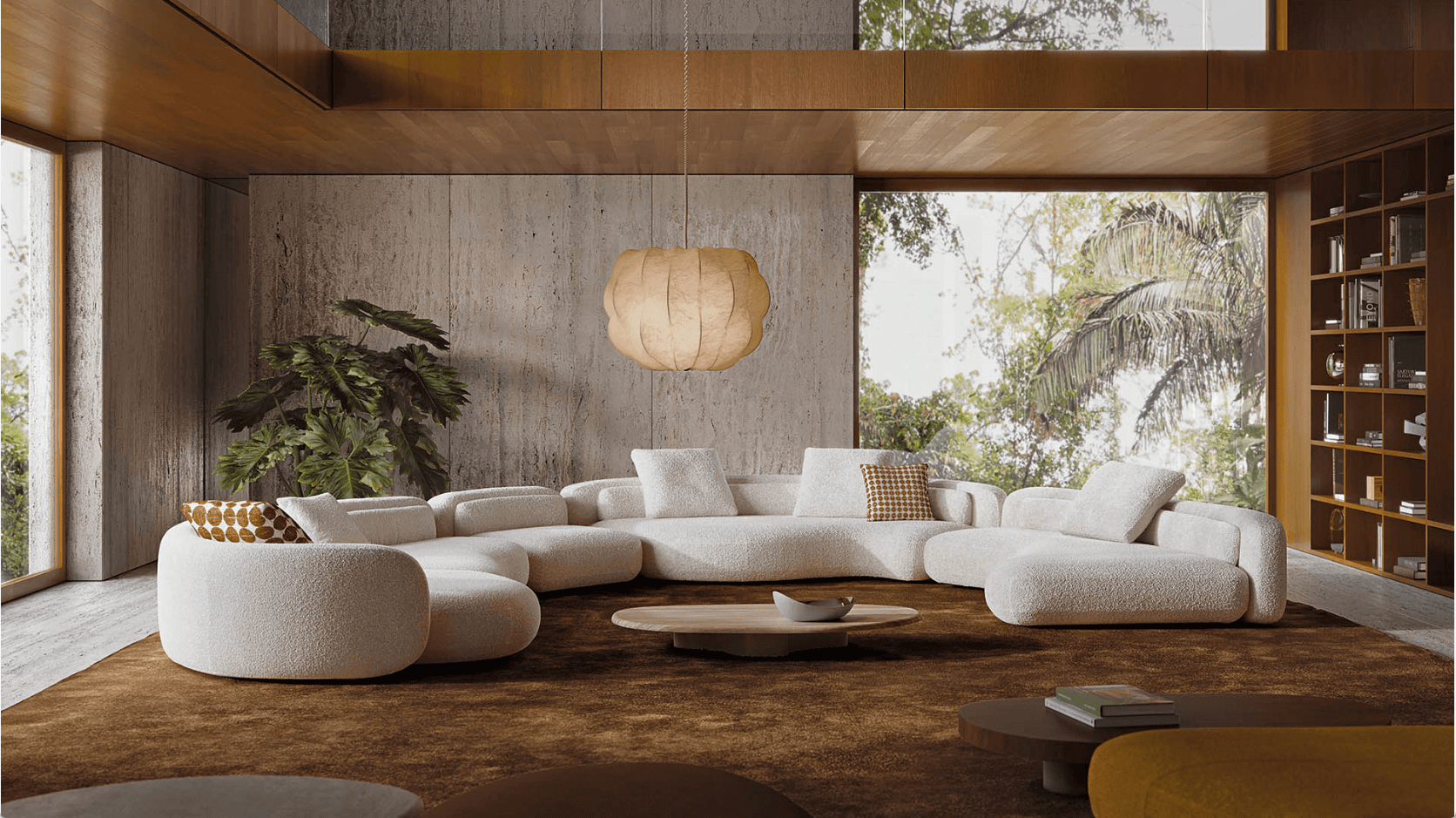
Modern furniture design in 2026 is about simple, clean shapes that feel easy to live with, but now it also must be eco‑friendly, nature‑inspired, and smart. Designers focus on pieces made from sustainable materials like reclaimed wood, bamboo, and recycled fabrics, so the furniture looks good and is better for the planet at the same time. Curved sofas, soft edges, and cozy, comfort‑first seating are common, but they are built to last instead of being “fast furniture.”
Another key part of 2026 design is biophilic integration—bringing nature into the home through real plants, natural textures, and furniture that looks organic, like rattan, wicker, and raw wood. Smart functionality is also important: people want multi‑use, tech‑friendly pieces, such as modular sofas, ottomans with storage, and furniture that works well with smart lighting or power access, all designed to support comfort and daily life in a simple, seamless way.
2. Types of Materials Used in Modern Furniture Design
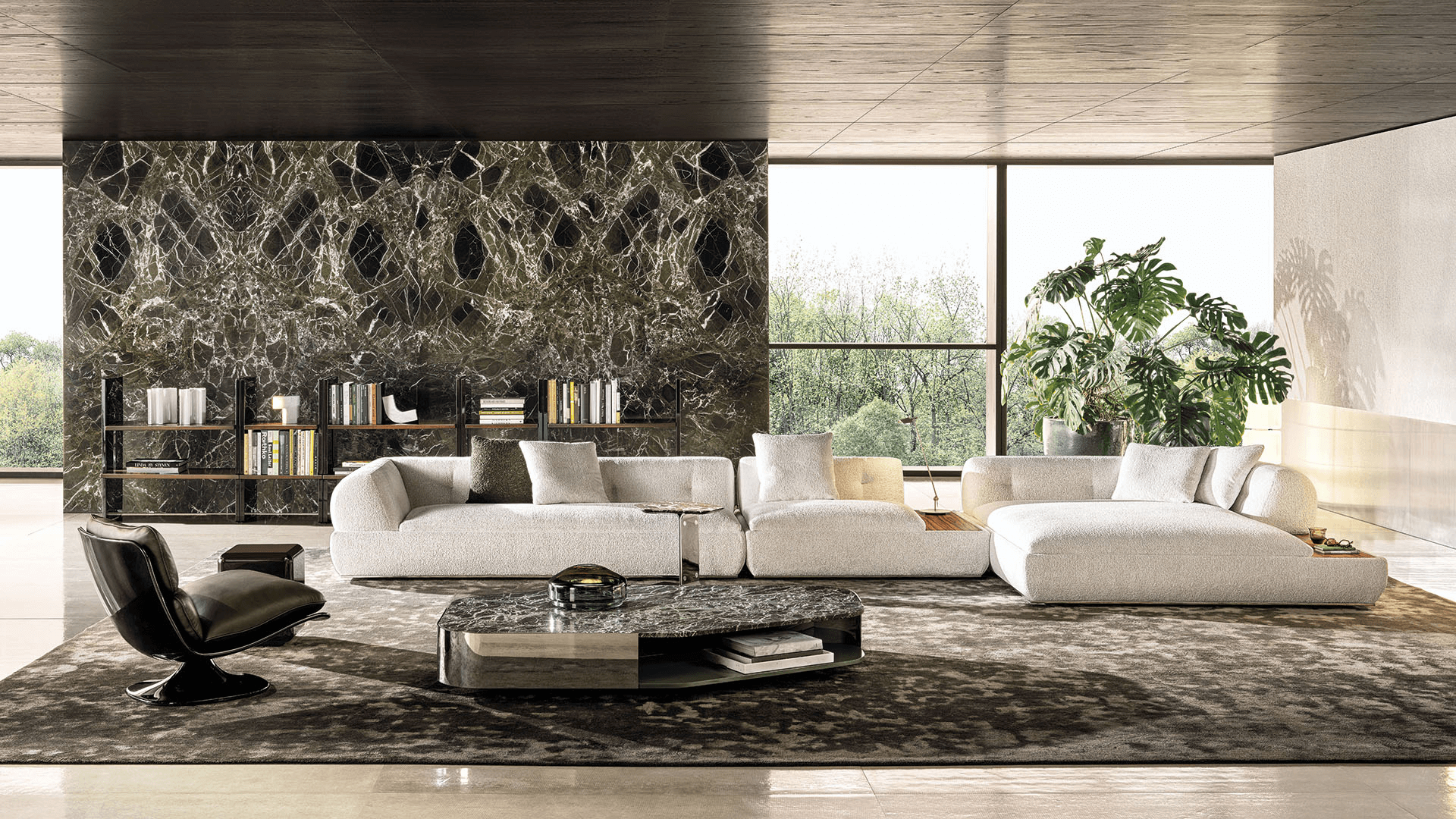
Modern furniture in 2026 uses a mix of natural, recycled, and high-tech materials that are made to last and be kind to the planet. Many brands focus on wood from well-managed forests, reclaimed wood, bamboo, and low-emission finishes to cut waste and carbon impact. Metals, glass, plastics, and fabrics are often recycled or certified as eco-friendly, so pieces look stylish but also support a more sustainable way of living.
Wood
Designers favor sustainably sourced wood with visible, natural grain, such as FSC-certified oak, walnut, and other hardwoods that store carbon for many years. Warm, dark tones and matte finishes are popular again, along with reclaimed wood that shows knots, texture, and “live” imperfections, giving furniture a cozy and timeless look.
Metal
Modern furniture often includes mixed metals that add strength and a sleek, industrial feel. Brushed brass, blackened steel, and aluminum are common for legs, frames, and handles, giving clean lines and durable support without feeling too cold or heavy. These metals are often paired with wood or glass to balance warmth and modern style.
Glass
Designers in 2026 use textured and tinted glass to make furniture feel light but interesting. Fluted, ribbed, or frosted glass shows depth and pattern while still letting light pass through, which helps small rooms feel more open. Soft gray, bronze, or smoky tints are common on tables, cabinet doors, and shelves, adding a modern, airy look.
Plastic & Acrylic
High-quality recycled plastics and clear acrylics are used to create light, strong, and often stackable pieces like chairs, side tables, and storage. Clear or colored acrylic gives a clean, almost floating look, while recycled plastic helps cut waste and turns what used to be trash into bold, futuristic designs.
Leather & Fabric
Soft, touchable textiles are a big focus, with bouclé, velvet, and rich woven fabrics making sofas and chairs feel cozy and welcoming. At the same time, many people choose vegan leather and other eco-fabrics made from plant-based or recycled materials, getting the look of premium leather without using animal hides and with a lower environmental impact.
3. Modern Furniture Styles: Key Types and Their Defining Features
Modern furniture styles in 2026 focus on simple shapes, comfort, and smart use of space, but each style has its own clear look and feeling. Designers mix clean lines with soft curves, natural materials like wood and fabric, and practical features such as hidden storage. Colors stay mostly neutral and calm, while small details in texture, shape, or metal accents add personality. Together, these styles help create homes that feel fresh, useful, and easy to live in.
Minimalist
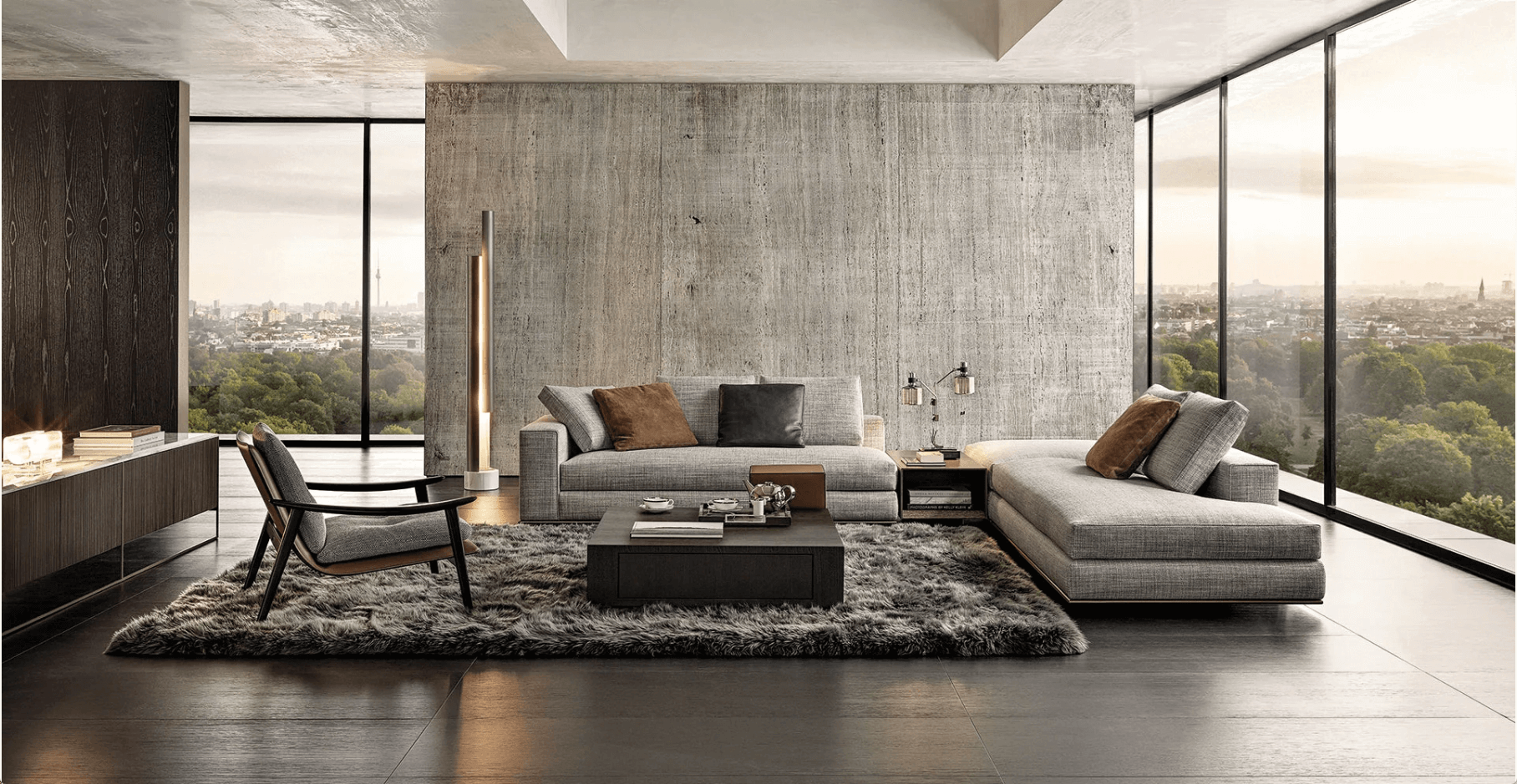
Minimalist furniture follows the “less is more” idea. Pieces have clean lines, flat surfaces, and simple shapes, with no extra decoration. Colors are usually white, beige, gray, and soft earth tones, which make rooms feel open and calm. Clutter is reduced by using hidden storage and keeping only what is needed, so floors and tabletops stay clear. In 2026, minimalist rooms are not cold or empty; they add soft curves, cozy fabrics, and warm lighting to keep the space simple but still comfortable and welcoming.
Scandinavian
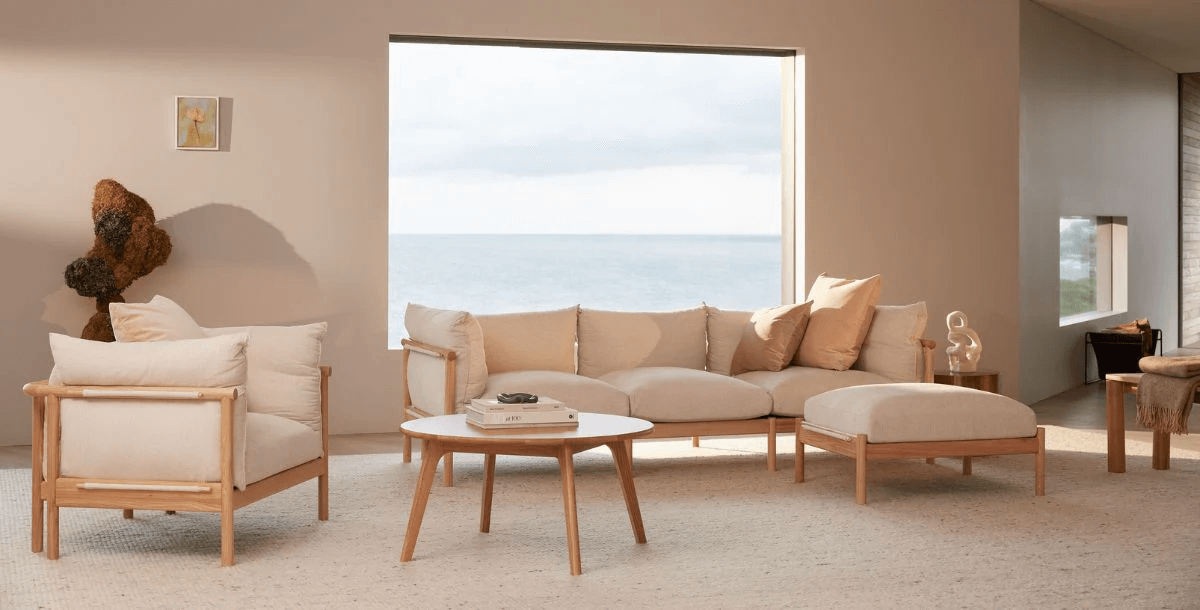
Scandinavian style comes from Nordic countries and mixes function with comfort. Furniture is practical, light, and easy to use, with straight or gently rounded lines. Designers use light woods like oak or ash, plus white and light neutral colors to keep rooms bright, even in small spaces. This style often includes the feeling of hygge—a sense of warmth and coziness—through soft rugs, cushions, and blankets. The look is calm and airy but also friendly, with a focus on natural materials and simple, everyday comfort.
Mid-Century Modern
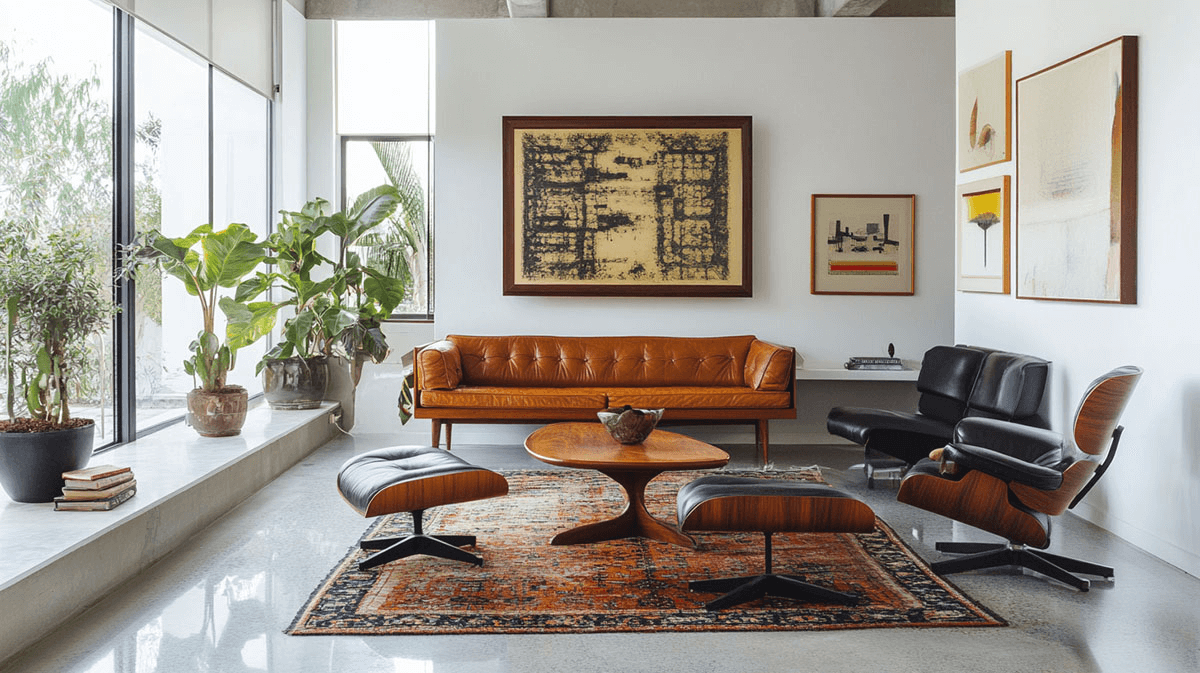
Mid-century modern style is inspired by furniture from the 1950s and 1960s, and it is still very popular today. Pieces often have organic curves, slim shapes, and tapered legs that lift furniture off the floor and make rooms feel lighter. The design is about functional simplicity, so items are easy to use and not overly decorated. Wood, often in warm tones, is common, sometimes mixed with simple fabrics or smooth surfaces. This style feels both retro and modern, so it fits well in many types of homes and works nicely with other modern pieces.
Contemporary Luxury
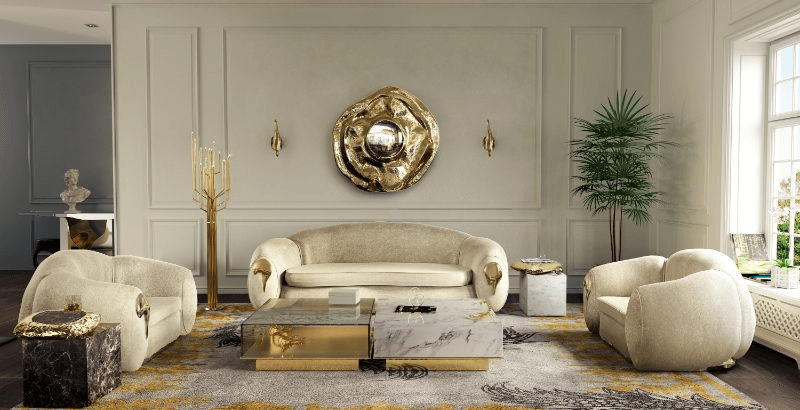
Contemporary luxury blends modern shapes with rich materials and fine details. Furniture often has sleek, simple silhouettes, but the materials make it feel high-end—such as marble, dark or high-quality wood, brushed metal, glass, and plush fabrics like velvet or soft leather. Colors stay mostly neutral, with deeper tones or metallic accents for contrast. Craftsmanship matters: seams, stitching, and joints are done with care, and pieces may feel custom-made rather than mass-produced. The result is a style that looks sophisticated and polished, but still supports comfort and everyday living.
Modern furniture and contemporary furniture are not the same thing. Modern is a fixed style from a past time. Contemporary is the style of “right now” and keeps changing.
3. What is the difference between Modern Furniture and Contemporary Furniture?
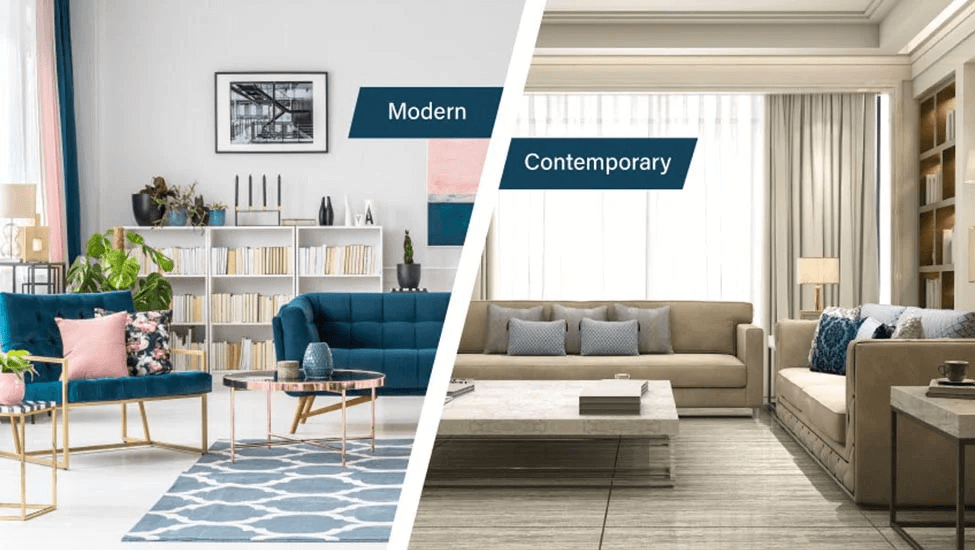
Modern furniture comes from the early–mid 1900s modernist movement. It has simple shapes, clean straight lines, and “form follows function” (it is made to work well first, look good second). Contemporary furniture does not belong to one time or one strict look. It mixes many styles and follows current tastes and trends, so it slowly changes over the years.
Modern pieces usually use natural materials like wood, leather, and stone, plus some metal and glass. Contemporary pieces also use metal and glass, but add more new and eco-friendly materials, like bamboo or recycled plastics, and can look more fluid and artistic.
Modern rooms often feel calm, warm, and minimal with balanced, simple forms. Contemporary rooms can be minimal or more bold, often mixing different looks and time periods to match today’s fashion and personal taste.
4. How does HomeBridge help you import Furniture and Building Materials from China?
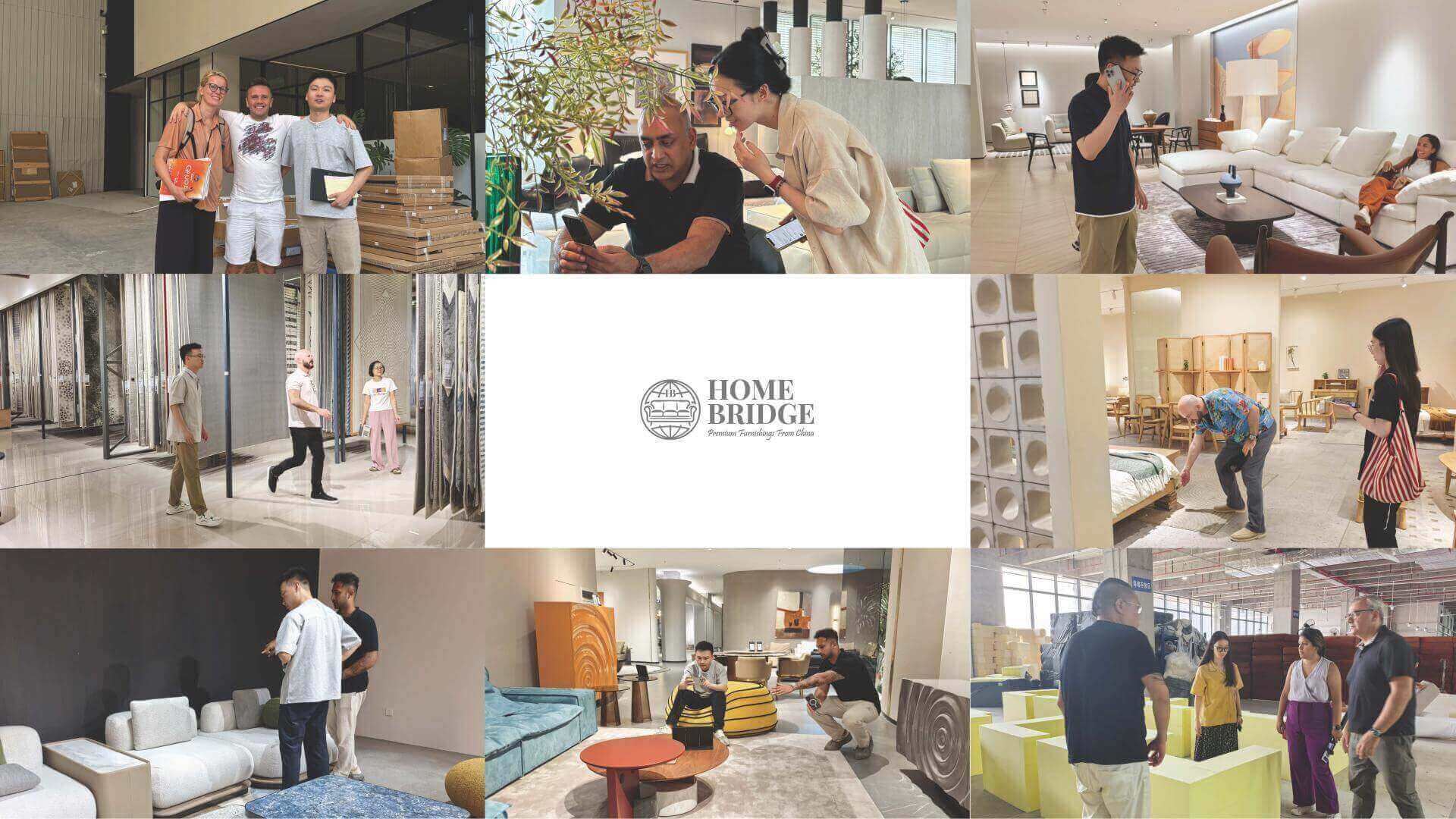
Navigating the international supply chain for furniture and building materials can be complex, but our structured process ensures a seamless flow from factory floor to your doorstep. HomeBridge Furniture manage the entire journey, turning logistical challenges into a straightforward, reliable pipeline for your business.
Here is a clear breakdown of our traffic flow:
- Sourcing & Procurement: We collaborate with top manufacturers across China’s key industrial hubs. With over 95 partner factories in Foshan, Guangzhou, Shenzhen, Huizhou, and Dongguan, we secure access to premium furniture, building materials, and decorations at true wholesale prices.
- Pre-Shipment Services: Before bulk orders, we mitigate risk and ensure precision. We offer free sample shipping for quality verification and free drawing services to confirm specifications and custom designs, aligning every detail with your requirements.
- Logistics & Shipping: We handle all transportation complexities. We offer one-stop services, leveraging our long-term partnerships with trusted freight forwarders to arrange cost-effective and reliable ocean or air freight directly to your port.
- Delivery & Final Mile: Our service concludes at your location. We manage customs clearance and employ effective tax-saving strategies to optimize your landed costs, ensuring delivery directly to your doorstep for a truly turnkey solution.
5. Frequently Asked Questions
1) Is Mid-Century Modern still in style for 2026?
Yes, Mid-Century Modern is still very popular. It is not a short-lived trend but a classic style. In 2026, people love it for its clean lines and timeless look. Today, it is often mixed with other styles or updated with new colors and materials. This keeps it feeling fresh and relevant for modern homes.
2) What are the trending colors for modern furniture this year?
This year, colors for modern furniture focus on creating calm and cozy feelings. Earthy, natural tones are very popular, along with soft, warm neutrals.
- Warm Earth Tones: Think colors like terracotta (a rusty red), olive green, and warm brown. These colors make a room feel grounded and welcoming.
- Soft Neutrals: Cream, beige, and warm white are replacing cooler grays. They make spaces feel soft and peaceful.
- Earthy + Bold Pairs: People are pairing these earthy colors with small doses of bold color. For example, a deep navy blue or a rich burgundy red as an accent.
3) How can I mix modern furniture with antiques?
Mixing old and new furniture creates a unique and personal space. The key is to find balance so the room feels collected, not messy.
- Start with a Neutral Base. Use neutral colors on your walls and large rugs. This creates a calm background that lets both modern and antique pieces shine.
- Match the Mood. Don't just match colors; match feelings. A sleek modern sofa can look great with a rustic wooden antique table if they both have a simple, clean shape.
- Use Color to Connect. Let one color repeat in both pieces. For example, choose throw pillows for a modern sofa that match the wood tone of an antique chair.
- Balance the "Weight". Spread your antique and modern pieces around the room. Don't put all the old items in one corner. Mixing them throughout looks more intentional.
- Let One Piece Shine. In each area, choose one item to be the star. It could be a large antique dresser or a bold modern lamp. Let other pieces be simpler to support it.
4) What is "Biophilic Design" in furniture?
Biophilic Design means bringing nature into your home through furniture and decor. It's about using natural shapes, materials, and colors to help you feel more relaxed and connected to the outdoors. Furniture in this style might have organic, curvy shapes like a leaf, be made from real wood or stone, or use fabrics with patterns found in nature.
5) Is "Fast Furniture" considered modern design?
Fast furniture is often styled to look modern because it copies popular, simple designs. However, it is usually not true to the ideas of classic modern design. Traditional modern design values high quality, good craftsmanship, and lasting style. Fast furniture is made cheaply and quickly to sell at low prices, and it often does not last very long. So, while it may look modern, it is generally not built with the same care or meant to last a lifetime.
6) What defines "Japandi" style furniture?
Japandi is a popular style that mixes Japanese and Scandinavian design. Both styles love simplicity, natural light, and functional furniture. Together, they create a look that is calm, tidy, and warm. The goal is a peaceful home that feels both stylish and comfortable.
Japandi furniture has clear features. It uses a neutral color palette of blacks, whites, grays, and soft beiges, with wood tones for warmth. Every piece is functional and avoids unnecessary decoration. The shapes are simple and often low to the ground. Natural materials are key, like light wood (such as oak or ash), linen, cotton, and paper. The overall feeling is one of quiet, organized, and natural beauty.
6. Conclusion
So, you see, the question "what is modern furniture design" in 2026 is now clear! We have shown you the smart new materials, the cool styles, and how it's different from "contemporary" furniture. Your big questions are answered. The confusion is gone. You now know exactly what to look for to make your home fresh and exciting.
Ready to get this amazing furniture? Don't just dream about it. Let HomeBridge Furniture make it real for you. We get you the best prices straight from top factories. We handle everything and ship it right to your door. Start your project today—contact us for a free drawing and sample! Your perfect modern space is waiting.
.svg)






.svg)
.svg)


