


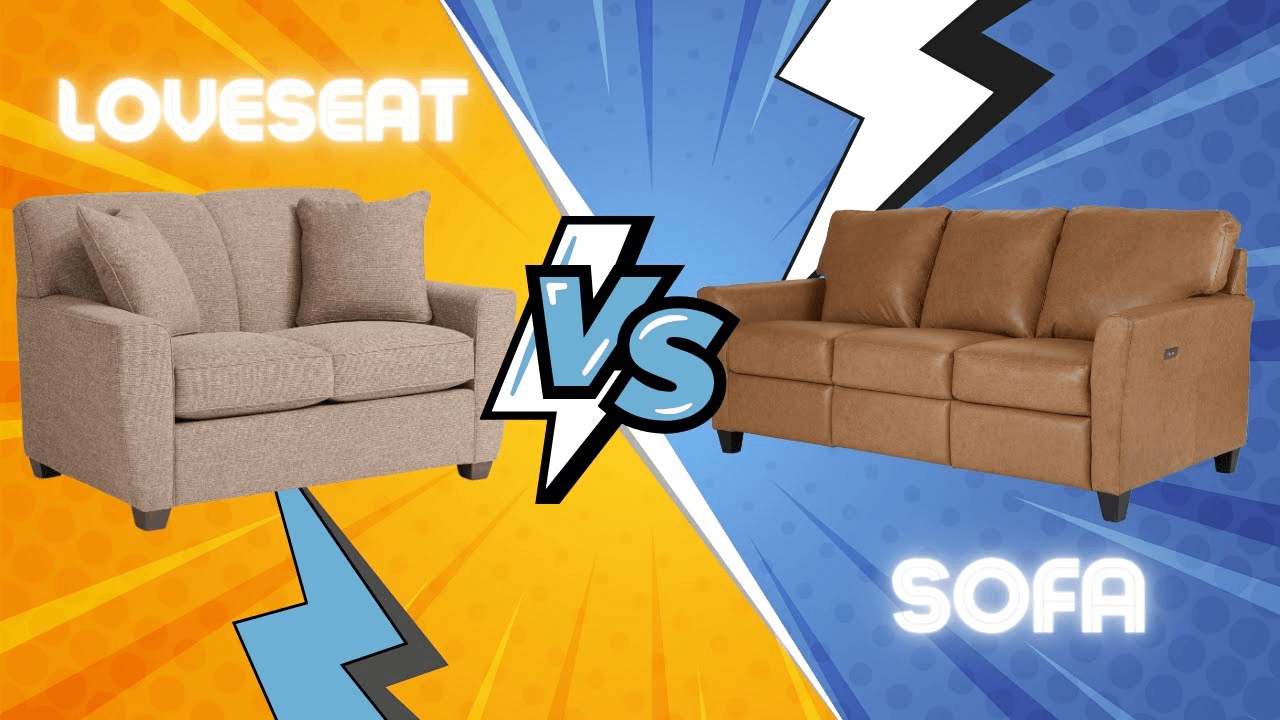

Stuck between a sofa and a loveseat? You walk into a furniture store and these two sit next to each other, almost the same thing, just different sizes. Pick the wrong one and your room feels tight or half-empty. It is a common mistake because nobody tells you what actually matters.
This guide clears up the real difference between a sofa and a loveseat. You will learn the honest breakdown on Size and Dimensions, Seating Capacity and Best Use, and Price Comparison. By the end you will know which one belongs in your space — not which one the salesperson wants you to buy.
1. What Is the Difference Between a Sofa and a Loveseat?
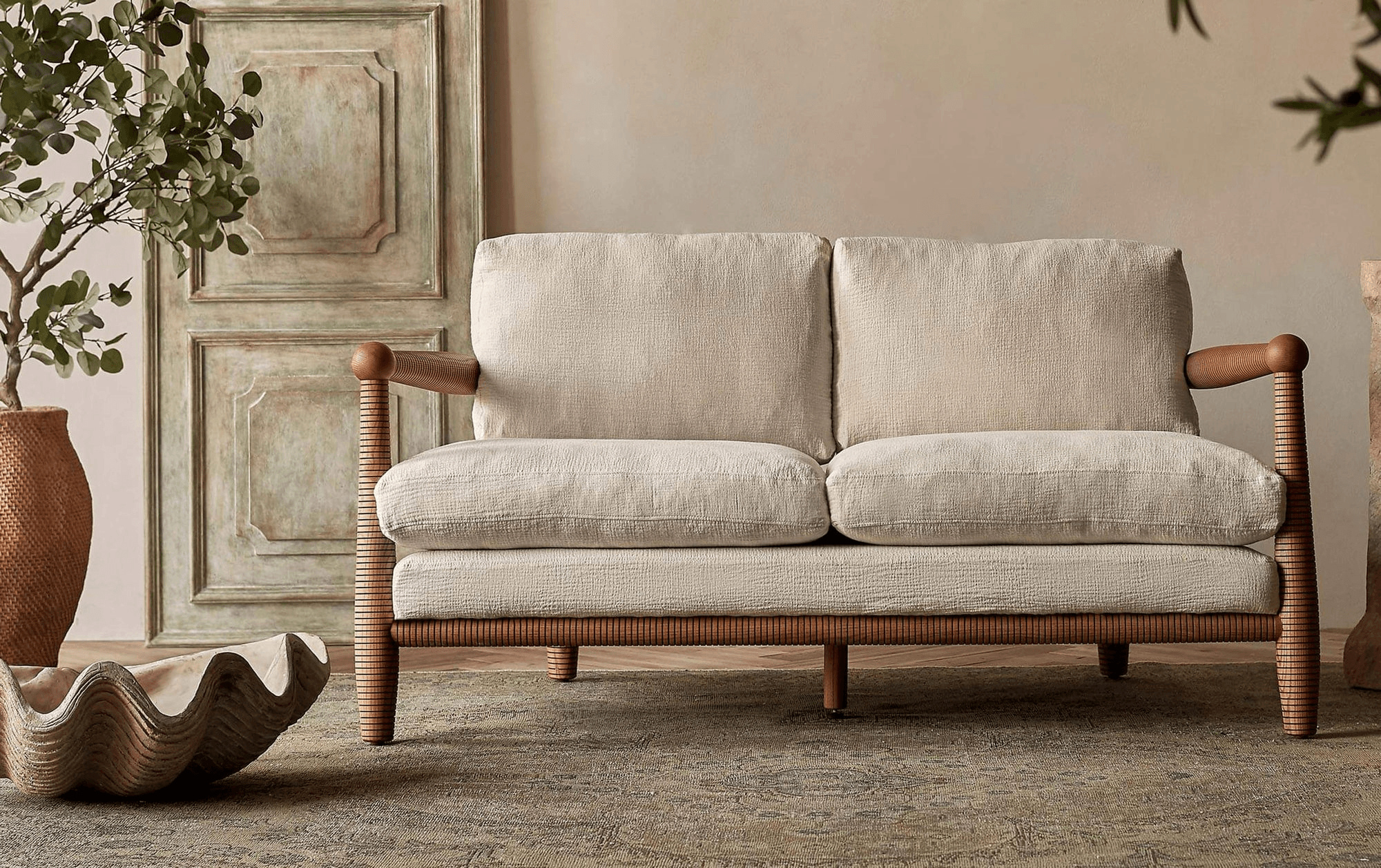
The short answer: size. A sofa seats three or more people. It runs 72 to 96 inches across. A loveseat seats two and runs 48 to 72 inches. Everything else — price, styles, where you put it — flows from that one fact. But a loveseat is not just a shorter sofa. It has its own backstory as a two-person seat built for close talk, not just saving floor space.
2. Size and Dimensions
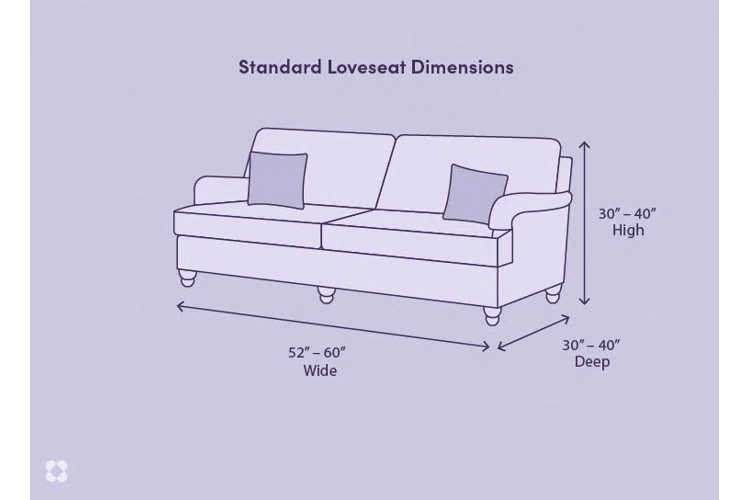
A sofa eats about 72 to 96 inches of wall and 36 to 40 inches of depth. That is roughly 18 to 25 square feet of floor gone. You want a room at least 10 by 12 feet to fit one with space to walk around it. A loveseat runs 48 to 72 inches wide, same depth, so about 12 to 18 square feet. It works in rooms as small as 8 by 10. The depth stays the same on both because people sit the same way — you bend your knees at roughly the same spot. Only the width moves.
3. Seating Capacity and Best Use
A sofa holds three adults without anyone touching. Four if people squeeze. Some oversized ones hold more. Sofas belong in living rooms, family rooms, and open-plan spaces where people gather every day. They anchor the room. Coffee table, rug, side chairs — everything orbits the sofa.
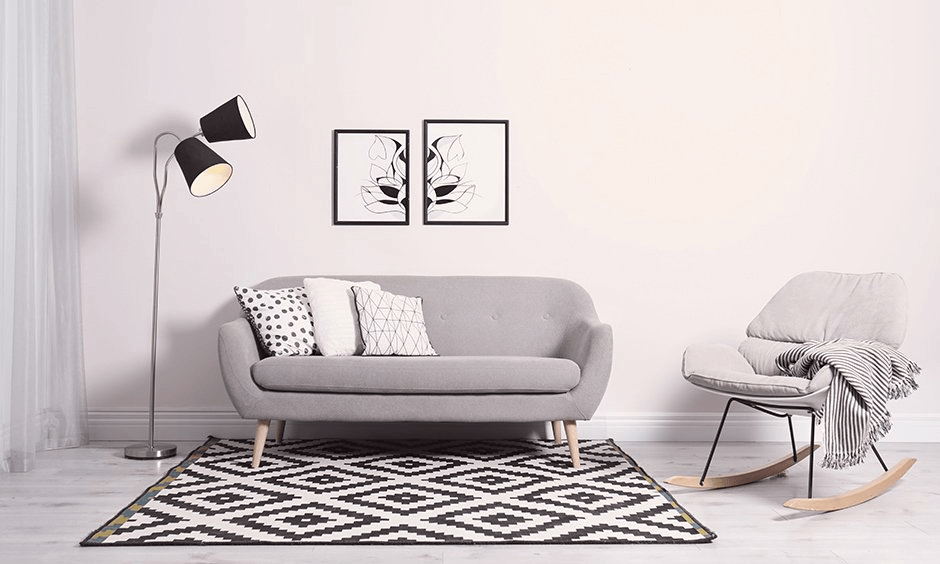
A loveseat holds two. That is it. Trying for three means someone perches on the arm or wedges in sideways. Loveseats fit in small apartments, bedrooms, home offices, and entryways. They also pair nicely with a full sofa in a bigger living room to make two seating zones — one for sprawl, one for talk. Two loveseats facing each other with a table between them is a classic setup for rooms that cannot handle a full sofa.
4. Styles and Designs
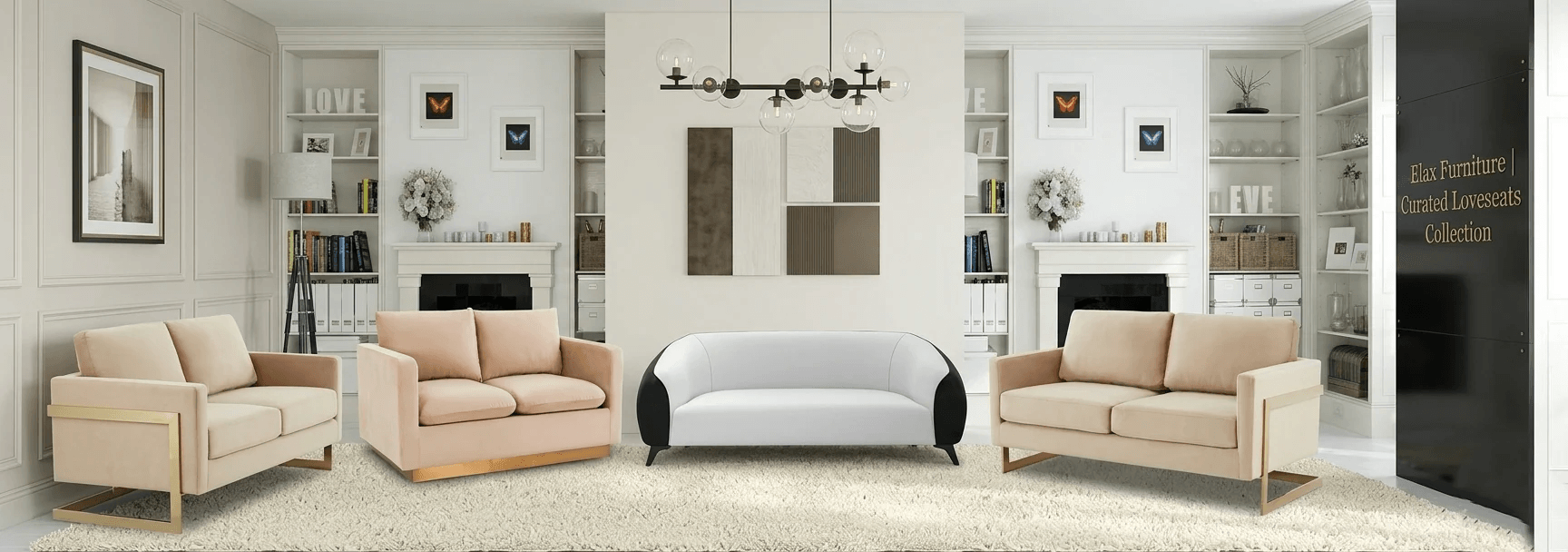
Sofas and loveseats show up in almost every furniture style. Here is what works for each:
- Sectionals — sofa territory. The L-shape or U-shape footprint needs the length
- Chesterfield — both work. Rolled arms and tufted backs look right at either size
- Mid-century modern — both sizes common. Tapered legs, clean lines, looks light in either format
- Sleeper sofas — sofa sleepers give you full or queen beds. Loveseat sleepers usually max out at twin
- Lawson — straight back, boxy arms. Works fine as a sofa. Can feel bulky as a loveseat
- English roll arm — low arms and deep seats. Both sizes good for sinking in
- Tuxedo — high straight arms level with the back. Sleeker on a loveseat
5. Price Comparison
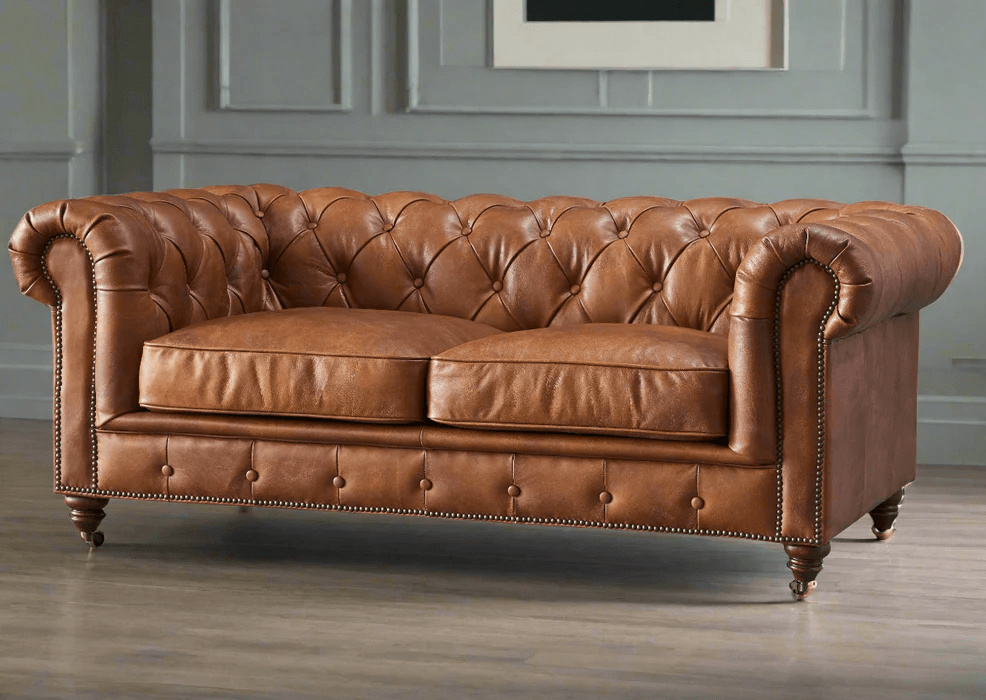
From the same brand and same line, sofas cost more than loveseats. A mid-range sofa lands between five hundred and three thousand dollars. The matching loveseat sits between three hundred and two thousand. The gap is the extra materials and labor for the longer frame and the bigger upholstery cuts.
Take a real example. A fabric Lawson sofa from a brand like Article or West Elm. The 84-inch sofa version runs about twelve hundred dollars. The matching 60-inch loveseat costs about eight hundred. Same fabric. Same color. Same style. That four hundred dollar gap is pure length. Go leather and the gap widens more because leather costs more per square foot than fabric ever does.
6. Which One Should You Pick?
Go sofa if your room hits at least 10 by 12 feet and you seat three or more people regularly. A sofa carries the room. It gives you space to stretch, host friends, and survive family movie night without anyone fighting over a spot.
Go loveseat if your room is under 10 by 10 feet, or if you live solo or with one other person and do not host much. A loveseat also earns its keep as a second piece in a bigger room. One sofa plus one loveseat creates two zones — lounge and talk — and the room feels more put together than a single giant sectional ever does.
7. Frequently Asked Questions
1) Can a loveseat fit three people?
Three can squeeze onto a loveseat if they sit close and nobody wants arm room. It will not be comfortable for more than a few minutes. Loveseats are built for two and that is the honest limit.
2) Is a loveseat just a small sofa?
Not quite. A loveseat is narrower but carries the same depth and seat height. The name comes from two people sitting close enough to talk without raising their voices. It is its own category with its own history, not just a sofa someone shortened.
3) Can you put a sofa and loveseat in the same room?
Yes. Designers pair them all the time. Sofa and loveseat at a right angle or facing each other makes two zones. The sofa handles lounging and TV. The loveseat handles reading and face-to-face talk.
4) What is the standard size of a sofa vs a loveseat?
A standard sofa runs 72 to 96 inches wide. A standard loveseat runs 48 to 72 inches wide. Both share the same 36 to 40 inch depth and seat height because people sit the same way on either one. Width is the only number that changes.
5) Which is better for a small apartment?
A loveseat wins for apartments under 500 square feet. It leaves room for a coffee table, a small eating setup, and a clear walking path. A full sofa in a studio takes over the room and makes everything else feel jammed in as an afterthought.
6) Do sectionals count as sofas or loveseats?
Sectionals count as sofas. Most hold four to eight people depending on the layout. Some have a chaise end that seats two like a loveseat would, but the piece as a whole is still a sofa.
7) Can a loveseat replace a sofa?
It can if you live alone or with one person and rarely host. For daily sitting, reading, and TV, a loveseat handles two people without complaint. But if you do holidays, have kids, or like to stretch out for naps, a loveseat will not cut it. It lacks the width to double as a sleeping surface or group seating. For most families it works as the extra seat — not the main one.
8. Conclusion
Three things settle the sofa versus loveseat question. Room size. How many people sit down every day. How you actually use the space. A sofa handles three or more and anchors a living room. A loveseat fits two, saves floor space, and works alone in a small room or as backup to a full sofa.
Measure your room before you spend a dollar. Tape out the footprint on the floor and walk around it. If the sofa leaves you squeezed, take the loveseat. If one loveseat feels too small, try a sofa and loveseat paired at an angle. The right pick fits your real life — not the showroom floor.
.svg)







.svg)
.svg)


