



Sometimes you may notice small changes in your outdoor furniture.
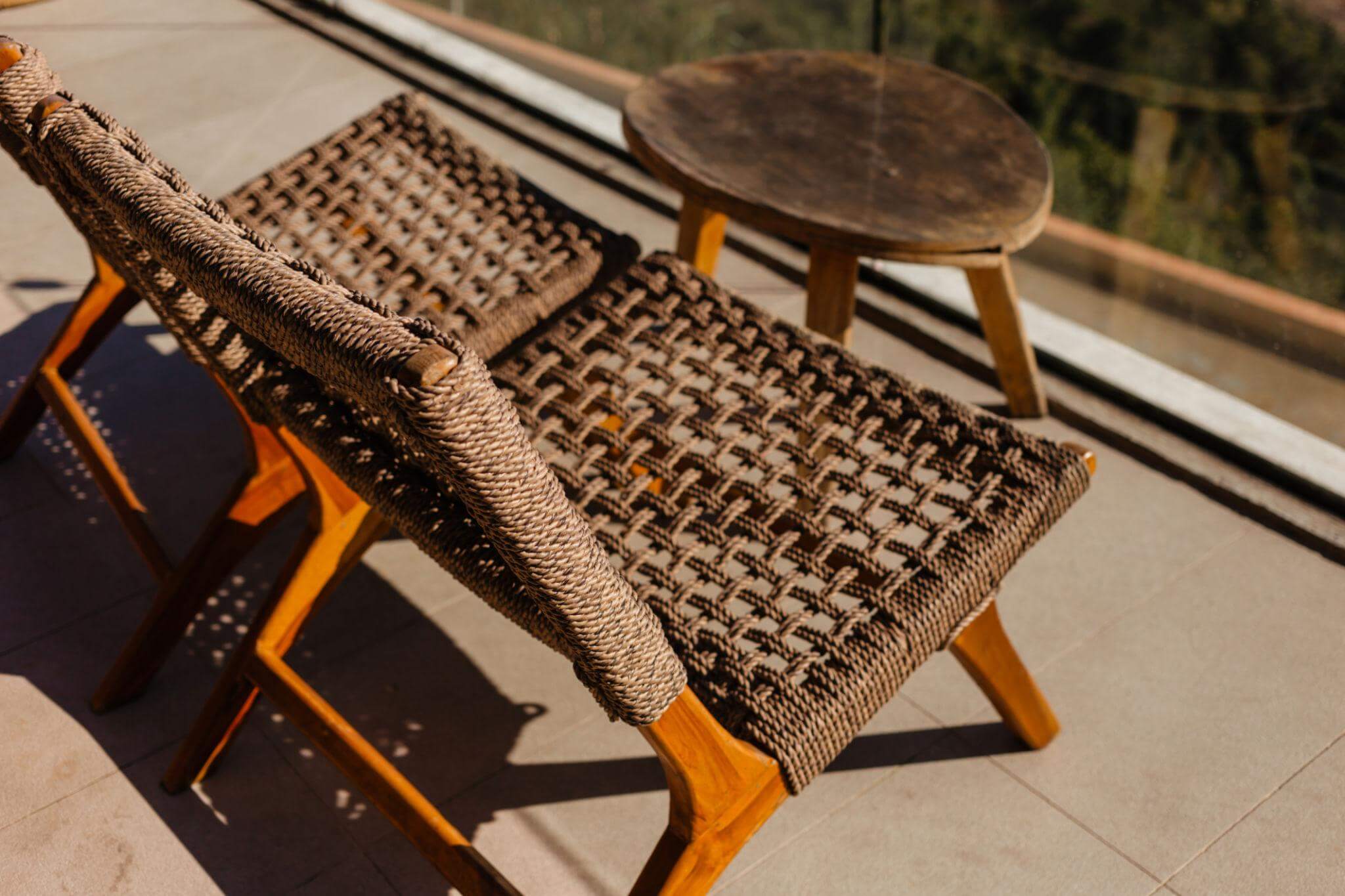
The table and chairs on the balcony may look a little faded. The wicker surface may feel drier than before. The wooden frame may have a few fine lines that were not there when you first bought it.
It may no longer look as new as it once did.
But this does not always mean the furniture is poor quality.
Outdoor furniture faces more weather exposure than indoor furniture. Sunlight, rain, wind, dust, and pollen are all part of its daily environment.
These changes are often a reminder that outdoor furniture also needs regular care.
1. Why Does Patio Furniture Need Regular Cleaning?
People usually place outdoor furniture on balconies, patios, terraces, decks, or in gardens. It may look like it just sits there, but outdoor conditions expose it every day.
The most common effects usually come from the following:
1.Sun exposure
Long hours of sunlight can dry out wood, age plastic, fade fabric, and make dark-colored furniture lose some of its original surface sheen.
2.Rain and moisture
Rain, humidity, and moisture in the air can cause metal parts to oxidize. They may also make wood expand, crack, or develop mold.
3.Dust, pollen, and windblown sand
Outdoor furniture often collects dust. Dirt can build up more easily in wicker gaps, cushion edges, table legs, and connection points.
4.Leaves, bird droppings, and food residue
If these stains are not cleaned in time, they may leave marks on fabric, wood, or coated surfaces.
This is why you should not wait until patio furniture looks filthy before cleaning it. Regular light cleaning is much easier than deep restoration later. It also helps the furniture stay in better condition for a longer time.
2. General Rules for Cleaning Patio Furniture
No matter what material makes up your outdoor furniture, you can start by following a few basic cleaning rules.
1. Remove Dust Before Washing
Do not start by spraying water directly onto the furniture.
When dust, pollen, and sand mix with water, they can turn into muddy stains. These stains may stick in gaps, corners, and joints.
Before washing, use a soft brush, dry cloth, or vacuum cleaner to remove loose dust from the surface.
2. Use Warm Water and Mild Cleaner First
For most patio furniture, a basic mix of warm water and a small amount of mild dish soap is enough.
Avoid strong acidic cleaners, strong alkaline cleaners, bleach, steel wool, and pressure washers. These can damage coatings, scratch surfaces, and make metal parts more likely to rust.
3. Let the Furniture Dry Fully After Cleaning
Metal furniture can rust if it stays wet. Wooden furniture may crack or grow mold if it remains damp for too long. If you store fabric cushions before they dry completely, they can develop musty smells and black spots.
After cleaning, wipe the furniture dry when possible and place it in a well-ventilated area.
3. How to Clean Different Types of Patio Furniture
Different materials need different cleaning methods. The care points are not exactly the same. Below are the most common types of outdoor furniture and how to clean them.
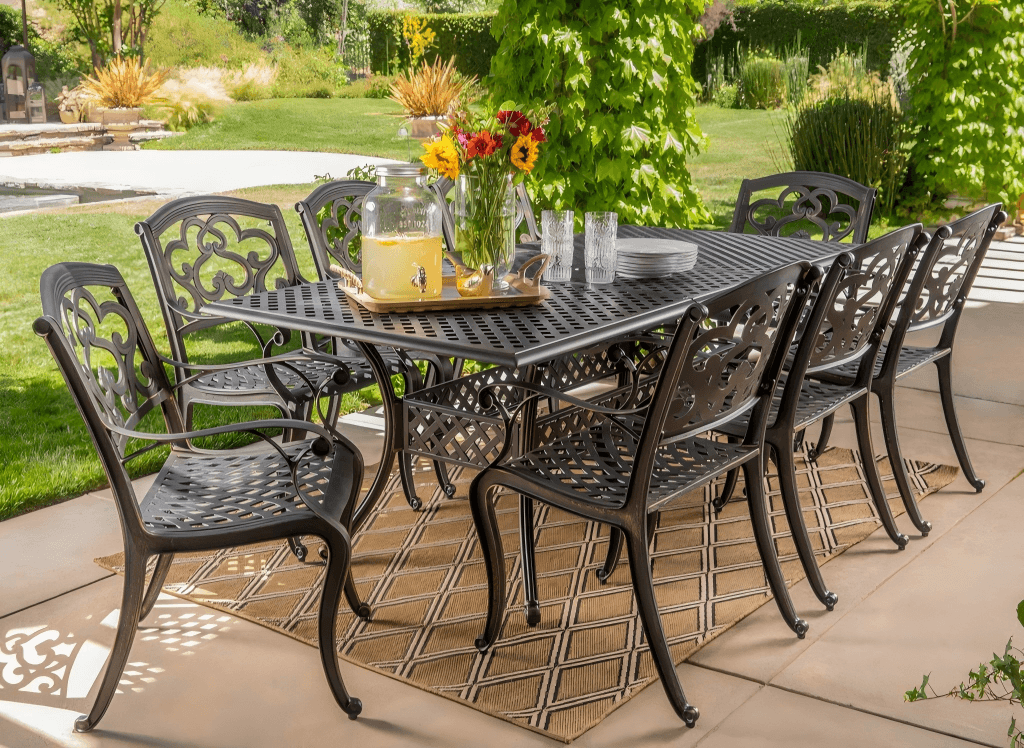
1. Aluminum Furniture
First, use a dry cloth or soft brush to remove dust. Then wipe the surface with warm water and a small amount of mild dish soap.
Pay more attention to armrests, table legs, screws, and welded areas.
Rinse off the soap with clean water, then wipe the furniture dry with a clean cloth.
What to avoid:
Do not scrub aluminum furniture with steel wool. If the surface has chips or missing paint, touch up the paint promptly. Otherwise, the exposed metal may start oxidizing.
2. Iron or Steel Furniture
Use a soft cloth with mild soapy water to clean the surface. After wiping it with clean water, make sure to dry it well.
Check screws, welded points, edges, and corners for rust.
If you find light rust, gently sand the rusted area with fine sandpaper. Then wipe it clean and dry before applying rust-resistant paint.
What to avoid:
Do not let iron or steel furniture sit in water for a long time. After cleaning, do not leave it to dry in a damp, shaded corner.
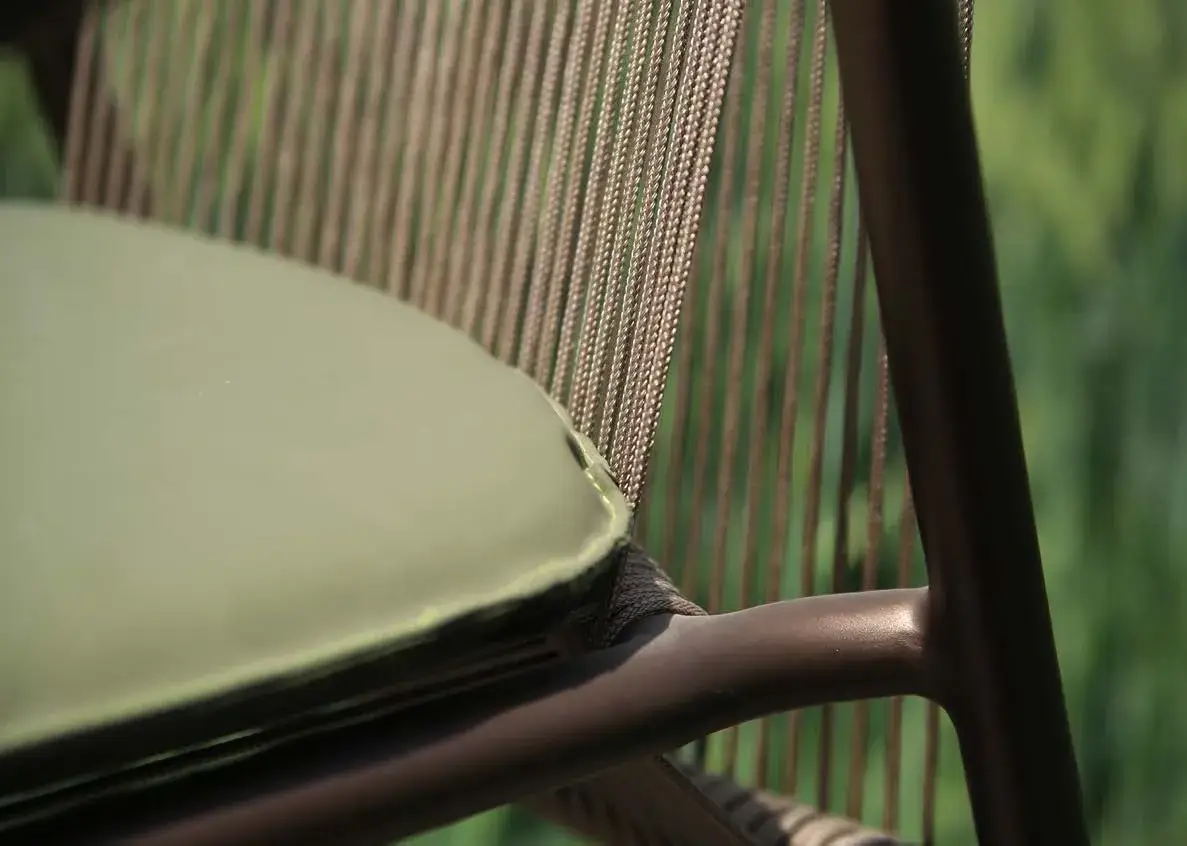
3. Stainless Steel Furniture
Clean stainless steel with warm water and mild dish soap. Then dry it along the direction of the metal grain.
If there are water spots, you can use a cleaner made for stainless steel.
What to avoid:
Do not wipe stainless steel directly with chlorine bleach. It may damage the surface.
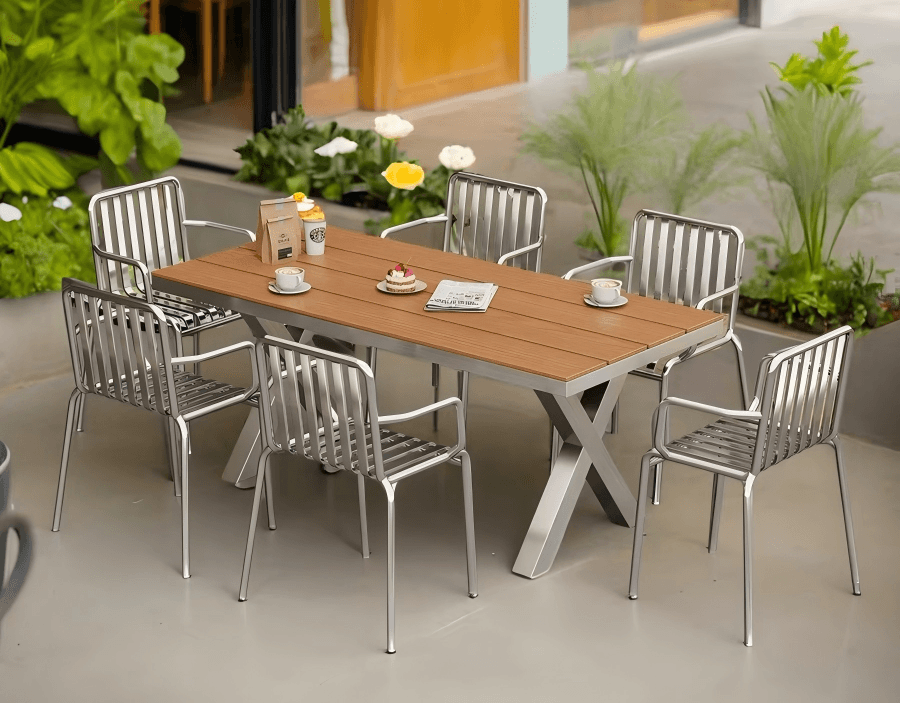
4. Teak Furniture
Start by brushing away dust with a soft brush. Then clean the surface with warm water and mild dish soap.
For gaps in the wood grain, use a soft-bristle brush and brush along the grain.
Rinse with clean water and let the furniture dry naturally in a well-ventilated area.
Care options:
If you like the natural silver-gray look, you can leave teak untreated and let it weather naturally.
If you want to keep the warm golden-brown tone, you will need to maintain it regularly with teak oil.
What to avoid:
Do not use a pressure washer too close to the wood. It can raise the wood fibers and make the surface rough.
Do not cover teak furniture with non-breathable plastic for a long time. Moisture can become trapped inside and cause mold.
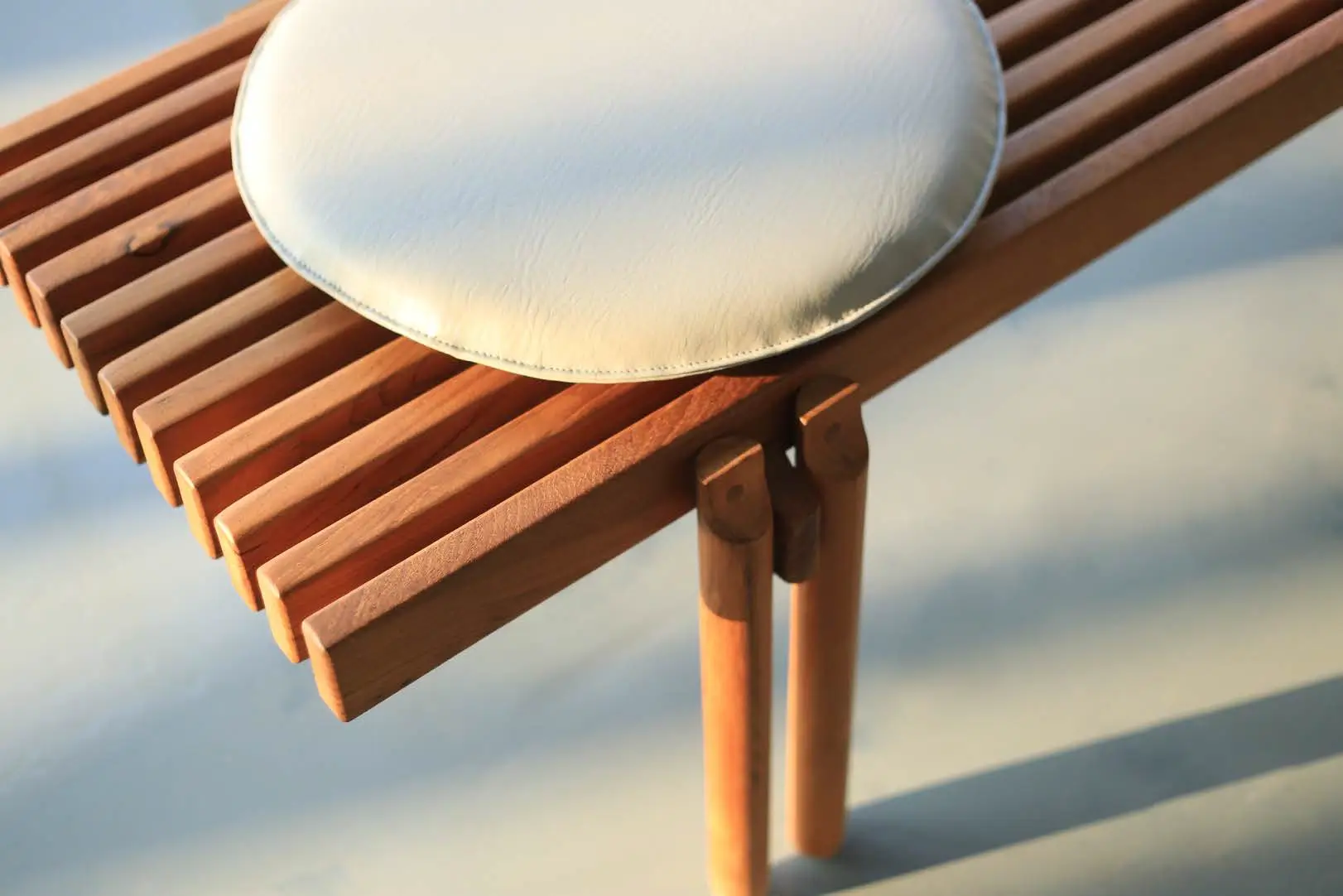
5. Acacia or Eucalyptus Furniture
Clean acacia and eucalyptus furniture in a similar way to teak. Use a mild cleaner, a soft brush, clean water, and let the furniture dry fully.
Care focus:
Depending on the outdoor environment, apply outdoor wood oil from time to time. If the wood looks much lighter, feels dry, or feels rough, it is usually time for maintenance.
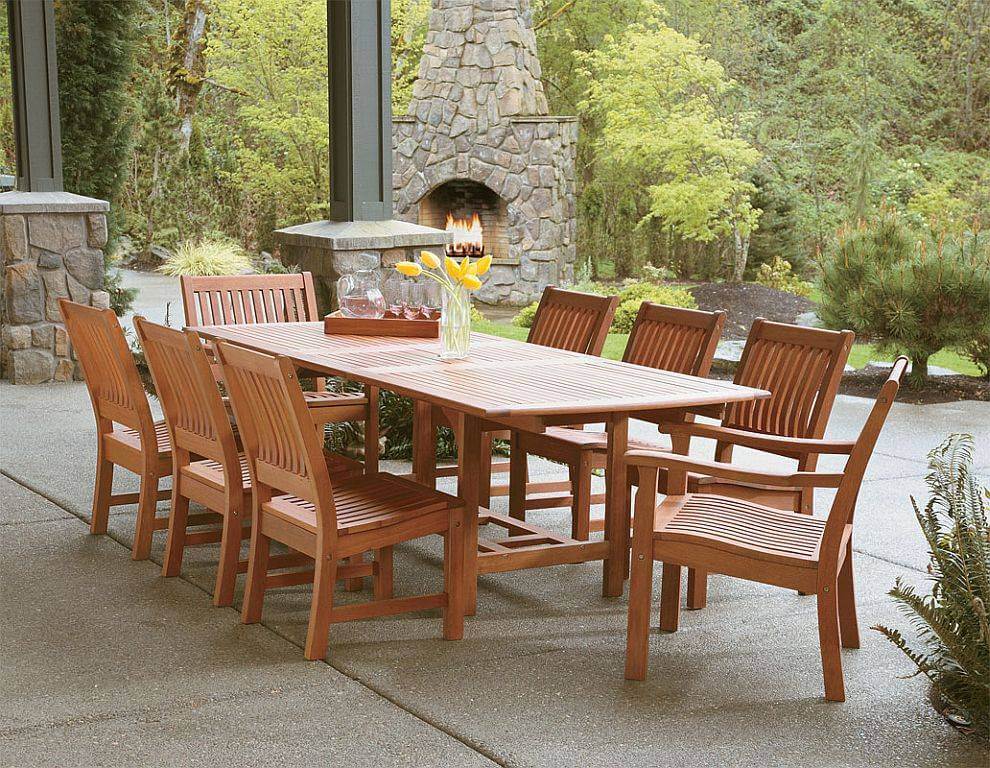
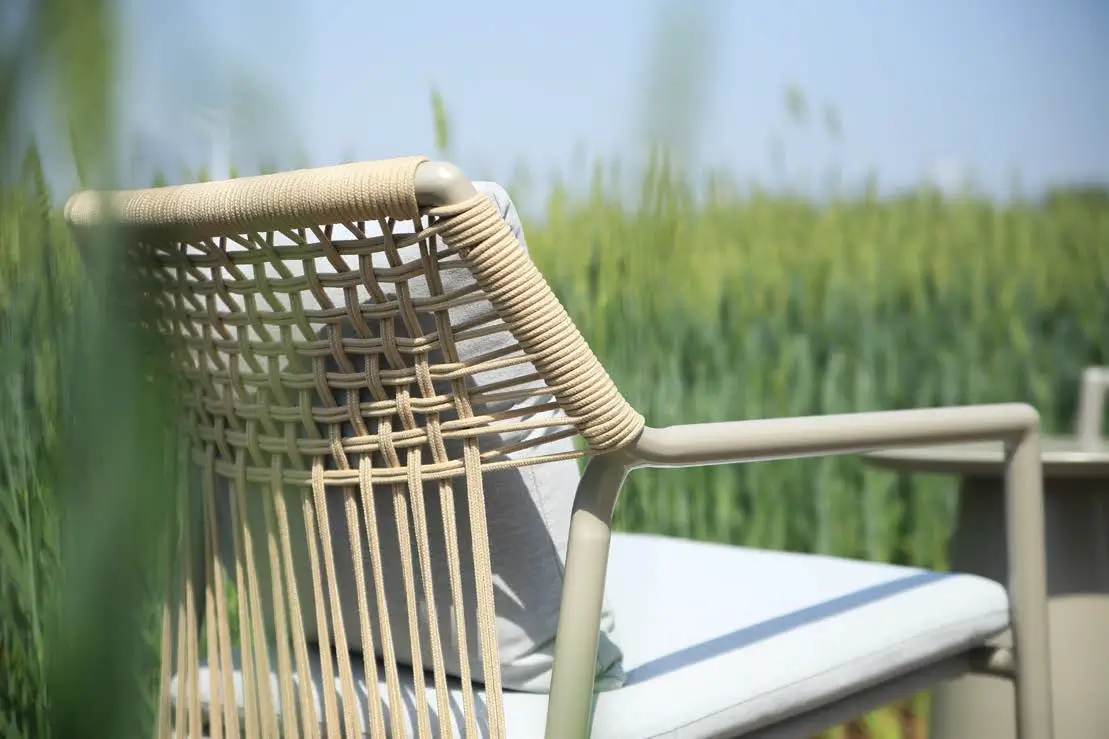
6. PE Rattan or Resin Wicker Furniture
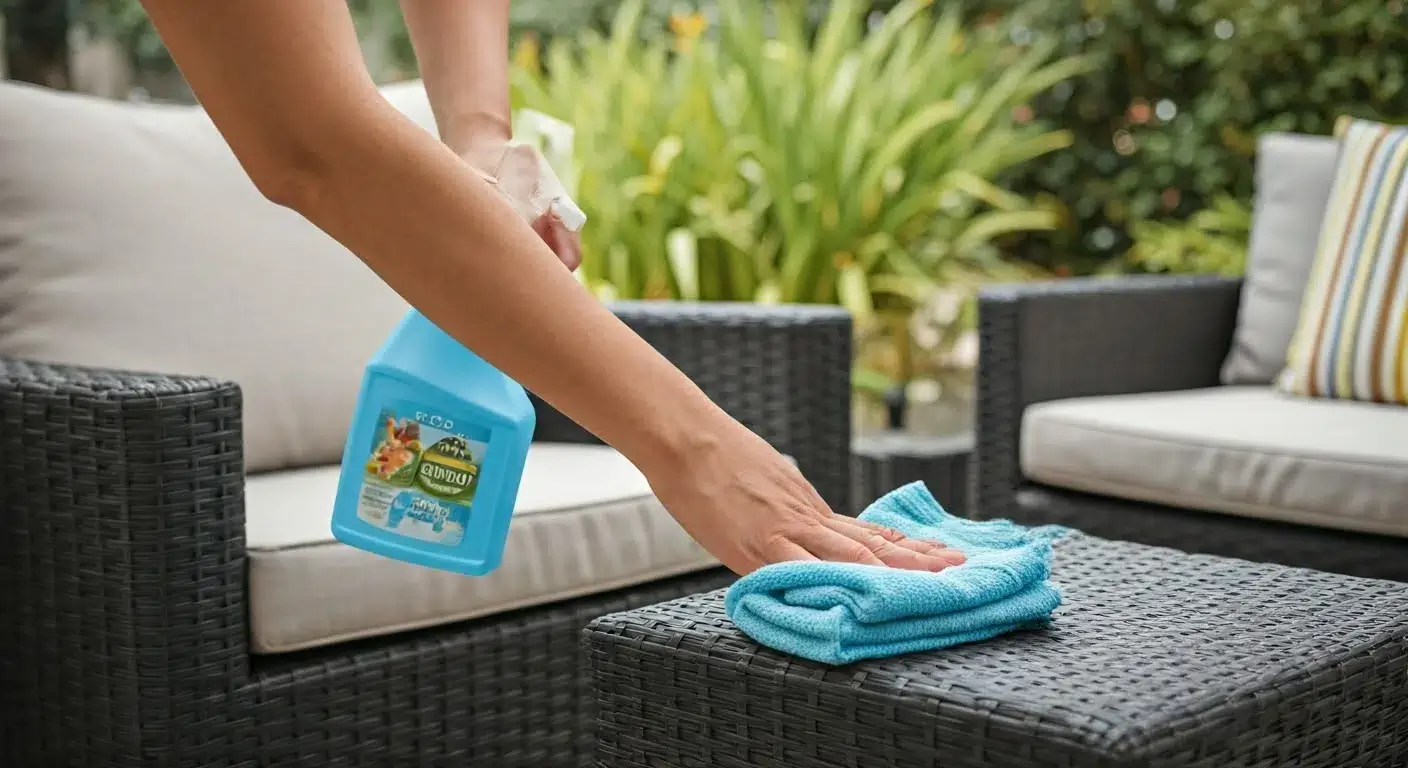
Use a vacuum cleaner first to remove dust from the woven gaps.
Then mix warm water with mild dish soap and use a soft-bristle brush to clean the wicker gaps gently. Rinse with low-pressure water and let the furniture dry fully in a well-ventilated area.
What to avoid:
Do not scrub too hard with a stiff brush, as it may roughen the surface of the wicker strands. Do not use a pressure washer too close to the woven structure, as it may loosen the weave.
7. Natural Rattan or Bamboo Furniture
For natural rattan or bamboo furniture, mainly use a dry cloth, soft brush, or vacuum cleaner.
For small stains, you can wipe the area with a slightly damp cloth. Do not rinse the whole piece with a large amount of water.
What to avoid:
Natural rattan is sensitive to moisture and strong sunlight. If it gets wet, place it in a shaded, well-ventilated area to dry. Do not put it under direct sun to dry quickly, as this may cause cracking.
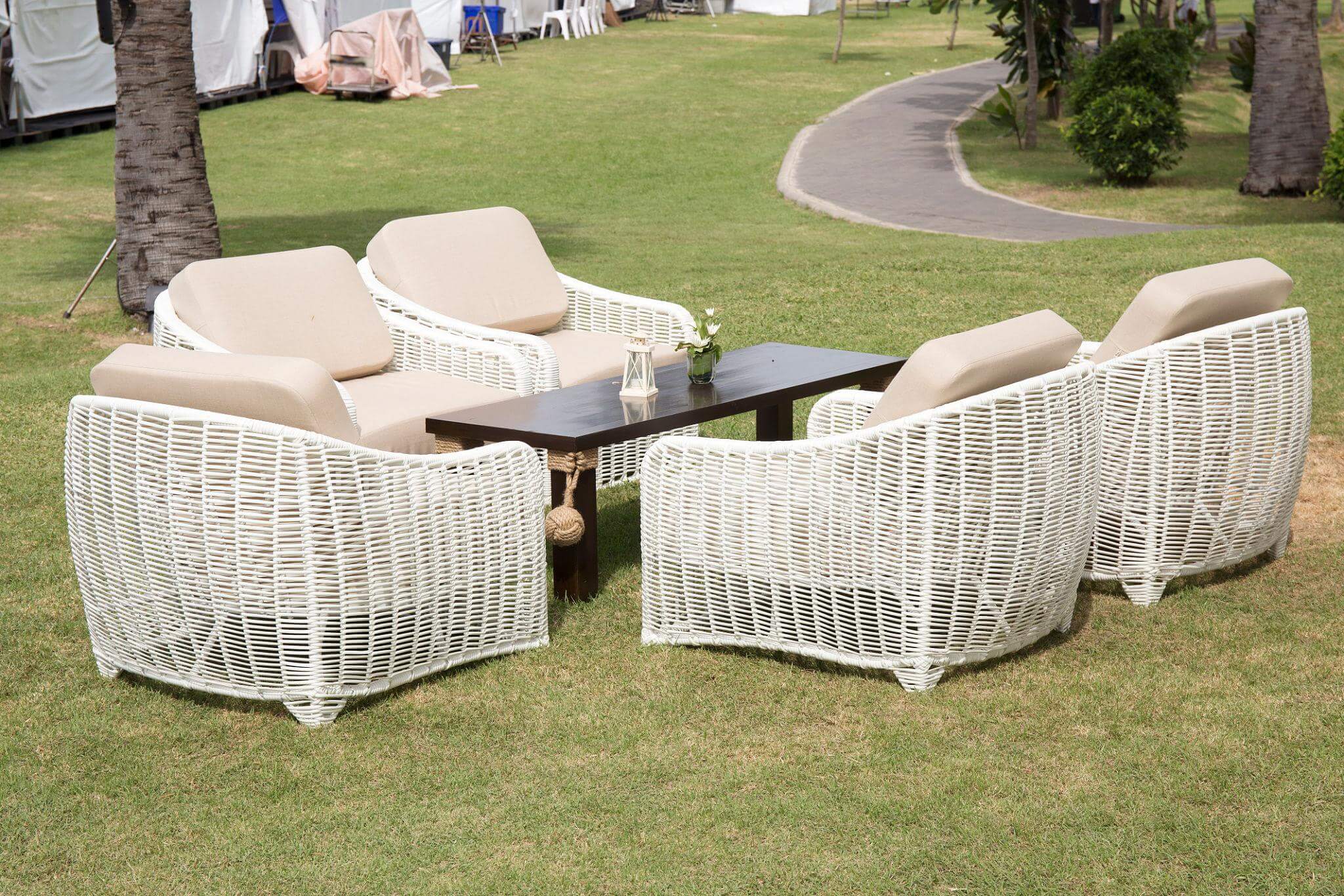
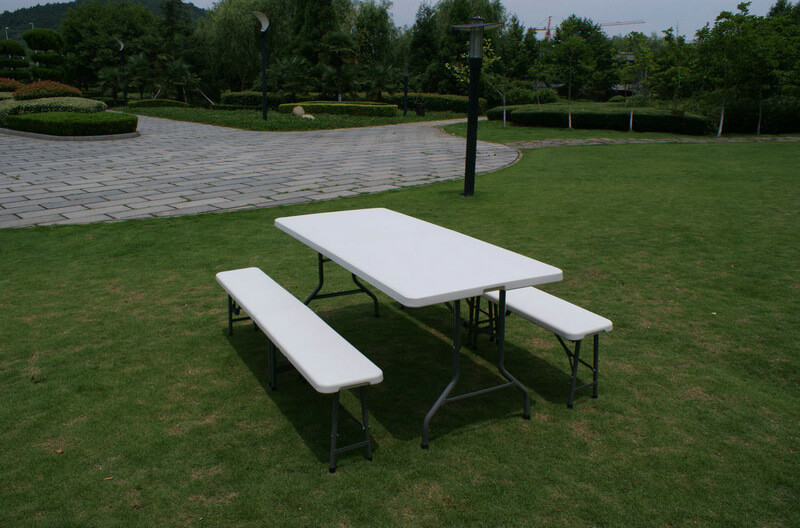
8. Plastic or HDPE Outdoor Furniture
Clean plastic or HDPE furniture with warm water and mild dish soap.
For tougher stains, mix baking soda with water to form a paste. Rub the stained area gently, then rinse it clean with water.
What if the plastic turns yellow?
If light-colored plastic has clearly turned yellow, you can try a cleaner made for plastic. Avoid soaking it in strong bleach, as this may make the material brittle.
What to avoid:
Do not use steel wool. Do not use strong solvents such as gasoline, paint thinner, or heavy-duty adhesive removers. They may damage the plastic surface.
9. Outdoor Fabric Cushions and Throw Pillows
First, pat or vacuum the cushions to remove dust, pollen, and small debris.
Then use warm water with a small amount of mild dish soap. Clean the surface with a sponge or soft brush.
After rinsing with clean water, stand the cushions upright.
Let them dry in a ventilated place with sunlight.
Avoid long hours of harsh, direct sun.
Do not do this:
Do not store cushions before they are dry. Do not stack wet cushions together. If you see mold spots, do not immediately soak the fabric in strong bleach. It may cause fading and damage the fabric.
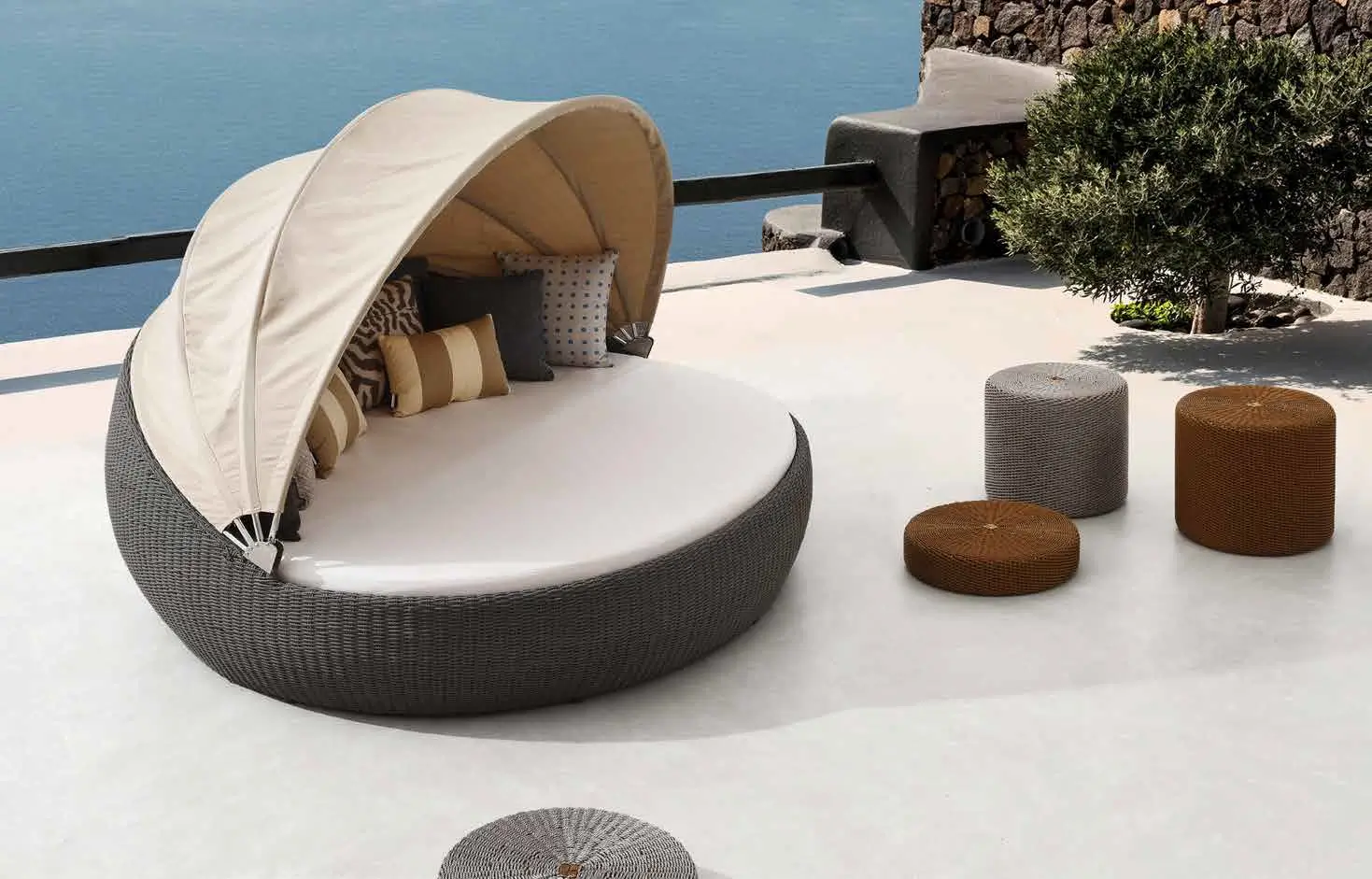
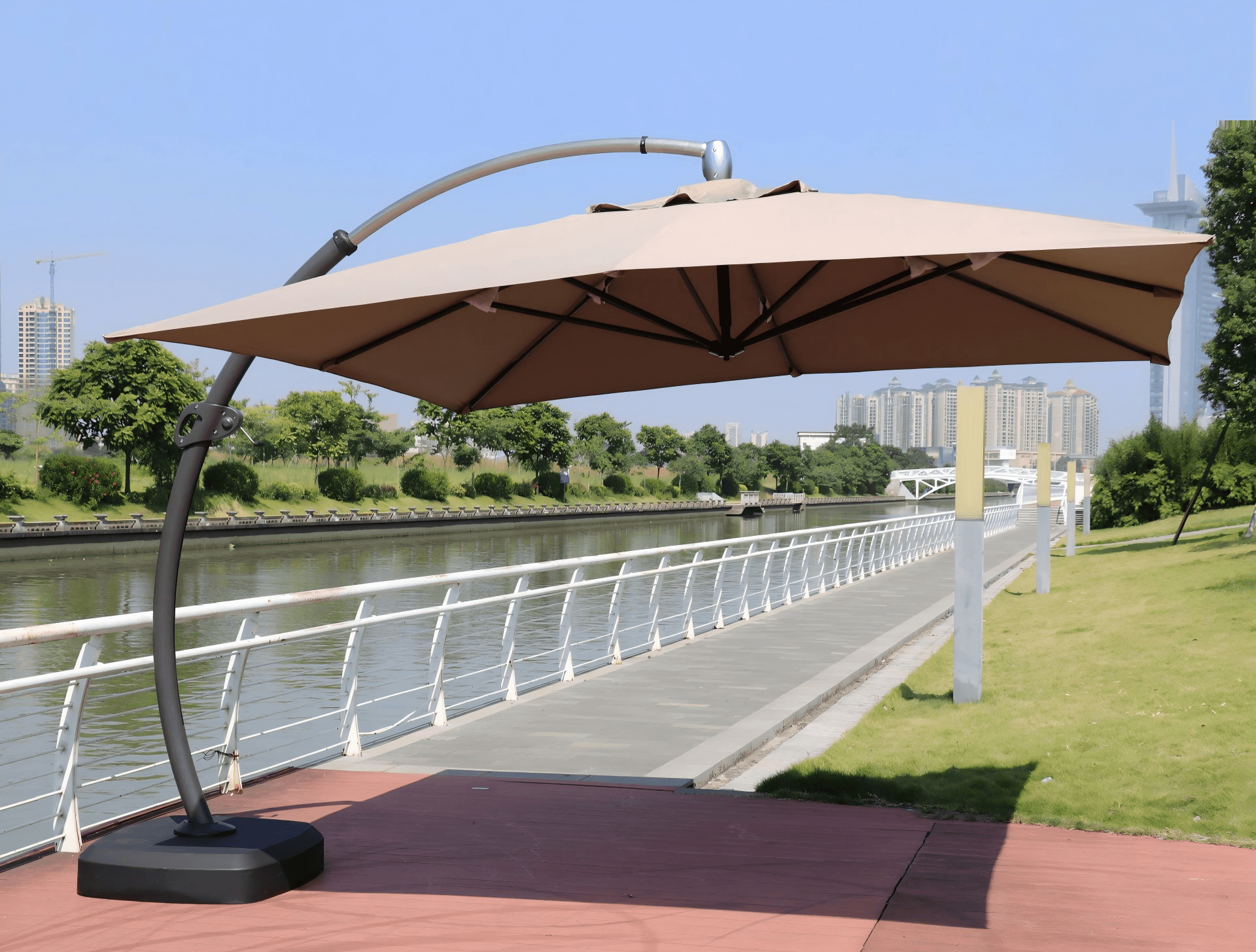
10. Patio Umbrellas and Canopies
Open the umbrella fully first. Use a soft brush to remove dust from the fabric.
Then clean the canopy with warm water and mild dish soap.
For local stains, let the soapy water sit for a few minutes before brushing gently.
Rinse with clean water and keep the umbrella open until it is completely dry.
What to avoid:
Always let the umbrella dry fully before closing it. If you store it while it stays wet, it can develop musty smells and black spots.
4. How Often Should You Clean Patio Furniture?
Weekly light care:
Remove dust, pat cushions, wipe tabletops, and clear away leaves and food crumbs.
Monthly cleaning:
Clean metal frames, wicker gaps, plastic chairs, wood surfaces, and cushion surfaces more thoroughly.
Seasonal maintenance:
Oil wooden furniture or check for cracks. Check iron or steel furniture for rust. Deep clean fabric cushions and let them dry completely. Check woven furniture for loose areas.
When not in use for a long time:
Store cushions indoors or in a moisture-resistant storage box. Use breathable outdoor furniture covers when possible. Avoid wrapping furniture in fully non-breathable plastic for long periods.
5. Small Care Tips to Help Patio Furniture Last Longer
1. Wipe the surface regularly with a damp cloth to prevent dust from building up over time.
2. For solid wood furniture, apply wood wax oil or outdoor wood oil every 6 to 12 months.
3. During strong sunlight, use a patio umbrella, shade sail, or canopy when possible.
4. When it rains, store the cushions indoors and cover the furniture. For long-term storage, use breathable covers that protect against rain and dust.
5. Keep an extra set of fabric cushion covers if possible, so they can be changed and washed more conveniently.
6. After the rainy season, do a full check of the wood, metal parts, wicker gaps, and cushion condition.
6. HomeBridge Helps You Buy Outdoor Furniture
Outdoor furniture is different from indoor furniture. It stands between sunlight, wind, rain, and open air every day.
It is part of many quiet moments at home. It is also there for meals, conversations, and gatherings with family and friends.
Time will leave marks on it. Wood may gain more visible grain. Wicker may show some wear. Metal surfaces may carry small signs of age.
But these marks are not always a bad thing.
With regular cleaning, proper care, and protection from long-term sun exposure and moisture, outdoor furniture can stay with you for many more years. Over time, it becomes more than a piece of furniture. It becomes part of the home.
Of course, outdoor furniture does not last longer only because of cleaning and care. The material, structure, and craftsmanship matter from the very beginning.
At HomeBridge, we help clients choose outdoor furniture based on how they will use it, where they live, their home style, and their budget. Whether it is solid wood, metal, wicker, or outdoor fabric, we care about more than how the furniture looks. We also look at whether it can handle long-term outdoor use, whether it is easy to maintain, and whether it fits naturally into the space.
If you are choosing furniture for a garden, balcony, terrace, patio, or outdoor lounge area, HomeBridge can help you find better options from China. We help make your outdoor space not only look good, but also feel comfortable and stay in good condition for years.

.svg)







.svg)
.svg)


