


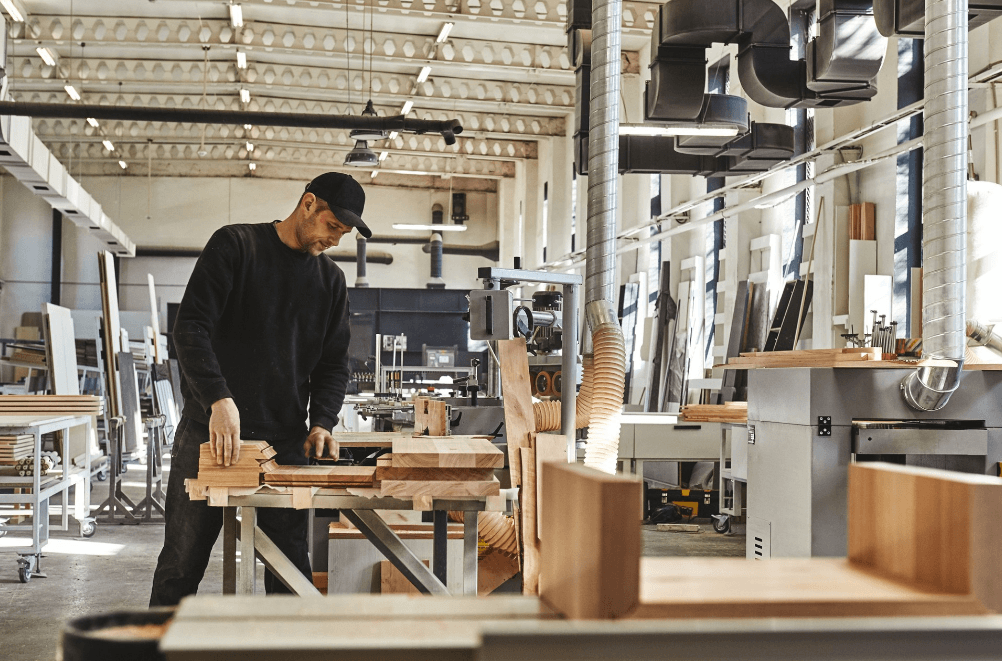

You walk into a furniture store, see a nice dining table for $2,500, and wonder — how much did the factory actually sell it for? The answer might surprise you. Most furniture passes through three or four middlemen before it hits the showroom floor, each adding their own cut.
So how to buy furniture direct from manufacturer in 2026? It is simpler than most people think. You find a supplier, place an order, and arrange shipping. The savings run from 30 to 60 percent compared to retail. This guide covers the benefits of buying direct from furniture manufacturers, shows you how to find reliable furniture manufacturers, and walks through the step-by-step process to buy direct from factory.
1. How to Buy Furniture Direct from Manufacturer?
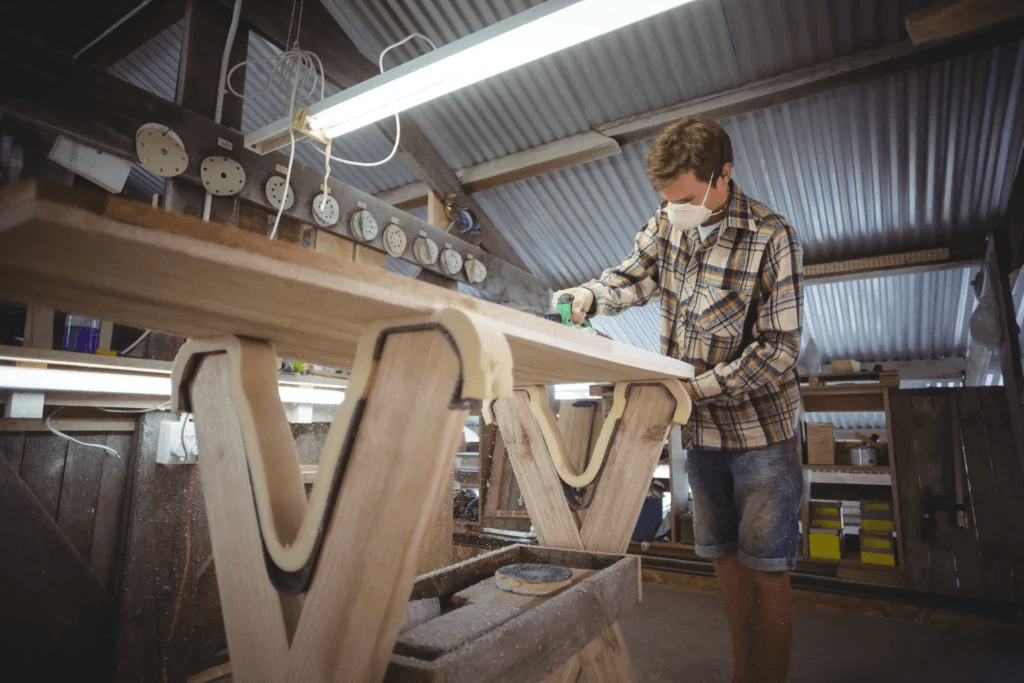
Buying direct from a furniture manufacturer means purchasing straight from the factory that makes the product. No importers, no wholesalers, no retail stores. You order directly and pay factory prices.
The process is simple: find a manufacturer that makes the type of furniture you need, contact them with your requirements, negotiate pricing and minimum order quantities, and arrange shipping to your door. It is the same model big furniture retailers use — except you get the same factory prices they do.
2. Benefits of Buying Direct from Furniture Manufacturers
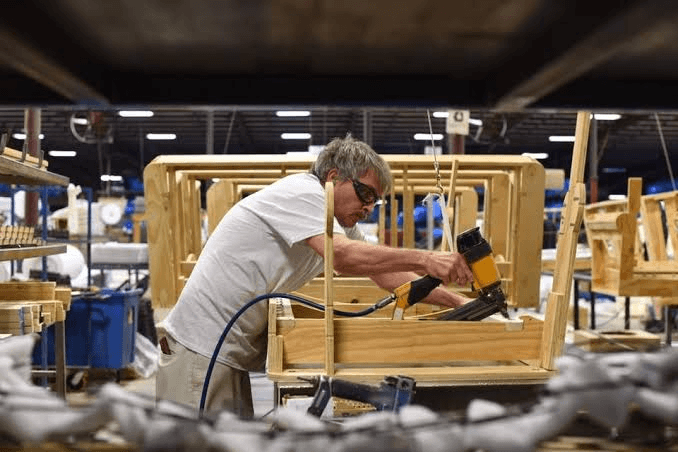
Buying direct is not just about saving money. You also get more control over what you buy and how it is made.
Lower Prices by Skipping Middlemen
Retail prices include markups from every step of the supply chain. A dining table that costs $500 to make at the factory might sell for $200 wholesale, $400 to a retailer, and $1,200 at the store. Buying direct cuts out those layers.
On average, you save 30 to 60 percent. A sofa that costs $2,000 in a store might cost $700 to $1,000 when ordered direct from the manufacturer.
Customization Options
When you buy from a store, you pick from what is in stock. When you buy direct, you can customize almost everything — wood type, finish, fabric, dimensions, and hardware.
This is especially useful for unique spaces or specific design needs. A manufacturer can adjust a table by 2 inches or swap the fabric on a sofa without any issue.
Direct Communication with Makers
Buying direct means you talk directly to the people making your furniture. You can ask about materials, request changes during production, and get updates on your order status.
This direct line also helps if something goes wrong. You work with the factory to fix problems rather than dealing with a store return process.
3. How to Find Reliable Furniture Manufacturers?

Finding a trustworthy manufacturer is the most important step. Here are the best ways to source them.
Online B2B Platforms
Alibaba is the largest B2B platform for finding furniture manufacturers. You can search by product type, filter by location, and compare suppliers side by side. Look for Gold Supplier status, transaction history, and positive reviews.
For example, searching for "solid wood dining table manufacturer" on Alibaba returns hundreds of options. You can filter by verified suppliers, check company profiles, and request quotes directly through the platform.
Trade Shows and Exhibitions
Canton Fair in Guangzhou, China is the largest trade show in the world and an excellent place to find furniture manufacturers. It runs twice a year in April and October.
Other major shows include the High Point Market in North Carolina, IMM Cologne in Germany, and the International Furniture Fair in Singapore. These events let you see products in person and meet suppliers face to face.
Work with a Sourcing Partner
A sourcing partner like HomeBridge handles the hard parts of finding and vetting manufacturers. They have existing relationships with verified factories, know which ones produce quality products, and can negotiate better prices than you could alone.
Sourcing partners also handle communication in Chinese, arrange factory visits, and perform quality inspections. This is the most reliable option for first-time buyers.
4. Step-by-Step Process to Buy Direct from Factory
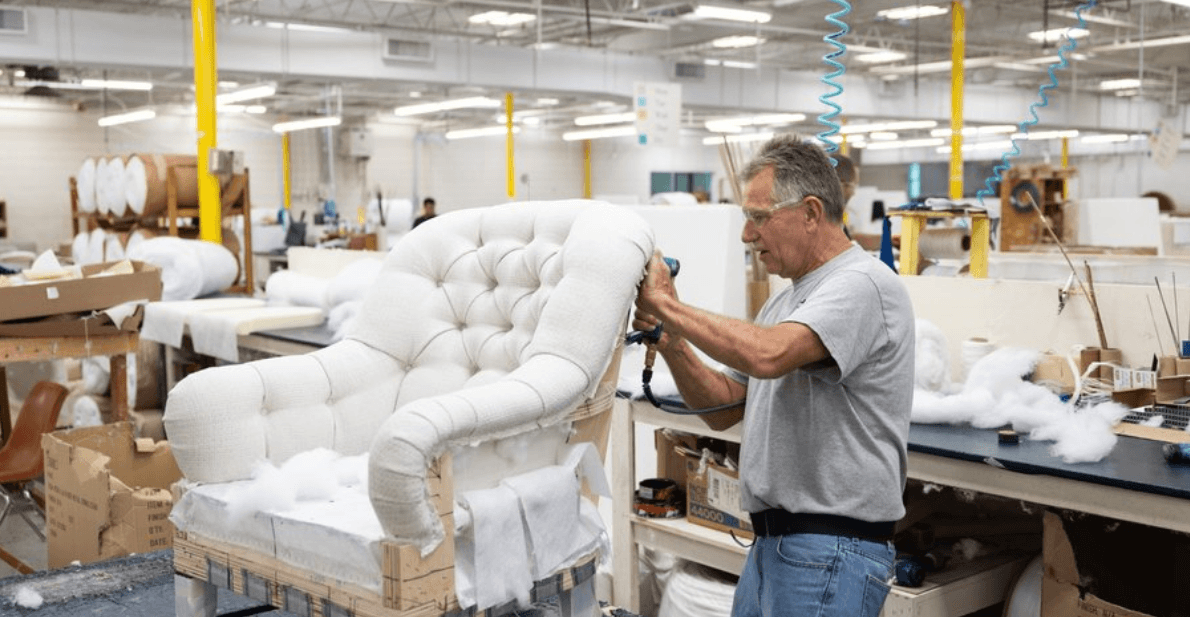
Here is how the factory-direct process works from start to finish.
Step 1: Identify Your Needs
Know exactly what you want before contacting factories. Decide on product type, materials, dimensions, quantity, and budget. The more specific you are, the more accurate your quotes will be.
Step 2: Research and Shortlist Suppliers
Search for manufacturers on Alibaba or through a sourcing partner. Look for suppliers with at least 3 to 5 years of experience, verified status, and positive feedback. Shortlist 5 to 10 candidates.
Step 3: Request Samples and Compare
Ask shortlisted suppliers for product samples or visit their showroom if you can. Compare quality, materials, and workmanship side by side. Never place a big order without seeing a sample first.
Step 4: Negotiate Price and MOQ
Manufacturers expect negotiation. Ask about pricing at different quantity levels and see where the discounts kick in. Most factories have a minimum order quantity, usually 10 to 100 pieces for furniture.
Step 5: Arrange Shipping and Customs
Once the order is ready, arrange freight shipping. The factory can often recommend a freight forwarder, or you can use one suggested by your sourcing partner. Make sure you understand import duties and customs requirements in your country.
5. Understanding MOQ and Pricing

Minimum order quantities and pricing tiers are important concepts when buying factory direct.
What Is a Typical MOQ?
MOQ stands for minimum order quantity — the smallest number of units a factory will produce in one run. For furniture, MOQs range from 10 to 300 pieces depending on the product complexity.
Simple items like dining chairs might have an MOQ of 50 to 100 pieces. Complex items like upholstered sofas might have an MOQ of 20 to 50 pieces. Some factories accept lower MOQs at higher per-unit prices.
How Pricing Tiers Work
Factory pricing goes down as order quantity goes up. A dining chair might cost $80 each at 50 units, $65 each at 100 units, and $50 each at 300 units.
Ask for a price break sheet that shows pricing at different quantity levels. This helps you find the sweet spot between total cost and per-unit savings.
Tips for Negotiating Better Prices
Start by asking for pricing at your target quantity, then ask what the price would be at 2x and 3x that amount. Use those numbers to negotiate a middle ground. Factories are more willing to negotiate on repeat orders than first-time orders.
Building a relationship with your supplier also leads to better pricing over time. Communicate clearly, pay on time, and be professional.
6. Shipping and Logistics for Furniture Imports
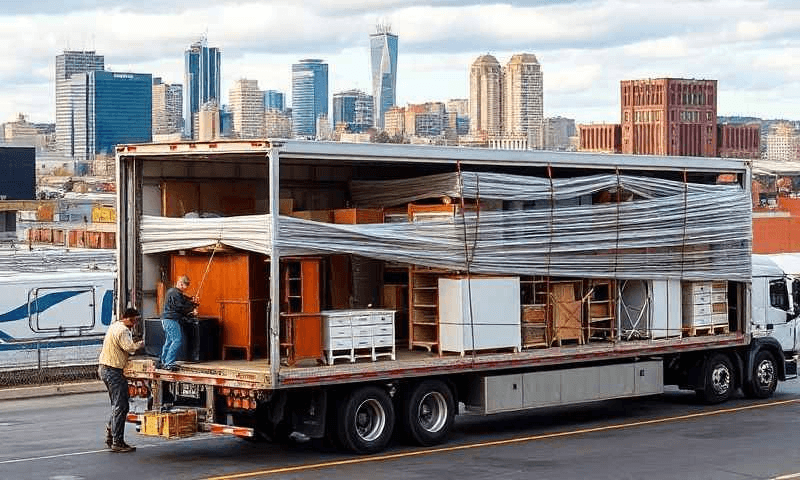
Shipping furniture from overseas takes some planning. Here is what you need to know.
Ocean Freight FCL vs LCL
FCL means full container load. You rent an entire shipping container. This is cheaper per unit and faster for big orders. LCL means less than container load. Your goods share a container with other shipments. This works for smaller orders but costs more per unit.
For furniture, a 20-foot container holds roughly one room of furniture. A 40-foot container holds about two to three rooms. Your shipping cost depends on container size and route.
Customs Clearance and Duties
Every country charges import duties on furniture. Rates vary by product type and country of origin. In the US, wooden furniture duties range from 0 to 8 percent.
You need a customs broker to clear your shipment. Your freight forwarder or sourcing partner can usually recommend one. Make sure you have all required documents — commercial invoice, packing list, bill of lading, and certificate of origin.
Delivery and Last-Mile
Once the container reaches the port, it needs to be delivered to your door. This is called last-mile delivery. Some freight forwarders include this in their quote. Others charge extra.
For large furniture orders, consider using a warehouse for temporary storage if you are not ready to receive everything at once.
7. Common Mistakes When Buying Direct from Manufacturers

Even experienced buyers make mistakes. Here are the most common ones and how to avoid them.
Not Checking Supplier Credentials
Some suppliers on B2B platforms are not actual manufacturers — they are trading companies that add their own markup. Always verify you are dealing with the factory directly.
Ask for photos or videos of their factory floor. Request a video call to see the production line. Use third-party verification services if needed.
Ignoring MOQ Requirements
Do not ask a factory to make exceptions on MOQ unless you are willing to pay more per unit. Factories set MOQs based on their production efficiency. Small orders disrupt their workflow.
If their MOQ is too high, ask if they have stock products available or if they can recommend another factory with lower MOQs.
Overlooking Shipping Costs
Shipping can add 15 to 30 percent to your total cost. Always get a shipping quote before finalizing your order. Compare FOB and CIF pricing — FOB means you pay shipping from the factory, while CIF includes shipping and insurance to your nearest port.
8. How Does HomeBridge Help You Buy Furniture Direct from China?

If you want to buy furniture direct from Chinese manufacturers but do not know where to start, HomeBridge can help. We connect you with verified furniture factories and handle the entire process.
- Factory verification and quality audits
- Competitive pricing through established relationships
- MOQ negotiation for small and large orders
- Full logistics management including shipping and customs
- Quality inspection before shipment
Whether you are furnishing your home or sourcing for a business, we make buying direct from Chinese furniture manufacturers simple and safe.
9. Frequently Asked Questions
1) Is it cheaper to buy furniture direct from manufacturer?
Yes, buying direct saves 30 to 60 percent compared to retail. You skip the wholesaler, distributor, and retailer markups. A $2,000 sofa at a store might cost $700 to $1,000 from the factory.
2) What is the minimum order quantity for furniture factories?
MOQs vary by product. Simple items like dining chairs start at 50 to 100 pieces. Upholstered sofas start at 20 to 50 pieces. Some factories accept lower MOQs at higher per-unit prices.
3) Can I buy furniture direct from China as an individual?
Yes, many Chinese manufacturers sell to individuals. You may pay higher per-unit prices than bulk buyers, but you still save compared to retail. Sourcing partners like HomeBridge can help individual buyers.
4) How do I verify a furniture manufacturer?
Check their business license, request factory photos or video, look for third-party verification like Gold Supplier status on Alibaba, and ask for references. A sourcing partner can perform factory audits on your behalf.
5) How much can I save buying direct from manufacturer?
Most buyers save 30 to 60 percent compared to US retail. A full room of furniture that costs $5,000 at retail might cost $2,000 to $3,500 factory direct. Larger orders get better savings.
6) What is the best way to find furniture manufacturers?
Alibaba is the most accessible starting point. Trade shows like Canton Fair are better for serious buyers. Working with a sourcing partner like HomeBridge is the most reliable option for first-time buyers.
7) Do furniture manufacturers ship internationally?
Most Chinese furniture manufacturers export worldwide. They typically ship via ocean freight. The factory can recommend a freight forwarder, or you can arrange your own. Shipping runs $500 to $3,000 depending on container size and destination.
10. Conclusion
Buying furniture direct from the manufacturer is one of the best ways to save money and get exactly what you want. The process is straightforward — find a supplier, place your order, and arrange shipping. Savings of 30 to 60 percent make it worth the extra effort.
Whether you use Alibaba, attend a trade show, or work with a sourcing partner like HomeBridge, do your research, verify your supplier, and plan your shipping carefully. Start with a small order to test the process, then scale up as you gain confidence.
.svg)






.svg)
.svg)


