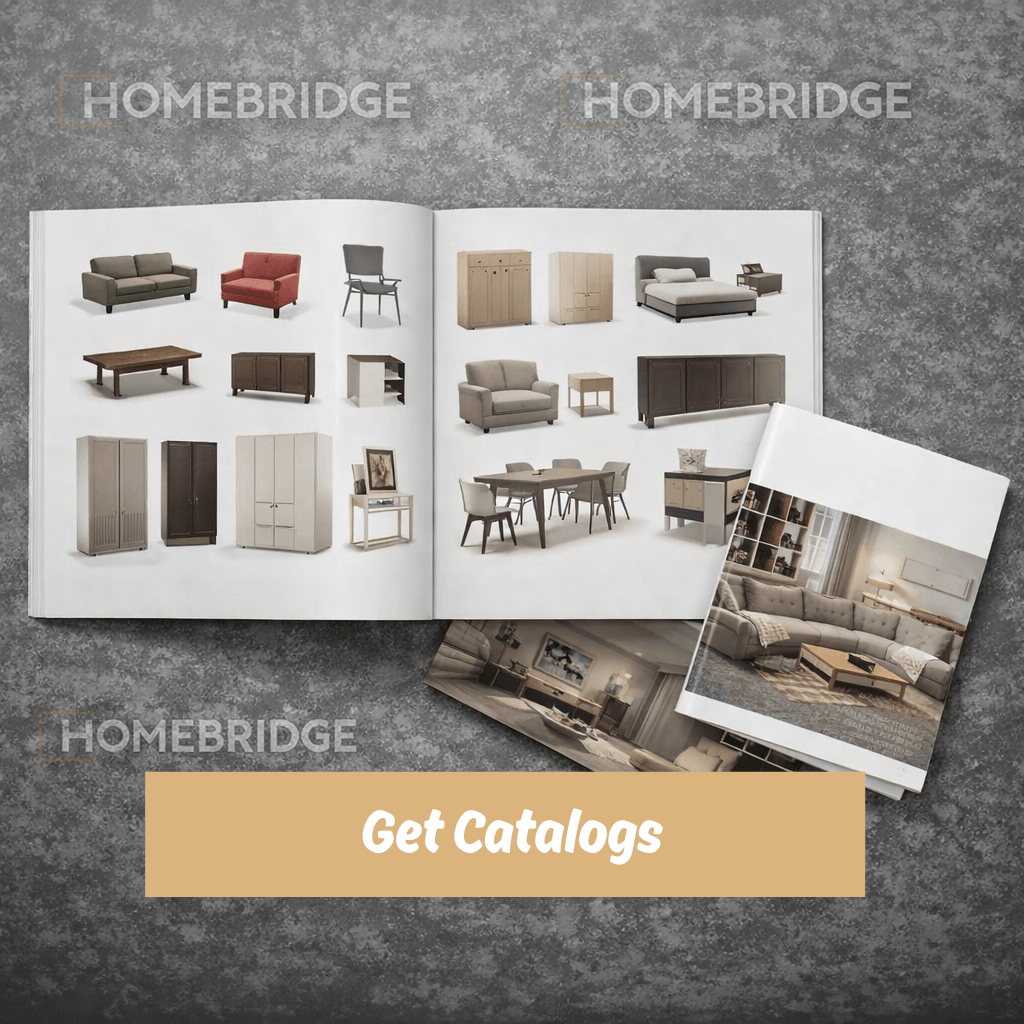

How Homebridge Makes Furniture Sourcing Easier

How Homebridge Makes Furniture Sourcing Easier
Author-Image
Last Update:  
June 1, 2026

Sourcing furniture from China is not simply about buying products—it is about managing an international supply chain.

For beginners, the challenge is usually not one single step, but the number of connected steps involved. That’s why the smarter approach is not expecting buyers to master every detail themselves, but finding a service partner capable of connecting the entire process together.

This is exactly why Homebridge exists.

1. Finding a More Suitable Supply Chain

China has an enormous furniture supply network, but having more choices does not necessarily make sourcing easier.

Two sofas with almost identical appearances may differ greatly in price because of differences in genuine leather versus composite leather, foam density (25kg/m³ vs. 45kg/m³), solid wood frames versus mixed wood structures, hardware quality, or stitching craftsmanship. These differences are often invisible in photos, but they directly affect whether the furniture lasts 3 years or 10 years.

For individual buyers, making decisions based only on pictures and quotations is almost like choosing blindly.

The value of Homebridge is not simply finding the lowest price. It is helping buyers understand exactly what they are paying for.

Once materials, structures, and craftsmanship are clearly explained, buyers are no longer simply comparing prices—they are choosing between different solutions.

Based on this approach, Homebridge helps screen 3–5 of the most suitable source factories from our network of more than 95 benchmark manufacturing partners, ensuring buyers maintain both clarity and sufficient options during the sourcing process.

Homebridge matches source factories

2. Coordinating Multi-Factory Sourcing

If you are only buying one or two furniture pieces, the sourcing process is relatively simple. But many individual buyers purchasing furniture from China are sourcing for full-home renovations, villas, or large-scale furnishing projects. In these situations, orders often involve multiple factories.

The sofa may come from one factory, the dining table from another, while mattresses, cabinets, and lighting are supplied by different manufacturers. Each factory has its own production schedule, packaging standards, and shipping timeline.

Without centralized coordination, it is common for one product to finish production while another has not even started. In some cases, packaging may not meet export standards, dimensions may never have been properly confirmed, or products may turn out too large during container loading.

Homebridge helps handle these complicated coordination tasks by communicating with multiple factories, tracking production schedules, organizing order information, and arranging centralized warehousing before shipment.

For clients, this means you do not need to repeatedly follow up with every individual factory or keep track of every production stage yourself. Homebridge helps turn complicated multi-supplier coordination into a much more organized process.

Homebridge helps coordinate factories

3. Prioritizing Pre-Shipment Inspection and Packaging

Furniture is fundamentally a high-volume product category with very little room for error.

Because of this, pre-shipment inspection becomes one of the most critical stages in the entire sourcing process. Experienced teams do not stop at simply checking whether products “look fine.” They carefully verify details such as color consistency between batches, hardware quality, internal frame materials, stitching, edging, and paint finishes.

Many of these issues are difficult to notice under showroom lighting, but they quickly become obvious in real-life use. Teams like Homebridge conduct complete inspections before shipment instead of relying only on factory self-checks.

Packaging is another decisive factor. Many people assume shipping damage is caused mainly by rough sea transportation, but in reality, many problems begin the moment products leave the factory. Cross-border shipping usually involves multiple handling stages—from factory to warehouse, from port to vessel—and every weak point in protection increases the risk of damage.

If packaging is insufficient from the start, such as weak cartons, missing corner protection, or poor moisture protection, visible damage can easily occur after long ocean transit and repeated handling.

That is why experienced service providers like Homebridge design packaging based on the actual transportation route and follow stricter export-level packaging standards throughout the process.
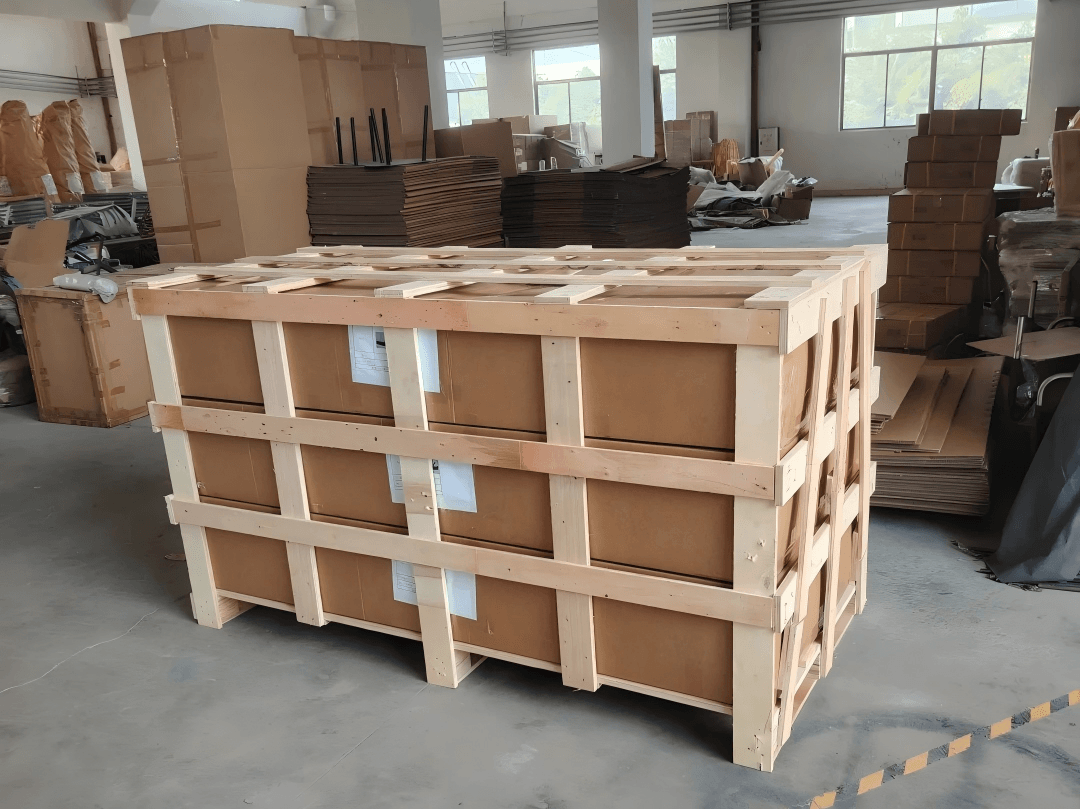
Export-standard furniture packaging

4. Making the Cost Structure Clearer

Cost is the issue buyers care about most. But the biggest problem is usually not that the price is high—it is that the price is incomplete.

In cross-border furniture sourcing, the first number buyers see is often only a small part of the total cost chain. A factory quotation that looks very low may account for only 20%–40% of the final landed cost. A cheap sea freight quote may not include destination port charges, import duties, or local delivery fees. Once the cargo arrives, these additional costs are added step by step, usually without much room for negotiation.

This is why there is a common reality in the industry: the simpler the early quotation looks, the more complicated the additional charges often become later.

Homebridge approaches this differently. We explain the cost structure clearly from the beginning instead of intentionally attracting clients with low initial pricing and then continuously adding extra charges afterward. Our quotations include not only the product cost, but also a clearer breakdown of related expenses, allowing buyers to see a cost structure much closer to the real landed cost.

Of course, this does not mean every expense can be completely fixed at the beginning, since shipping rates, taxes, and local delivery costs may vary depending on the destination, cargo volume, and customs requirements. But understanding the cost structure early helps buyers plan budgets more accurately and reduces uncertainty later in the process.

What we want clients to see is not a quote that appears cheap at first but keeps growing afterward, but a sourcing plan that already considers most of the real variables from the start.

The complete cost structure

5. Providing DDP Services

Homebridge DDP is a door-to-door service designed for individual buyers. Its core purpose is to handle the entire process for clients, helping reduce concerns after purchase.

In reality, many services in the industry only manage one part of the chain, rather than taking responsibility for the final result. For example, the factory handles production and dispatch, the freight forwarder handles shipping to the port, and the customs broker handles clearance. Each part may seem fine on its own, but once something goes wrong, responsibility can easily be passed around—leaving the buyer to deal with the uncertainty.

Another often-overlooked issue is uncontrollable extra costs. Under non-DDP arrangements, customs delays may lead to demurrage, detention, or other additional charges. These fees can be significant and often accumulate daily, creating real pressure for individual buyers. With DDP, these risks are evaluated earlier and included in the overall plan as much as possible, allowing an experienced team to help avoid or manage them.

The value of DDP is that it reconnects these separated stages into one coordinated process, with one party responsible for the overall delivery outcome. For first-time buyers sourcing furniture from China, this means you do not need to understand every logistics term, coordinate with multiple parties, or suddenly learn how customs clearance works when problems arise.

You only need to communicate your requirements clearly at the beginning, and Homebridge can handle the execution that follows.
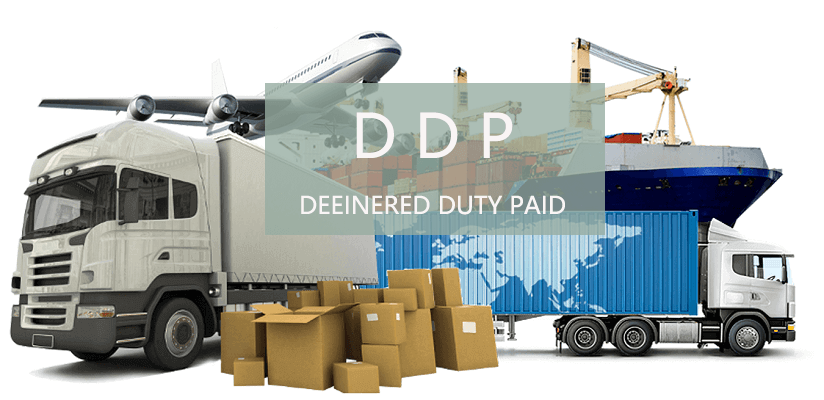
Homebridge provides hassle-free DDP services

A Smoother Way to Complete Your Purchase

Importing furniture from China can be a smooth and enjoyable experience if you understand the process and work with the right partner. But without proper guidance, it can quickly become time-consuming and stressful.

This is exactly what Homebridge has been working to improve.

Our How to Buy Furniture from China article series is not just about explaining what we do. It is designed to clearly present the real sourcing process, key steps, and common mistakes in the industry, so you can make decisions with a clearer understanding from the start.

When the information is complete, the decision becomes more stable.

Our goal is to make furniture sourcing feel less complicated and more enjoyable—helping you move into your ideal home with greater ease.
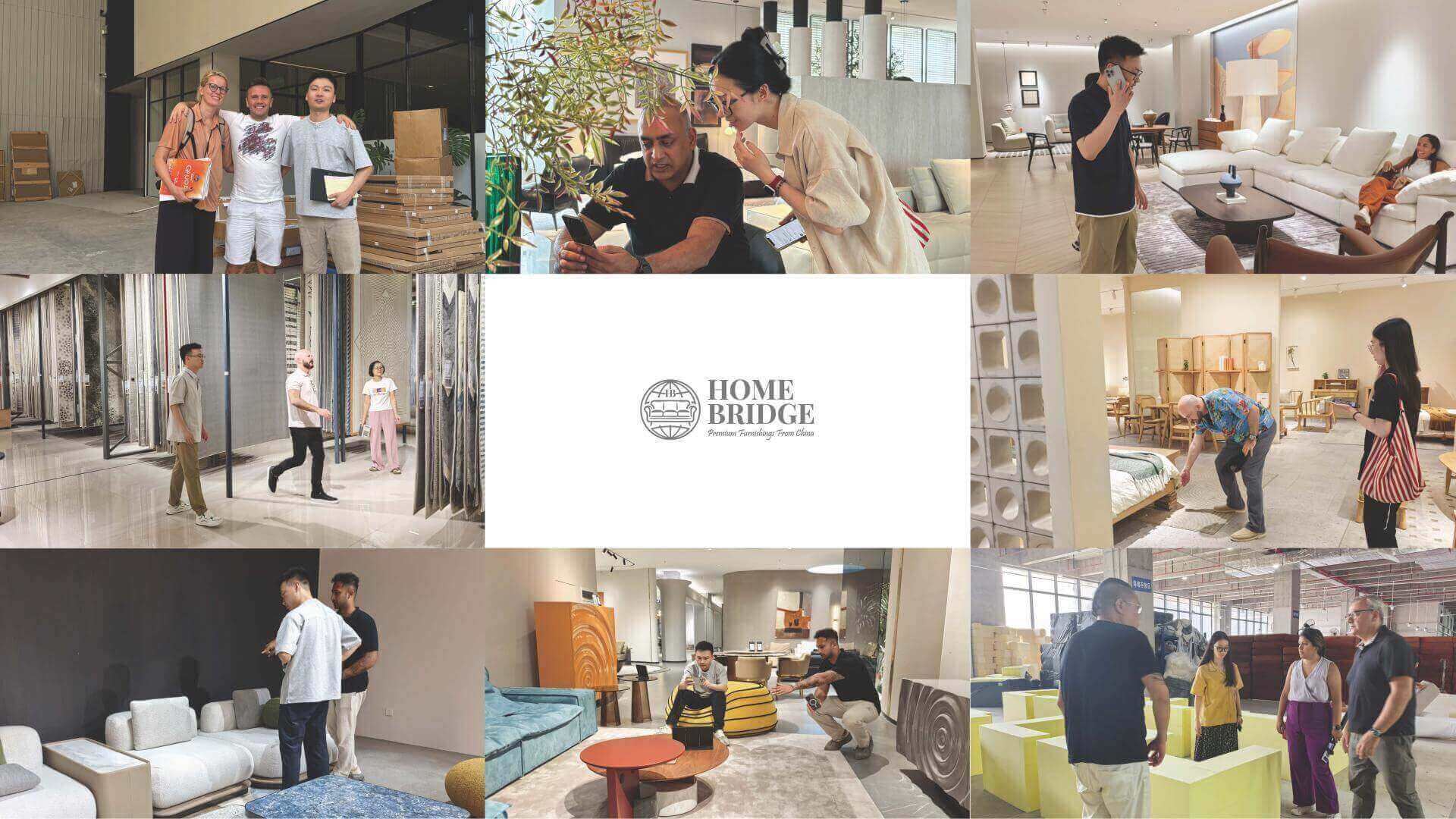
Homebridge as a professional sourcing service provider
Explore Furniture Solutions with HomeBridge
Contact us for One-stop Professional Furniture Purchaisng Solution!
By clicking the button, you consent to the processing of personal data

Thank you!

Your message has been received.
Oops! Something went wrong while submitting the form.

Sourcing furniture from China is not simply about buying products—it is about managing an international supply chain.

For beginners, the challenge is usually not one single step, but the number of connected steps involved. That’s why the smarter approach is not expecting buyers to master every detail themselves, but finding a service partner capable of connecting the entire process together.

This is exactly why Homebridge exists.

1. Finding a More Suitable Supply Chain

China has an enormous furniture supply network, but having more choices does not necessarily make sourcing easier.

Two sofas with almost identical appearances may differ greatly in price because of differences in genuine leather versus composite leather, foam density (25kg/m³ vs. 45kg/m³), solid wood frames versus mixed wood structures, hardware quality, or stitching craftsmanship. These differences are often invisible in photos, but they directly affect whether the furniture lasts 3 years or 10 years.

For individual buyers, making decisions based only on pictures and quotations is almost like choosing blindly.

The value of Homebridge is not simply finding the lowest price. It is helping buyers understand exactly what they are paying for.

Once materials, structures, and craftsmanship are clearly explained, buyers are no longer simply comparing prices—they are choosing between different solutions.

Based on this approach, Homebridge helps screen 3–5 of the most suitable source factories from our network of more than 95 benchmark manufacturing partners, ensuring buyers maintain both clarity and sufficient options during the sourcing process.

Homebridge matches source factories

2. Coordinating Multi-Factory Sourcing

If you are only buying one or two furniture pieces, the sourcing process is relatively simple. But many individual buyers purchasing furniture from China are sourcing for full-home renovations, villas, or large-scale furnishing projects. In these situations, orders often involve multiple factories.

The sofa may come from one factory, the dining table from another, while mattresses, cabinets, and lighting are supplied by different manufacturers. Each factory has its own production schedule, packaging standards, and shipping timeline.

Without centralized coordination, it is common for one product to finish production while another has not even started. In some cases, packaging may not meet export standards, dimensions may never have been properly confirmed, or products may turn out too large during container loading.

Homebridge helps handle these complicated coordination tasks by communicating with multiple factories, tracking production schedules, organizing order information, and arranging centralized warehousing before shipment.

For clients, this means you do not need to repeatedly follow up with every individual factory or keep track of every production stage yourself. Homebridge helps turn complicated multi-supplier coordination into a much more organized process.

Homebridge helps coordinate factories

3. Prioritizing Pre-Shipment Inspection and Packaging

Furniture is fundamentally a high-volume product category with very little room for error.

Because of this, pre-shipment inspection becomes one of the most critical stages in the entire sourcing process. Experienced teams do not stop at simply checking whether products “look fine.” They carefully verify details such as color consistency between batches, hardware quality, internal frame materials, stitching, edging, and paint finishes.

Many of these issues are difficult to notice under showroom lighting, but they quickly become obvious in real-life use. Teams like Homebridge conduct complete inspections before shipment instead of relying only on factory self-checks.

Packaging is another decisive factor. Many people assume shipping damage is caused mainly by rough sea transportation, but in reality, many problems begin the moment products leave the factory. Cross-border shipping usually involves multiple handling stages—from factory to warehouse, from port to vessel—and every weak point in protection increases the risk of damage.

If packaging is insufficient from the start, such as weak cartons, missing corner protection, or poor moisture protection, visible damage can easily occur after long ocean transit and repeated handling.

That is why experienced service providers like Homebridge design packaging based on the actual transportation route and follow stricter export-level packaging standards throughout the process.

Export-standard furniture packaging

4. Making the Cost Structure Clearer

Cost is the issue buyers care about most. But the biggest problem is usually not that the price is high—it is that the price is incomplete.

In cross-border furniture sourcing, the first number buyers see is often only a small part of the total cost chain. A factory quotation that looks very low may account for only 20%–40% of the final landed cost. A cheap sea freight quote may not include destination port charges, import duties, or local delivery fees. Once the cargo arrives, these additional costs are added step by step, usually without much room for negotiation.

This is why there is a common reality in the industry: the simpler the early quotation looks, the more complicated the additional charges often become later.

Homebridge approaches this differently. We explain the cost structure clearly from the beginning instead of intentionally attracting clients with low initial pricing and then continuously adding extra charges afterward. Our quotations include not only the product cost, but also a clearer breakdown of related expenses, allowing buyers to see a cost structure much closer to the real landed cost.

Of course, this does not mean every expense can be completely fixed at the beginning, since shipping rates, taxes, and local delivery costs may vary depending on the destination, cargo volume, and customs requirements. But understanding the cost structure early helps buyers plan budgets more accurately and reduces uncertainty later in the process.

What we want clients to see is not a quote that appears cheap at first but keeps growing afterward, but a sourcing plan that already considers most of the real variables from the start.

The complete cost structure

5. Providing DDP Services

Homebridge DDP is a door-to-door service designed for individual buyers. Its core purpose is to handle the entire process for clients, helping reduce concerns after purchase.

In reality, many services in the industry only manage one part of the chain, rather than taking responsibility for the final result. For example, the factory handles production and dispatch, the freight forwarder handles shipping to the port, and the customs broker handles clearance. Each part may seem fine on its own, but once something goes wrong, responsibility can easily be passed around—leaving the buyer to deal with the uncertainty.

Another often-overlooked issue is uncontrollable extra costs. Under non-DDP arrangements, customs delays may lead to demurrage, detention, or other additional charges. These fees can be significant and often accumulate daily, creating real pressure for individual buyers. With DDP, these risks are evaluated earlier and included in the overall plan as much as possible, allowing an experienced team to help avoid or manage them.

The value of DDP is that it reconnects these separated stages into one coordinated process, with one party responsible for the overall delivery outcome. For first-time buyers sourcing furniture from China, this means you do not need to understand every logistics term, coordinate with multiple parties, or suddenly learn how customs clearance works when problems arise.

You only need to communicate your requirements clearly at the beginning, and Homebridge can handle the execution that follows.

Homebridge provides hassle-free DDP services

A Smoother Way to Complete Your Purchase

Importing furniture from China can be a smooth and enjoyable experience if you understand the process and work with the right partner. But without proper guidance, it can quickly become time-consuming and stressful.

This is exactly what Homebridge has been working to improve.

Our How to Buy Furniture from China article series is not just about explaining what we do. It is designed to clearly present the real sourcing process, key steps, and common mistakes in the industry, so you can make decisions with a clearer understanding from the start.

When the information is complete, the decision becomes more stable.

Our goal is to make furniture sourcing feel less complicated and more enjoyable—helping you move into your ideal home with greater ease.

Homebridge as a professional sourcing service provider