
Common Furniture Buying Mistakes Beginners Make

Common Furniture Buying Mistakes Beginners Make
Author-Image
Last Update:  
June 1, 2026

Already interested in buying furniture from China, but still hesitating to take the first step?

Furniture is a high-value purchase, so this kind of hesitation is completely normal. Most buyers compare repeatedly and delay placing orders because they worry about making the wrong decision.

The good news is that most problems are actually easy to avoid once you understand them in advance. This article will explain the most common mistakes beginners make, helping make your sourcing process clearer and more reassuring.

1. Focusing Only on Price, Not the Production Region

One of the most common beginner mistakes is focusing only on price while ignoring where the furniture is produced.

China’s furniture industry is highly developed, but different regions specialize in different strengths. Foshan in Guangdong is stronger in mid-to-high-end furniture, design-oriented products, and full-home solutions, with a mature export system. The Yangtze River Delta is more specialized in single categories such as chairs, mattresses, and sofas. The Bohai Rim region is often more suitable for standardized orders with more competitive pricing.

If you simply send one product photo and ask for a quotation, you will likely receive many cheap offers. But low price does not necessarily mean export-ready quality or stable production capability. Some suppliers focus only on the domestic market, some lack export packaging experience, and some products may look similar externally while using completely different internal structures, hardware, or filling materials.

The key to reliable sourcing is not finding the absolute lowest price, but finding a supply chain that properly matches your budget, quality expectations, and delivery requirements.

Different furniture manufacturing regions in China

2. Looking Only at Photos, Not at Quality

Many furniture quality differences simply cannot be judged from photos alone.

Two sofas may look almost identical online, but one may use genuine leather while the other uses synthetic fabric. One may use 40D high-density foam, while another uses recycled filling materials. One may have a solid wood frame, while another uses low-cost composite structures.

Beginners are often misled by products that “look similar” and choose the cheapest option, only to receive furniture with completely different comfort, texture, and durability.

In many cases, low-quality furniture may develop problems shortly after use, leading to additional costs for replacement parts, repairs, or even full replacement later.

Photos can’t reveal internal materials

3. Unclear Sourcing Channels and Choosing the Wrong Supplier

Suppliers can come from platforms, social media, showrooms, or personal referrals. Every channel has its advantages, but also its risks.

Working directly with factories may provide near-source pricing, but communication, quality evaluation, and coordination all become your own responsibility. Trading companies can make the process easier, but their factory resources and pricing structures are not always transparent. Online platforms offer many choices, but product photos and actual quality often differ.

For individual buyers, the biggest challenge is usually not finding suppliers—it is determining whether a supplier is truly suitable for the project. The real value of professional sourcing is not simply finding products, but organizing and managing the entire process properly.
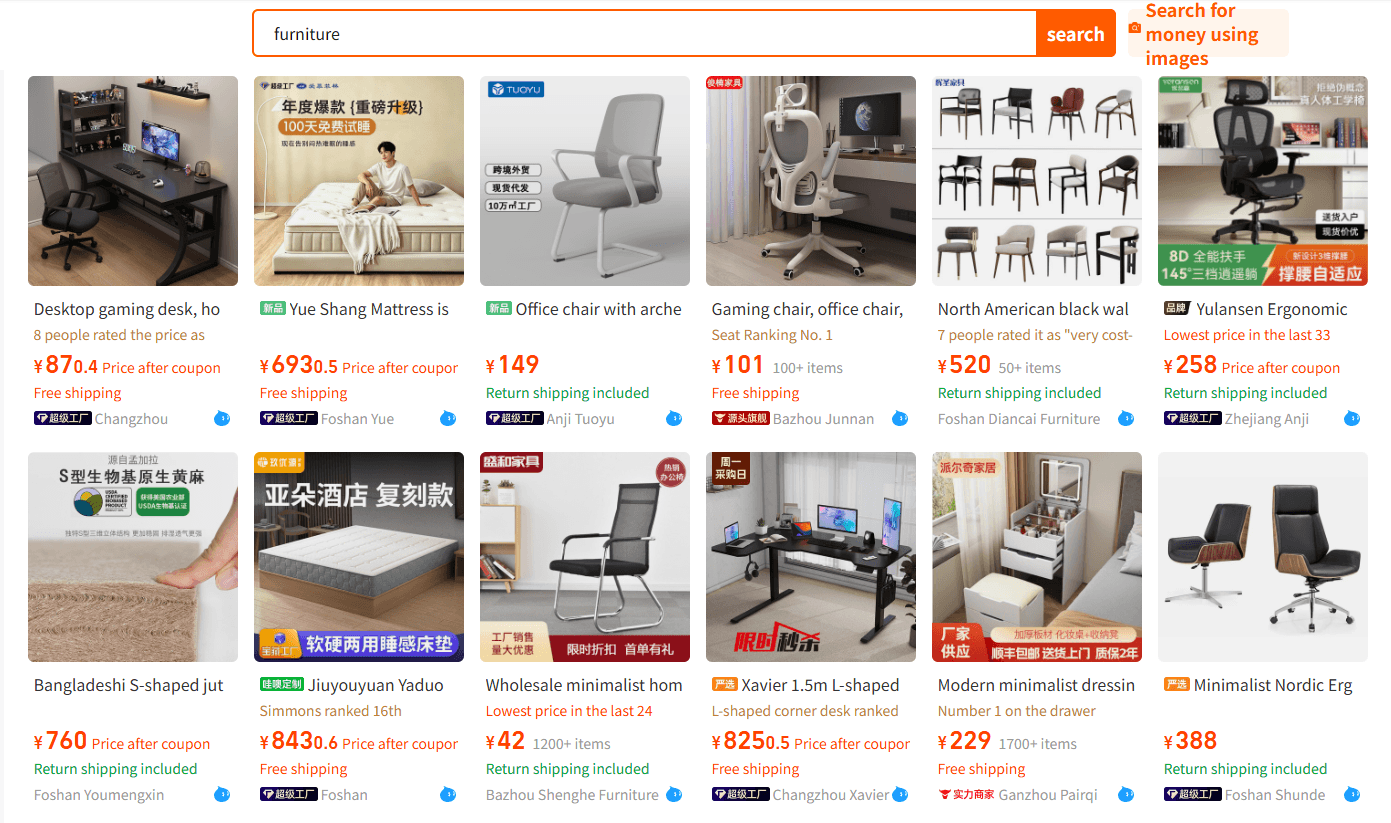
Large numbers of furniture suppliers on 1688

4. Underestimating Multi-Factory Coordination Costs

Buying furniture from China is never just about choosing products and arranging shipment—the hardest part is often coordination.

A complete furniture order usually involves multiple factories, each with different production timelines, packaging methods, and shipping schedules.

Without centralized management, it is common to encounter situations where one factory has already finished production while another has not even started. Some packaging may not meet export standards, some dimensions may never have been fully confirmed, and some products may only reveal oversized shipping volume during container loading.

That’s why multi-factory sourcing requires centralized coordination. Consolidating products from different factories into one warehouse for unified container loading is generally safer and far more suitable for overseas buyers than having every factory ship separately.

Factory workers producing furniture

5. Asking Only About Shipping, Not the Total Cost

Many buyers start by asking: “How much does it cost to ship furniture from China to my home?” But sea freight is only one part of the total importing cost. Import duties, port charges, and local delivery fees also need to be included.

If you focus only on a very low shipping quote, it is easy to underestimate the final budget. Some quotations include only basic ocean freight, without customs clearance, taxes, cargo pickup, or local delivery after arrival.

The real question buyers should ask is only one: What is the total landed cost to my final address, and exactly what services are included?

The complete cost structure

6. Ignoring Export Packaging

Even the best furniture quality can be ruined during transportation if the packaging is not suitable for export.

Shipping furniture from China to overseas destinations involves long distances and multiple handling stages. Without proper packaging, products can easily suffer scratches, deformation, moisture damage, or missing accessories.

Many packaging methods designed for the domestic market are not suitable for international shipping. Upholstered furniture, glass products, curved structures, and custom cabinets often require additional reinforcement depending on the shipping method. LCL shipments carry even higher risks because cargo is moved and stacked more frequently during transit.

Proper export packaging should be designed according to the product type. Upholstered furniture usually requires moisture and stain protection, while glass and stone products need stronger corner protection and wooden framing. Before shipment, Homebridge helps review packaging arrangements to reduce the risk of damage during transportation.
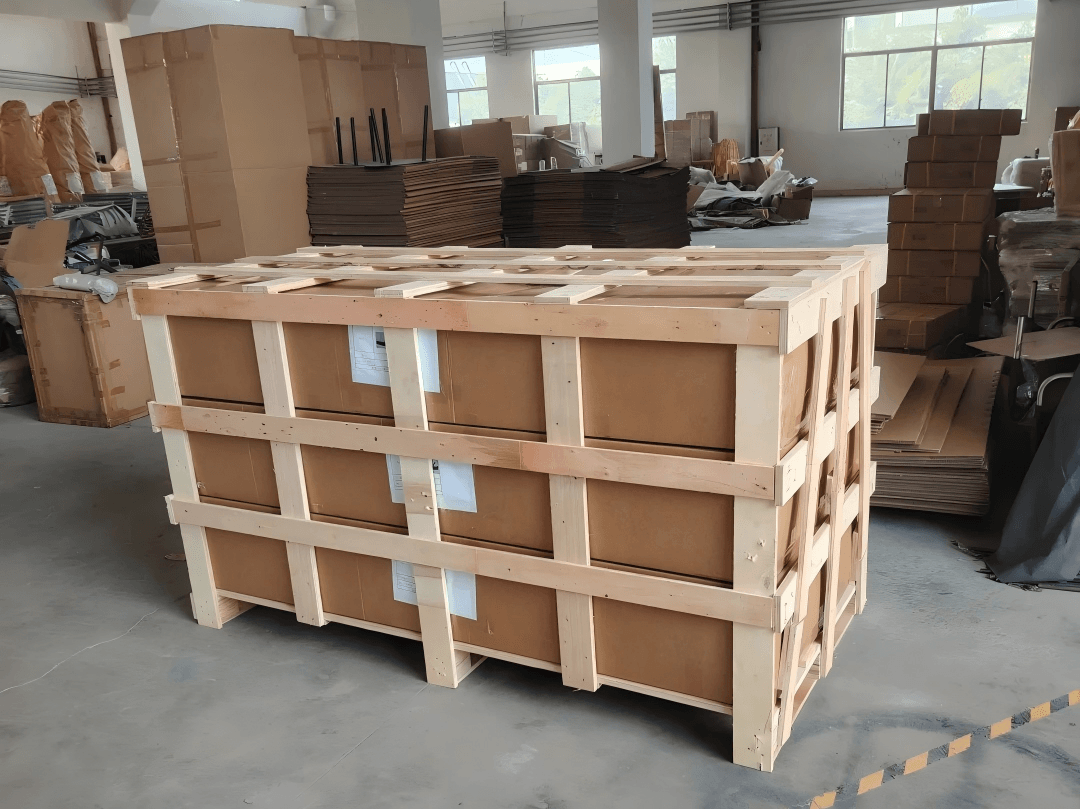
Export-standard furniture packaging

7. Not Confirming Dimensions in Advance

One of the most common furniture disasters is simple: the furniture cannot fit through the door.

If buyers focus only on photos while ignoring dimensions, elevators, staircases, and installation space, the result may be furniture that cannot fit into the elevator, cannot be moved into the home, or looks completely out of proportion in the room.

This is why Homebridge places special attention on dimension confirmation. In overseas residential projects, floor plans, ceiling heights, staircase angles, and elevator sizes can vary greatly. Before purchasing large furniture, buyers should confirm not only the product dimensions, but also the packaging dimensions and the actual delivery path into the property.
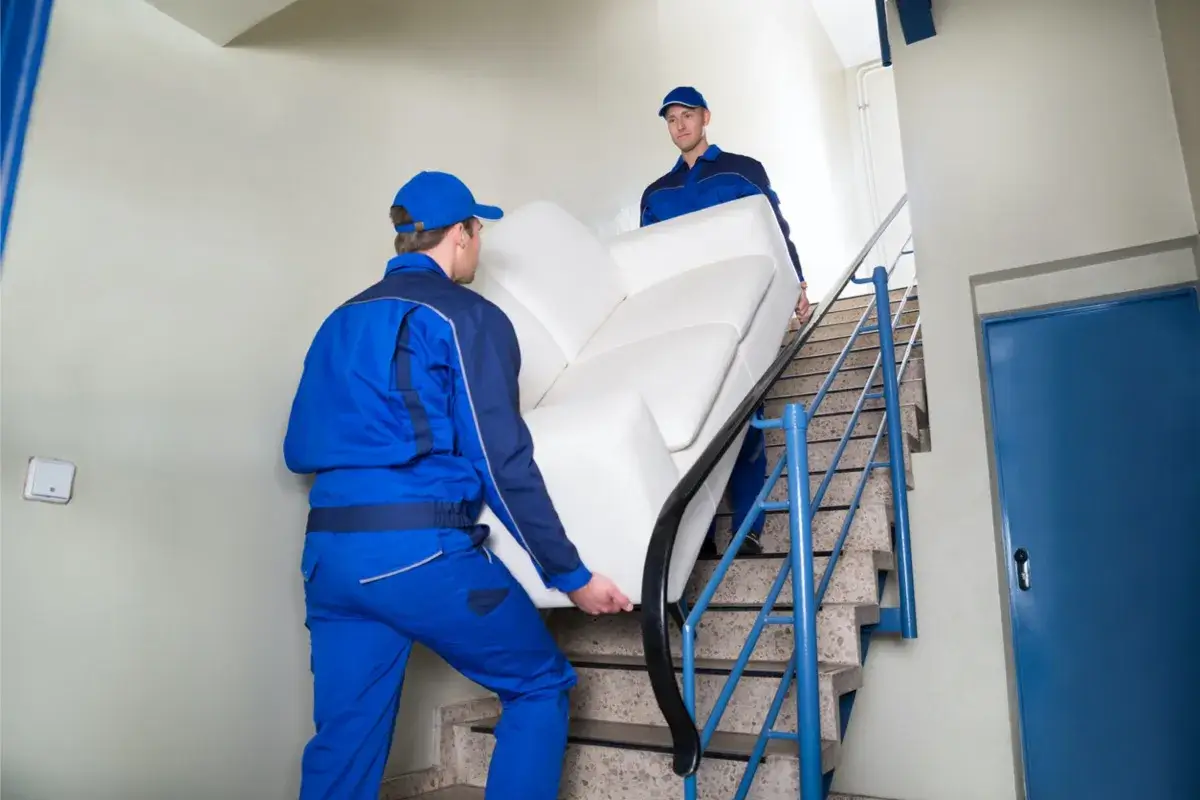
The delivery path for moving furniture through staircases

8. Ignoring After-Sales Support and Communication Costs

Furniture is a large-item category, and once problems occur, cross-border after-sales support becomes far more complicated than local purchases.

If dimensions are wrong, colors do not match, accessories are missing, or transportation damage occurs, who handles the issue? How will replacement parts be shipped? Who covers the cost? Will the factory cooperate? These questions should all be clarified in advance.

Many first-time buyers focus only on pricing before placing the order, while overlooking the communication and after-sales management required afterward. Reliable service providers like Homebridge do more than assist with sourcing before payment—they also help follow production progress and coordinate after-sales support after delivery.

That is why, when importing furniture from China, service capability is just as important as product pricing.
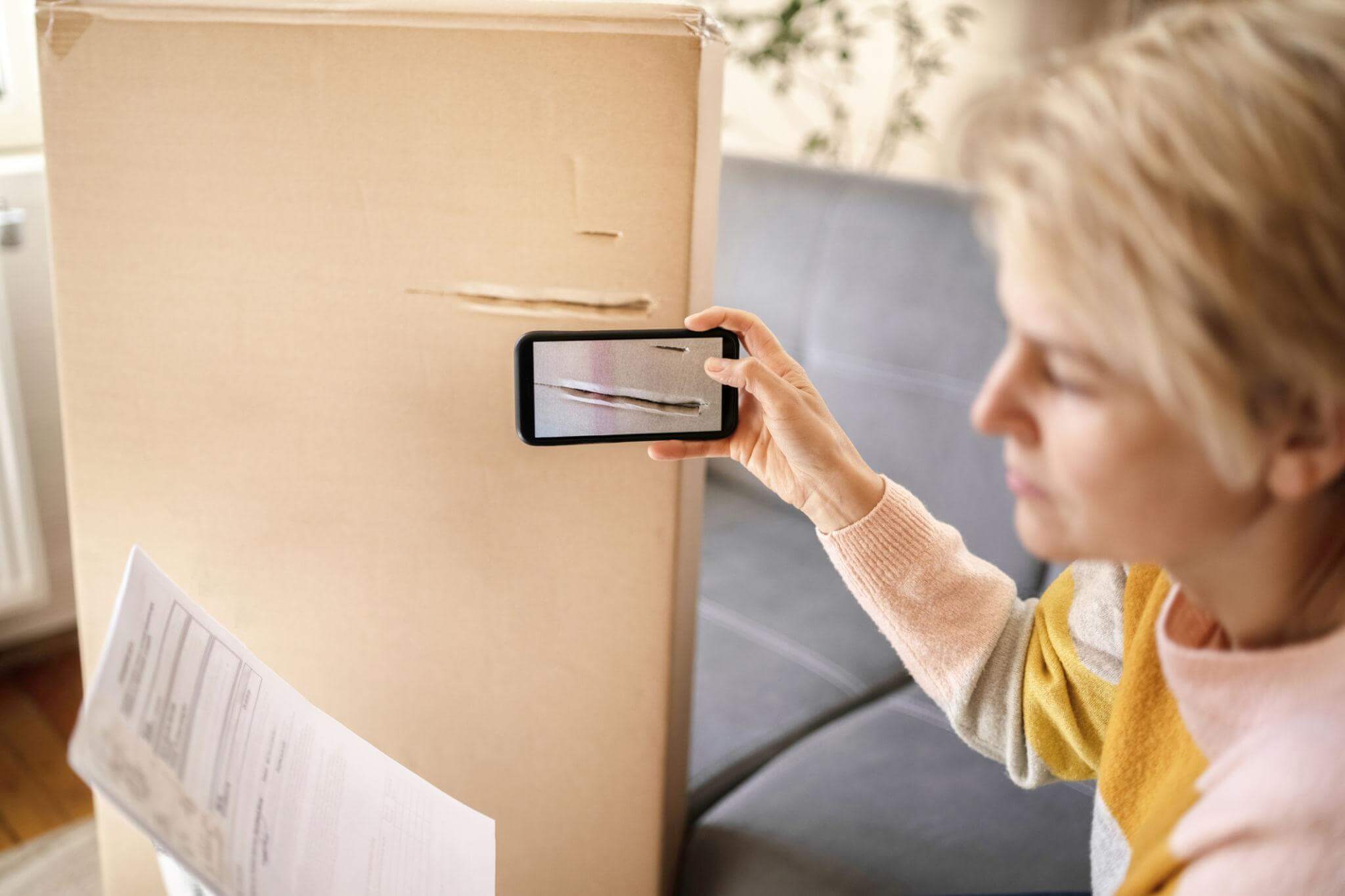
Furniture after-sales issues

9. Thinking You Have to Handle Everything Yourself

Many people give up on importing furniture because they assume they must personally manage every step of the process.

In reality, individual buyers do not need to become import experts themselves. A more practical approach is to understand the structure and potential risks, while leaving execution to a service provider that can coordinate the supply chain properly.

This is where Homebridge creates value. We help connect the fragmented stages together—from product sourcing and factory coordination to warehouse consolidation, export arrangements, logistics communication, and DDP door-to-door delivery. The goal is to make the process clearer and the costs more manageable.

For individual buyers who do not want to personally deal with customs clearance, taxes, port procedures, and local delivery, Homebridge DDP services are especially convenient. The core value is not simply shipping the goods, but integrating all stages into a clearer and less stressful door-to-door solution.

Homebridge provides hassle-free DDP services

Planning Is the Key to Buying Furniture from China

There are many things to pay attention to when importing furniture from China, but that does not mean the process has to be difficult. The real key is whether someone can help organize and coordinate the entire process properly.

This is where Homebridge creates value. We do more than simply help clients find products—we stay involved throughout the sourcing process from the very beginning. Based on your needs, we help screen products, connect with suitable factories, coordinate production across multiple suppliers, and arrange unified inspection, packaging, and shipment before delivery.

For buyers who do not want to personally handle customs clearance and taxes, Homebridge can also provide DDP door-to-door services, creating a smoother and less stressful sourcing experience.

Compared with trying to figure out every stage alone, the value of this integrated approach is that it makes budgets clearer, risks more controllable, and furniture sourcing from China feel more like an organized and enjoyable journey rather than a complicated challenge.
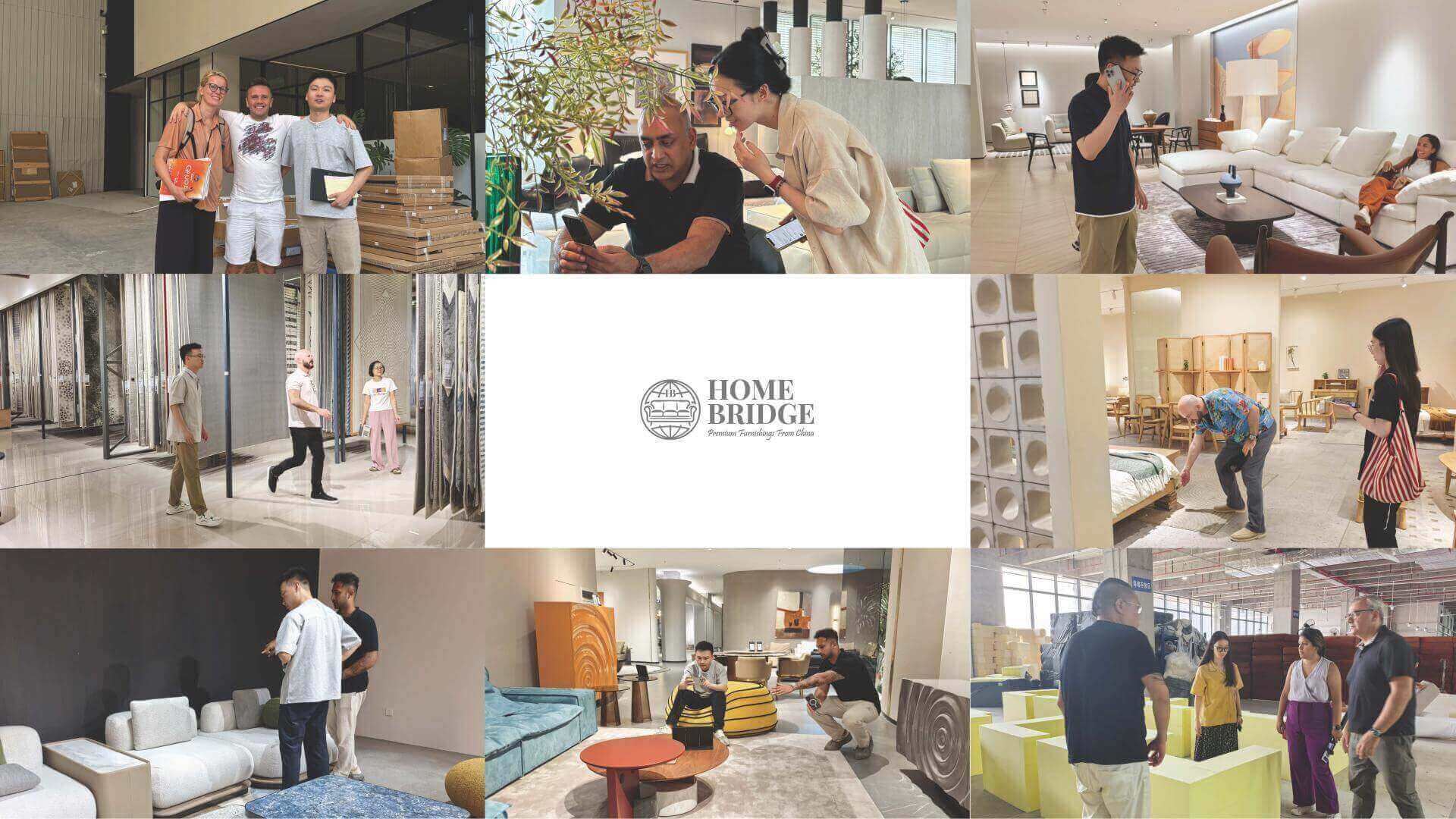
Homebridge as a professional sourcing service provider
Explore Furniture Solutions with HomeBridge
Contact us for One-stop Professional Furniture Purchaisng Solution!
By clicking the button, you consent to the processing of personal data

Thank you!

Your message has been received.
Oops! Something went wrong while submitting the form.

Already interested in buying furniture from China, but still hesitating to take the first step?

Furniture is a high-value purchase, so this kind of hesitation is completely normal. Most buyers compare repeatedly and delay placing orders because they worry about making the wrong decision.

The good news is that most problems are actually easy to avoid once you understand them in advance. This article will explain the most common mistakes beginners make, helping make your sourcing process clearer and more reassuring.

1. Focusing Only on Price, Not the Production Region

One of the most common beginner mistakes is focusing only on price while ignoring where the furniture is produced.

China’s furniture industry is highly developed, but different regions specialize in different strengths. Foshan in Guangdong is stronger in mid-to-high-end furniture, design-oriented products, and full-home solutions, with a mature export system. The Yangtze River Delta is more specialized in single categories such as chairs, mattresses, and sofas. The Bohai Rim region is often more suitable for standardized orders with more competitive pricing.

If you simply send one product photo and ask for a quotation, you will likely receive many cheap offers. But low price does not necessarily mean export-ready quality or stable production capability. Some suppliers focus only on the domestic market, some lack export packaging experience, and some products may look similar externally while using completely different internal structures, hardware, or filling materials.

The key to reliable sourcing is not finding the absolute lowest price, but finding a supply chain that properly matches your budget, quality expectations, and delivery requirements.

Different furniture manufacturing regions in China

2. Looking Only at Photos, Not at Quality

Many furniture quality differences simply cannot be judged from photos alone.

Two sofas may look almost identical online, but one may use genuine leather while the other uses synthetic fabric. One may use 40D high-density foam, while another uses recycled filling materials. One may have a solid wood frame, while another uses low-cost composite structures.

Beginners are often misled by products that “look similar” and choose the cheapest option, only to receive furniture with completely different comfort, texture, and durability.

In many cases, low-quality furniture may develop problems shortly after use, leading to additional costs for replacement parts, repairs, or even full replacement later.

Photos can’t reveal internal materials

3. Unclear Sourcing Channels and Choosing the Wrong Supplier

Suppliers can come from platforms, social media, showrooms, or personal referrals. Every channel has its advantages, but also its risks.

Working directly with factories may provide near-source pricing, but communication, quality evaluation, and coordination all become your own responsibility. Trading companies can make the process easier, but their factory resources and pricing structures are not always transparent. Online platforms offer many choices, but product photos and actual quality often differ.

For individual buyers, the biggest challenge is usually not finding suppliers—it is determining whether a supplier is truly suitable for the project. The real value of professional sourcing is not simply finding products, but organizing and managing the entire process properly.

Large numbers of furniture suppliers on 1688

4. Underestimating Multi-Factory Coordination Costs

Buying furniture from China is never just about choosing products and arranging shipment—the hardest part is often coordination.

A complete furniture order usually involves multiple factories, each with different production timelines, packaging methods, and shipping schedules.

Without centralized management, it is common to encounter situations where one factory has already finished production while another has not even started. Some packaging may not meet export standards, some dimensions may never have been fully confirmed, and some products may only reveal oversized shipping volume during container loading.

That’s why multi-factory sourcing requires centralized coordination. Consolidating products from different factories into one warehouse for unified container loading is generally safer and far more suitable for overseas buyers than having every factory ship separately.

Factory workers producing furniture

5. Asking Only About Shipping, Not the Total Cost

Many buyers start by asking: “How much does it cost to ship furniture from China to my home?” But sea freight is only one part of the total importing cost. Import duties, port charges, and local delivery fees also need to be included.

If you focus only on a very low shipping quote, it is easy to underestimate the final budget. Some quotations include only basic ocean freight, without customs clearance, taxes, cargo pickup, or local delivery after arrival.

The real question buyers should ask is only one: What is the total landed cost to my final address, and exactly what services are included?

The complete cost structure

6. Ignoring Export Packaging

Even the best furniture quality can be ruined during transportation if the packaging is not suitable for export.

Shipping furniture from China to overseas destinations involves long distances and multiple handling stages. Without proper packaging, products can easily suffer scratches, deformation, moisture damage, or missing accessories.

Many packaging methods designed for the domestic market are not suitable for international shipping. Upholstered furniture, glass products, curved structures, and custom cabinets often require additional reinforcement depending on the shipping method. LCL shipments carry even higher risks because cargo is moved and stacked more frequently during transit.

Proper export packaging should be designed according to the product type. Upholstered furniture usually requires moisture and stain protection, while glass and stone products need stronger corner protection and wooden framing. Before shipment, Homebridge helps review packaging arrangements to reduce the risk of damage during transportation.

Export-standard furniture packaging

7. Not Confirming Dimensions in Advance

One of the most common furniture disasters is simple: the furniture cannot fit through the door.

If buyers focus only on photos while ignoring dimensions, elevators, staircases, and installation space, the result may be furniture that cannot fit into the elevator, cannot be moved into the home, or looks completely out of proportion in the room.

This is why Homebridge places special attention on dimension confirmation. In overseas residential projects, floor plans, ceiling heights, staircase angles, and elevator sizes can vary greatly. Before purchasing large furniture, buyers should confirm not only the product dimensions, but also the packaging dimensions and the actual delivery path into the property.

The delivery path for moving furniture through staircases

8. Ignoring After-Sales Support and Communication Costs

Furniture is a large-item category, and once problems occur, cross-border after-sales support becomes far more complicated than local purchases.

If dimensions are wrong, colors do not match, accessories are missing, or transportation damage occurs, who handles the issue? How will replacement parts be shipped? Who covers the cost? Will the factory cooperate? These questions should all be clarified in advance.

Many first-time buyers focus only on pricing before placing the order, while overlooking the communication and after-sales management required afterward. Reliable service providers like Homebridge do more than assist with sourcing before payment—they also help follow production progress and coordinate after-sales support after delivery.

That is why, when importing furniture from China, service capability is just as important as product pricing.

Furniture after-sales issues

9. Thinking You Have to Handle Everything Yourself

Many people give up on importing furniture because they assume they must personally manage every step of the process.

In reality, individual buyers do not need to become import experts themselves. A more practical approach is to understand the structure and potential risks, while leaving execution to a service provider that can coordinate the supply chain properly.

This is where Homebridge creates value. We help connect the fragmented stages together—from product sourcing and factory coordination to warehouse consolidation, export arrangements, logistics communication, and DDP door-to-door delivery. The goal is to make the process clearer and the costs more manageable.

For individual buyers who do not want to personally deal with customs clearance, taxes, port procedures, and local delivery, Homebridge DDP services are especially convenient. The core value is not simply shipping the goods, but integrating all stages into a clearer and less stressful door-to-door solution.

Homebridge provides hassle-free DDP services

Planning Is the Key to Buying Furniture from China

There are many things to pay attention to when importing furniture from China, but that does not mean the process has to be difficult. The real key is whether someone can help organize and coordinate the entire process properly.

This is where Homebridge creates value. We do more than simply help clients find products—we stay involved throughout the sourcing process from the very beginning. Based on your needs, we help screen products, connect with suitable factories, coordinate production across multiple suppliers, and arrange unified inspection, packaging, and shipment before delivery.

For buyers who do not want to personally handle customs clearance and taxes, Homebridge can also provide DDP door-to-door services, creating a smoother and less stressful sourcing experience.

Compared with trying to figure out every stage alone, the value of this integrated approach is that it makes budgets clearer, risks more controllable, and furniture sourcing from China feel more like an organized and enjoyable journey rather than a complicated challenge.

Homebridge as a professional sourcing service provider