
.jpg)
For overseas villa clients, the difficult part of furniture procurement is rarely finding a single product. The real challenge is managing a fragmented process: living room furniture from one supplier, dining furniture from another, cabinetry from a different factory, and logistics handled separately. Without a single coordinator, quotations, dimensions, materials, production schedules, packaging, and shipping can quickly become difficult to control.
This Dubai villa project is positioned as a HomeBridge one-stop procurement and full-process service case. HomeBridge's role is to help the client turn furniture, cabinetry, fixed woodwork, and soft-furnishing requirements into an executable
procurement process covering supplier sourcing, quotation consolidation, customization confirmation, production follow-up, inspection, export packaging, and consolidated shipping coordination.
The total procurement value for this case is USD 96,000, covering loose furniture, full-height book walls, kitchen cabinetry, bedroom cabinetry, basement cabinet doors, and selected fixed woodwork. This amount excludes construction work, flooring, HVAC, sanitary ware, appliances, and unseen equipment. Shipping cost is not listed separately.
The client is an overseas villa owner in Dubai, UAE. The project involved sourcing a batch of whole-home furniture and custom-made items for a multi-level villa, covering shared living areas, bedrooms, a library area, kitchen-related cabinetry, basement storage, and selected fixed woodwork.
The client already had space photos and product references, but did not want to communicate with each factory one by one. The key questions were practical: which products should be handled by furniture suppliers, which items required custom cabinetry factories, which details needed to be confirmed before production, and how products from different suppliers could be collected and shipped together.
.jpg)
HomeBridge acted as the client's procurement execution partner. The team worked from the client's references, dimensions, requirements, and confirmations, turning the project into a sourcing list that could be quoted, produced, inspected, packed, and shipped.
.jpg)

The required product scope covered several villa areas, including living room seating, dining tables and chairs, bedroom furniture, beds and cabinets, full-height book walls, kitchen cabinetry, basement cabinet doors, storage cabinets, selected fixed woodwork, and lighting or soft-furnishing items visible in the project images.
.jpg)
Compared with a single furniture order, this type of whole-home villa project involves more suppliers, more product categories, and a higher proportion of customized items. The client cared not only about product price, but also whether each supplier could produce according to requirements, whether goods from different factories could be packed consistently, and whether the final shipment could be consolidated.
.jpg)
.jpg)
The client needed HomeBridge to integrate these scattered requirements: match suitable suppliers by product type, collect quotations and specifications, confirm dimensions, materials, colours, structures, hardware, and installation requirements for customized items, then coordinate inspection, export packaging, logistics quotations, warehouse consolidation, and shipment.
The first challenge was the broad product scope. The project was not limited to sofas, dining tables, or beds. It also involved loose furniture, cabinetry, book walls, kitchen-related items, basement storage, and fixed woodwork. These categories require different supplier types, so unclear coordination could easily lead to inconsistent quotations, missing details, or unclear production responsibility.
.jpg)
The second challenge was detail confirmation for customized products. Full-height book walls, bedroom cabinetry, kitchen cabinetry, and basement cabinet doors cannot be ordered from images alone. Dimensions, panel materials, finishes, hardware, opening methods, packing requirements, and on-site installation conditions all need to be clarified before production.
.jpg)
The third challenge was quotation and budget control. The total cost of a whole-home project is not just the sum of individual products. It can include customization fees, packaging, warehousing, shipment consolidation, international freight, and destination-related charges. The client needed a clear procurement scope for the USD 96,000 total cost, as well as transparency on costs not listed separately.
.jpg)
The fourth challenge was export packaging and consolidated shipment. Villa furniture can include large cabinets, vulnerable furniture, glass or stone parts, and long panels or woodwork pieces. If each supplier uses a different packing standard or shipping schedule, goods can become scattered, packing quality can vary, and final loading or on-site sorting can become difficult.
.jpg)
HomeBridge first organized the client's photos and requirements into a procurement list, grouped by loose furniture, custom cabinetry, book walls and woodwork, kitchen-related cabinetry, basement storage, lighting and soft furnishings, and logistics items. This made it possible to match each product category with an appropriate supplier instead of forcing one factory to handle everything.
During supplier matching, HomeBridge contacted furniture factories, custom cabinetry suppliers, woodwork suppliers, and logistics providers according to the product type. For ready-made or semi-custom furniture, the team confirmed model, size, upholstery, colour, quantity, and lead time. For cabinetry and book wall items, the team focused on drawings, panels, finishes, hardware, structures, and packing methods.
During quotation consolidation, HomeBridge organized prices from different suppliers into a clearer format so the client could see costs by space, product category, and supplier. For items that required further confirmation, the team marked them as pending confirmation instead of allowing vague quotations to move directly into production. The confirmed procurement total for this case was USD 96,000.
.jpg)
.jpg)
Before production, HomeBridge recorded the client's confirmed dimensions, materials, colours, structures, and special requirements in production notes. For custom cabinetry, book walls, kitchen cabinets, and basement cabinet doors, suppliers were required to reconfirm key dimensions and materials before production. For large furniture pieces, packaging size, disassembly method, and transportation protection were key checkpoints.
During production, HomeBridge followed up with different suppliers to prevent delays in one product category from affecting the full shipment. After production, the team could arrange pre-shipment checks covering appearance, quantity, dimensions, colour, packaging, and protection for vulnerable parts. The inspection results could then be reported back to the client for confirmation.
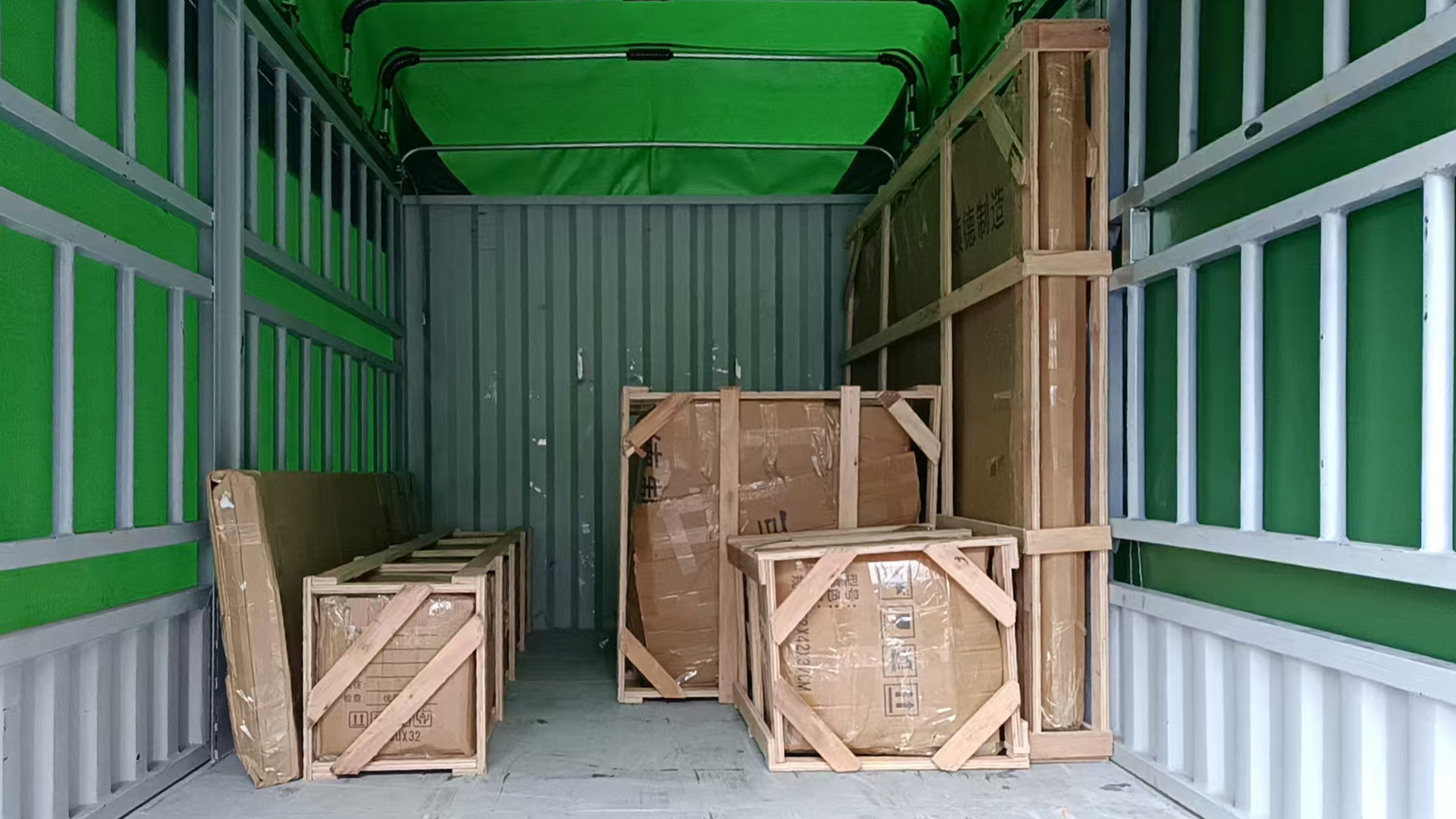


This project can be presented as a one-stop overseas villa furniture and custom-product procurement case. The product scope covers living room, dining room, bedrooms, library area, kitchen-related cabinetry, basement storage, and selected fixed woodwork, with a total procurement value of USD 96,000. Shipping cost is not listed separately.
Unlike a simple single-product order, the focus of this case is how HomeBridge manages multi-space, multi-category, and multi-supplier procurement as one project. The client does not need to follow up with every factory separately, reorganize different quotations, confirm production details alone, or coordinate packaging and shipping independently.
This case demonstrates HomeBridge's core value in overseas whole-home furniture procurement: one-stop sourcing and full-process execution. The client provides requirements and confirmations, while HomeBridge manages supplier screening, quotation consolidation, detail confirmation, production follow-up, inspection, export packaging, and logistics coordination.
For overseas villa projects, procurement risk often comes from fragmented information and broken execution. Products come from different suppliers, custom details are numerous, and packaging and shipping requirements are high. HomeBridge connects these steps into a clear workflow, allowing the client to move forward with a whole-home procurement project instead of handling scattered supplier problems one by one.

الصين وشنتشن
لونغانغ، عصر جينغجي يوجينغ، 1808
الاثنين - الجمعة 9 صباحًا - 6 مساءً (بتوقيت الصين)


