


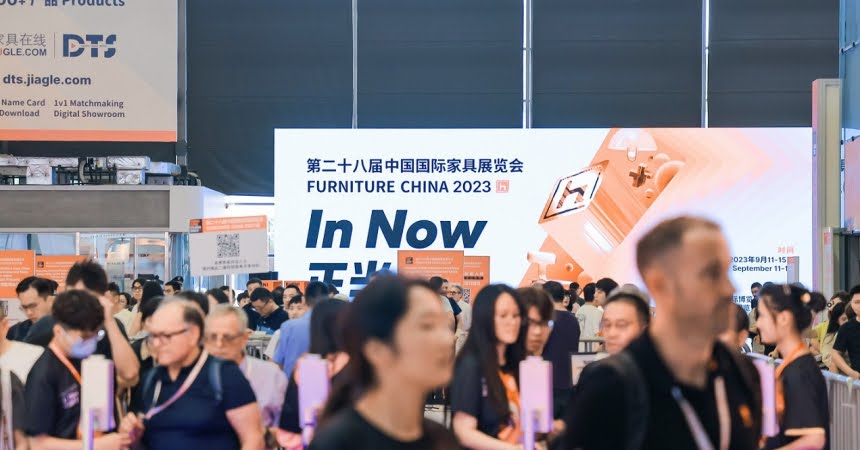

نعم، لا يزال استيراد الأثاث من الصين مجدياً في عام 2026 للطلبات المناسبة. وعادة ما يكون هذا الخيار مثالياً عند تأثيث منزل بالكامل، أو وحدات متعددة، أو مشاريع تجارية. في المقابل، لا يكون مجدياً عند شراء قطع قليلة، أو في حال وجود مواعيد نهائية ضيقة، أو عند افتراض أن سعر المصنع يعادل التوفير النهائي.
هذه الفجوة هي جوهر الأمر حالياً. فتكلفة الإنتاج المنخفضة لا تزال مهمة، لكن التكلفة الإجمالية عند الوصول هي الأهم. فإذا كانت تكاليف الشحن، ورسوم الاستيراد، والتوصيل، ومخاطر التلف، وتأخيرات الاستبدال تتجاوز قيمة الخصم، فإن الطلبية تفقد جدواها الاقتصادية.
أبرز النقاط
- في عام 2025، استوردت الولايات المتحدة ما قيمته حوالي 3.98 مليار دولار من "أثاث آخر" من الصين (مرصد التعقيد الاقتصادي (OEC)، تجارة الأثاث الأخرى في الولايات المتحدة، 2025).
- في 9 يوليو 2026، بلغ سعر مؤشر Freightos FBX01 للشحن من الصين إلى الساحل الغربي لأمريكا الشمالية 6,687.40 دولاراً لكل حاوية بطول 40 قدماً (Freightos، مؤشر شحن الحاويات من الصين إلى الساحل الغربي لأمريكا الشمالية، 2026).
- عادة ما يكون الاستيراد من الصين مجدياً للطلبات الكبيرة والمخطط لها والتي تتطلب مواصفات دقيقة، بينما غالباً لا يكون كذلك للمشتريات الصغيرة أو العاجلة أو التي لا تتحمل هامش خطأ.
هل لا يزال استيراد الأثاث من الصين مجدياً في عام 2026؟
في عام 2026، لا يزال استيراد الأثاث من الصين مجدياً عندما يكون حجم الطلبية كبيراً بما يكفي لتوزيع تكاليف الشحن والمناولة على عدد كبير من القطع. ففي عام 2025، وصلت واردات الولايات المتحدة من "أثاث آخر" من الصين إلى حوالي 3.98 مليار دولار، مما يثبت أن المشترين لا يزالون يجدون قيمة كافية للاستمرار في الاعتماد على الصين على نطاق واسع (مرصد التعقيد الاقتصادي (OEC)، تجارة الأثاث الأخرى في الولايات المتحدة، 2025).
هذا لا يعني أن الصين هي الخيار الأرخص تلقائياً، بل يعني أنها تظل سوقاً رئيسياً للتوريد. لا يزال المشترون يقصدونها لتنوع الموردين، وتنسيق مجموعات المنتجات، وإمكانية التخصيص، والقدرة على دمج فئات متعددة في برنامج شراء واحد.
ما الذي تغير؟ لقد انتهى زمن الحلول السهلة. لم يعد بإمكانك مقارنة سعر المصنع بسعر التجزئة المحلي وافتراض أن الفرق هو ربحك. في عام 2026، هذا الافتراض يغفل الكثير من التفاصيل؛ فتكاليف الشحن أصبحت جوهرية، ومخاطر المشاريع مكلفة للغاية، كما أن تلف قطعة واحدة قد يمحو جزءاً من الهامش الربحي الذي كنت تتوقعه.
وفقاً لـ مؤشر Freightos لشحن الحاويات من الصين إلى الساحل الغربي لأمريكا الشمالية، فإن سعر مؤشر FBX01 الحالي في 9 يوليو 2026 هو 6,687.40 دولاراً لكل حاوية بطول 40 قدماً. هذا الرقم وحده كافٍ لتغيير قرار الشراء للطلبات الصغيرة، أما بالنسبة للطلبات الكبيرة، فلا يزال الخيار فعالاً للغاية.
لماذا لا يزال المشترون يوردون الأثاث من الصين؟
في عام 2026، لا يزال المشترون يستوردون الأثاث من الصين؛ لأنها تظل وجهة يصعب منافستها من حيث تنوع المنتجات، وكثافة المصانع، والقدرة على التخصيص. وفي عام 2025، ظلت الصين واحدة من أهم مصادر استيراد "الأثاث الآخر" للولايات المتحدة، على الرغم من تصدر فيتنام لهذه الفئة (مرصد التعقيد الاقتصادي (OEC)، تجارة الأثاث الآخر في الولايات المتحدة، 2025).
هذا الأمر جوهري لأن معظم المشترين الفعليين لا يشترون كرسياً واحداً، بل يشترون أنظمة متكاملة. فقد يحتاج مشروع فيلا إلى أرائك، وأسرّة، وأطقم طعام، وطاولات جانبية، ووحدات كونسول، وقطع أثاث خارجية. وقد يحتاج مشروع ضيافة إلى عشرات الوحدات المتكررة (SKUs) بتشطيبات متطابقة. قد يتمكن بائع التجزئة المحلي من توفير ذلك أحياناً، لكن الصين غالباً ما تكون أكثر قدرة على توفيره ضمن سلسلة توريد منسقة.
هناك أيضاً نقطة التخصيص التي يقلل المشترون من أهميتها. فالعديد من المشاريع لا تبحث عن قطع أثاث تقليدية من صالات العرض، بل ترغب في أبعاد مخصصة، أو تغييرات في الأقمشة، أو مطابقة التشطيبات، أو ضمان تناسق الأثاث بين الغرف. ولا تزال الصين تتفوق في هذا الجانب بفضل نظام الموردين المتشعب والمتكامل لديها.
طريقة مفيدة للتفكير في هذا القرار هي: كلما كان شراؤك أقرب إلى مفهوم "التوريد" (Procurement)، زادت جدوى الاعتماد على الصين. وكلما كان أقرب إلى "التسوق بالتجزئة" العادي، قلت هذه الجدوى. وهذا هو الفارق الذي يغفل عنه الكثير من المشترين.
ماذا لو كان الهدف هو شراء قطعة أو قطعتين بسرعة وبسعر رخيص؟ حينها غالباً ما تكون الصين خياراً غير مناسب. أما إذا كان الهدف هو الحصول على حزمة منسقة مع التحكم في المواد والمواصفات، فإن الصين تظل خياراً يستحق النقاش.
متى تكون الحسابات المالية في صالح الصين؟
في عام 2026، تكون الحسابات عادة في صالح الصين عندما تكون الشحنة كبيرة بما يكفي لتوزيع تكاليف الشحن والوصول. ففي 9 يوليو 2026، أظهر مؤشر Freightos أن سعر السوق الفوري للشحن من الصين إلى الساحل الغربي بلغ 6,687.40 دولاراً للحاوية سعة 40 قدماً، وهو مبلغ مكلف للطلبات الصغيرة، لكن يسهل استيعابه عند شحن أثاث منزل كامل أو وحدات متعددة (Freightos، مؤشر شحن الحاويات من الصين إلى الساحل الغربي لأمريكا الشمالية، 2026).
عادة ما تكون الحالات المثالية كالتالي:
- تأثيث منزل بالكامل بدلاً من شراء قطع منفصلة
- تجهيز عدة شقق، أو وحدات للإيجار، أو وحدات مخدومة
- توريد الأثاث للفنادق، أو المطاعم، أو المطورين العقاريين
- طلب قطع مخصصة عندما تكون الخيارات المتاحة محلياً ضعيفة أو مبالغاً في أسعارها
في هذه الحالات، تصبح تكلفة القطعة الواحدة أكثر منطقية. كما أن المشتري يكون أكثر استفادة من التعبئة المجمعة، ومشاركة مساحة الحاوية، وتنسيق توقيتات الإنتاج.
هنا تكمن نجاحات العديد من الطلبات من الصين؛ فالمشتري لا يسعى وراء أقل سعر معلن، بل يبني طلباً منظماً قادراً على استيعاب تكاليف الخدمات اللوجستية دون التأثير على القيمة الإجمالية للصفقة.
وفقاً لـ (S&P Global Market Intelligence، مؤشر أداء موانئ الحاويات لعام 2025 يكشف عن الدور المحوري للموانئ في استقرار سلسلة التوريد، 2026)، غطى تقرير أداء الموانئ لعام 2025 أكثر من 400 ميناء حول العالم، ووصف كفاءة الموانئ بأنها مؤشر رئيسي لموثوقية سلاسل الإمداد. وهذا أمر بالغ الأهمية لأن المشترين المخططين يستفيدون أكثر عندما يتم التعامل مع النظام اللوجستي كجزء من عملية الشراء، وليس كفكرة ثانوية.
متى لا يكون الأمر مجدياً في العادة؟
في عام 2026، لا يكون استيراد الأثاث من الصين مجدياً في العادة عندما يكون حجم الطلبية صغيراً بحيث لا يتحمل التكاليف اللوجستية الثابتة. إن سعر الحاوية البالغ 6,687.40 دولاراً ليس مجرد تفصيل هامشي، بل يمكن أن يطغى على جدوى الطلبيات ذات الحجم المنخفض بسرعة كبيرة (Freightos، مؤشر شحن الحاويات من الصين إلى الساحل الغربي لأمريكا الشمالية، 2026).
هنا تبدأ خيبة الأمل عادةً. يرى المشتري عرض سعر من المصنع يبدو أقل بكثير من أسعار التجزئة المحلية. ثم تُضاف تكاليف الشحن، ثم الرسوم الجمركية والوساطة، ثم تكاليف التوصيل المحلي، ثم تظهر مشكلة في التغليف أو التشطيب. وفجأة، لم تعد الطلبية "الرخيصة" رخيصة بعد الآن.
الطلبيات الصغيرة والعاجلة هي الأكثر عرضة لهذه المخاطر. لماذا؟ لأنها تتطلب مرونة، وخيارات استبدال سريعة، وسرعة في التنفيذ. يمكن للصين أن تقدم قيمة مضافة، لكنها نادراً ما توفر نفس مستوى المرونة الذي تحصل عليه من المخزون المحلي أو الموردين الإقليميين.
هناك أيضاً منافسة أكبر الآن من مراكز تصنيع أخرى. في عام 2025، وردت فيتنام ما قيمته حوالي 7.39 مليار دولار من واردات "الأثاث الآخر" إلى الولايات المتحدة، بينما وردت الصين حوالي 3.98 مليار دولار (OEC، تجارة الأثاث الآخر في الولايات المتحدة، 2025). هذا لا يعني أن الصين ضعيفة، لكنه يعني أنه ينبغي على المشترين مقارنة الخيارات المتاحة بدلاً من افتراض أن الصين هي الخيار الأفضل تلقائياً.
إذا كان المشروع لا يحتمل التأخير أو الاستبدال أو مشاكل الفحص، فقد يكون الخيار الصحيح هو الشراء محلياً أو إقليمياً، حتى لو بدا سعر المصنع أعلى على الورق.
ما هي التكاليف التي يجب على المشترين حسابها فعلياً؟
في عام 2026، السؤال الصحيح ليس "ما هو سعر المصنع؟" بل "ما هي التكلفة الإجمالية الواصلة لكل قطعة صالحة للاستخدام؟". يظهر مؤشر Freightos سعراً حالياً لمسار الساحل الغربي يبلغ 6,687.40 دولاراً للحاوية سعة 40 قدماً، وهذا وحده يجعل من ضبط التكلفة الواصلة أمراً غير قابل للتفاوض بالنسبة للمشترين الجادين (Freightos، مؤشر شحن الحاويات من الصين إلى الساحل الغربي لأمريكا الشمالية، 2026).
كحد أدنى، يجب على المشترين حساب:
- تكلفة المنتج
- النقل الداخلي داخل الصين
- مناولة التصدير
- الشحن البحري
- التأمين البحري
- التخليص والوساطة الجمركية
- الرسوم وتكاليف الوجهة
- التخزين
- التوصيل للميل الأخير
- تكاليف الاستبدال أو الإصلاح أو التأخير
هذا البند الأخير هو المكان الذي تتحول فيه الميزانيات إلى مجرد أوهام. تبدو جداول البيانات مثالية حتى يصل عنصر أساسي تالفاً أو غير مطابق للمواصفات. عندها فقط، يجب أن تثبت الطلبية أنها لا تزال مجدية بعد مواجهة هذه العقبات، وليس قبلها.
يساعد هنا طرح سؤال عملي: إذا تعطل عنصر مهم، هل يمكن اعتبار الطلبية ناجحة؟ إذا كانت الإجابة لا، فإن هامش الربح أقل مما يبدو عليه. وغالباً ما تكون هذه هي الحقيقة الخفية وراء استيراد الأثاث "الرخيص".
يساعد جانب المستهلك في الولايات المتحدة أيضاً في تفسير سبب استمرار الناس في التوجه نحو الصين. في مايو 2026، بلغ مؤشر أسعار المستهلك الأمريكي المعدل موسمياً للمفروشات والعمليات المنزلية 155.434 (FRED، المفروشات والعمليات المنزلية في متوسط المدن الأمريكية، 2026). هذا لا يثبت أن الاستيراد هو الخيار الأفضل دائماً، لكنه يوضح أن الحافز للتسوق بأسعار تنافسية لا يزال قائماً.
كيف يمكن للمشترين جعل الاستيراد من الصين مجدياً في أغلب الأحيان؟
في عام 2026، يحقق المشترون جدوى أكبر من الصين عن طريق تقليل مخاطر التنفيذ التي يمكن تجنبها، وليس فقط من خلال الضغط لخفض سعر الوحدة. لقد صنف تقرير أداء الموانئ لعام 2025 الصادر عن "إس آند بي جلوبال" والبنك الدولي كفاءة الموانئ كقضية تتعلق بموثوقية سلسلة التوريد، وهو تذكير مفيد بأن جودة العملية لا تقل أهمية عن جودة عرض السعر (إس آند بي جلوبال ماركت إنتليجنس، مؤشر أداء موانئ الحاويات لعام 2025 يكشف عن الدور المحوري للموانئ في استقرار سلسلة التوريد، 2026).
عادة ما يتقن المشترون الأقوياء خمسة أمور.
أولاً، يحددون نطاق العمل بدقة. فهم لا يستوردون بشكل عشوائي في كل الفئات، بل يركزون على القطع التي تستفيد فعلياً من التوريد المباشر من المصنع.
ثانياً، يثبتون المواصفات في وقت مبكر. يجب تأكيد الأبعاد، والمواد، ورموز التشطيب، ومراجع الأقمشة، وخيارات الأجهزة، ومعايير الكرتون، ومستويات التفاوت المقبولة كتابياً.
ثالثاً، يتعاملون مع التواصل مع المورد كجزء من مراقبة الجودة. فالردود الواضحة، وعروض الأسعار الكاملة، والتأكيدات المنظمة غالباً ما تكون مؤشرات مبكرة على ما إذا كان المورد سيحمي هامش ربحك أم سيهدره.
في الفئات التي تعتمد بكثافة على التوريد، غالباً ما يكون عرض السعر الأرخص هو الأكثر إثارة للمشاكل. فالمورد الذي يجيب بوضوح، ويغلف بانتظام، ويحترم ورقة المواصفات، يوفر عادةً أموالاً أكثر من المورد الذي يبدأ بسعر منخفض فقط.
رابعاً، يقومون بدمج منطق الفحص قبل اكتمال الإنتاج. خامساً، يحددون مسار التسليم قبل مغادرة البضائع للمصنع. لماذا نترك الجزء الأصعب للنهاية؟
إذن، هل يستحق شراء الأثاث من الصين في عام 2026؟
في عام 2026، يعد شراء الأثاث من الصين خياراً مجدياً للمشترين الذين يتمتعون بحجم أعمال كبير، وصبر، وانضباط في العمليات. لا تزال واردات الولايات المتحدة من الصين في فئة "الأثاث الآخر" تصل إلى حوالي 3.98 مليار دولار في عام 2025، لكن أسعار الحاويات الحالية إلى الساحل الغربي لا تزال مرتفعة بما يكفي لتجعل الطلبات غير المتوافقة تفقد وفوراتها بسرعة (OEC، تجارة الأثاث الآخر في الولايات المتحدة، 2025; Freightos، مؤشر شحن الحاويات من الصين إلى الساحل الغربي لأمريكا الشمالية، 2026).
هذه هي الإجابة المباشرة. لم تعد الصين الخيار الأرخص تلقائياً. لكنها تظل واحدة من أقوى خيارات التوريد الاستراتيجية عندما يكون الطلب كبيراً ومخططاً له ومُداراً بشكل جيد.
إذا كانت عملية الشراء لديك تتم بأسلوب المشتريات المؤسسية، فلا تزال الصين قادرة على تقديم قيمة قوية. أما إذا كانت أشبه بالتسوق بالتجزئة العادي، فغالباً لن تكون كذلك. هذا التمييز هو ما يوفر المال في عام 2026.
الأسئلة الشائعة
هل لا يزال شراء الأثاث من الصين أرخص في عام 2026؟
في بعض الأحيان، نعم - ولكن غالباً في الطلبات الكبيرة. في عام 2025، استوردت الولايات المتحدة حوالي 3.98 مليار دولار من "الأثاث الآخر" من الصين، مما يشير إلى أن عرض القيمة لا يزال حقيقياً للعديد من المشترين (OEC، تجارة الأثاث الآخر في الولايات المتحدة، 2025). أما في الطلبات الصغيرة، فغالباً ما تؤدي تكاليف الشحن والاستيراد إلى تلاشي هذه الوفورات.
ما مدى أهمية الشحن الآن؟
أهمية كبيرة. في 9 يوليو 2026، سجل مؤشر Freightos لمسار FBX01 من الصين إلى الساحل الغربي لأمريكا الشمالية 6,687.40 دولاراً لكل حاوية بطول 40 قدماً (Freightos، مؤشر شحن الحاويات من الصين إلى الساحل الغربي لأمريكا الشمالية، 2026). قد يكون هذا مجدياً عند توزيعه على شحنة مشروع كبيرة، لكنه قد يفسد الجدوى الاقتصادية للطلبات الصغيرة.
لماذا لا يزال بعض المشترين يختارون الصين بدلاً من دول أخرى؟
يرجع ذلك أساساً إلى أن الصين لا تزال توفر تغطية واسعة للفئات، وقدرة على التخصيص، وتجمعات كثيفة للموردين. حتى في عام 2025، ظلت الصين توفر حوالي 3.98 مليار دولار من واردات الولايات المتحدة من "الأثاث الآخر"، مما يظهر أنها لا تزال قاعدة توريد رئيسية رغم المنافسة الأقوى من فيتنام (مرصد التعقيد الاقتصادي (OEC)، تجارة الأثاث الأخرى في الولايات المتحدة، 2025).
هل لا تزال ضغوط الأسعار في الولايات المتحدة تجعل الاستيراد خياراً جذاباً؟
نعم، بالنسبة لبعض المشترين. في مايو 2026، بلغ مؤشر أسعار المستهلك الأمريكي للمفروشات والعمليات المنزلية 155.434، وهو ما يفسر سبب استمرار المشترين في البحث عن مصادر خارجية للحصول على جدوى اقتصادية أفضل (فريد (FRED)، متوسط المفروشات والعمليات المنزلية في المدن الأمريكية، 2026). النقطة الجوهرية هي ما إذا كانت التكلفة الإجمالية الواصلة لا تزال مجدية بعد احتساب تكاليف الخدمات اللوجستية والمخاطر.
الخلاصة
لا يزال شراء الأثاث من الصين في عام 2026 خياراً ذكياً، لكنه لم يعد قراراً عفوياً. فالمشترون الذين يخططون بعناية، ويوحدون شحناتهم، ويضبطون المواصفات بدقة، لا يزال بإمكانهم تحقيق قيمة ملموسة. أما أولئك الذين يستوردون طلبيات صغيرة أو عاجلة أو قابلة للكسر، فغالباً ما يكتشفون أن التوفير كان أقل بكثير مما كان يبدو عليه في البداية.
السؤال الأكثر أهمية ليس ما إذا كانت الصين رخيصة، بل ما إذا كانت الصين تتناسب مع هيكلية طلبيتك وجدولها الزمني ومستوى المخاطر الذي يمكنك تحمله. هذا هو السؤال الذي يحمي هوامش ربحك فعلياً.
المصادر
- مرصد التعقيد الاقتصادي (OEC)، تجارة الأثاث الأخرى في الولايات المتحدة، 2025، تم الاسترجاع بتاريخ 2026-07-09
- فريتوس (Freightos)، مؤشر شحن الحاويات من الصين إلى الساحل الغربي لأمريكا الشمالية، 2026، تم الاسترجاع بتاريخ 2026-07-09
- فريد (FRED)، متوسط المفروشات والعمليات المنزلية في المدن الأمريكية، 2026، تم الاسترجاع بتاريخ 2026-07-09
- إس آند بي جلوبال ماركت إنتليجنس (S&P Global Market Intelligence)، مؤشر أداء موانئ الحاويات لعام 2025 يكشف عن الدور المحوري للموانئ في استقرار سلاسل التوريد، 2026، تم الاسترجاع بتاريخ 2026-07-09
.svg)







.svg)
.svg)


